


How to Become a Photography Pro: Expert Tips Unveiled
Are you ready to transform your passion for capturing moments into a fulfilling career? Imagine turning your love for photography into a profession that not only pays the bills but also brings you joy every single day.
Whether you’re dreaming of shooting stunning landscapes, capturing candid moments, or creating art that tells a story, this guide is your gateway to becoming a successful photographer. You might be wondering where to start or how to stand out in a sea of talented individuals.
Don’t worry, you’re not alone. Many have walked this path and found their unique place in the world of photography. By diving into this article, you’ll discover practical steps, insider tips, and motivational insights that will set you on the right track. Ready to focus your lens on a brighter future? Let’s explore how you can become the photographer you’ve always dreamed of being.
Mastering The Basics
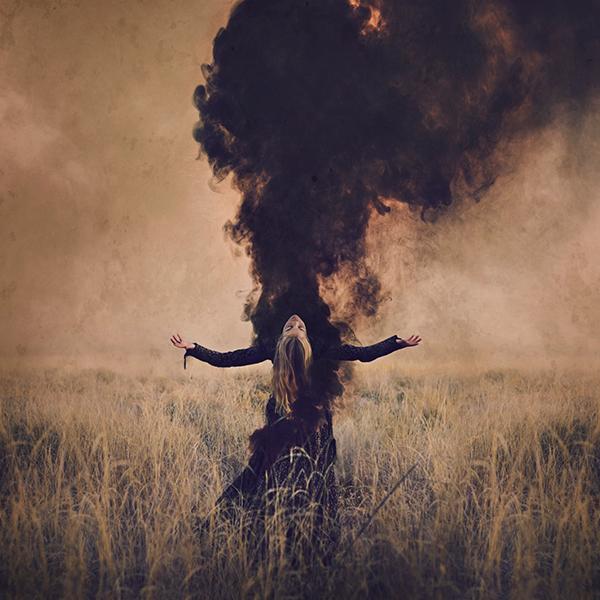
Learning photography starts with understanding basic techniques. Explore camera settings, lighting, and composition to capture stunning images. Practice regularly and experiment with different styles to develop your unique perspective.
Becoming a skilled photographer starts with mastering the basics. It’s like laying the foundation for a house; without it, nothing stands strong. Whether you’re looking to capture memorable family moments or pursue a professional career, understanding the essentials will set you on the right path. Dive into these fundamental aspects and watch your photography skills soar.
Choosing The Right Equipment
The camera does not make the photographer, but the right equipment can certainly help. Start by assessing your needs. Do you prefer landscape photography, or are you more interested in portraits? Begin with a camera that’s easy to use and fits your budget. Entry-level DSLRs or mirrorless cameras are great for beginners. They offer manual controls that let you experiment and learn. Don’t forget about lenses. A versatile lens can open up a world of possibilities. A 50mm prime lens is often recommended for its ability to handle various situations.
Understanding Camera Settings
Camera settings can seem overwhelming at first, but they’re crucial to taking great photos. Start with the basics: aperture, shutter speed, and ISO. Aperture affects the depth of field. A low f-number like f/1.8 will blur the background, making your subject stand out. Shutter speed controls motion blur. Fast shutter speeds freeze action, while slower speeds create motion effects. ISO determines the camera’s sensitivity to light. In low-light conditions, increasing the ISO can help, but be mindful of noise in the image. Experiment with these settings in various lighting conditions. You’ll quickly see how they affect your photos.
Composing The Perfect Shot
Composition is the art of arranging elements in your photo. It can make or break your shot. Start with the rule of thirds. Imagine your frame divided into nine equal parts. Place your subject at the intersections for a more balanced composition. Leading lines guide the viewer’s eyes to the main subject. Use roads, fences, or natural lines in your frame to add depth and interest. Don’t forget about background and foreground. They can add context or create distractions. Pay attention to what’s in the frame before you click the shutter. Have you ever caught yourself admiring a photo and wondered why it looks so captivating? Often, it’s the composition that draws you in. Practice regularly, and soon you’ll be framing shots like a pro.
Developing Your Style
Developing your style as a photographer is a journey that involves self-discovery, experimentation, and a touch of courage. It’s about finding what makes your work unique in a sea of countless images. This process doesn’t happen overnight, and it requires a willingness to step outside your comfort zone. Whether you’re just starting out or looking to refine your craft, developing your style will set you apart and make your photography recognizable.
Exploring Different Genres
Trying out different photography genres is like sampling dishes at a buffet. You get to see what excites you and what doesn’t. From landscapes and portraits to street and wildlife photography, each genre offers its own set of challenges and rewards.
Ask yourself: What kind of stories do you want to tell through your photos? Perhaps you love the tranquility of nature shots, or the energy found in urban settings. By experimenting with various genres, you’ll gain insight into what truly captivates you.
Finding Your Unique Voice
Your unique voice in photography is what makes your work distinctly yours. It’s about how you see the world and how you choose to capture it. Think about what consistently draws your eye when you’re behind the lens.
Do you have a knack for capturing emotions in people’s faces? Maybe you’re drawn to patterns and symmetry. Reflect on your body of work and identify common themes or techniques that recur in your photos. These might be the clues that point to your unique voice.
Incorporating Personal Interests
Your hobbies and passions outside of photography can provide a rich source of inspiration. If you love music, consider how you might capture the emotion of a live concert. If you’re into fashion, experiment with styling your shoots.
Think about the things that you are passionate about. How can you weave these elements into your photography? By blending your personal interests with your photography, your work will not only become more meaningful but also resonate with viewers on a deeper level.
Advanced Techniques
Becoming a skilled photographer means mastering advanced techniques that elevate your work from good to extraordinary. These techniques require practice and creativity, but they can make a significant difference in the quality of your images. Whether you’re a budding enthusiast or an experienced shooter, understanding how to manipulate light, refine your post-processing skills, and employ advanced tools will take your photography to the next level.
Manipulating Light And Shadow
Light is the essence of photography. Learning how to control it can transform your photos. Try experimenting with different times of the day. Notice how the morning light differs from the golden hour at sunset. Shadows can add depth and mystery to your images. Move around your subject to see how shadows change with the angle of light. Can you create a silhouette by positioning your subject in front of a strong light source? These techniques will help your photos tell a story.
Mastering Post-processing
Post-processing allows you to enhance your images beyond what your camera captures. Start with basic adjustments like exposure and contrast. Gradually explore more advanced edits like color grading. You can bring out the mood in a landscape or the warmth in a portrait. Tools like Adobe Lightroom and Photoshop offer powerful capabilities. Have you tried retouching or removing distractions? These skills can refine your final product, making it stand out.
Utilizing Advanced Tools
Advanced tools can significantly enhance your photography experience. Consider using a tripod for stability, especially in low-light conditions. Remote triggers can help capture the perfect shot without camera shake. Have you experimented with filters or lenses? A wide-angle lens can provide a fresh perspective, while a macro lens reveals intricate details. These tools can open up new creative possibilities for you.
Every photographer has a unique journey. Which technique will you try next to challenge your skills and expand your creative horizons?
Building A Professional Portfolio
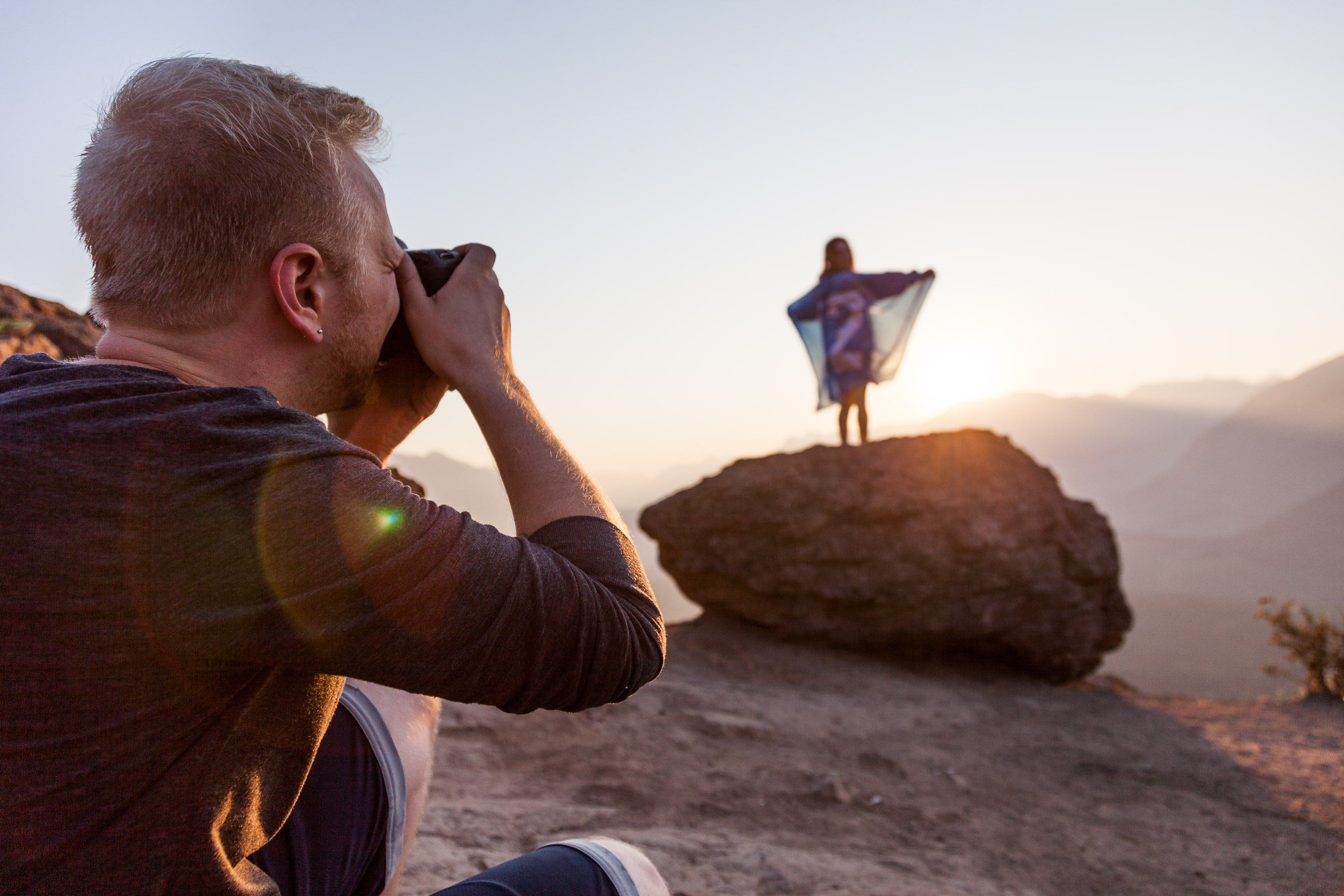
Building a professional portfolio is a crucial step in your photography career. It’s your visual resume, showcasing your skills and artistic style. A well-curated portfolio can open doors to new opportunities and help you stand out in a competitive field. But how do you create a portfolio that truly reflects your capabilities and attracts potential clients?
Selecting Your Best Work
Your portfolio should be a collection of your finest pieces, highlighting your unique perspective. Start by reviewing all your work and selecting images that have the strongest impact. Consider the feedback you’ve received from peers or mentors. These insights can guide you in choosing photos that resonate. Ask yourself: Which images tell a story or evoke emotion? Pick those that truly represent your style and vision.
Showcasing Versatility
Demonstrating versatility is key in photography. Clients often seek photographers who can adapt to different scenarios and styles. Include a variety of subjects in your portfolio—portraits, landscapes, events, or abstract art. This diversity can show your ability to handle different lighting, settings, and moods. You might have a knack for capturing candid moments or composing striking architectural shots. Highlight these strengths to show you’re not just a one-trick pony.
Creating An Online Presence
Having an online portfolio is essential in the digital age. Platforms like Instagram, Behance, or your own website are great places to showcase your work. They allow you to reach a wider audience and engage with potential clients globally. Ensure your online portfolio is easy to navigate and visually appealing. Regularly update it with your latest projects and achievements. Think about the impression your online presence leaves. Does it invite viewers to linger and explore?
By focusing on these aspects, your portfolio becomes a powerful tool. It not only reflects your talent but also your dedication to the craft. Remember, it’s not just about the images you choose, but how they tell your story as a photographer. What narrative does your portfolio weave, and does it inspire others to see the world through your lens?
Networking And Collaboration
Building connections is crucial for budding photographers. Sharing ideas and collaborating with peers opens doors to creativity. Working with others enhances skills, bringing fresh perspectives to your work.
Networking and collaboration are crucial for anyone looking to succeed in the photography world. Building relationships with other photographers, engaging with clients, and joining photography communities can elevate your skills and open doors to new opportunities. Whether you’re just starting or are a seasoned professional, these connections can provide valuable support and insight.
Connecting With Other Photographers
Building connections with fellow photographers can be a game-changer. Attend local photography meetups or workshops to meet like-minded individuals. Sharing tips and experiences with others can enhance your skills and broaden your perspective. Consider reaching out to photographers whose work you admire. A simple message of appreciation can sometimes lead to a meaningful conversation. Would you be open to collaborating on a project or sharing your own expertise in return?
Engaging With Clients
Building strong relationships with clients is essential. Clear communication and understanding their needs can lead to repeat business and referrals. Always deliver on your promises and exceed their expectations. Encourage feedback and be open to constructive criticism. This shows clients you value their input and are committed to improving. When clients feel appreciated, they are more likely to recommend your services.
Joining Photography Communities
Becoming part of a photography community can provide immense support. Online forums, Facebook groups, and local clubs offer a platform to ask questions, share your work, and learn from others. Participating in these communities can also boost your visibility. Many photographers find opportunities through connections made in these groups. Are you ready to contribute and gain from shared experiences? By actively engaging in these areas, you can build a network that supports your growth and success in the photography industry. Your journey will be richer with the insights and experiences of those you connect with along the way.
Monetizing Your Skills
Photography can be more than a hobby. It can be a career. Turning your passion into profit is possible with the right strategies. Learn how to earn from your skills in this competitive field. Explore commercial opportunities, set fair prices, and protect your rights. These steps will guide you in monetizing your photography skills effectively.
Exploring Commercial Opportunities
Commercial photography offers diverse earning paths. Capture events like weddings or corporate functions. Showcase your talent in advertising or product photography. Social media influencers often need professional photos. Reach out to local businesses needing fresh content. Each project enhances your portfolio and opens new doors.
Pricing Your Work
Pricing your work can be challenging. Understand market rates for your skill level. Consider your experience and time spent on a project. Factor in equipment costs and editing hours. Ensure your pricing reflects quality without undercharging. Transparent pricing builds trust with clients.
Handling Contracts And Copyrights
Contracts are vital in professional photography. They outline expectations and protect your interests. Use contracts to define project scope and payment terms. Copyrights ensure your work remains yours. License photos to clients with clear usage terms. This approach safeguards your creative rights and future income.
Staying Inspired And Motivated
Staying inspired and motivated is crucial for photographers at every stage of their journey. Whether you’re just starting or have years of experience, the spark of creativity can sometimes flicker. How do you keep it burning brightly? It’s about embracing new learning opportunities, challenging yourself creatively, and finding a balance between your passion and profession. Let’s dive into practical ways to stay inspired and motivated.
Continuing Education And Workshops
Photography is an ever-evolving field. New techniques and technologies emerge all the time. To stay inspired, consider attending workshops and classes regularly. These sessions not only update your skills but also expose you to different perspectives.
Imagine attending a workshop on drone photography. You might discover a whole new world above your head that reignites your passion for capturing landscapes. Many photographers find fresh inspiration by learning something unexpected.
Online courses are also a fantastic resource. Platforms like Udemy or Coursera offer a plethora of photography classes. Dive into topics that intrigue you or expand your expertise in areas you’re less familiar with. This continuous learning keeps your mind sharp and your creativity flowing.
Seeking Creative Challenges
Creative challenges can be a fantastic way to push boundaries. They force you to think outside the box and try new things. Have you ever considered joining a monthly photo challenge? Each month, you could focus on a specific theme or technique.
Participating in challenges with a community adds an extra layer of motivation. Sharing your work and receiving feedback can be incredibly rewarding. It also provides a sense of camaraderie that can fuel your passion.
Setting personal projects is another effective method. Maybe you want to capture portraits of people from different cultures. This project could not only refine your skills but also deepen your appreciation for diverse stories.
Balancing Passion With Profession
Photography is often a passion that evolves into a profession. Balancing the two can be tricky. How do you ensure that your passion doesn’t fade under professional pressures?
Setting boundaries between work and personal projects can help. Dedicate time to shoot just for yourself. These moments remind you why you fell in love with photography in the first place.
Reflect on your journey. Are there aspects of photography you’ve neglected because of work demands? Revisit them and find ways to incorporate them into your routine. This balance often leads to renewed motivation and inspiration.
So, what’s your next step in keeping the creative flame alive? Consider these strategies and take action. Your photography journey is unique, and staying inspired is all about finding what excites you.
Frequently Asked Questions
What Skills Are Essential For A Photographer?
To become a successful photographer, mastering technical skills is crucial. Understanding lighting, composition, and camera settings is essential. Creative vision and attention to detail also play significant roles. Practicing regularly and learning from experienced photographers can enhance these skills. Networking with industry professionals can also provide valuable insights and opportunities.
How Do I Start A Photography Portfolio?
Begin by curating your best work that showcases your style and skills. Choose a variety of subjects to demonstrate versatility. Use a professional platform to present your portfolio online. Regularly update it with new projects. Seek feedback from peers to refine your selection and presentation.
What Equipment Do I Need To Start Photography?
Starting with a basic DSLR or mirrorless camera is recommended. Invest in a versatile lens, such as a 50mm prime. A sturdy tripod is essential for stability. Consider a camera bag for protection and storage. As you progress, you can expand your gear based on your specific interests.
How Can I Find Photography Clients?
Building a strong online presence can attract clients. Use social media and a personal website to showcase your work. Networking with other photographers and attending industry events can lead to referrals. Offering promotional sessions or collaborating with local businesses can also help in finding clients.
Conclusion
Becoming a photographer is a rewarding journey. Start with a camera. Practice often. Capture what you love. Learn from mistakes and improve. Explore different styles and techniques. Share your work with others. Get feedback and grow. Keep learning through courses and tutorials.
Connect with fellow photographers. Stay inspired by visiting galleries or following photography blogs. Most importantly, enjoy the process. Photography is about expressing yourself. It’s about telling stories through images. With patience and passion, you’ll find success in this creative field.
Keep shooting and never stop exploring new perspectives. Your journey as a photographer awaits.