
How to Become a Paediatric First Aid Expert: A Step-by-Step Guide
Becoming a paediatric first aid expert is more than just acquiring a skill; it’s about empowering yourself to make a real difference in the lives of children. Imagine being the calm in the storm when a child is in distress, confidently providing the care they need.
This isn’t just a responsibility; it’s a chance to be a hero in moments that truly count. Whether you’re a parent, caregiver, or someone who simply wants to be prepared, learning paediatric first aid can give you peace of mind and the ability to act swiftly and effectively.
You’ll discover the steps to become proficient in paediatric first aid, ensuring you’re ready to handle emergencies with ease and confidence. Dive in and unlock the potential to protect and save young lives.
Understanding Paediatric First Aid
Understanding paediatric first aid is crucial for anyone working with children. It equips you with the skills to handle emergencies. You can make a difference in a child’s life. Being prepared is the first step to ensuring children’s safety. The knowledge can empower you to take prompt action. Let’s explore what paediatric first aid entails and why it’s essential.
Recognizing The Importance Of Paediatric First Aid
Children are naturally curious and adventurous. They often face minor accidents. Knowing paediatric first aid helps manage these situations. It ensures quick response to injuries or illnesses. Understanding this can prevent conditions from worsening. It also provides peace of mind to parents and caregivers.
Basic Principles Of Paediatric First Aid
The first principle is always to stay calm. Panic can worsen any situation. Assess the scene for any dangers. Ensure it’s safe for both you and the child. Check for responsiveness by gently tapping the child. Call emergency services if the child is unresponsive. Follow the ABC rule: Airway, Breathing, and Circulation. These steps are foundational in paediatric first aid.
Handling Common Paediatric Emergencies
Common emergencies include choking, cuts, and falls. For choking, use back blows and abdominal thrusts. For cuts, clean the wound and apply pressure to stop bleeding. Falls may result in head injuries. Keep the child still and seek medical attention. Always monitor the child’s condition until help arrives.
Building Confidence Through Paediatric First Aid Training
Training provides practical knowledge and boosts confidence. It prepares you to handle real-life emergencies. Courses offer hands-on experience and expert guidance. You learn to use first aid kits effectively. Completing a training course can also certify your skills. Certification might be a requirement in various childcare settings.

Essential Skills And Knowledge
Becoming proficient in pediatric first aid is crucial for ensuring children’s safety. Essential skills and knowledge are vital for handling emergencies effectively. This involves understanding basic life support, recognizing common injuries, and managing pediatric emergencies. Each area requires specific training and practice.
Basic Life Support
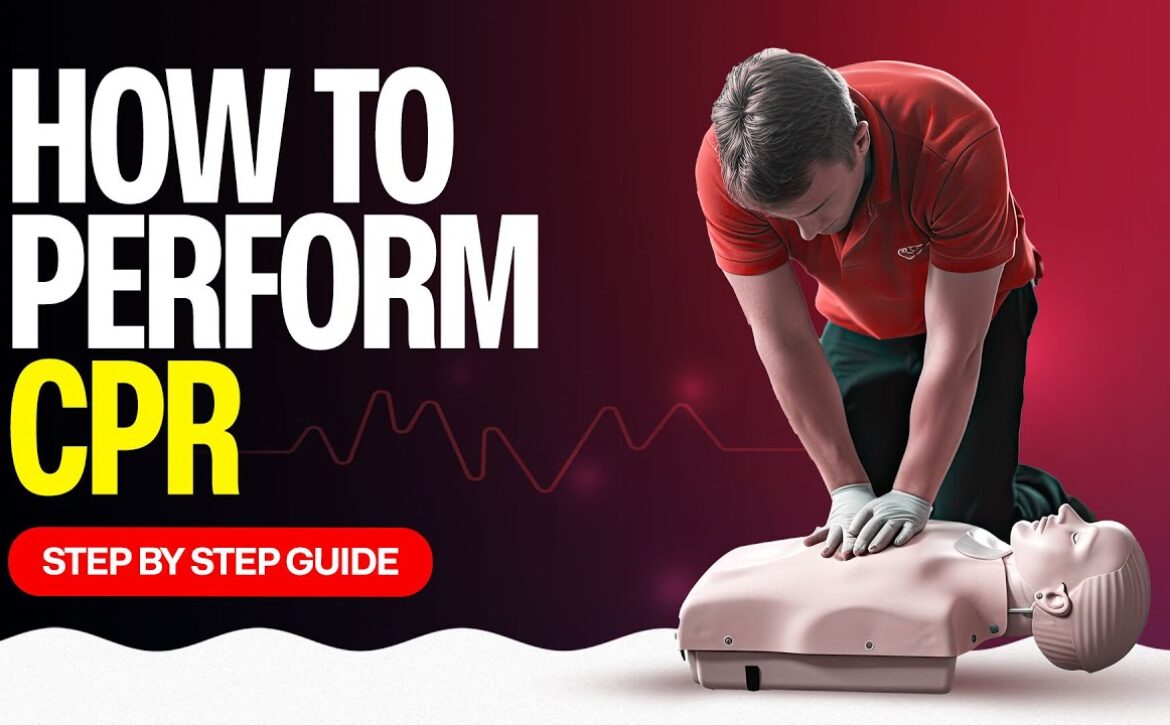
Basic Life Support (BLS) is fundamental in pediatric first aid. It includes CPR techniques for infants and children. Knowing how to check vital signs is crucial. Understanding how to clear airway obstructions is also important. These skills can save lives in critical situations.
Recognizing Common Injuries
Recognizing common injuries quickly can prevent complications. Bruises, cuts, and fractures are frequent in children. Knowing how to assess these injuries is essential. It helps in providing appropriate care promptly. Early recognition aids in effective treatment.
Managing Pediatric Emergencies
Managing pediatric emergencies requires calm and swift actions. Allergic reactions and asthma attacks are common. Being prepared to handle these situations is vital. Training helps in making fast, informed decisions. This ensures the child’s safety during emergencies.
Training And Certification
Training and certification are crucial for anyone interested in pediatric first aid. Understanding how to provide immediate care can save lives. This process involves selecting a suitable course, meeting certification requirements, and renewing credentials. Let’s explore each step in detail.
Choosing The Right Course
Finding the right course is essential. Look for programs that offer hands-on training. Ensure the instructors are experienced in pediatric care. Courses should cover basic life support, CPR, and dealing with choking. Check if they include real-life simulations. This helps reinforce learning.
Certification Requirements
Certification requirements vary. Usually, you need to complete a course successfully. Passing a final exam is often necessary. Some programs may include practical assessments. Be prepared for both written and practical tests. Verify if the certification is recognized nationally or internationally.
Renewal And Continuing Education
Certification renewal is important. Most certifications last two or three years. You need to stay updated with the latest practices. Continuing education helps with this. Many organizations offer refresher courses. These ensure your skills remain sharp. Keep track of renewal dates to avoid lapses.
Gaining Practical Experience
Becoming proficient in pediatric first aid requires more than just theoretical knowledge. The real world demands hands-on experience, where you can apply what you’ve learned in meaningful ways. Gaining practical experience is crucial to building your confidence and skills in real situations. Below are some key avenues to explore.
Volunteering Opportunities
Volunteering is a fantastic way to gain practical experience in pediatric first aid. It allows you to work in diverse environments, from schools to community centers. You might wonder, how can volunteering enhance your skills? It exposes you to real-world scenarios, helping you understand the unpredictability of emergencies.
Start by reaching out to local organizations that focus on children’s activities. Ask if they need volunteers for events or camps. You’ll have the chance to practice your skills and learn from experienced professionals. Plus, volunteering builds your network, opening doors to future opportunities.
Simulated Training
Simulated training offers a safe space to practice pediatric first aid without the pressure of real emergencies. Many training centers provide scenarios that mimic real-life situations, helping you understand what to expect. Have you ever thought about how simulations can prepare you for the unexpected?
Participate in workshops that use mannequins and role-playing exercises. These trainings help you refine your techniques and make quick decisions. The feedback you receive is invaluable, pinpointing areas for improvement.
Working With Children
Direct interaction with children enhances your understanding of pediatric first aid. It helps you learn how children react during emergencies, which is crucial for effective intervention. Are you ready to take this step?
Consider working part-time at a daycare or as a babysitter. This exposure allows you to observe children’s behaviors and health indicators closely. You become more attuned to signs of distress, which can be vital in emergencies.
Practical experience is essential for becoming a skilled pediatric first aid provider. Have you explored all the avenues to gain that experience? Whether through volunteering, simulated training, or direct interaction with children, each path offers unique insights and skills. Take action today to build your expertise and confidence.
Building A First Aid Kit
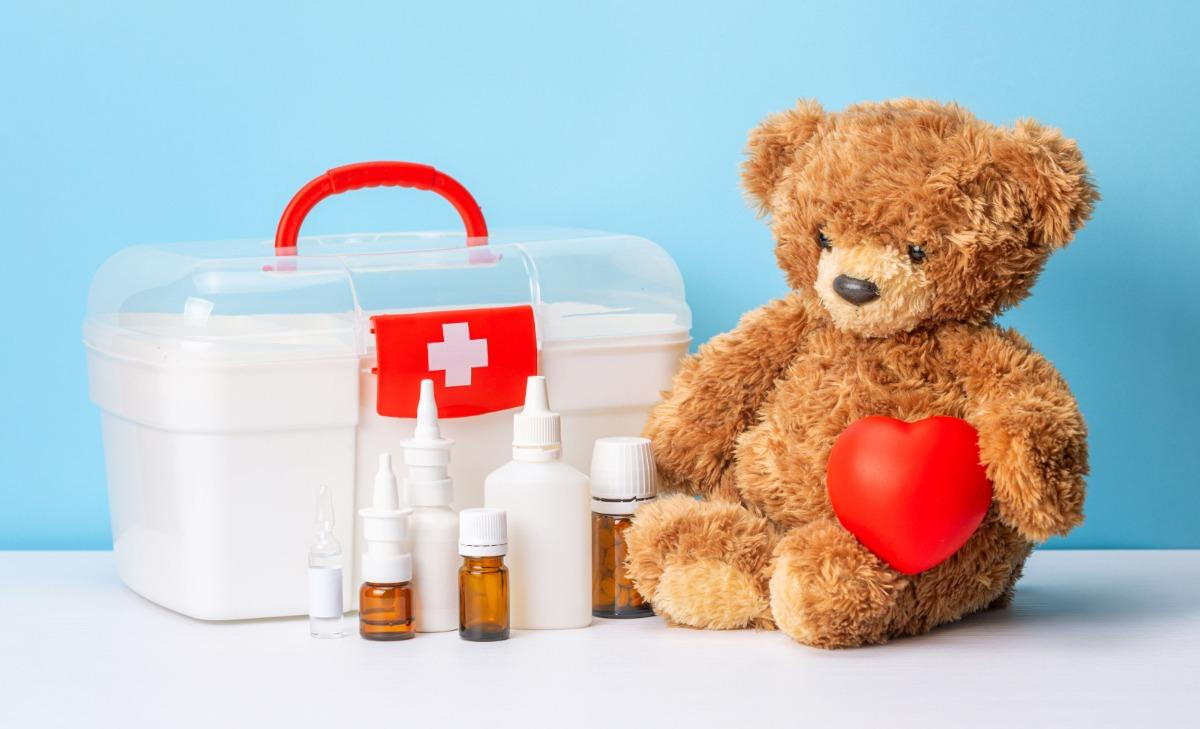
Building a first aid kit is essential for anyone involved in pediatric care. This kit ensures you’re prepared for any minor emergencies. It helps manage injuries effectively and provides peace of mind. A well-stocked kit is invaluable for treating minor cuts, scrapes, and bumps. It allows quick response, reducing anxiety and discomfort in children. Organizing your kit properly can make all the difference during urgent situations.
Essential Supplies
Stock your kit with crucial items for treating common injuries. Include adhesive bandages for covering cuts and scrapes. Antiseptic wipes help clean wounds and prevent infection. Sterile gauze pads and adhesive tape are necessary for larger injuries. Tweezers aid in removing splinters and debris. Consider adding a digital thermometer for checking fevers. Scissors are useful for cutting tape and gauze. Don’t forget gloves to maintain hygiene during treatment.
Kit Maintenance
Regularly check your kit to ensure supplies are fresh and intact. Replace expired medications to maintain effectiveness. Ensure bandages and wipes are in good condition. Restock items after use to always be prepared. Check batteries in devices like thermometers frequently. Keep your kit organized for easy access during emergencies. Label contents for quick identification and efficient use.
Customizing For Specific Needs
Tailor your kit based on the needs of the children you care for. Include allergy medications if your child has specific allergies. Add special ointments if recommended by a healthcare provider. Consider adding extra supplies for children with chronic conditions. Customize based on activities, like sports or outdoor events. Ensure your kit meets the unique requirements of your family. This personalization makes the kit more effective and reliable.
Staying Updated
Keeping up with the latest paediatric first aid techniques is crucial. Enroll in accredited courses regularly. Practice skills often to ensure readiness in emergencies. Stay informed through trusted online resources and community workshops.
Staying updated is crucial for anyone aspiring to be a pediatric first aid expert. Knowledge evolves. The medical field constantly updates guidelines. New research influences protocols. Professionals must stay informed. Continuous learning ensures effective care. It prepares you for unexpected situations. Let’s explore ways to stay updated and enhance your skills.
Latest Guidelines And Protocols
Medical guidelines change frequently. New studies provide fresh insights. Staying informed is essential. Regularly review trusted medical sources. Follow updates from organizations like the Red Cross. They offer reliable information. Online platforms also help. Subscribe to newsletters focused on first aid. This keeps you informed about recent changes. Adaptability in first aid techniques is crucial. It ensures the best care for children.
Participating In Workshops
Workshops offer practical experience. They provide hands-on training. Experts share real-life scenarios. Workshops help refine your skills. Attend local and online events. They cover various topics. Pediatric first aid workshops focus on child-specific emergencies. They teach CPR techniques. Interactive sessions improve understanding. You learn by doing. Workshops also offer networking opportunities. Connect with like-minded individuals. Learn from their experiences.
Joining Professional Networks
Networking expands your knowledge. Professional networks offer valuable resources. Join groups focused on pediatric first aid. Engage in discussions. Share experiences and learn from peers. Online forums are useful. They provide a platform for exchanging ideas. Attend conferences related to child health. Meet professionals from different fields. Networking keeps you informed about industry trends. It enhances your understanding of pediatric emergencies.
Teaching And Sharing Knowledge
Becoming a pediatric first aid expert involves learning essential skills to care for children in emergencies. Training programs focus on CPR, treating wounds, and recognizing common childhood illnesses. These courses empower individuals to confidently handle critical situations, ensuring the safety and well-being of young ones.
Teaching and sharing your knowledge in pediatric first aid is a rewarding way to make a real difference. As you master the skills, there’s a unique opportunity to empower others with life-saving capabilities. By spreading your expertise, you not only enhance your community’s safety but also solidify your own understanding through teaching.
Conducting Workshops
Organizing workshops is an excellent way to share your pediatric first aid knowledge. Start small, perhaps with a group of parents or caregivers in your local area. Use interactive activities to keep participants engaged and make the learning process enjoyable. Encourage questions and discussions. This approach not only clarifies doubts but also builds confidence among attendees. Remember, your goal is to make them feel prepared and capable. Consider partnering with local schools or community centers. These venues often welcome educational workshops and can provide a ready audience eager to learn.
Creating Informative Materials
Developing clear and concise materials can greatly enhance your teaching efforts. Think about creating simple handouts or guides that summarize the key points of your sessions. Use visuals to make the information more digestible. Infographics and diagrams can be particularly effective in illustrating complex concepts. Offer digital versions of your materials. This way, participants can easily revisit and share the information, extending your reach beyond the initial workshop.
Engaging With The Community
Engaging with your community is about building relationships. Attend local events and introduce yourself as a resource for pediatric first aid education. Host free informational sessions at public libraries or community centers to raise awareness. These sessions not only spread knowledge but also help you connect with people who might benefit from a more in-depth workshop. Consider creating a social media presence. Share tips, answer questions, and post updates about upcoming workshops. This can help maintain a continuous dialogue with your audience and attract new participants. By actively involving yourself in the community, you position yourself as a go-to expert, enhancing both your credibility and the impact of your teaching.
Frequently Asked Questions
What Is Pediatric First Aid?
Pediatric first aid refers to the immediate care given to infants and children in emergencies. It covers handling injuries, illnesses, and accidents. Knowing pediatric first aid can make a difference in critical situations, ensuring children receive timely and appropriate care until professional help arrives.
Why Is Pediatric First Aid Important?
Pediatric first aid is crucial for ensuring children’s safety and well-being. It equips caregivers with skills to manage emergencies effectively. Immediate and appropriate response can prevent further harm, reduce recovery time, and even save lives. Understanding pediatric first aid boosts confidence in handling unforeseen situations involving children.
How Do I Get Certified In Pediatric First Aid?
To get certified in pediatric first aid, enroll in an accredited course. Many organizations offer online and in-person training. Courses typically cover CPR, handling injuries, and managing medical emergencies for children. After completing the training, you’ll receive a certification, which may require renewal every few years.
What Skills Are Taught In Pediatric First Aid?
Pediatric first aid courses teach essential skills for handling children’s emergencies. These include CPR, managing choking, treating wounds, and recognizing signs of illness. The training also covers dealing with allergic reactions, fractures, and burns. These skills ensure caregivers can provide immediate and effective care when needed.
Conclusion
Becoming a pediatric first aid expert is rewarding and vital. You gain skills to save children’s lives in emergencies. Start by taking a certified course. Practice regularly to keep your skills sharp. Stay updated with the latest techniques. Confidence grows with experience.
Remember, your knowledge makes a difference. Helping children in need is fulfilling. Anyone can learn with dedication and patience. Ready to start your journey? Take the first step today. Equip yourself with life-saving skills. Make a positive impact in your community.
Your journey in pediatric first aid awaits.