

How to Become a Dog Health Care Expert: Ultimate Guide
Imagine having the ability to ensure your furry friend lives a long, happy, and healthy life. As a dog lover, you know how much joy these loyal companions bring into your daily routine.
But what if you could take a step further and become your dog’s ultimate health care expert? You’ll discover practical tips and insights that will empower you to understand and manage your dog’s health like a pro. Whether it’s knowing the signs of common ailments or understanding the importance of nutrition, you’ll be equipped with the knowledge that could make all the difference in your pup’s well-being.
Dive in to unlock the secrets to becoming the health advocate your dog deserves and give them the vibrant life they bring to you every day.

Understanding Canine Physiology
Exploring canine physiology helps in providing effective dog health care. Understanding their body systems is key to ensuring well-being. Aspiring dog health experts should study anatomy, nutrition, and behavior for comprehensive care.
Understanding canine physiology is essential if you’re passionate about becoming a dog health care expert. By grasping how a dog’s body functions, you can provide better care and make informed decisions about their well-being. This knowledge empowers you to notice subtle signs of health issues before they become serious problems.
Understanding The Canine Digestive System
The canine digestive system is unique, and knowing its intricacies can help you manage your dog’s diet more effectively. Dogs have a relatively short digestive tract, which means they digest food quickly. This is why they might need more frequent meals compared to other animals. Think about how your dog responds to different foods. Have you noticed them being sluggish after certain meals? Understanding their digestive process can guide you in choosing the best diet to keep them energetic and healthy.
The Importance Of Canine Cardiovascular Health
A healthy heart is crucial for your dog’s overall well-being. The canine heart pumps blood throughout the body, delivering essential nutrients and oxygen. Regular exercise is vital to maintain a strong cardiovascular system. Consider incorporating activities like brisk walks or fetch games into your routine. These not only strengthen your dog’s heart but also improve their mood and behavior. Are you ensuring your dog gets enough heart-healthy exercise?
Exploring The Canine Nervous System
The nervous system in dogs controls everything from movement to perception. It’s essential for coordinating their actions and responding to their environment. Understanding this system can help you identify behavioral changes that may signal underlying health issues. Observe your dog’s reactions to stimuli like sounds or new environments. Changes in their response can indicate stress or neurological issues. Are you attentive to these subtle signs in your pet?
Recognizing The Role Of The Canine Immune System
A robust immune system is your dog’s first line of defense against disease. It protects them from infections and helps them recover from illnesses. Vaccinations and a balanced diet are key to supporting a healthy immune system. Have you updated your dog’s vaccinations recently? Ensuring they receive the necessary shots can prevent serious diseases and keep them healthy. What steps are you taking to boost your dog’s immune health? Understanding canine physiology not only strengthens your bond with your pet but also equips you with the knowledge to act promptly when their health is at risk. With this understanding, you’re better prepared to provide the best care possible. What actions will you take today to deepen your understanding of your dog’s health needs?
Essential Canine Nutrition
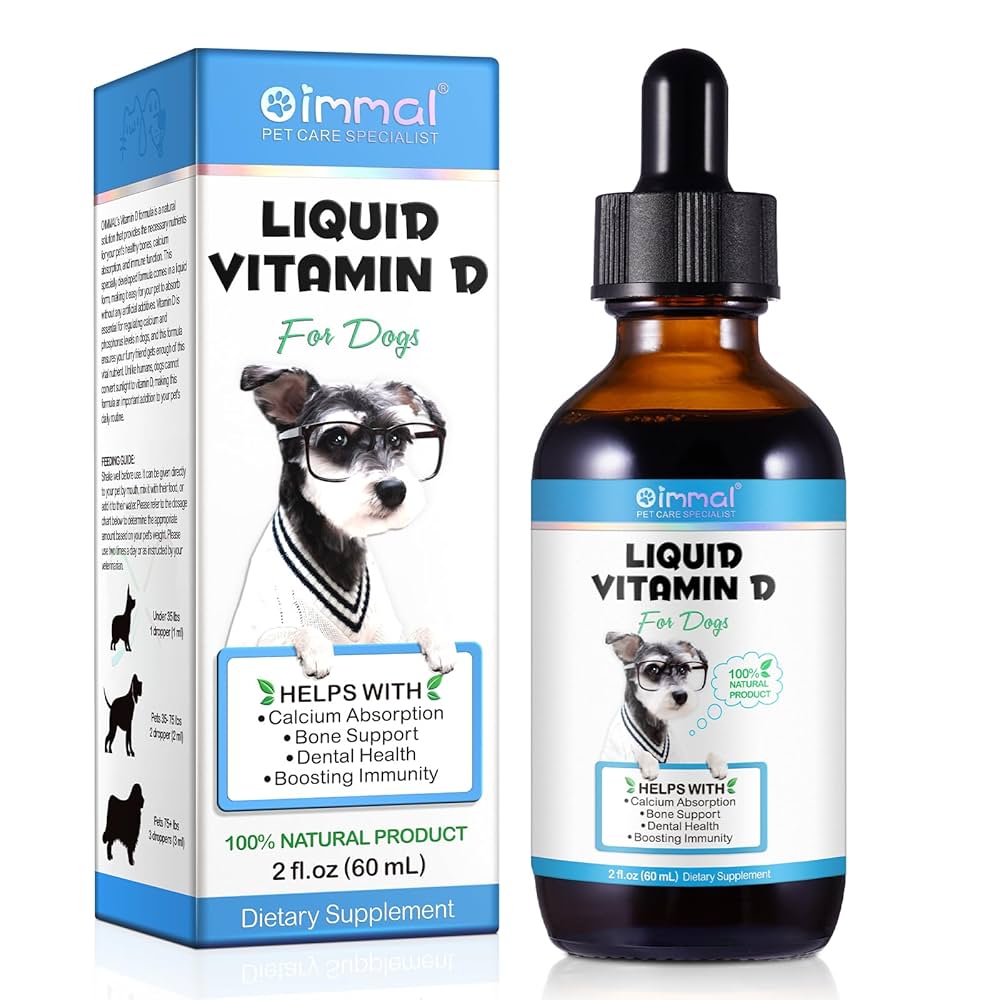
Understanding canine nutrition is vital for those aspiring to care for dog health. A balanced diet supports energy, growth, and overall well-being. Learn the essentials to ensure your furry friend thrives.
Understanding what goes into your dog’s bowl can significantly impact their overall health and happiness. Essential Canine Nutrition is a topic that every dog owner should grasp. Knowing what nutrients your dog needs is crucial for maintaining their well-being. This section will explore the balanced components of a canine diet and their common dietary needs.
Balanced Diet Components
A balanced diet is key to keeping your dog healthy and energetic. Proteins, carbohydrates, fats, vitamins, and minerals are the primary components. Proteins are essential for muscle growth and repair. Look for high-quality sources like chicken, beef, or fish. Carbohydrates provide energy, and options like rice or sweet potatoes are excellent choices. Healthy fats support skin and coat health. Consider adding sources like fish oil or flaxseed. Vitamins and minerals play various roles in your dog’s body, from bone health to immune support. Fruits and vegetables are great natural sources. Have you checked your dog’s food label recently? Understanding these components can help you make informed choices.
Common Dietary Needs
Dogs, much like humans, have specific dietary needs that change with age, size, and activity level. Puppies require more calories and nutrients than adult dogs to support their rapid growth. Senior dogs might need fewer calories but more fiber to help with digestion. Consider low-calorie yet nutrient-dense options. Active breeds often require a higher protein intake. If your dog loves running, ensure their diet supports their lifestyle. Sometimes, specific health conditions demand dietary adjustments. If your dog has allergies, you might need to opt for hypoallergenic foods. Have you ever wondered if your dog’s diet matches their needs? It’s crucial to tailor their meals accordingly. By focusing on essential canine nutrition, you can significantly improve your dog’s quality of life. Keep these insights in mind, and you’ll be well on your way to a happier, healthier pup.
Recognizing Common Health Issues
Recognizing common health issues in dogs is crucial for any pet owner wanting to ensure their furry friend lives a long, healthy life. Dogs can’t express themselves verbally, so it’s up to you to notice the subtle signs that something might be wrong. Learning to identify these signals and understanding preventive measures can make all the difference in your dog’s well-being.
Signs Of Illness
Is your dog acting differently? Changes in behavior can be the first hint of a health problem. Look for symptoms like lethargy, excessive thirst, or unusual aggression. These can signal illness.
Physical signs are also important. Pay attention to vomiting, diarrhea, or coughing. These symptoms can indicate anything from a minor infection to a more serious condition.
Trust your instincts. You know your dog better than anyone. If something feels off, it’s better to consult a vet sooner rather than later.
Preventive Measures
Preventing health issues starts with regular check-ups. Schedule routine vet visits to catch potential problems early. Your vet can offer personalized advice based on your dog’s breed and age.
Nutrition plays a vital role in your dog’s health. Provide a balanced diet that meets their specific needs. This can prevent obesity and reduce the risk of diabetes.
Exercise is another key factor. Keep your dog active to maintain a healthy weight and improve cardiovascular health. Why not make it fun? Try new activities like agility courses or hiking.
What steps are you taking to ensure your dog’s health? Consider these measures and see where you might improve.
First Aid For Dogs
Dogs are a source of joy and companionship. Sometimes, they face unexpected health issues. Knowing how to provide first aid can save a life. First aid for dogs is essential in emergencies. It ensures the dog’s safety and comfort. Understanding basic first aid helps in critical situations. Let’s explore key aspects of first aid for dogs.
Handling Emergencies
Emergencies can happen anytime. Stay calm and assess the situation. Observe the dog’s breathing and consciousness. If the dog is bleeding, apply pressure to the wound. This stops or slows the bleeding. If the dog is choking, gently open its mouth. Check for objects and remove them carefully. Be cautious to avoid injury.
In case of broken bones, keep the dog still. This prevents further damage. Try not to move the injured area. If the dog is unconscious, check its pulse and breathing. Perform CPR if needed. Always call a vet in emergencies. Professional help is crucial for serious injuries.
Basic First Aid Kit
A first aid kit is vital for dog care. It contains essential items for emergencies. Include gauze pads for wounds and bandages for wrapping. Adhesive tape secures bandages in place. Hydrogen peroxide cleans minor cuts. Tweezers help remove splinters or debris.
Include a digital thermometer to check body temperature. A muzzle can prevent bites in stressful situations. Saline eye wash cleans dirt from eyes. Having a blanket keeps the dog warm. Scissors can cut bandages or gauze if needed. Keep a list of emergency contacts in the kit. This includes the vet’s number and nearby clinics.
Holistic Health Approaches
Holistic health approaches offer a comprehensive way to improve your dog’s wellbeing, focusing on the whole pet rather than just symptoms. These methods emphasize natural and alternative treatments, aiming for balance and harmony in your dog’s life. As a dog health care enthusiast, you can explore these approaches to ensure your furry friend lives a happy, healthy life.
Natural Remedies
Natural remedies can be a great addition to your dog’s health care routine. Consider using ingredients from your kitchen like ginger or turmeric to support digestion and reduce inflammation. Both herbs are known for their soothing properties, making them a safe choice for your pet.
Herbal teas such as chamomile can calm an anxious dog. Just like humans, dogs can benefit from the relaxing effects of a warm cup of chamomile tea. Remember to consult your vet before introducing any new remedy to ensure it’s safe for your dog’s specific needs.
A friend once shared how coconut oil transformed her dog’s coat from dull to shiny. It’s rich in healthy fats that can boost skin health and add shine to fur. Small additions like this can make a big difference over time.
Alternative Therapies
Alternative therapies can complement traditional veterinary care. Acupuncture is gaining popularity among pet owners for its ability to alleviate chronic pain and improve mobility. Dogs with arthritis often show remarkable improvement after a few sessions.
Massage therapy is another option to consider. It can relieve tension, improve circulation, and enhance your dog’s overall mood. You don’t need to be an expert; gentle stroking and kneading can make your dog feel more relaxed and loved.
Have you ever thought about energy healing for your dog? Some pet owners swear by Reiki, an energy healing technique that promotes calmness and healing. While scientific evidence is limited, many find their dogs respond positively to the soothing presence of a practitioner.
Could these holistic approaches be the missing piece in your dog’s health care puzzle? As you explore these options, observe your dog’s reactions and adjust according to their needs. Your pet’s health journey is unique, and these approaches offer you the chance to tailor care specifically to them.
Dog Fitness And Exercise
Dog fitness and exercise play a crucial role in maintaining a healthy lifestyle for your furry friend. Regular physical activity ensures a dog’s body stays strong and healthy. It also helps to control weight and prevent obesity-related issues. Exercise not only keeps muscles and joints in good shape but also boosts mood and energy levels. A well-exercised dog is happier and less likely to develop behavioral problems.
Exercise Routines
Finding the right exercise routine is key to keeping your dog fit. Start with daily walks. They help burn energy and reduce boredom. Gradually increase the length and pace. Try jogging or hiking if your dog enjoys it. Always check their comfort level and adjust as needed. Swimming is great for dogs who love water. It’s gentle on joints and offers a full-body workout. Consider playing fetch in a safe area. This not only provides physical activity but also strengthens your bond.
Mental Stimulation
Mental stimulation is as important as physical exercise. It keeps your dog’s mind sharp and engaged. Puzzle toys are a fun option. They challenge your dog to think and solve problems. Training sessions also work wonders. Teach new commands or tricks regularly. This enhances focus and attention span. Interactive games like hide and seek are beneficial. They encourage your dog to use their sense of smell and tracking skills. Rotate toys often to keep their interest alive.
Building A Career In Dog Health
Pursuing a career in dog health involves understanding canine anatomy and common health issues. Gain knowledge through courses and hands-on experience. Practical skills and compassion play key roles in providing effective care for dogs.
Building a career in dog health is a rewarding journey that combines passion and professionalism. Whether you’re drawn to veterinary medicine or holistic pet care, this path offers numerous opportunities to make a difference in the lives of dogs and their owners. How do you transform your love for dogs into a fulfilling career?
Certifications And Courses
To start, obtaining relevant certifications and taking specialized courses is crucial. Many organizations, such as the American Veterinary Medical Association (AVMA), offer programs that provide foundational knowledge in animal care. Consider enrolling in courses that cover dog nutrition, behavioral training, and emergency first aid. These not only enhance your skills but also make your resume stand out to potential employers. Online platforms like Coursera and Udemy offer flexible learning options that you can pursue alongside your current job or education. Have you checked if your local community college offers any relevant workshops?
Networking With Professionals
Networking plays a vital role in building your career in dog health. Connect with veterinarians, pet nutritionists, and dog trainers at local events or online forums. These connections can provide valuable insights and job opportunities. Attend industry seminars, workshops, and dog shows to meet like-minded professionals. These events often have speakers who share the latest trends and techniques in dog health care. Have you ever thought about the impact a single conversation at such an event could have on your career? Join social media groups dedicated to dog health and participate in discussions. Sharing your knowledge and learning from others can open doors to mentorship and collaboration. What steps can you take today to expand your professional network?
Staying Updated With Industry Trends
Keeping up with dog health care trends helps you offer the best for your pet. Follow trusted veterinary websites and join online forums. Attend pet health seminars for new insights.
Staying updated with industry trends is crucial if you aim to excel in dog health care. The world of veterinary science is ever-evolving, with new discoveries and technologies constantly reshaping how we care for our furry friends. By keeping abreast of the latest research and technological advancements, you can ensure the best possible care for dogs, whether you’re a seasoned professional or just starting your journey.
Latest Research
The field of dog health care is supported by a robust foundation of scientific research. New studies frequently shed light on everything from nutrition to disease prevention. Staying informed about these findings can significantly enhance your ability to provide effective care. Consider subscribing to reputable veterinary journals or online databases. These sources offer insights that can directly impact your approach to dog health. For instance, recent research on canine diet has highlighted the benefits of certain supplements, which could improve the well-being of your pets. Networking with experts in the field can also be invaluable. Attending seminars or joining online forums allows you to discuss the latest research with peers. This exchange of ideas often leads to practical applications that can be immediately implemented.
Technological Advancements
Technology is transforming how we care for dogs. From smart collars that monitor health metrics to advanced diagnostic tools, these innovations are game-changers in the industry. Imagine being able to track a dog’s activity levels and vitals in real time. Smart devices now make this possible, allowing you to detect potential health issues early. Embracing these tools can lead to more proactive and preventive care strategies. Additionally, advancements in telemedicine are expanding access to veterinary expertise. Virtual consultations mean that even those in remote areas can receive quality advice and support. This democratization of care ensures that every dog has access to the best possible health resources. Staying updated with these trends not only enhances your skills but also demonstrates a commitment to excellence. Are you ready to embrace the future of dog health care?
Frequently Asked Questions
What Skills Are Needed For Dog Health Care?
To excel in dog health care, you need strong communication skills, empathy, and attention to detail. Understanding canine anatomy and behavior is crucial. Familiarity with basic veterinary practices and nutrition is also essential. Continuous learning and staying updated with new health care techniques are vital.
How Do You Start A Career In Dog Health Care?
Begin by pursuing relevant education in veterinary science or animal care. Volunteering at animal shelters offers practical experience. Certifications in pet first aid can be beneficial. Networking with professionals in the field can provide insights and job opportunities. Consider internships for hands-on learning.
What Are Common Dog Health Care Certifications?
Common certifications include Certified Veterinary Technician (CVT), Animal Care Technician, and Pet First Aid/CPR. These certifications enhance your knowledge and credibility. They often require passing specific exams and continuing education. Check local regulations for additional certification requirements in your area.
How Do You Stay Updated On Dog Health Trends?
Stay informed by subscribing to veterinary journals and attending workshops or webinars. Joining professional organizations can provide access to the latest research. Following reputable online sources and forums can also keep you updated on current trends and innovations in dog health care.
Conclusion
Embarking on a journey to become a dog health care expert is rewarding. You learn about nutrition, exercise, and recognizing signs of illness. This knowledge helps you support your furry friend’s well-being. Building strong connections with pet professionals is crucial.
They guide you and offer valuable insights. Always stay updated on latest pet care practices. Your dedication ensures your dog lives a happy, healthy life. Remember, every step taken enriches the bond you share. Your commitment makes a difference. Keep learning, stay passionate, and enjoy each moment with your beloved companion.