
How to Become a Diploma in Operations Management: Expert Guide
Do you dream of mastering the art of efficiently running a business? Operations management is the heartbeat of every successful organization, ensuring everything runs smoothly and effectively.
Imagine having the skills to streamline processes, boost productivity, and enhance customer satisfaction. A diploma in operations management can open doors to these exciting opportunities. You might be wondering how to get started on this path and what steps you need to take.
We’ll guide you through the entire process, breaking it down into simple, actionable steps. Discover how you can transform your career and become an indispensable asset to any company. Stay with us, and let’s explore how you can achieve this rewarding qualification and elevate your professional life.

Role Of Operations Management
Operations management involves overseeing production and business processes. To earn a diploma, study areas like supply chain, quality control, and project management. Develop skills in problem-solving and leadership to efficiently manage resources and improve productivity.
Operations management is the backbone of any successful business. It involves planning, organizing, and supervising processes to ensure efficiency and effectiveness. Imagine being the person who makes sure that products are made and delivered on time, every time. That’s the essence of operations management. Whether you’re managing a small café or a large manufacturing plant, your role is crucial in keeping things running smoothly. Let’s explore what operations management entails and how you can become an expert in this field.
What Does An Operations Manager Do?
An operations manager oversees the production of goods and services. Your job is to ensure that the business operates efficiently by managing staff, optimizing processes, and maintaining quality control. You could find yourself coordinating between departments, managing budgets, and implementing new strategies to improve productivity.
Key Responsibilities In Operations Management
As an operations manager, you wear many hats. You might be tasked with analyzing workflow, ensuring resources are used effectively, and resolving any issues that arise. Your decisions directly impact the bottom line, so attention to detail and strategic thinking are crucial.
Skills Needed For Success
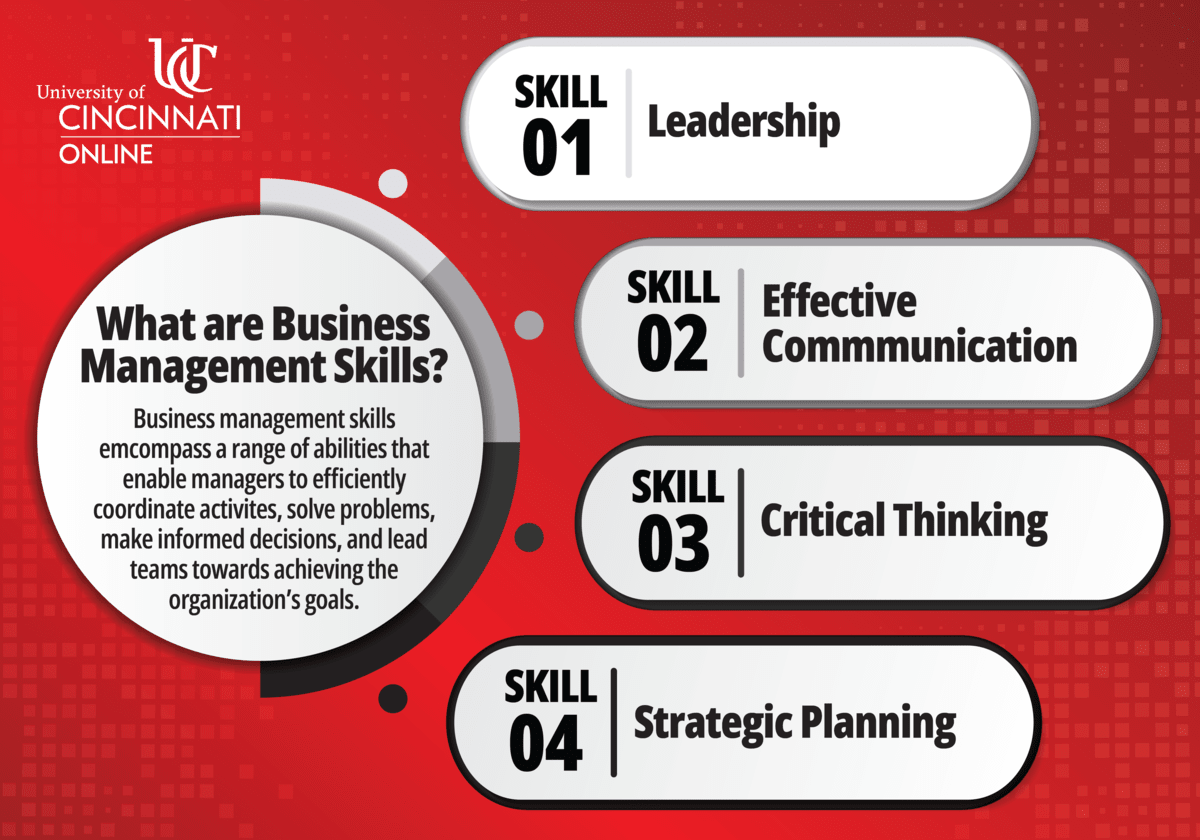
Operations management requires a unique skill set. Strong analytical skills help you interpret data and make informed decisions. Leadership skills are essential as you’ll lead teams and manage conflicts. Being adaptable and having a knack for problem-solving can make you stand out.
Why Pursue A Diploma In Operations Management?
Earning a diploma in operations management can open doors to various industries. It equips you with the knowledge and skills needed to improve business processes. You’ll learn about supply chain management, quality control, and project management, which are vital in today’s competitive market.
Steps To Achieve Your Diploma
Start by researching accredited institutions that offer this diploma. Look for programs that provide a balance of theory and practical experience. Consider online options if you need flexibility. Plan your study schedule around your commitments. Engage with peers and instructors, and apply your learning in real-world scenarios whenever possible.
Real-world Applications Of Operations Management
Imagine walking into a store and finding everything in its place, or ordering a product online and receiving it promptly. This efficiency is often thanks to operations management. It ensures businesses meet customer expectations and operate within budget constraints.
Challenges And Rewards
Operations management can be demanding, especially in fast-paced environments. However, the satisfaction of solving complex problems and improving processes is rewarding. Your efforts can lead to tangible results, boosting company performance and customer satisfaction.
Is Operations Management Right For You?
Consider your interests and strengths. Are you good at multitasking? Do you enjoy problem-solving and working with others? If so, a career in operations management could be a fulfilling path. Think about how you can impact a company’s success and the satisfaction that comes from achieving business goals. Are you ready to take on the challenge?
Essential Skills For Success
Pursuing a diploma in operations management requires a strong skill set. These skills ensure you thrive in a fast-paced environment. They help you make informed decisions. Below are some key skills you need to succeed.
Analytical Thinking
Analytical thinking is a crucial skill in operations management. It involves examining data to draw insights. This skill helps in making strategic decisions. It aids in evaluating processes for improvement. Strong analytical skills can lead to better efficiency.
Effective Communication
Communication skills are vital in operations management. You must convey ideas clearly. This includes both writing and speaking. Good communication fosters teamwork. It ensures everyone understands their roles. Clear instructions lead to successful projects.
Problem-solving Abilities
Operations management often involves tackling challenges. Problem-solving skills are essential. They help identify issues quickly. These skills enable you to find effective solutions. Being resourceful and creative is key. Strong problem-solving abilities can set you apart.
Educational Pathways
Choosing the right educational pathway is crucial for aspiring operations managers. With the right qualifications, you can open doors to various career opportunities. There are different pathways to earn a diploma in operations management. Each pathway offers unique advantages, catering to different learning preferences and needs.
Diploma Programs
Diploma programs provide a comprehensive understanding of operations management. They cover essential topics like supply chain management and business processes. These programs often include practical experiences. This hands-on approach helps students apply their knowledge in real-world situations. Many institutions offer these programs with flexible schedules. This allows learners to balance studies with other commitments.
Certification Courses
Certification courses are a popular choice for those seeking specialized knowledge. These courses focus on specific areas of operations management. They are shorter than diploma programs but still valuable. Certification can enhance your resume and increase job prospects. Many organizations recognize these certifications as proof of expertise. This makes them a worthwhile investment for career advancement.
Online Learning Options
Online learning offers a convenient way to study operations management. It allows students to learn from anywhere, at any time. Online courses range from full diploma programs to short certifications. They are designed to fit different learning styles and schedules. Interactive modules and virtual classrooms make learning engaging. This flexibility is ideal for working professionals or those with busy lives.

Key Subjects Covered
Embarking on a diploma in operations management is a journey into the heart of business efficiency. This diploma covers a range of subjects that equip you with the skills needed to streamline processes and enhance productivity. Let’s dive into the key subjects covered, shedding light on why they’re essential for your success in operations management.
Supply Chain Management
Supply chain management is a crucial part of operations management. It deals with the flow of goods and services from production to delivery. Imagine you’re in charge of ensuring a product gets from the factory to the customer without a hitch. This subject teaches you how to manage inventory, logistics, and partnerships effectively. Picture yourself learning the art of balancing costs while meeting customer demands. It’s like being the conductor of a vast orchestra, ensuring each component plays its part flawlessly.
Quality Control
Quality control is all about maintaining standards. It’s the science of ensuring products meet specific requirements before reaching the consumer. You learn techniques for testing and improving quality. Consider the satisfaction of knowing your product stands out for its reliability and excellence. This subject helps you master the tools and methods to prevent errors and enhance customer satisfaction. Ask yourself, what would it mean for your career if you could guarantee top-notch quality every time?
Project Management Principles
Project management principles are the backbone of executing tasks efficiently. They provide you with the framework to plan, execute, and monitor projects. Imagine leading a project from start to finish, knowing each stage is under control. This subject teaches you how to set goals, allocate resources, and meet deadlines. You’re equipped to handle challenges and adapt plans as needed. Consider how mastering project management could transform your ability to deliver results consistently.
These subjects lay the foundation for a robust understanding of operations management. Each offers practical skills that directly impact your career. As you delve into them, think about how you can apply these insights to real-world scenarios. Are you ready to embrace these challenges and make a difference in your field?
Career Opportunities
Embarking on a journey with a Diploma in Operations Management opens the door to a myriad of career opportunities. With this qualification, you’ll find yourself at the heart of various industries, optimizing processes and improving efficiency. Let’s take a closer look at where this diploma can take you.
Manufacturing Sector
The manufacturing sector offers a dynamic environment for operations management graduates. You’ll be involved in streamlining production processes, ensuring quality control, and managing supply chains. Imagine being the key person who ensures that production lines run smoothly and products meet quality standards.
Your skills in resource management and process optimization will be highly valued. Companies are always looking for professionals who can reduce waste and improve productivity. Have you ever thought about how your decisions could impact a product’s journey from raw material to store shelf?
Service Industries
Service industries present another exciting avenue. Whether it’s healthcare, hospitality, or logistics, your ability to enhance service delivery will be crucial. Picture yourself developing systems that ensure patients receive timely care or guests experience seamless stays at hotels.
Your role may involve analyzing customer feedback to improve service offerings. This sector values your ability to adapt and innovate. How would you feel knowing you’re making a direct impact on customer satisfaction and business success?
Consultancy Roles
Consultancy roles offer a chance to work with diverse industries, bringing your expertise to various projects. You’ll analyze client operations, suggest improvements, and implement strategies for better efficiency. Think about the thrill of tackling unique challenges for different clients and industries.
This path allows you to be a problem solver and a strategic thinker. You’ll gain insights into multiple sectors, enhancing your adaptability and broadening your knowledge. Could you see yourself advising businesses on optimizing their operations for maximum impact?
Industry Trends To Watch
Staying updated with industry trends is crucial for success in operations management. The field is evolving rapidly, with new challenges and opportunities emerging. Understanding these trends can enhance your career prospects and operational strategies. Let’s explore some key trends shaping the industry.
Technological Advancements
Technology is transforming operations management in unprecedented ways. Automation is streamlining processes and reducing human error. Artificial intelligence is providing deeper insights into data analysis. This helps in making informed decisions quickly. Robotics are increasing efficiency in manufacturing and logistics. Staying current with these technologies is essential for operations managers.
Sustainability Practices
Sustainability is becoming a core focus in operations management. Companies are adopting eco-friendly practices to reduce environmental impact. This includes using renewable energy and minimizing waste. Sustainable supply chain management is gaining importance. Consumers are demanding more transparency and responsibility. Understanding these practices can set you apart in the job market.
Globalization Effects
Globalization is impacting operations management significantly. Businesses are expanding across borders, requiring efficient international logistics. This creates a need for understanding diverse markets and cultures. Global supply chains are more complex and interconnected. Managers must navigate regulatory differences and cultural nuances. Developing global strategies is vital for success in today’s market.
Networking And Professional Growth
Networking plays a key role in becoming a diploma holder in operations management. Building connections with industry experts opens doors to valuable insights and potential career opportunities. Engaging in professional growth activities like workshops and seminars enhances skills needed for success in operations management.
Networking is a crucial aspect of professional growth, especially for those pursuing a diploma in operations management. Building connections opens doors to job opportunities and enhances your learning experience. By engaging with industry professionals, you can gain insights that textbooks might not offer.
Industry Conferences
Attending industry conferences is a powerful way to network. These events gather experts, thought leaders, and peers from around the world. You can attend workshops, listen to panel discussions, and participate in Q&A sessions. Imagine meeting someone who is working on an innovative project you’re passionate about. That conversation could lead to a mentorship or collaboration. Don’t be afraid to introduce yourself and ask questions. Always carry business cards. They remain a simple yet effective tool for making connections. Follow up with a personalized email or LinkedIn request to solidify the relationship.
Online Forums
Online forums are a goldmine for networking. Platforms like LinkedIn and Reddit host communities dedicated to operations management. You can join groups, participate in discussions, and even start your own threads. You might ask, “How do these forums help me grow professionally?” Engaging in these conversations exposes you to diverse perspectives. It’s a chance to learn from seasoned professionals and share your insights too. Remember to be active, respectful, and helpful. A single meaningful interaction can lead to a lasting professional connection.
Professional Associations
Joining professional associations can significantly boost your career. Organizations such as the Association for Operations Management offer resources, certifications, and networking events tailored to your field. Membership often provides access to exclusive content. This could be webinars, industry reports, or newsletters that keep you informed about the latest trends. Consider volunteering for a committee or a local chapter. It’s an excellent way to meet like-minded professionals and demonstrate your commitment to the field. Incorporating networking into your professional life can feel daunting at first. But with each interaction, you build a stronger foundation for your career in operations management. What steps will you take to expand your professional network today?
Tips For Aspiring Professionals
Are you aspiring to earn a diploma in Operations Management? You’re likely wondering how to stand out and succeed in this competitive field. Building a strong foundation is essential, and there are several key strategies you can employ to enhance your prospects. Let’s dive into practical tips that can help you pave the way for a successful career in Operations Management.
Building A Strong Portfolio
One of the first steps is creating a portfolio that showcases your skills and accomplishments. Think about projects or assignments you’ve completed that highlight your ability to solve problems and optimize processes. Document these in a clear and concise manner.
A portfolio isn’t just about listing achievements—it’s about telling your story. What challenges did you face, and how did you overcome them? Use your experiences to demonstrate your growth and adaptability. Consider including visuals, such as charts or graphs, to make your portfolio more engaging.
Gaining Practical Experience
While theory is important, real-world experience is invaluable. Seek internships or part-time positions in operations roles. This hands-on experience allows you to apply theoretical knowledge in practical scenarios.
Don’t underestimate the value of volunteering or working on side projects. These opportunities can offer practical insights and help you build a network. What unique skills or perspectives can you bring to a team? Leverage these experiences to gain a competitive edge.
Continuing Education
Learning doesn’t stop once you’ve earned your diploma. Stay current with industry trends and technologies through workshops, online courses, and seminars. This ongoing education is crucial for keeping your skills relevant.
Consider joining professional associations related to operations management. Networking with peers can provide fresh insights and opportunities for growth. Are you ready to invest in your future by constantly updating your knowledge? Taking this proactive approach can make a significant difference.
Remember, the journey to becoming a successful Operations Manager is a marathon, not a sprint. Each step you take—building a portfolio, gaining experience, and continuing education—adds to your skill set and prepares you for a fulfilling career.
Frequently Asked Questions
What Is Operations Management Diploma?
An Operations Management Diploma equips you with skills to oversee production processes and enhance efficiency. It covers topics like supply chain management, quality control, and resource optimization. This diploma is ideal for those seeking leadership roles in manufacturing, logistics, and service industries.
How Long Does The Diploma Take?
Typically, a Diploma in Operations Management takes one to two years to complete. The duration may vary based on the institution and study mode. Some programs offer accelerated options or part-time study, providing flexibility to suit individual needs and schedules.
What Are The Admission Requirements?
Admission requirements usually include a high school diploma or equivalent. Some institutions may require prior coursework in business or related fields. Additionally, proficiency in math and English is often necessary. Check specific program prerequisites before applying to ensure eligibility.
What Careers Can I Pursue With This Diploma?
Graduates can pursue careers in logistics, production management, and supply chain coordination. The diploma opens doors to roles such as operations manager, quality assurance supervisor, and inventory planner. These positions are crucial in maintaining efficient business operations and improving overall productivity.
Conclusion
Gaining a diploma in operations management opens many career paths. This qualification equips you with valuable skills for the business world. You’ll learn to manage resources efficiently and solve problems effectively. The journey requires dedication and effort, but the rewards are worth it.
With this diploma, you become a vital part of any organization. Start your learning journey today, and transform your career prospects. Remember, every step brings you closer to success. Stay committed, stay focused, and embrace the opportunities ahead. Your future in operations management awaits.