

How to Become a Diploma in Leadership And Management: Guide
Are you passionate about making a difference in the lives of children and young people? Do you see yourself taking on a leadership role in residential childcare settings?
If the answer is yes, then pursuing a Diploma in Leadership and Management for Residential Childcare could be your next exciting step. This qualification not only equips you with the skills to lead effectively but also ensures you can create nurturing environments where children thrive.
Imagine having the confidence to transform challenges into opportunities and inspire your team with your vision and commitment. You’ll discover the essential steps to earn this diploma, unlocking your potential and setting you on a path to success. Dive in to find out how you can turn your passion into a rewarding career.
Why Choose Leadership And Management
Choosing a diploma in Leadership and Management for Residential Childcare is a significant step. It opens doors to meaningful careers. This field demands dedicated and compassionate leaders. Strong leadership ensures the best care for children in residential settings. It plays a crucial role in shaping the future of childcare.
Why Leadership And Management Matter
Leadership and management are vital in residential childcare. They ensure quality care and support for children. Leaders set the tone for a nurturing environment. They guide teams to achieve excellence. Effective management practices improve outcomes for children. They foster a safe, supportive space for growth and development.
Develop Essential Skills
A diploma equips you with key skills. You learn to communicate effectively with diverse groups. Problem-solving becomes second nature. You gain skills to manage teams and resources efficiently. This training prepares you for real-world challenges in childcare settings.
Enhance Your Career Prospects
This qualification boosts your career opportunities. Employers value skilled leaders in childcare settings. A diploma in Leadership and Management makes you a strong candidate. It sets you apart in the competitive job market.
Make A Positive Impact
Leadership in childcare is about making a difference. Your role impacts the lives of children. You help create a safe and nurturing environment. This positive influence shapes their futures. It is a rewarding career choice for those passionate about childcare.

Career Opportunities
Explore rewarding paths in residential childcare leadership. This diploma unlocks many career options. Each role has unique challenges and rewards.
Learn about the diverse opportunities available. Make a difference in children’s lives. Start your journey today.
Residential Childcare Manager
As a manager, oversee the daily operations of childcare facilities. Ensure safety and quality for all residents. Develop programs that meet children’s needs.
Lead a team of dedicated professionals. Collaborate with social workers and educators. Improve the overall environment for children.
Team Leader
Guide and support childcare staff. Promote teamwork and communication. Address staff concerns and resolve conflicts.
Ensure staff training and development. Implement policies and procedures effectively. Enhance the quality of care provided.
Childcare Supervisor
Monitor daily activities and interactions. Ensure compliance with regulations. Provide support and guidance to children.
Assess children’s needs and progress. Work closely with families and external agencies. Keep detailed records and reports.
Program Coordinator
Develop and manage programs for residents. Address educational and social needs. Foster a nurturing environment.
Coordinate with various stakeholders. Plan activities and events for children. Evaluate program effectiveness regularly.
Training Specialist
Design training sessions for childcare staff. Enhance skills and knowledge. Ensure staff are equipped to handle challenges.
Stay updated on best practices. Implement training programs effectively. Support staff development and growth.
Skills Required
Becoming a leader in residential childcare requires a unique set of skills. Understanding and honing these skills is crucial for effective management. Leaders must navigate complex situations and support vulnerable children. Let’s explore the essential skills needed for success.
Communication Skills
Effective communication is vital in residential childcare. A leader must convey ideas clearly to their team. They must also listen actively to understand concerns. Children need someone who can explain things simply. This builds trust and a sense of security.
Decision-making Abilities
Quick decision-making is often required in childcare settings. Leaders must assess situations rapidly and make informed choices. Good judgment is crucial in crisis situations. Decisions impact both the children and the team. Confidence in decision-making supports a positive environment.
Emotional Intelligence
Understanding emotions is key to managing relationships. Leaders must recognize their own emotions and those of others. Empathy helps connect with children and staff. Emotional intelligence fosters a supportive and nurturing atmosphere. It also aids in resolving conflicts effectively.
Strategic Planning
Strategic planning ensures long-term success in childcare. Leaders must set clear goals and develop actionable plans. Anticipating challenges helps in creating robust strategies. They must balance immediate needs with future goals. This skill is essential for sustainable growth.
Educational Pathways
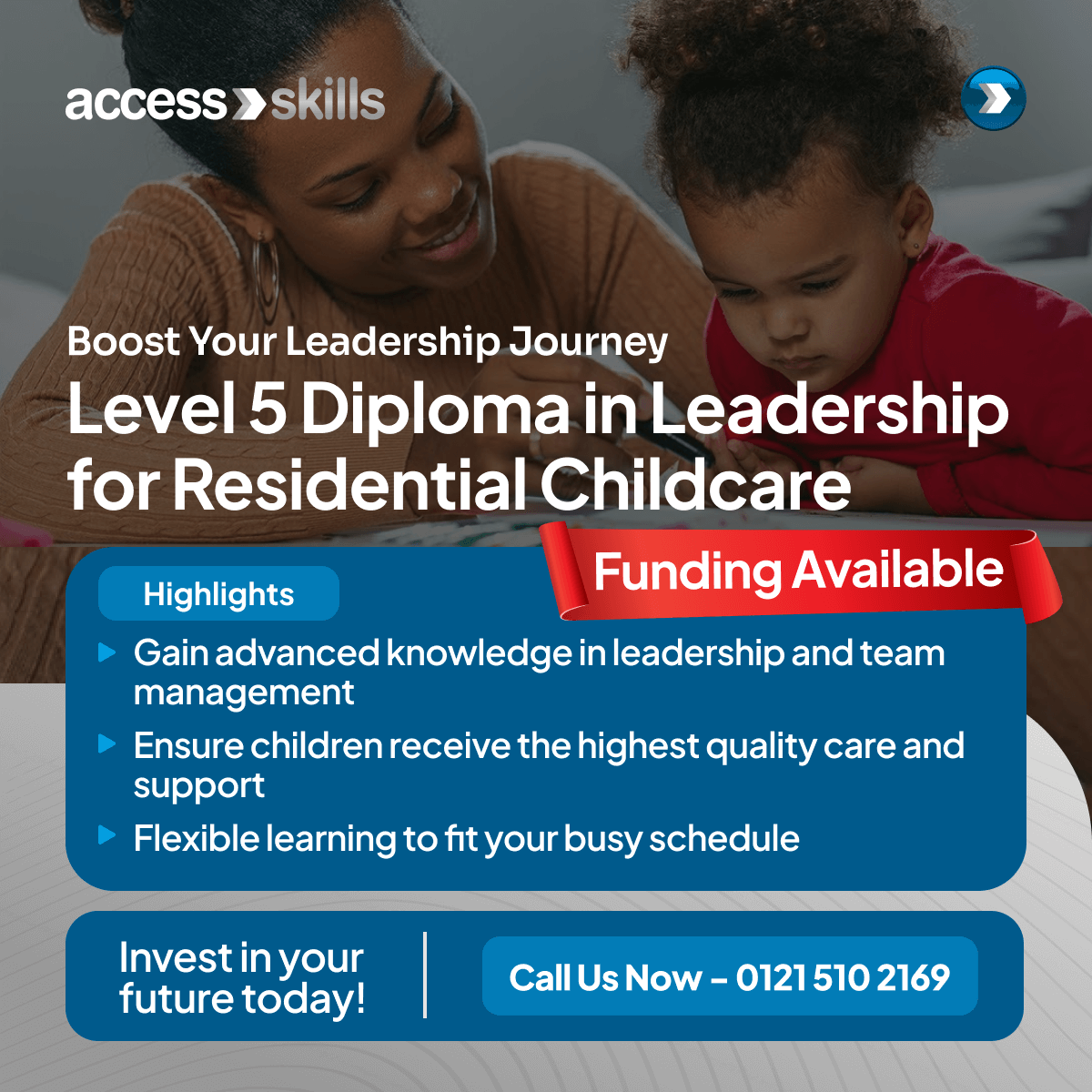
Embarking on a journey to obtain a Diploma in Leadership and Management for Residential Childcare is an exciting prospect. This educational pathway opens doors to a rewarding career dedicated to nurturing and guiding children in residential care settings. But how do you get started? Understanding the different educational routes available can help you make informed decisions that align with your goals and lifestyle.
Diploma Programs
Diploma programs in Leadership and Management for Residential Childcare provide comprehensive training tailored to the specific needs of children in residential settings. These programs cover topics such as child development, safeguarding, and effective leadership strategies.
Many institutions offer flexible schedules, including evening and weekend classes, to accommodate busy professionals. Look for programs that include hands-on experience, allowing you to apply what you learn in real-world situations. This practical approach enriches your understanding and prepares you for the challenges ahead.
Certification Options
Besides diplomas, certifications can enhance your skill set and boost your resume. Certifications often focus on specialized areas such as trauma-informed care or conflict resolution. They provide an excellent way to deepen your expertise and demonstrate your commitment to professional development.
Consider certifications that align with your interests and career aspirations. If you’re passionate about mental health advocacy, choose a certification that complements your diploma studies. This combination can make you a valuable asset in your field.
Online Vs. In-person Learning
Choosing between online and in-person learning is crucial. Online programs offer flexibility, letting you learn at your own pace and fit studies into your schedule. They are ideal if you have other commitments or prefer a self-directed approach.
In-person learning, on the other hand, provides direct interaction with instructors and peers, fostering a collaborative environment. If you thrive on group discussions and immediate feedback, traditional classroom settings might be your best bet. Which learning style suits you best? Consider your personal preferences and lifestyle needs.
Whether you opt for a diploma program, seek certifications, or choose between online and in-person learning, each pathway offers unique benefits. Your choice will shape your journey in residential childcare leadership. What steps will you take today to advance your career?
Choosing The Right Program
Choosing the right program to earn your diploma in Leadership and Management for Residential Childcare is crucial. It’s not just about getting a qualification but finding a program that truly prepares you for the challenges ahead. With the right program, you’ll gain the skills and confidence needed to make a real difference in the lives of children.
Accreditation
Ensure the program you select is accredited by a recognized body. Accreditation means the program meets certain standards of quality and rigor. This guarantees your qualification will be respected by employers, giving you an edge in the job market.
Research the accrediting organization. A credible accreditor will have a robust evaluation process. You want to be sure your education meets national benchmarks.
Curriculum Focus
Examine the curriculum closely. Does it cover essential topics like child development, safety protocols, and leadership strategies? A well-rounded curriculum should also include practical elements, like case studies or internships.
Think about your career goals. If you want to specialize in a certain area, check if the program offers courses that align with your interests. This could be crucial in shaping your future path.
Faculty Expertise
Look into the faculty’s background. Experienced teachers can offer invaluable insights and mentorship. Their real-world experience can bring lessons to life, making learning engaging and applicable.
Don’t hesitate to reach out to current or past students. Ask them about the faculty’s involvement and support. Knowing that your educators are truly invested in your success can be incredibly reassuring.
Student Support Services
Investigate the support services offered by the program. Adequate support can make a significant difference in your learning experience. Services like tutoring, mental health resources, and career counseling are important.
Consider how the program handles student inquiries and issues. A responsive and supportive administration can enhance your educational journey. You should feel confident that you’ll have the help you need when challenges arise.
Choosing the right program is about more than just ticking boxes. It’s about ensuring every aspect of your education contributes to your personal and professional growth. Are you ready to take the first step towards transforming children’s lives?
Application Process
Starting the application process involves gathering necessary documents and meeting eligibility criteria. Submit forms and complete required assessments. Follow instructions carefully to ensure successful enrollment in the Diploma in Leadership and Management for Residential Childcare program.
The application process for a Diploma in Leadership and Management for Residential Childcare is straightforward. Knowing the steps can ease the journey. This guide helps you navigate through the essential stages to apply successfully. From understanding eligibility to preparing for the interview, every detail matters.
Eligibility Criteria
Ensure you meet the eligibility criteria before applying. Generally, candidates need a high school diploma or equivalent. Some programs may require work experience in childcare settings. Check specific requirements for your chosen institution. Meeting these criteria is crucial for your application to be considered.
Required Documents
Gather all necessary documents for your application. A completed application form is essential. Include your educational certificates and proof of identity. A resume detailing your work experience can strengthen your application. Ensure all documents are clear and accurate to avoid delays.
Interview Preparation
Prepare thoroughly for the interview stage. Research common interview questions related to leadership in childcare. Practice your answers to demonstrate knowledge and enthusiasm. Highlight your experience and skills relevant to childcare management. Confidence and preparation can leave a positive impression.
Financing Your Studies
Embarking on a Diploma in Leadership and Management for Residential Childcare is a rewarding journey, but financing your studies can be a daunting task. You might wonder, “How can I manage the costs without breaking the bank?” Luckily, there are several avenues to explore that can ease the financial burden and help you focus on your learning. Let’s dive into some practical strategies to fund your education.
Scholarship Opportunities
Scholarships are a fantastic way to fund your studies. They can cover part or even all of your tuition fees. Search for organizations that offer scholarships specifically for childcare or leadership programs. Local community groups might also have funds available. Don’t overlook opportunities provided by the institution you’re applying to. Many colleges offer scholarships to attract students to their programs.
Applying for scholarships can be competitive, but it’s worth the effort. Craft compelling essays that highlight your passion for childcare and leadership. Share personal stories that demonstrate your commitment to making a difference. Have you ever volunteered with children or led a community initiative? These experiences can set you apart.
Financial Aid Options
Financial aid is another avenue to explore. Government grants or loans can help cover costs without the immediate financial strain. Investigate federal or state financial aid programs that support students in childcare education. Many programs offer low-interest loans or grants that don’t require repayment.
Contact the financial aid office at your chosen institution. They can guide you through the application process and help identify the best options for your situation. Have you ever thought about how a small loan could propel your career forward? Investing in your education can pay off in the long run.
Budgeting Tips
Effective budgeting is essential when financing your studies. Start by listing all your expenses and income sources. Include tuition, books, housing, and daily expenses. Creating a detailed budget gives you a clear picture of what you need and what you can afford.
Consider cutting unnecessary expenses. Could dining out be replaced with home-cooked meals? Small changes can add up and create savings you didn’t expect. Use budgeting apps to track your spending and stay on top of your finances. How much could you save by skipping your daily coffee shop visit?
Prioritize needs over wants. Focus on the essentials that support your studies and personal well-being. Have you ever considered sharing textbooks or commuting with a friend to save costs? Collaborative efforts can lighten the financial load.
By taking advantage of scholarships, financial aid, and smart budgeting, you can ease the financial pressures of pursuing a Diploma in Leadership and Management for Residential Childcare. Remember, your education is an investment in your future, and with the right planning, it can be more accessible than you think.
Building Experience
Aspiring leaders in residential childcare can pursue a Diploma in Leadership and Management. This course equips individuals with essential skills for effective leadership. It focuses on communication, decision-making, and managing diverse teams in childcare settings.
Building experience is a crucial step toward earning a Diploma in Leadership and Management for Residential Childcare. Gaining hands-on knowledge and skills can set you apart in this competitive field. Here’s how you can start building that vital experience today.
Internship Opportunities
Internships offer a practical way to immerse yourself in the field of residential childcare. They provide real-world experiences that classroom learning can’t match. Seek out internships at local childcare facilities or community organizations. Talk to your course advisor to help you find a position that aligns with your career goals. Be proactive and ask questions during your internship. What can you learn from the leaders around you?
Networking Strategies
Building a strong network can open doors you didn’t even know existed. Start by connecting with your peers and instructors. They can introduce you to professionals who can guide you on your career path. Attend workshops and seminars related to childcare and leadership. Engage with speakers and attendees by asking insightful questions. Could these connections lead to your next opportunity?
Volunteer Work
Volunteering not only adds experience but also shows your commitment to the field. Look for volunteer opportunities in local shelters, foster care programs, or community centers. Even a few hours a week can provide valuable insights into the challenges and rewards of residential childcare. Document your experiences and reflect on what you’ve learned. How does volunteering shape your understanding of leadership in childcare? Building experience takes time and effort, but each step brings you closer to becoming a leader in residential childcare. Are you ready to take the next step?
Advancing Your Career
Advancing your career in the field of Residential Childcare with a Diploma in Leadership and Management is a rewarding journey. You’re not just enhancing your qualifications, you’re shaping the future of child welfare. Let’s dive into how you can take practical steps to move forward in this vital field.
Continuing Education
Education doesn’t stop after earning your diploma. Consider enrolling in specialized courses or workshops that focus on child psychology and trauma-informed care. These programs can provide deeper insights and equip you with the latest strategies to support children effectively.
Online platforms offer flexible learning opportunities. Look for courses that suit your schedule and cater to your specific interests. Always aim to update your knowledge base; it’s a powerful tool in career advancement.
Have you thought about joining study groups or forums? Connecting with peers in your field can offer fresh perspectives and motivate you to learn continuously.
Professional Development
Professional development is key to advancing in leadership roles. Actively seek feedback from colleagues and mentors to identify areas for improvement. Constructive criticism can be a catalyst for growth.
Attend conferences and seminars whenever possible. They are excellent avenues for networking and gaining new insights into child care practices. You’ll meet industry leaders and forge connections that could open doors for your career.
Consider volunteering for committees or projects within your organization. This shows initiative and can help build your leadership skills in real-world situations.
Leadership Roles
Taking on leadership roles requires both confidence and competence. Start by leading small teams or projects to build your experience. Gradually, you can take on larger responsibilities.
Focus on developing your communication skills. As a leader, how you convey information and motivate your team is crucial. Effective communication can make a significant difference in how your team performs.
Reflect on your personal experiences in childcare. How have they shaped your approach to leadership? Use these insights to guide your decisions and inspire others. Are you ready to step up and lead with purpose?
Frequently Asked Questions
What Is A Diploma In Leadership And Management?
A Diploma in Leadership and Management for Residential Childcare is a qualification that prepares individuals to effectively manage and lead childcare environments. It equips learners with skills in communication, decision-making, and leadership specific to residential childcare settings, ensuring the safety and well-being of children.
How Long Does The Diploma Take To Complete?
The completion time for the Diploma in Leadership and Management typically ranges from 12 to 24 months. This duration depends on the learning pace and study mode, whether full-time or part-time. Flexible learning options are often available to accommodate different schedules.
Who Can Enroll In This Diploma Program?
The diploma program is suitable for those working or aspiring to work in residential childcare. It is ideal for individuals in supervisory or managerial roles who wish to enhance their leadership skills and knowledge in managing residential childcare environments effectively.
What Career Opportunities Does This Diploma Offer?
Upon completing the diploma, graduates can pursue various roles in residential childcare settings. Career opportunities include positions like residential childcare manager, team leader, or supervisor. These roles involve overseeing childcare operations, ensuring quality care, and leading teams within residential settings.
Conclusion
Achieving a diploma in leadership and management opens many doors. It builds skills needed for residential childcare. This path requires dedication and patience. Start with a clear plan and set goals. Learn at your own pace. Stay committed and practice regularly.
Over time, your confidence will grow. You’ll gain valuable insights and experience. Support from peers and mentors helps too. Keep learning and evolving in this field. A rewarding career awaits those who persevere. Embrace the journey and make a positive impact on young lives.
Your efforts will shape the future in meaningful ways.