
How to Become a Construction Site Management Course Expert
Are you ready to elevate your career in the construction industry? Imagine being the person who ensures every brick is in place, every schedule is on track, and every safety measure is upheld.
That’s the power of a construction site manager. But how do you get there? The answer lies in the right training. A construction site management course can be your ticket to mastering the skills you need to lead projects with confidence and precision.
In this guide, you’ll discover the steps to enroll in a course that can transform your career. Whether you’re starting from scratch or looking to enhance your existing skills, this article will equip you with the knowledge to make informed decisions. Get ready to unlock opportunities that will not only boost your expertise but also increase your earning potential. Let’s delve into how you can make your mark in this dynamic field.
Course Selection
Selecting the right construction site management course is crucial. The right course shapes your future career. A well-chosen program provides essential skills and knowledge. It prepares you for real-world challenges in construction management. Explore the options carefully to make an informed decision.
Identifying Accredited Programs
Choose programs recognized by industry bodies. Accreditation ensures quality and relevance. It confirms the course meets industry standards. Verify the program’s accreditation status. Use online resources or contact industry professionals for advice.
Evaluating Curriculum Content
Review the course curriculum thoroughly. Ensure it covers key topics like project management, safety, and regulations. Look for courses that include practical training. Practical experience is essential for a successful career. Choose a program that balances theory and practice.
Online Vs. In-person Learning
Decide between online and in-person classes. Online learning offers flexibility and convenience. In-person classes provide hands-on experience and networking opportunities. Consider your schedule and learning style. Choose the format that best suits your needs.
Skill Development
Skill development is crucial in construction site management. It shapes your ability to handle diverse challenges. Acquiring skills can enhance your career prospects and efficiency. Let’s explore key skills required in this field.
Technical Skills
Technical skills form the backbone of construction management. Understanding architectural plans and construction technology is vital. Knowledge of building codes and regulations ensures compliance. Familiarity with project management software aids in efficient planning. These skills help in executing projects smoothly.
Leadership And Management Skills
Leadership skills inspire your team. Effective communication fosters a harmonious work environment. Time management skills ensure project deadlines are met. Delegating tasks wisely boosts productivity. Strong leadership drives successful project outcomes.
Problem-solving Techniques
Problem-solving is essential in construction management. Quick thinking resolves unexpected challenges. Analytical skills aid in finding the best solutions. Flexibility is important in adapting to changes. Cultivating these techniques leads to efficient problem resolution.
Industry Knowledge
Industry knowledge is vital for anyone aspiring to manage a construction site. It’s the foundation of effective management practices. Understanding regulations, materials, equipment, and project planning is crucial. These elements ensure safety, efficiency, and success in construction projects.
Understanding Regulations
Regulations govern every aspect of construction. They ensure safety and compliance. Managers must know local, state, and federal rules. This knowledge prevents legal issues. It also protects workers and the environment.
Regular updates are essential. Construction laws change frequently. Staying informed keeps projects aligned with current standards. This knowledge builds trust with stakeholders.
Materials And Equipment Familiarity
Materials and equipment are the backbone of construction. A manager must understand their properties and uses. This includes knowing the best materials for specific tasks. Proper equipment handling ensures efficiency.
Familiarity reduces waste and cost. It also improves project timelines. Mastering this knowledge enhances decision-making. It enables managers to choose the right tools for the job.
Project Planning Essentials
Planning is the blueprint for success. It involves setting clear goals and timelines. Managers must coordinate various tasks effectively. This ensures smooth project progression.
Budgeting is a key aspect. Accurate cost estimation is crucial. It prevents financial overruns. Strong planning skills lead to successful project completion. They also enhance client satisfaction.
Certifications And Credentials
Embarking on a journey to become a construction site manager is an exciting venture. But, how do you stand out in the competitive construction industry? Certifications and credentials are your key. They not only enhance your skills but also demonstrate your commitment to professionalism. This section will guide you through recognized certifications, continuing education opportunities, and professional associations.
Recognized Certifications
Certifications are the golden ticket in the construction world. They prove your expertise and open doors to better job opportunities. The Construction Management Association of America (CMAA) offers the Certified Construction Manager (CCM) credential, which is highly respected.
Another popular choice is the Project Management Professional (PMP) certification from the Project Management Institute (PMI). This credential is recognized globally and showcases your ability to lead and direct projects.
Imagine the confidence you’ll feel when presenting your qualifications to potential employers. These certifications could be the difference between landing your dream job or missing the mark.
Continuing Education Opportunities
Learning never stops in construction management. Continuing education keeps you sharp and ready to tackle new challenges. Many universities offer online courses tailored to construction management, such as those from Columbia University or Purdue University.
You can also find workshops and seminars through industry organizations. These events provide invaluable insights and hands-on experiences. They help you stay updated on the latest trends and technologies.
Are you curious about the latest green building techniques or digital tools revolutionizing construction management? Continuing education allows you to explore these exciting areas while enhancing your skills.
Professional Associations
Joining a professional association connects you with a network of industry leaders. The Associated General Contractors of America (AGC) and the National Association of Home Builders (NAHB) are great places to start.
These associations offer resources like job boards, industry news, and networking events. They provide a platform for sharing experiences and learning from others. Being part of a professional community can boost your career and expand your horizons.
Have you ever thought about how building strong professional relationships could impact your career growth? Associations create opportunities for mentorship, collaboration, and career advancement. Don’t miss out on these invaluable connections.
Practical Experience
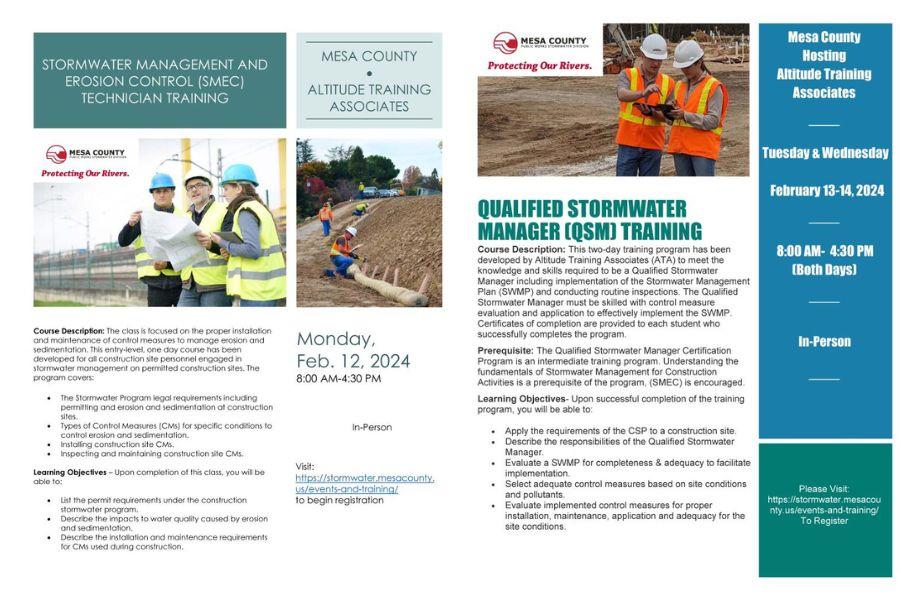
Explore hands-on learning in construction site management courses. Gain real-world skills for efficient project oversight. Practical experience prepares you for leadership roles on site.
In the world of construction site management, theoretical knowledge is essential, but nothing beats practical experience. It bridges the gap between classroom learning and real-world application. Gaining hands-on experience not only enhances your skills but also boosts your confidence in managing complex construction projects. Let’s dive into how you can gain this valuable practical experience through various avenues.
Internships And Apprenticeships
Internships and apprenticeships offer a golden opportunity to learn on the job. They allow you to apply what you’ve learned in the classroom to real-life situations. Consider these as your stepping stones to a successful career in construction site management. During an internship, you might shadow a seasoned project manager, absorbing knowledge like a sponge. This is your chance to ask questions, observe decision-making processes, and understand the daily challenges of the role. Apprenticeships, on the other hand, often last longer than internships and provide a more in-depth learning experience. You get to work on actual projects, giving you a front-row seat to the intricacies of construction site management.
On-site Job Training
On-site job training is where the classroom meets the construction site. You gain insights into the nitty-gritty of managing a site efficiently. This type of training is invaluable, as it puts you in the middle of the action. During on-site training, you might be tasked with supervising a small team or managing inventory. These responsibilities help you develop critical thinking and problem-solving skills, which are crucial in this field. You’ll also learn how to handle unexpected issues—like equipment failures or weather disruptions—teaching you to stay calm under pressure. Have you ever wondered how seasoned managers make quick decisions? On-site training is your chance to find out.
Mentorship And Networking
Finding a mentor can accelerate your learning curve. A mentor can provide guidance, share their experiences, and offer advice on navigating your career path. This relationship can be one of the most rewarding aspects of your professional journey. Networking is equally important. Attend industry events, workshops, and seminars to meet professionals in the field. Building a strong network can open doors to new opportunities and keep you updated on industry trends. Don’t underestimate the power of a simple conversation. You never know when a casual chat with a professional can lead to your next big break in construction site management. What steps will you take to start building your network today? By focusing on these practical experiences, you can transform your theoretical knowledge into real-world skills, paving the way for a successful career in construction site management.
Staying Updated
Staying updated in construction site management is crucial. The industry evolves rapidly. Managers must keep pace with changes. This includes trends, technology, and regulations. Regular learning is essential. This ensures efficiency and safety on site.
Industry Trends
Construction trends shift often. Sustainability is gaining focus. Green building methods are popular. Managers need to know these trends. They influence project decisions. Sustainable practices reduce costs. They also enhance environmental benefits.
Technological Advancements
Technology in construction is advancing. Drones help with site surveys. BIM software improves planning and visualization. Managers must learn these tools. Technology increases accuracy and efficiency. It minimizes errors and delays.
Regulatory Changes
Regulations affect construction operations. Building codes update regularly. Safety standards evolve. Managers must stay informed on these changes. Compliance ensures safety. It avoids legal issues and fines.
Frequently Asked Questions
What Qualifications Are Needed For Site Management?
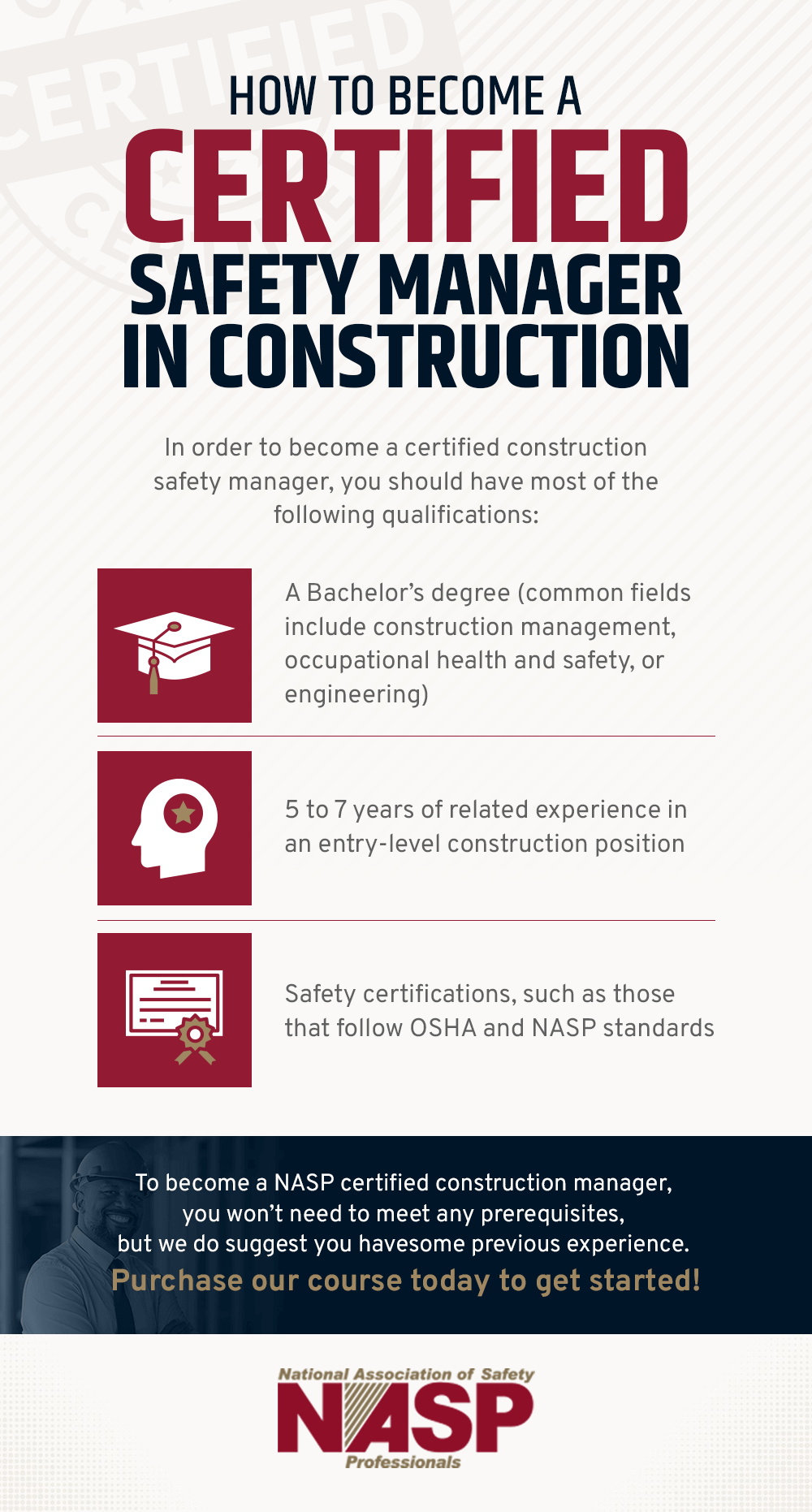
To become a construction site manager, you typically need a degree in construction management or civil engineering. Experience in construction projects is highly beneficial. Some courses offer certifications that enhance your credentials. Specialized training in safety regulations and project management can also improve your qualifications and job prospects in this field.
How Long Does It Take To Complete The Course?
The duration of a construction site management course varies. Short courses may last a few weeks, while comprehensive programs can take up to two years. Part-time and online options are available, allowing flexibility in learning. Always check the course details for specific time commitments and learning formats.
Are Online Construction Management Courses Effective?
Yes, online courses can be effective for learning construction management. They offer flexibility and access to a wide range of resources. Many online programs include interactive modules and real-world case studies. Ensure the course is accredited and offers support from industry professionals to maximize its effectiveness.
What Skills Are Taught In These Courses?
Construction site management courses teach essential skills like project planning, safety regulations, and team leadership. You will learn budgeting, resource allocation, and conflict resolution. The courses often include training in software used in construction management. These skills are crucial for managing projects efficiently and safely.
Conclusion
Becoming a construction site manager takes effort and learning. Start by finding a good course. Focus on practical skills and real-world knowledge. These courses build your confidence and understanding. Networking with industry professionals helps, too. Stay updated with the latest trends and technologies.
Practice what you learn. Real experience makes a difference. Keep pushing yourself to grow in your career. With dedication, you’ll succeed as a construction site manager. Remember, each step you take brings you closer to your goal. Stay committed and keep learning every day.
Your future in construction management looks bright!