How to Become a Certificate in Counselling Skills: Step-by-Step Guide
Are you looking to make a difference in people’s lives? Do you have a natural ability to listen and empathize?
If so, gaining a Certificate in Counselling Skills might be your perfect next step. This valuable credential can open doors to a fulfilling career where you help individuals navigate their emotions and challenges. Imagine being equipped with the tools and techniques that allow you to provide genuine support to those in need.
With a Certificate in Counselling Skills, you can transform your innate talents into professional expertise. Discover how you can embark on this rewarding path, and learn the steps to achieve your certification. Keep reading to uncover the secrets to becoming a skilled counsellor and making a lasting impact on the world around you.

Choosing The Right Course
Explore courses that offer practical training in counselling skills. Look for programs with experienced instructors and real-world practice opportunities. Choose a course that fits your schedule and learning style, ensuring it covers essential topics like communication, empathy, and ethical guidelines.
Choosing the right course in counselling skills can set the foundation for your future career. It involves more than just finding a program that fits your schedule. You need to consider accreditation, course formats, and the balance between full-time and part-time learning. Accredited InstitutionsOpting for an accredited institution ensures that the course meets industry standards. Accreditation can enhance your resume and boost your confidence in the skills you acquire. Check if potential employers recognize the institution’s credentials. Would you trust a counselor who trained at a less reputable school? Course FormatsCourses come in various formats—online, in-person, or a blend of both. Online courses offer flexibility, letting you learn from the comfort of your home. However, in-person classes provide hands-on experience that can be crucial for practical skills. Reflect on your learning style. Do you thrive in a classroom or prefer the flexibility of online learning? Full-time vs. Part-timeDeciding between full-time and part-time study depends on your current commitments. Full-time courses may accelerate your entry into the workforce but require a significant time investment. Part-time courses offer a balanced approach, allowing you to manage work or family alongside your studies. Consider your lifestyle. Can you commit to full-time education, or is a part-time course more practical? Choosing the right course is a personal journey. Weigh your options carefully and imagine where each path might lead. Your future in counselling starts with this critical decision.
Prerequisites And Eligibility
Embarking on a journey to earn a certificate in counselling skills can be rewarding. Understanding the prerequisites and eligibility is essential. This ensures you meet the necessary criteria to enroll in a program. You’ll learn to support and guide individuals through challenging times.
Educational Background
A high school diploma is often the minimum requirement. Some programs may ask for further education, such as a degree in psychology or social work. This foundational knowledge aids in understanding human behavior and emotional challenges.
It’s important to check specific program requirements. They can vary depending on the institution. Ensure you have the necessary academic credentials before applying.
Personal Qualities
Empathy is a key trait for aspiring counselors. It allows you to connect deeply with clients. Active listening is another crucial skill. It helps in understanding clients’ concerns and building trust.
Patience is essential in counseling. Progress can be slow and requires persistent support. Strong communication skills are vital. They enable effective expression and understanding between counselor and client.
Applying For The Course
So, you’ve decided to embark on a journey to become certified in counseling skills. This decision marks the beginning of an exciting path toward personal growth and the ability to help others. But before you dive into the coursework, you need to tackle the application process. The steps you take now will set the foundation for your educational adventure. Let’s break down what you need to get started.
Application Process
Applying for a counseling skills course is straightforward, but attention to detail is key. First, research the institutions offering the certification. Each may have unique requirements or prerequisites. After selecting the right course, visit their website to find the application form.
Most applications are submitted online. Fill out the form accurately, ensuring every section is complete. Don’t rush this part—missing information can delay your acceptance. Once submitted, keep an eye on your email for any follow-up communication from the course provider.
Required Documents
Gathering your documents is a critical step. Typically, you’ll need proof of identity, previous educational certificates, and a personal statement. The personal statement is your chance to shine. Share your passion for counseling and your career goals.
Some institutions might ask for letters of recommendation. Reach out to people who can vouch for your skills and character. Give them enough time to write thoughtful letters. Preparing these documents in advance will save you from last-minute stress.
Deadlines To Consider
Deadlines are your worst enemy if overlooked. Mark the application deadline on your calendar as soon as you decide to apply. Late submissions are often not accepted, and you wouldn’t want to miss out because of a small oversight.
Additionally, check for deadlines related to financial aid or scholarships. These can significantly ease your financial burden. What would you do with a little extra support? Plan ahead and ensure all deadlines are met to keep your journey smooth.
Applying for a counseling skills course is the first step toward becoming a certified counselor. With a clear understanding of the application process, required documents, and deadlines, you’re well on your way to making a meaningful impact in the world of counseling.
Course Curriculum
The course curriculum in counselling skills is structured to provide foundational knowledge. It combines theory with practical experience. The program includes core subjects and hands-on training. Assessments are integrated to test your understanding.
Core Subjects
Core subjects cover essential counselling theories and practices. Learn about different counselling approaches. Gain insights into human psychology and behavior. Explore communication techniques that enhance counselling sessions. Understand the ethical issues in counselling. These subjects build a strong foundation for your skills.
Practical Training
Practical training is crucial in developing counselling skills. Engage in role-playing exercises to simulate real-life scenarios. Participate in workshops led by experienced professionals. Practice active listening and empathy. Develop confidence in handling diverse situations. This hands-on experience prepares you for real-world challenges.
Assessments And Exams
Assessments and exams measure your grasp of counselling concepts. Expect written tests and case study evaluations. Demonstrate your ability to apply knowledge in practical settings. Feedback from instructors helps improve your skills. Achieving a certificate requires passing these assessments.
Developing Essential Skills
Embarking on a journey to earn a certificate in counselling skills involves developing empathy and effective communication. Courses focus on listening techniques, ethical guidelines, and understanding human behavior. Practical sessions enhance your ability to support and guide individuals through emotional challenges.
Developing essential skills is a crucial step in becoming a certified counselor. These skills form the foundation of effective counseling and enable you to truly connect with and support those in need. Whether you are naturally empathetic or need to work on your listening abilities, honing these skills will greatly enhance your counseling journey.
Active Listening
Active listening is more than just hearing words; it involves fully engaging with the speaker and understanding their message. Imagine a friend sharing a personal story, and you nod along while scrolling through your phone. You might catch some words, but you miss the emotion and nuances. To practice active listening, maintain eye contact and show genuine interest. Reflect back what you’ve heard to ensure understanding. Simple acknowledgments, like nodding or saying “I see,” can make a big difference. This skill will help you build trust and rapport with clients.
Empathy Building
Empathy allows you to put yourself in someone else’s shoes and understand their feelings. This doesn’t mean you need to experience the same situation, but you should strive to comprehend their emotions. Have you ever felt truly understood by someone? It’s a powerful feeling. As a counselor, aim to offer that same understanding. Practice empathy by actively imagining how someone else feels and considering their perspective. Over time, this will become a natural part of your interactions.
Non-verbal Communication
Non-verbal cues can speak louder than words. Your body language, facial expressions, and tone of voice all contribute to the message you’re sending. Picture a counselor with crossed arms and a flat tone; it doesn’t exactly scream “I’m here for you.” Be mindful of your gestures and expressions. A warm smile or a gentle nod can reassure clients and make them feel at ease. Pay attention to the client’s non-verbal signals too. Are they leaning forward or avoiding eye contact? These clues can guide your approach and help you respond appropriately. Incorporating these essential skills into your practice can transform your effectiveness as a counselor. Which skill will you focus on developing first?
Gaining Practical Experience
Building a strong foundation in counselling requires hands-on experience. Theory alone can’t prepare you for real-world challenges. Practical experience helps bridge the gap between learning and applying. It develops your skills through real interactions. This experience boosts your confidence and competence.
Internships
Internships offer invaluable experience. They immerse you in a professional setting. You learn by observing experienced counsellors. You also get the chance to practice under their guidance. This setting offers a structured environment to hone your skills. Internships can be found in hospitals, schools, or community centers.
Volunteering Opportunities
Volunteering provides diverse experiences. It’s a chance to work with different communities. You can find opportunities in shelters, support groups, or non-profits. Volunteering helps you understand various client needs. It builds empathy and adaptability. These experiences enrich your practical knowledge.
Supervised Practice
Supervised practice is crucial for skill development. It involves working under a mentor’s guidance. This ensures you receive constructive feedback. It helps refine your techniques and approaches. Supervised practice is often part of training programs. It prepares you for independent counselling work.
Certification Process
Embarking on the journey to become certified in counselling skills can be both exciting and rewarding. Understanding the certification process is crucial for success. This journey not only validates your skills but also opens up new doors in your professional life. Let’s dive into the essential steps you need to take to achieve your certification.
Examination Details
To earn your counselling skills certification, you’ll need to pass a comprehensive examination. This test typically covers core topics such as communication techniques, ethical considerations, and psychological theories.
Preparing effectively can make a significant difference. Consider joining study groups or attending workshops for a more interactive learning experience. This approach not only enhances your understanding but also keeps you motivated.
Many candidates find practice exams helpful. They give you a sense of the types of questions that may appear and help you identify areas where you need improvement. Remember, the key is consistent study and practice.
Certification Bodies
Various certification bodies offer counselling skills credentials. Organizations such as the British Association for Counselling and Psychotherapy (BACP) and the National Counselling Society (NCS) are well-regarded.
Each body has specific requirements and standards. Research thoroughly to find the one that aligns with your career goals and values. Some bodies may also offer additional resources like networking events and professional workshops.
Choosing the right certification body can significantly impact your career trajectory. What are your long-term goals, and which body best supports those? Consider these questions carefully when making your decision.
Maintaining Certification
Getting certified is just the beginning; maintaining it is equally important. Most certification bodies require regular renewal, which often involves continuing education and professional development activities.
Participating in seminars, webinars, and online courses can help you stay updated with the latest practices and theories. Are you keeping track of your learning hours? This is often essential for renewal.
Staying engaged with the counselling community can also be beneficial. Networking with peers and attending conferences can provide fresh insights and opportunities for collaboration. How do you plan to keep your skills sharp? Your approach will be key to maintaining your certification effectively.
Career Opportunities
Exploring career opportunities after earning a Certificate in Counselling Skills can be exciting. This qualification opens doors to various roles in multiple settings. Each path offers unique rewards and challenges. Whether you aim to work in schools, healthcare, or private practice, the options are plentiful. Understanding where you might fit can help shape your career journey.
Work Settings
With a Certificate in Counselling Skills, you can work in diverse places. Schools often seek counsellors to support students’ mental health. Hospitals and clinics also hire counsellors to assist patients and families. Community centers can be a good fit for those wanting to help locals. Additionally, private practices allow more flexibility and personal client focus.
Potential Salaries
The salary for counselling roles varies by location and experience. Entry-level positions in schools and clinics might offer modest pay. As experience grows, salaries often increase. Those in private practice can set their own fees. This allows for potentially higher earnings. Researching local salary trends can provide a clearer picture.
Advancement Prospects
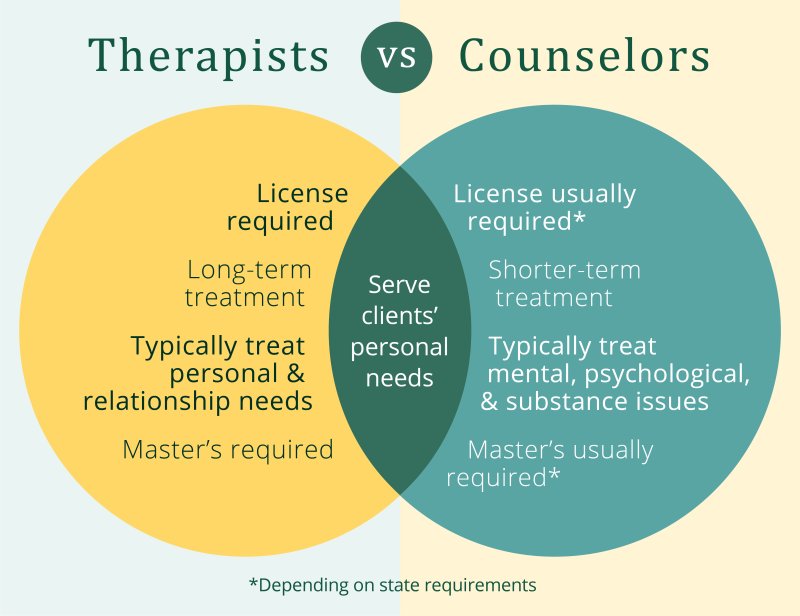
Career advancement in counselling is possible with continued education. Pursuing further certifications or degrees can lead to higher positions. Becoming a licensed therapist is one path for advancement. Another option is specializing in fields like addiction or family therapy. Leadership roles in organizations also become accessible with experience.
Continuing Education
Continuing education in counselling is essential. It ensures skills stay sharp. The field is always evolving. New techniques and understanding emerge regularly. Staying updated enhances your competence. It also boosts confidence. Continuing education can open new career opportunities. It allows specialization in niche areas. It also supports personal growth. Let’s explore key aspects of this path.
Advanced Courses
Advanced courses deepen your counselling knowledge. They cover complex topics. These courses might include trauma counselling. Or perhaps crisis intervention. Such courses enhance your skill set. They prepare you for challenging situations. Completing advanced courses often leads to certifications. These certifications improve your resume. They show dedication to your craft.
Specialization Areas
Specialization areas allow focus on specific fields. This could be addiction counselling. Or maybe family therapy. Specialization can increase your job prospects. It helps you stand out in the field. Specialized knowledge is valuable. It attracts clients with specific needs. It shows expertise in particular areas.
Professional Development
Professional development is crucial for growth. Attending workshops or seminars can help. Networking events are beneficial too. They connect you with other professionals. Sharing experiences enriches your practice. Continuous learning enhances your reputation. It keeps your skills relevant. Professional development encourages lifelong learning. It cultivates a proactive approach to your career.
Frequently Asked Questions
What Is A Certificate In Counselling Skills?
A Certificate in Counselling Skills is a foundational qualification. It provides essential skills and techniques for effective communication and support. This certificate is ideal for those wanting to understand counselling basics. It’s often a stepping stone for further counselling education.
How Long Does The Course Take?
The duration of a Certificate in Counselling Skills course varies. Typically, it lasts between six months to one year. Course length depends on the institution and study mode. Part-time courses may take longer than full-time ones.
What Are The Prerequisites For Enrolling?
Prerequisites for enrolling usually include a high school diploma. Some programs may require relevant work experience or a personal statement. It’s essential to check specific entry requirements with the institution. Each program may have unique prerequisites.
Can This Certificate Lead To A Career?
Yes, a Certificate in Counselling Skills can lead to entry-level roles. Graduates often work in support roles within health and social care settings. It also serves as a foundation for further study. Advanced qualifications can lead to a career as a professional counsellor.
Conclusion
Earning a certificate in counselling skills opens many doors. It equips you with essential tools to help others. The journey requires dedication and practice. Each step brings new insights and growth. Online courses provide flexibility and ease. Local classes offer direct interaction and support.
Choose what fits best for your schedule and learning style. Stay committed, and success will follow. Remember, every skill learned helps someone in need. Your role as a counselor can make a difference. Start this journey with confidence and see where it leads.