
How to Become a Certificate For Animal Nursing Assistants: Step-by-Step Guide
Imagine turning your love for animals into a fulfilling career where you make a real difference every day. As an Animal Nursing Assistant, you’ll be at the heart of animal care, providing essential support to veterinarians and helping pets recover and thrive.
If you’re passionate about animal welfare and looking for a hands-on role in the veterinary field, earning a certificate as an Animal Nursing Assistant could be your perfect path. In this guide, you’ll discover the steps to achieve certification, gain valuable skills, and open doors to new opportunities.
Ready to transform your passion into expertise? Let’s explore how you can start your journey to becoming a certified Animal Nursing Assistant.
Role Of An Animal Nursing Assistant
The role of an Animal Nursing Assistant is both challenging and rewarding. You get to work closely with animals, ensuring their well-being and aiding their recovery. But what exactly does this role entail? Let’s break it down.
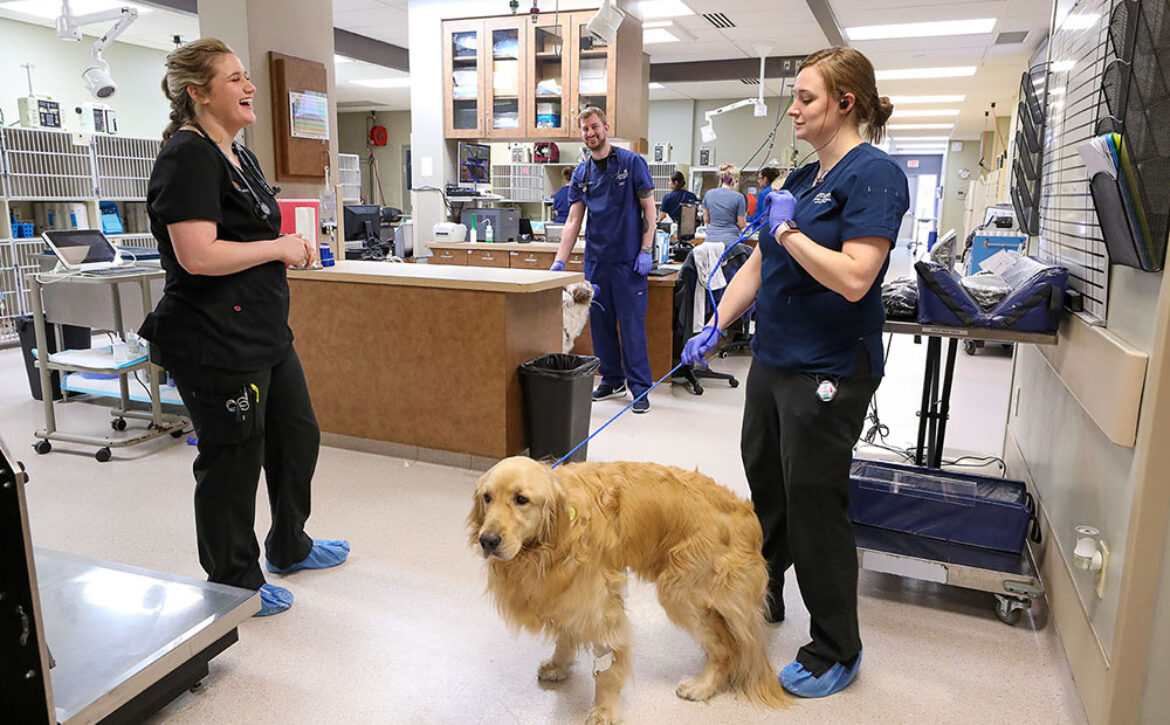
As an Animal Nursing Assistant, you are the backbone of veterinary care. You support veterinarians and nurses in their daily tasks, making sure each animal receives the attention it deserves. This means you’ll be involved in everything from feeding to monitoring vital signs.
Your daily tasks can vary widely. One day, you might be comforting a nervous puppy during its first vet visit. The next, you could be preparing surgical instruments for a critical operation. Your adaptability is key to thriving in this role.
Essential Duties
Your main duties will revolve around animal care. You’ll be responsible for cleaning cages, grooming, and sometimes exercising the animals. These seemingly small tasks are crucial to maintaining a healthy environment.
You’ll also handle administrative tasks. This includes updating medical records and scheduling appointments. Attention to detail is vital here, as accurate records are essential for effective treatment.
Skills Needed
Communication skills are paramount. You must relay information between the veterinary team and pet owners. Clear communication ensures everyone is on the same page about an animal’s care plan.
Empathy and patience are crucial. Animals might be scared or in pain, and your calm demeanor can ease their stress. Have you ever calmed a frightened cat or reassured a worried dog owner? These moments highlight the importance of empathy in your role.
Impact On Animal Welfare
Your work directly impacts animal welfare. Every task you perform contributes to the overall health and happiness of the animals in your care. Consider how fulfilling it is to see a sick animal recover because of the care you provided.
What can you do today to make a positive difference? Each small action adds up to substantial outcomes. Your role is vital in ensuring animals lead healthier lives. Embrace each task with enthusiasm, knowing you’re making a real impact.
Essential Skills
To become a certified Animal Nursing Assistant, certain skills are vital. These skills ensure you can care for animals effectively and communicate with veterinary teams. Developing these essential skills will prepare you for the challenges and responsibilities of the role.
Communication Skills
Effective communication is crucial in animal nursing. You must relay information clearly to the veterinarian. Understanding instructions and sharing animal conditions are key parts of the job. Good communication builds trust with pet owners. It ensures clear updates on their pet’s health. Listening skills are equally important. They help you understand concerns and respond accurately.
Animal Handling Techniques
Animal handling requires gentle and confident methods. You must know how to restrain animals safely. This prevents injury to both the animal and yourself. Understanding animal behavior is essential. It helps in predicting movements and reactions. Proper handling techniques ensure the animal feels secure. They aid in calming nervous or scared pets.
Basic Veterinary Knowledge
Basic veterinary knowledge is fundamental for animal nursing assistants. You must understand common health conditions. Recognizing symptoms of illness or distress is vital. Familiarity with veterinary terminology helps in understanding diagnoses. This knowledge supports your role in assisting during treatments. It ensures you can provide basic care accurately.
Educational Pathways
Start your journey as an animal nursing assistant by enrolling in a certificate program. These programs offer practical training in animal care. Learn essential skills like handling and basic medical tasks.
Embarking on the journey to become a certified Animal Nursing Assistant can be both rewarding and fulfilling. The path is straightforward, yet requires dedication and a keen interest in animal care. Understanding the educational pathways available to you will set a solid foundation for your future career.
High School Diploma
A high school diploma is your first stepping stone. It is crucial for gaining entry into most animal nursing programs. During high school, focus on courses in biology and chemistry to build a strong scientific base. Participating in extracurricular activities like volunteering at animal shelters can provide hands-on experience. Such involvement demonstrates your commitment to animal welfare. It also gives you practical insights into the daily responsibilities of animal care. Do you recall any inspiring moments from high school? Perhaps a biology teacher sparked your interest in animal science. These experiences can shape your career path and fuel your passion for animal nursing.
Relevant Coursework
Once you have your diploma, it’s time to dive into specialized coursework. Look for programs that offer classes in animal anatomy, physiology, and nutrition. These subjects are crucial for understanding the needs of the animals you will care for. Consider enrolling in online courses if you need flexibility. Many reputable institutions offer certificates that you can earn at your own pace. This allows you to balance studies with other commitments. Hands-on training is equally important. Seek programs that offer internships or practical lab sessions. These experiences are invaluable for applying what you learn in real-world settings. Think about the skills you will gain through relevant coursework. How can they enhance your ability to provide compassionate care to animals? The right educational path will equip you with the knowledge and confidence to excel in your role as an Animal Nursing Assistant.

Choosing The Right Certification Program
Choosing the right certification program for animal nursing assistants is crucial. It shapes your career path and ensures you gain essential skills. With various programs available, selecting the best one is vital. Consider accreditation, curriculum, and study options to make an informed decision.
Accreditation
Accreditation guarantees the program meets industry standards. Certified programs have approval from recognized veterinary boards. This ensures quality education and credibility in the field. Employers often prefer candidates from accredited programs. Research the certification’s background before enrolling.
Program Curriculum
A well-structured curriculum covers all necessary topics. Look for programs that teach both theory and practical skills. Topics should include animal care, basic anatomy, and handling techniques. Comprehensive programs prepare you for real-world scenarios. Examine course outlines to ensure they meet your learning needs.
Online Vs In-person Options
Consider your learning style when choosing between online and in-person options. Online programs offer flexibility and convenience, ideal for busy schedules. In-person classes provide hands-on experience and direct interaction with instructors. Both options have unique benefits. Choose the one that suits your lifestyle and learning preferences.
Application Process
Embarking on a journey to become a Certified Animal Nursing Assistant can be rewarding. It involves several steps, starting with the application process. This crucial phase requires careful attention to detail and timely submissions. Let’s explore the key aspects of the application process to help you succeed.
Gathering Required Documents
Start by collecting all necessary documents. Most programs need your academic transcripts. A well-crafted resume is also important. Highlight any relevant experience with animals. Letters of recommendation are often required. Choose references who know your skills well. Ensure all documents are complete and accurate.
Application Deadlines
Pay close attention to application deadlines. Each institution may have different dates. Mark these dates on your calendar. Submitting early can give you an edge. Late applications might not be considered. Plan to submit at least a week before the deadline.
Preparing For Interviews
Interviews are a common part of the application process. They allow you to showcase your passion for animal care. Practice common interview questions in advance. Prepare to discuss your experiences and skills. Dress professionally and arrive on time. Confidence and enthusiasm make a strong impression.
Certification Examination
The Certification Examination is a crucial step for aspiring Animal Nursing Assistants. It is the gateway to a fulfilling career in animal care. Passing this exam proves your knowledge and readiness for the role. Understanding the exam format and preparation strategies is key.
Exam Format
The certification exam tests a range of skills and knowledge. It includes multiple-choice questions. These questions cover anatomy, patient care, and ethical practices. You might find situational scenarios. These assess your decision-making abilities. The exam lasts a few hours, so time management is important.
Study Resources
Many resources can help you prepare. Start with textbooks on animal nursing. Online courses offer structured learning. Practice tests are useful for self-assessment. Join study groups to discuss topics. These resources build a solid foundation for the exam.
Tips For Success
Create a study schedule. This keeps you organized and focused. Take short breaks to avoid burnout. Focus on understanding concepts, not just memorizing facts. Use flashcards for quick review. Practice with mock exams to improve speed and accuracy. Stay calm and confident during the exam. Confidence boosts performance.
Gaining Practical Experience
Becoming a certified animal nursing assistant involves practical experience. This hands-on learning builds confidence and skills. It prepares you for real-world challenges. Discover opportunities to gain this valuable experience.
Internships
Internships offer real-world experience. Animal hospitals often seek eager interns. You observe seasoned professionals at work. This helps you learn the daily tasks of animal care. Internships also improve your problem-solving skills.
Volunteer Opportunities
Volunteering is another option. Many shelters need help. Volunteers support staff in caring for animals. You gain exposure to various animal conditions. This experience can be very rewarding. It also demonstrates your commitment to animal care.
Networking With Professionals
Networking opens doors. Attend local veterinary events. Connect with seasoned professionals. They offer valuable advice and mentorship. Building relationships boosts your career prospects. It also keeps you informed of new opportunities.
Career Opportunities
Embarking on a career as a Certificate for Animal Nursing Assistants opens a world of diverse and fulfilling opportunities. Whether you’re passionate about working with pets, wildlife, or exotic animals, there’s a niche for you. Let’s explore some exciting places you can work with this certification.
Veterinary Clinics
Veterinary clinics are bustling hubs of activity, providing essential services to pets and their owners. As a certified animal nursing assistant, you can play a crucial role in these environments. You might assist veterinarians in routine check-ups or help with minor surgical procedures. Your skills could be pivotal in ensuring the well-being of animals in these clinics.
Imagine being the calming presence for a nervous pet or the reassuring voice for a worried pet owner. Your contributions can make a significant difference in the lives of these animals. Do you see yourself as part of this dynamic team?
Animal Hospitals
Animal hospitals offer a more intensive care setting, dealing with emergencies and complex medical cases. As an animal nursing assistant here, your role becomes even more vital. You might find yourself assisting in surgeries, administering medications, or monitoring recovery processes.
Your ability to handle high-pressure situations with empathy and precision can be a lifesaver. Have you ever thought about the impact you could have on an animal’s recovery journey in such a critical environment?
Wildlife Rehabilitation Centers
For those who dream of working with wildlife, rehabilitation centers offer an incredible opportunity. Here, you can help injured or orphaned wild animals regain their strength and return to their natural habitats. Your tasks might include feeding, cleaning, and observing animal behavior.
Your efforts contribute to the conservation of species and the balance of ecosystems. Picture yourself aiding in the recovery of a majestic bird or a playful otter. Could this be the fulfilling path you’ve been searching for?
Each of these career paths offers unique challenges and rewards. Consider where your passion lies and how you can make a meaningful impact in the animal world. The choice is yours, and the possibilities are endless.
Continuing Education
Continuing education is crucial for animal nursing assistants who want to advance. It keeps their skills sharp and knowledge up-to-date. Learning never stops in the field of animal care. Engaging in further education opens doors to new opportunities and career growth. It also enhances the ability to provide quality care. This section will explore several ways to continue education.
Advanced Certifications
Pursuing advanced certifications boosts credibility. It demonstrates commitment to the field. These certifications often focus on specialized areas. They might cover exotic animals or emergency care. Completing these certifications can lead to higher positions. Employers value these credentials. They signify a deeper understanding of animal care. Obtaining advanced certification is a rewarding achievement.
Workshops And Seminars
Attending workshops and seminars offers practical experience. These events are usually hands-on. They provide opportunities to learn from experts. Networking is another benefit. Connecting with other professionals can open up new job prospects. Workshops often cover the latest techniques. Seminars might focus on emerging trends. These gatherings are essential for professional development.
Keeping Up With Industry Trends
The animal care industry evolves rapidly. Staying informed about trends is vital. Reading industry publications helps. Subscribing to newsletters is beneficial. Online forums are also valuable resources. Trends can affect daily practices. Understanding them ensures the best care. Continual learning is a lifelong journey. It helps animal nursing assistants stay ahead.

Frequently Asked Questions
What Is Animal Nursing Certification?
Animal nursing certification is a credential for veterinary assistants. It validates skills in animal care, handling, and clinical tasks. This certification enhances employability and can lead to career advancement opportunities. Obtaining certification often involves completing an accredited program and passing an examination.
How Long Does Certification Take?
Certification duration varies by program. Typically, it takes six months to a year to complete. Some programs offer accelerated courses, reducing completion time. Factors influencing duration include program structure, part-time vs. full-time study, and individual pace.
Are Online Courses Available For Animal Nursing?
Yes, online courses are available for animal nursing certification. These courses offer flexibility for students balancing work or other commitments. They often include interactive modules, virtual labs, and live sessions. Online programs must be accredited to ensure quality education.
What Skills Are Needed For Animal Nursing?
Animal nursing requires various skills. Key skills include animal care, communication, and attention to detail. Assistants must also handle medical equipment and follow veterinary instructions. Emotional resilience is crucial for dealing with challenging situations.
Conclusion
Becoming a certified animal nursing assistant is a rewarding journey. Start by researching programs that suit your needs. Focus on acquiring essential skills and knowledge in animal care. Practical experience is crucial, so seek volunteer opportunities. Prepare for exams by reviewing study materials and practicing regularly.
Certification opens doors to various job opportunities in veterinary clinics. Passion and dedication are key to success in this field. Remember, every step you take brings you closer to helping animals in need. Stay committed, and your efforts will lead to a fulfilling career.
Good luck on your path to becoming an animal nursing assistant!