
No products in the cart.

No products in the cart.

Category: Beauty and Fitness

Beauty and Fitness

How to Become a Salon Management Course: Expert Guide

Are you passionate about the beauty industry and eager to take your career to the next level? Becoming a salon manager could be your perfect path to success.

Imagine leading a team of creative professionals, ensuring every client leaves with a smile, and making strategic decisions that drive the salon’s growth. To step into this exciting role, you’ll need the right skills and knowledge, which is exactly what a salon management course offers.

We’ll unlock the secrets to mastering salon management. You’ll discover how these courses can transform your career, giving you the confidence and expertise needed to thrive. Whether you’re an experienced stylist looking to climb the career ladder or a newcomer eager to make a mark, this guide will illuminate your path. Let’s dive into how you can make your dream of leading a successful salon a reality.

Choosing The Right Salon Management Course

Selecting a salon management course requires careful consideration of course content and instructor expertise. Focus on courses offering practical skills and real-world salon management strategies. Understand course duration and flexibility to match your schedule and career goals.

Choosing the right salon management course is vital for your career growth. It can set the foundation for success in the beauty industry. Understand what to look for in a course. This ensures you gain the necessary skills and knowledge. Let’s explore key factors to consider.

Accredited Programs

Look for courses with proper accreditation. Accreditation ensures the course meets industry standards. It provides credibility and recognition for your qualifications. An accredited program often has a well-structured curriculum. This guarantees you learn what is essential for salon management. Check if the course is recognized by professional organizations.

Course Content Overview

Understand the course content before enrolling. A good program covers various topics. These include customer service, team leadership, and financial management. Marketing strategies for salons are also important. Ensure the course offers practical training sessions. Real-world scenarios enhance learning and skill application.

Online Vs In-person Learning

Decide between online or in-person learning formats. Online courses offer flexibility and convenience. You can learn at your own pace. In-person classes provide hands-on experience. This can be valuable for practical skills. Consider your learning style and schedule. Choose the format that suits your needs best.

Skills For Salon Management

Becoming a salon manager requires a specific set of skills. These skills ensure the smooth operation of the business. Managers need to handle various tasks daily. From leading teams to managing finances, each skill plays a vital role. This section delves into the essential skills for effective salon management.

Communication Skills

Effective communication is key to successful salon management. Managers must convey clear instructions to staff. They also need to listen to client needs attentively. Good communication builds trust and loyalty. It helps in resolving conflicts quickly and efficiently. Strong communication enhances overall customer satisfaction.

Financial Management

Managing finances is crucial for a salon’s success. Salon managers should understand budgeting and cost control. They must keep track of income and expenses regularly. Proper financial management ensures profitability and sustainability. It also aids in making informed business decisions. A strong financial plan supports salon growth.

Leadership And Team Building

Leadership is about inspiring and guiding the team. A salon manager must motivate staff to achieve goals. Strong leadership creates a positive work environment. It encourages teamwork and boosts employee morale. Building a cohesive team is vital for salon success. A united team offers better client experiences.

Career Opportunities In Salon Management

The beauty industry is booming, and salon management is at the forefront of this growth. With the right training, you can unlock a myriad of career opportunities that cater to your interests and skills. Whether you aspire to manage a salon, embark on entrepreneurial ventures, or provide consulting and training, the possibilities are endless and rewarding.

Salon Manager Roles

As a salon manager, you oversee the daily operations, ensuring everything runs smoothly. You handle scheduling, manage inventory, and maintain customer satisfaction. With your leadership, the team thrives, and the salon becomes a hub of creativity and style. Are you ready to lead and inspire?

Consider the thrill of managing a high-end salon in a bustling city. Your decisions directly impact the salon’s reputation and success. It’s a position where your skills in communication and organization are your greatest assets. Embrace the challenge and make a difference.

Entrepreneurial Ventures

Dream of owning your salon? This career path allows you to express your creativity and business acumen. Opening a salon means creating a unique space where clients feel pampered and valued. Every detail, from the décor to the services offered, reflects your vision.

Picture yourself crafting a brand that stands out in the beauty industry. You develop marketing strategies and build a loyal clientele. It’s a journey of growth and learning, with endless opportunities to innovate. Are you ready to turn your passion into a thriving business?

Consulting And Training

Want to share your expertise with others? Consulting and training offer a platform to guide budding professionals and established salons alike. You help others refine their skills, improve their processes, and achieve their goals.

Imagine conducting workshops that transform how salons operate. You provide insights that boost efficiency and client satisfaction. It’s a role that requires a deep understanding of industry trends and a knack for teaching. Could this be your next adventure?

Each career opportunity in salon management brings unique challenges and rewards. What path will you choose to make your mark in this vibrant industry?

Certifications And Qualifications

Certifications and qualifications are crucial for those pursuing a career in salon management. They not only demonstrate expertise but also open doors to numerous job opportunities. Understanding the certifications and qualifications needed is the first step toward a successful career in the beauty industry.

Industry Recognized Certifications

Industry recognized certifications boost your credibility. A popular certification is the Certified Salon Professional (CSP). This certificate covers essential skills for salon management. It includes customer service, sales techniques, and business operations. Another sought-after certification is the Certified Salon Manager (CSM). It focuses on leadership and management skills. Having these certifications sets you apart from the competition.

Additional Qualifications

Additional qualifications enhance your resume. A degree in business administration is beneficial. It provides knowledge on managing finances and staff. Courses in marketing can be useful as well. They teach how to promote the salon effectively. These qualifications complement industry certifications. They make you a well-rounded professional.

Continuing Education

Continuing education is essential for staying current. The beauty industry evolves rapidly. New trends and techniques appear frequently. Attending workshops helps keep skills fresh. Online courses offer flexibility for busy schedules. They provide knowledge on the latest industry developments. Continuing education ensures you remain competitive. It keeps your skills sharp and relevant.

Navigating The Salon Industry

The salon industry is vibrant and ever-changing. Navigating it requires knowledge and skill. A salon management course can help you understand this dynamic field. Learn about trends, networking, and solutions to common challenges. This knowledge will help you succeed in salon management.

Trends And Innovations

Trends in the salon industry change fast. Staying updated is crucial. Clients want the latest styles and techniques. Innovations like eco-friendly products are gaining popularity. Courses teach you about these trends. Understand what clients want. This knowledge helps you provide better services.

Networking Strategies

Networking is vital in the salon business. Build strong connections with professionals. Attend industry events and workshops. Connect with suppliers and other salon managers. Networking opens doors to new opportunities. It helps in learning from others’ experiences. This can lead to valuable partnerships.

Challenges And Solutions

Managing a salon comes with challenges. Staffing issues, client satisfaction, and budget constraints are common. Courses offer strategies to overcome these hurdles. Learn effective management skills. Develop conflict resolution techniques. These skills ensure smooth salon operations. Staying prepared helps in tackling challenges confidently.

Tips For Success In Salon Management

Are you dreaming of a thriving career in salon management? To succeed, you need more than just technical skills. Your journey will involve building strong relationships, crafting savvy marketing strategies, and mastering time management. Dive into these essential tips to set yourself apart in the competitive world of salon management.

Building Client Relationships

Clients are the heart of your business. Make them feel valued and appreciated. Start by listening attentively to their needs and preferences. This shows you care and are invested in their satisfaction.

Remember a client’s name and details about their past visits. This small effort can transform a regular customer into a loyal advocate. Consider sending personalized thank-you notes or offering loyalty discounts. These gestures can create a lasting bond.

Imagine walking into a salon where everyone greets you warmly, remembers your last haircut, and offers your favorite coffee. Wouldn’t you return? That’s the power of building genuine relationships.

Effective Marketing Strategies

Marketing is your tool to attract new clients and keep existing ones excited. Use social media platforms to showcase your salon’s unique style and services. Post eye-catching photos and engaging content regularly.

Host events or workshops to draw people in. Offer promotions that encourage clients to try new services. Collaborate with local businesses to expand your reach. You never know how a simple partnership might open doors to new clientele.

Think outside the box. What can you offer that your competitors don’t? Creating a niche can set your salon apart and keep clients coming back for more.

Time Management Techniques

Running a salon is hectic. Efficient time management is crucial. Prioritize tasks and set realistic goals. Use tools like calendars and reminders to keep track of appointments and deadlines.

Delegate responsibilities to your team. You don’t need to do everything yourself. Trusting your staff allows you to focus on strategic decisions and client interactions.

Are you often overwhelmed by a long to-do list? Break tasks into smaller, manageable steps. This approach can make even the busiest days feel more achievable.

As you embark on your salon management journey, consider these tips. They can transform your business and elevate your career. What changes will you make today to set your salon apart?

Frequently Asked Questions

What Is A Salon Management Course?

A Salon Management Course teaches skills needed to run a successful salon. It covers topics like business management, customer service, and marketing. Students learn about scheduling, inventory management, and financial planning. This course is ideal for aspiring salon managers or owners looking to enhance their operational skills.

How Do I Enroll In A Salon Management Course?

To enroll, research accredited institutions offering Salon Management Courses. Review their curriculum, fees, and duration. Ensure the course aligns with your career goals. Apply online or contact the institution directly for guidance. Some courses may require previous salon experience or a related qualification.

What Skills Do You Gain From This Course?

This course provides skills in business management, customer service, and marketing. You’ll learn to manage staff, handle finances, and optimize operations. Effective communication and leadership skills are also covered. These skills are crucial for running a successful and profitable salon business.

How Long Does The Course Typically Take?

The duration of a Salon Management Course varies by institution. Typically, it ranges from a few weeks to several months. Some courses offer flexible part-time options. Always check with the course provider for specific timelines. This ensures the course fits your schedule and learning pace.

Conclusion

Embarking on a salon management course opens new career paths. The skills you gain enhance your expertise and confidence. With dedication, you can manage successful salons. Engaging in practical learning prepares you for real-world challenges. Building strong relationships with clients becomes easier.

Courses help you understand salon operations deeply. This knowledge boosts your career growth. Remember, every step you take brings you closer to your goals. Stay focused, keep learning, and embrace new opportunities. A rewarding career in salon management awaits you.

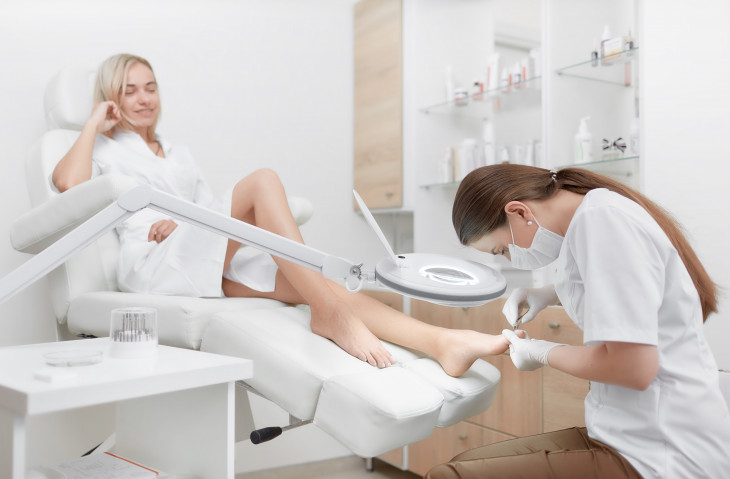
Beauty and Fitness

How to Become a Podiatry Course: Step-by-Step Guide

Are you fascinated by the intricate workings of the human foot? Do you find yourself curious about how podiatrists diagnose and treat foot ailments?

If so, you’re in the right place. Discovering how to become a podiatrist could be the perfect path for you, combining your interests with a rewarding career. In this guide, you’ll uncover everything you need to know about podiatry courses, from selecting the right program to understanding the skills and knowledge you’ll gain.

Imagine yourself transforming lives, one step at a time, while enjoying a fulfilling professional journey. Let’s dive in and explore how you can take the first steps towards a career in podiatry.

How to Become a Podiatry Course: Step-by-Step Guide

Choosing The Right Podiatry Program

Choosing the right podiatry program is crucial for your future career. The right program sets the foundation for your professional journey. It’s important to consider various aspects before making a decision.

Accreditation Considerations

Accreditation ensures the program meets set standards. Verify the program is accredited by recognized bodies. This guarantees quality education and is crucial for future licensing. An accredited program enhances your job prospects.

Program Specializations

Explore different specializations within podiatry. Some programs offer unique areas of focus. Consider what aligns with your career goals. Specializations can include sports medicine, surgery, or diabetic care.

Location And Facilities

Location can impact your study experience. Consider programs close to home or in preferred areas. Evaluate the facilities offered by the institution. Modern labs and clinics can enhance learning. Access to the latest technology is vital for practical skills.

Preparing For Admission

Embarking on the journey to become a podiatrist is an exciting adventure. It’s a path filled with opportunities to make a real difference in people’s lives. But before you can dive into the world of foot and ankle health, you need to prepare for admission into a podiatry course. This preparation is a crucial step, and it involves understanding prerequisite courses, entrance exams, and the application process.

Prerequisite Courses

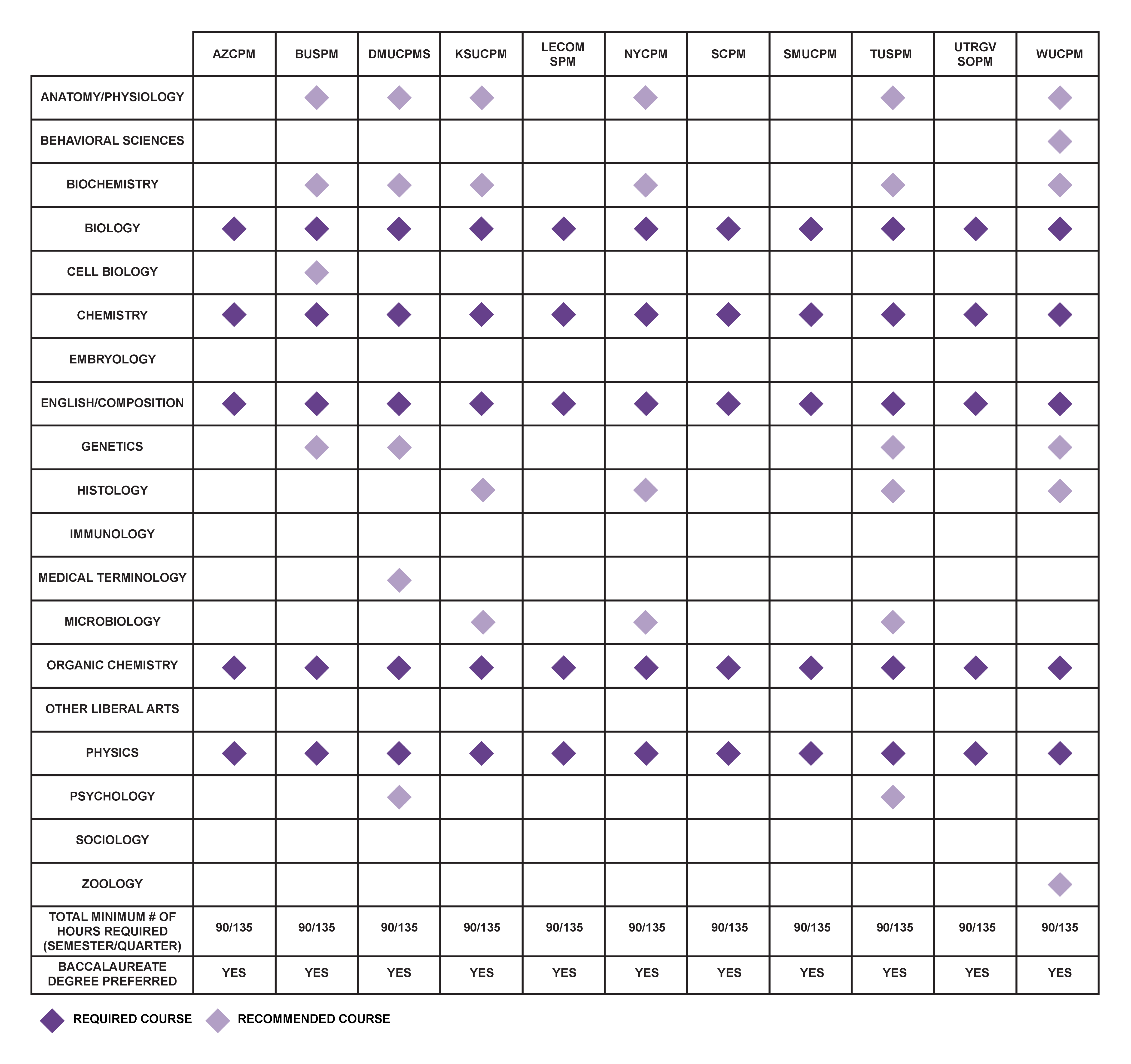
Before you apply to a podiatry program, you’ll need to complete certain prerequisite courses. These are essential subjects that lay the foundation for your future studies. Typically, they include biology, chemistry, and physics.

Many schools require you to have a solid grasp of these sciences. It’s also beneficial to take courses in anatomy or physiology. These will give you a head start in understanding the human body.

Are you wondering how to fit these courses into your schedule? Consider summer classes or online options to keep your workload manageable. Planning is key, so check the specific requirements of the schools you’re interested in.

Entrance Exams

Entrance exams are another hurdle on your path to podiatry school. Most programs require the Medical College Admission Test (MCAT). This exam tests your knowledge of scientific concepts and critical thinking skills.

Preparing for the MCAT can be daunting, but it’s achievable. Create a study schedule that allows you to cover all topics thoroughly. Use practice tests to identify areas where you need improvement.

Don’t underestimate the importance of test prep courses. These can provide invaluable insights and strategies for the exam. Plus, they often offer a community of fellow test-takers, adding support to your study process.

Application Process

The application process is your chance to shine. It’s where you showcase your academic achievements and personal qualities. Start by gathering your transcripts and letters of recommendation.

Craft a compelling personal statement that highlights your passion for podiatry. Share experiences that demonstrate your commitment to the field. What motivated you to pursue this career?

Be mindful of deadlines and requirements for each school. Organize your application materials early to avoid last-minute stress. Have you considered reaching out to current students or alumni for advice? They can offer valuable insights and tips.

Preparing for admission to a podiatry course is a journey in itself. With dedication and strategic planning, you’ll set the stage for a rewarding career in podiatry. Are you ready to take the next step?

Navigating The Curriculum

Embarking on a podiatry course is an exciting journey that opens doors to a fulfilling career in foot and ankle health. Navigating the curriculum can be a thrilling yet challenging experience, requiring a balance between theoretical knowledge and practical skills. Understanding the course structure is crucial to ensure you gain the most from your education. Let’s dive into the key components of the podiatry curriculum that will shape your path to becoming a skilled podiatrist.

Core Subjects

The foundation of any podiatry course lies in its core subjects. These subjects cover essential topics like anatomy, physiology, and pharmacology. Imagine learning about the intricate structures of the foot and how they relate to the rest of the body.

These subjects are not just about memorization; they foster critical thinking. You’ll engage in discussions and problem-solving activities that mimic real-life scenarios. This approach prepares you for the complexities of diagnosing and treating foot conditions.

Think about it: how does understanding the body’s mechanics affect your approach to podiatry? This question will drive your curiosity and deepen your learning.

Clinical Rotations

Clinical rotations are where theory meets practice. Picture yourself in a clinic, applying what you’ve learned in a real-world setting. These rotations provide hands-on experience under the guidance of experienced professionals.

You’ll encounter diverse cases, from common foot ailments to complex surgeries. Each rotation challenges you to adapt and grow, enhancing your confidence and competence. This practical exposure is invaluable for honing your skills.

Consider how interacting with patients can improve your communication skills. It’s not just about treating the condition, but also about understanding and empathizing with the person behind it.

Elective Courses

Elective courses offer a unique opportunity to tailor your education to your interests. Whether you’re passionate about sports medicine or diabetic foot care, electives allow you to delve deeper into specialized areas.

These courses provide flexibility and enable you to expand your expertise beyond the core curriculum. They can also open doors to niche career paths within podiatry.

Reflect on your interests: What areas of podiatry excite you the most? Choosing the right electives can shape your future career and set you apart in the field.

As you navigate the podiatry curriculum, remember that each component plays a vital role in your development. Embrace the challenges and opportunities that come your way, and you’ll emerge as a well-rounded, knowledgeable podiatrist ready to make a difference in your patients’ lives.

Gaining Practical Experience

Embarking on a journey to become a podiatrist is both exciting and challenging. Gaining practical experience is crucial to mastering the skills needed for a successful career in podiatry. This hands-on learning complements theoretical knowledge and prepares you for real-world scenarios. But how do you get this invaluable experience? Let’s dive into some practical ways to enhance your podiatry training.

Internships And Externships

Internships and externships offer you a chance to work closely with experienced podiatrists. You observe and participate in clinical practice, learning directly from the experts. Whether it’s a summer internship at a local clinic or an externship during your course, these opportunities are golden. They not only enhance your clinical skills but also boost your confidence in a professional setting.

Consider reaching out to hospitals or clinics that specialize in podiatry. They often have openings for students eager to learn. Don’t hesitate to ask about the tasks you will be involved in. Knowing what to expect helps you prepare better and make the most of your experience.

Research Opportunities

Participating in research projects can significantly enrich your understanding of podiatry. It allows you to delve into specific areas and contribute to advancements in the field. Look for research programs at your university or online platforms that offer collaborative projects.

By engaging in research, you develop analytical skills and deepen your knowledge. You might discover new techniques or therapies that could revolutionize patient care. Imagine the impact you could make by being part of groundbreaking discoveries in foot health!

Networking With Professionals

Building a network of professional contacts can open doors to numerous opportunities. Attend podiatry conferences, seminars, and workshops. Engage in discussions and don’t shy away from asking questions. You’ll be surprised at how approachable and willing to help seasoned professionals can be.

Networking isn’t just about getting your foot in the door; it’s about learning from others’ experiences. You might hear a story from a podiatrist that changes your perspective or learn a tip that saves you time. Have you ever thought about how many doors a simple conversation can open?

In your quest to gain practical experience, remember that every step you take brings you closer to becoming a proficient podiatrist. Dive into these opportunities with enthusiasm and curiosity. The skills and insights you gain will be invaluable in your career journey.

Licensing And Certification


Licensing and certification are crucial steps in becoming a podiatrist. They ensure that professionals meet essential standards. This process guarantees quality care for patients. Becoming licensed involves several stages. Understanding each stage helps you navigate your career path smoothly.

Exam Requirements

To earn your podiatry license, you must pass the national board exam. This exam tests your knowledge and skills. It covers anatomy, medical procedures, and patient care. Proper preparation is key. Many study guides and courses can help you succeed.

State Licensing Procedures

Each state has its own licensing rules. You must check specific requirements for your location. Most states require passing both national and state exams. Some states may ask for extra training or experience. Always verify with your local board.

Continuing Education

Once licensed, continuing education is essential. It keeps you updated on new treatments and technologies. Many states require ongoing education for license renewal. Workshops, seminars, and online courses are great options. They help maintain your skills and knowledge.

How to Become a Podiatry Course: Step-by-Step Guide

Building A Career In Podiatry


Starting a career in podiatry is a rewarding journey. This field offers a chance to improve people’s lives. Podiatrists specialize in foot and ankle care. Their work is essential for overall health. With the right steps, you can thrive in this profession.

Job Search Strategies

Begin by researching potential employers. Hospitals, clinics, and private practices hire podiatrists. Networking is crucial. Attend professional events and join online forums. Connect with mentors in the field. Craft a strong resume. Highlight relevant skills and experiences. Tailor each application to the specific job.

Specialization Options

Podiatry offers various specialization paths. Consider sports medicine for athletic foot care. Explore diabetic foot care for managing chronic conditions. Surgery specialization involves complex procedures. Choose a path that aligns with your interests. Specializing can enhance your career opportunities.

Professional Development

Continual learning is vital in podiatry. Attend workshops and conferences regularly. Stay updated with the latest research and techniques. Join professional associations for networking and resources. Consider further certifications. They can boost your credibility and expertise. Dedication to growth can lead to success in podiatry.

How to Become a Podiatry Course: Step-by-Step Guide

Frequently Asked Questions

What Is A Podiatry Course?

A podiatry course provides education on foot and ankle care. It covers anatomy, pathology, and treatment techniques. Students learn through lectures, labs, and clinical practice. The course prepares individuals for a career in podiatric medicine.

How Long Does Podiatry Training Take?

Podiatry training typically takes four years. This includes classroom learning and clinical experience. Afterward, graduates may complete a residency program. This additional training lasts two to three years.

What Qualifications Are Needed For A Podiatry Course?

To enroll in a podiatry course, you need a bachelor’s degree. Prerequisite courses in biology, chemistry, and physics are essential. Some programs require healthcare experience. Check specific program requirements for details.

Are Online Podiatry Courses Available?

Online podiatry courses are rare due to hands-on training needs. Some programs offer online components. These may include theoretical coursework. However, clinical practice must be completed in person.

Conclusion

Pursuing a podiatry course can be a rewarding journey. You gain knowledge about foot health and patient care. Start by researching accredited programs that fit your needs. Consider factors like cost, location, and course length. Contact schools to gather more information.

Prepare well for entrance exams if required. Dedication and hard work are key in this field. A career in podiatry offers many opportunities. You can help people live healthier lives. Remember, every step you take brings you closer to your goal.

Embrace the learning process and enjoy your path to becoming a podiatrist.

Beauty and Fitness

How to Become a Gym Instructor: Step-by-Step Guide

Have you ever found yourself at the gym, watching instructors lead classes with energy and enthusiasm, and thought, “I could do that”? Maybe you’re passionate about fitness and want to turn that passion into a rewarding career.

Becoming a gym instructor is not just about perfecting your squats or knowing the latest workout trends. It’s about inspiring others, sharing your knowledge, and motivating people to achieve their fitness goals. In this guide, you’ll discover the steps you need to take to become a successful gym instructor, from gaining the right qualifications to building a loyal client base.

If you’re ready to transform your love for fitness into a fulfilling job that makes a real difference in people’s lives, keep reading to find out how you can get started on this exciting path.

How to Become a Gym Instructor: Step-by-Step Guide

Skills And Qualities


Becoming a gym instructor requires more than lifting weights. It’s about guiding others to better health. Essential skills and qualities set successful instructors apart. They must inspire, teach, and motivate clients effectively.

Communication Skills

Clear communication is vital in the gym environment. Instructors must explain exercises simply. They need to give feedback that clients understand. Good listening is equally important. Instructors should pay attention to clients’ needs and concerns.

Leadership Qualities

Instructors lead by example. They should inspire confidence and motivate others. A strong presence in the gym encourages clients to push harder. Good leaders can handle group dynamics well. They create a positive and supportive atmosphere.

Physical Fitness

Physical fitness is at the core of being an instructor. They must maintain their own fitness levels. This ensures they can demonstrate exercises properly. A fit instructor inspires clients to achieve their own goals. They set a standard for health and wellness.

Educational Requirements


Becoming a gym instructor involves several steps. Education is a key part of this journey. You need a strong foundation to guide others in fitness. Let’s explore the educational paths required.

High School Diploma

A high school diploma is the first step. It opens doors to further education. Basic subjects like biology and physical education are helpful. They provide a foundation for understanding body mechanics and fitness.

Relevant Certifications

Certifications in fitness are crucial. They validate your skills and knowledge. Many organizations offer certifications. The National Academy of Sports Medicine (NASM) and American Council on Exercise (ACE) are popular choices. These certifications cover anatomy, nutrition, and exercise techniques.

Certifications require passing an exam. Study materials are usually provided. Some require continuing education to maintain. This ensures you stay updated on new fitness trends and techniques.

Certification Programs


Becoming a gym instructor requires more than passion for fitness. Certification programs provide the knowledge and skills needed. These programs ensure instructors can guide clients safely and effectively. Choosing the right certification can open doors to many opportunities.

Choosing The Right Program

Think about your career goals. Do you want to work with specific clients? Some programs focus on general fitness. Others specialize in areas like strength training or yoga. Consider the program’s reputation. Research feedback from past students. Cost is also important. Look for programs that offer value for money. Flexible study options can help too. Online courses are great for busy schedules. Check the course content carefully. Ensure it covers the topics you need.

Popular Certification Bodies

Many organizations offer gym instructor certifications. The American Council on Exercise (ACE) is well-known. They provide comprehensive courses. Another option is the National Academy of Sports Medicine (NASM). NASM focuses on evidence-based training. The International Sports Sciences Association (ISSA) is widely recognized. They offer certifications in various fitness fields. The National Strength and Conditioning Association (NSCA) is ideal for strength coaches. Each body has unique strengths. Choose one that matches your career goals.

Gaining Experience

Gaining experience is crucial for aspiring gym instructors. Practical knowledge enhances skills and builds confidence. Experience in the field prepares you for real-world challenges. It also helps in understanding client needs better.

Internships And Apprenticeships

Internships provide hands-on training in real gym environments. They offer a chance to learn from experienced trainers. Working closely with professionals gives insights into effective teaching methods. Apprenticeships often include mentorship, guiding you step by step. They help in mastering fitness techniques and understanding gym operations.

Volunteering Opportunities

Volunteering allows you to gain experience without formal commitments. Many gyms welcome volunteers for various roles. This helps in learning different aspects of gym management. You can assist in classes or help with gym maintenance. Volunteering also enhances communication skills by interacting with gym members.

Building A Professional Network

Building a strong network is key for aspiring gym instructors. Attend fitness events and join online forums. Connect with experienced trainers and industry leaders to gain insights and opportunities.

Building a professional network is vital in becoming a successful gym instructor. A strong network opens doors to new opportunities and valuable insights. It helps you learn about industry trends and best practices. Building this network takes time and effort, but it is worth it. Here are some effective ways to connect with others in the fitness world.

Connecting With Industry Professionals

Start by attending fitness events and conferences. These gatherings are perfect for meeting industry leaders and enthusiasts. Introduce yourself and engage in meaningful conversations. Ask questions and share your experiences. People remember genuine and enthusiastic interactions. Social media platforms like LinkedIn are also useful. Create a professional profile that highlights your skills and achievements. Connect with trainers, gym owners, and other fitness professionals. Engage with their posts by liking and commenting. This helps you stay on their radar.

Joining Fitness Communities

Local fitness communities can be a goldmine for networking. Join local fitness groups or clubs. Participate in classes and group activities. These settings provide a relaxed atmosphere to meet people with similar interests. Online fitness forums and groups are another great resource. Platforms like Facebook have dedicated groups for fitness professionals. Join these groups to share tips and experiences. Engage in discussions and offer support to others. This builds relationships and establishes your presence in the community.

Job Searching Tips

Embarking on a career as a gym instructor is exciting, but finding the right position can be challenging. You want to stand out in a sea of applicants and demonstrate your unique skills and passion for fitness. How can you ensure your application catches the eye of gym managers? Let’s dive into practical tips to help you in your job search journey.

Crafting A Resume

Your resume is your first impression. Tailor it to highlight your strengths as a gym instructor. Include certifications, such as CPR or personal training, that showcase your qualifications.

Don’t just list your experiences; describe how they shaped you. Mention specific achievements, like helping clients achieve their goals or organizing successful fitness events.

Ask yourself: What makes you stand out? Include a brief section on your personal fitness philosophy to give employers a glimpse of who you are beyond your qualifications.

Preparing For Interviews

Interviews are your chance to shine. Research the gym you’re applying to and understand their culture and clientele. This shows your genuine interest in becoming part of their team.

Practice answering questions confidently and concisely. Think about how your past experiences can benefit the gym. Highlight your communication skills and ability to motivate clients.

Imagine you’re interviewing with a gym that values community engagement. How would you contribute? Share specific ideas, like organizing community fitness challenges or workshops.

Career Advancement

Career advancement is essential for a gym instructor’s growth. It opens doors to new opportunities. Staying updated with trends helps you stay competitive. It also boosts your confidence and credibility. By advancing your career, you can take on leadership roles. This can lead to higher earnings and job satisfaction.

Continuing Education

Continuing education is vital for a gym instructor. It keeps you current with industry standards. Many organizations offer workshops and courses. These can help enhance your skills and knowledge. Regularly attending seminars can broaden your understanding. It also provides networking opportunities with other professionals.

Pursuing certifications can add value to your resume. Certifications show your commitment to your profession. They can also increase your marketability in the job market. Stay curious and eager to learn. This attitude will serve you well in your career.

Specialization Opportunities

Specialization opportunities allow you to focus on a niche. This can make you an expert in a specific area. You can specialize in yoga, Pilates, or strength training. Each area has unique techniques and benefits. Specialization can attract more clients seeking expertise.

It often leads to higher demand and better pay. Clients are willing to pay more for specialized knowledge. Choose a specialization that aligns with your passion. This ensures long-term satisfaction and career success.

How to Become a Gym Instructor: Step-by-Step Guide

Frequently Asked Questions

What Qualifications Do I Need To Be A Gym Instructor?

To become a gym instructor, you typically need a relevant certification. Look for accredited programs like NASM, ACE, or ISSA. A high school diploma is often required, and CPR certification is beneficial. Some employers may require prior experience or specialized training in specific fitness areas.

How Long Does Gym Instructor Training Take?

Gym instructor training duration varies, but most certification programs take 2-6 months. It depends on the course intensity and your study pace. Some intensive programs offer accelerated options. Always ensure the program is accredited and aligns with your career goals.

How Much Do Gym Instructors Earn Annually?

Gym instructors’ salaries vary based on location, experience, and specialization. On average, they earn $30,000 to $50,000 annually. Those with specialized skills or who work in high-demand areas may earn more. Additional income can come from personal training sessions or specialized classes.

What Are The Main Duties Of A Gym Instructor?

Gym instructors guide clients in exercise routines, ensuring safety and proper technique. They create personalized workout plans and monitor progress. Instructors also maintain gym equipment and may lead group classes. Their role involves motivating clients and providing nutritional and lifestyle advice.

Conclusion

Becoming a gym instructor is a rewarding journey. Start with a clear goal. Gain certifications to boost your credibility. Build strong communication skills for better client interaction. Keep learning to stay updated with fitness trends. Practice patience and empathy with clients.

These skills will help you succeed. Enjoy the process and celebrate small victories. Remember, passion for fitness drives success. You can inspire others to lead healthier lives. Your journey as a gym instructor can change lives. Stay dedicated, and embrace each opportunity.

Beauty and Fitness

How to Become a Fitness Instructor: Your Step-by-Step Guide

Have you ever thought about turning your passion for fitness into a rewarding career? Becoming a fitness instructor not only lets you stay in shape but also inspires others to lead healthier lives.

Imagine waking up every day, doing what you love, and making a difference in people’s lives. Sounds exciting, right? In this guide, you’ll discover the simple steps to transform your enthusiasm for fitness into a professional path. Whether you’re a gym enthusiast or just starting your fitness journey, this article will provide you with the insights and motivation needed to take that next step.

Get ready to unlock your potential and make a lasting impact on others. Your future as a fitness instructor could be just a few steps away!

How to Become a Fitness Instructor: Your Step-by-Step Guide

Understanding The Role

Becoming a fitness instructor involves understanding exercise techniques and safety. Gaining certifications enhances your skills and credibility. Engaging with clients helps tailor programs to meet their fitness goals.

Becoming a fitness instructor is about much more than just leading a class or counting reps. It’s about inspiring people to reach their fitness goals and guiding them through safe and effective workouts. Before diving into this exciting career, it’s crucial to grasp what the role truly entails.

Daily Responsibilities

A fitness instructor’s day is dynamic and varied. You might start with a morning class, motivating a group of early risers through a high-energy workout. Later, you could be crafting personalized exercise plans for clients, ensuring each plan suits their individual needs and fitness levels. Monitoring progress is also a key task. This involves assessing clients’ performance and making necessary adjustments to their routines. Keeping track of each client’s journey not only helps them improve but also enhances your effectiveness as an instructor. Administrative tasks can’t be ignored. You’ll handle scheduling, manage class bookings, and sometimes even promote your classes. Balancing these duties efficiently ensures you’re prepared and organized for each session.

Skills Required

To excel as a fitness instructor, certain skills are non-negotiable. Communication is at the forefront—clearly conveying instructions and providing feedback is essential. Your words can motivate clients to push through challenging parts of their workouts. Empathy and patience play a significant role too. Everyone progresses at their own pace, and understanding this is key to keeping clients motivated. You may recall a time when patience helped a client overcome their fear of a new exercise, reinforcing the importance of these skills. Adaptability is crucial. Each class or client session can present new challenges, requiring quick thinking to adjust plans or techniques. A client may suddenly need modifications due to an injury—your ability to adapt on the fly keeps the session safe and effective. Are you ready to embrace these responsibilities and develop these skills? Understanding the role deeply can set you on the right path toward becoming a successful fitness instructor.

Educational Requirements

To become a fitness instructor, understanding educational requirements is essential. These requirements shape your career and ensure you have the knowledge needed. While passion drives this career choice, formal education and certifications provide a solid foundation. They equip you with the skills to excel in this dynamic field.

Relevant Degrees

Pursuing a relevant degree can enhance your credibility. Degrees in exercise science or kinesiology are popular choices. These programs cover anatomy, physiology, and nutrition. They provide insights into the human body and physical health. Some instructors also opt for sports management degrees. This helps in understanding the business side of fitness.

Universities offer bachelor’s degrees in these fields. They usually span four years and include practical training. This education is important for those seeking in-depth knowledge. It prepares you for various roles in the fitness industry.

Certification Programs

Certification programs are crucial for aspiring fitness instructors. They validate your skills and knowledge in specific areas. Organizations like ACE, NASM, and ACSM offer certifications. These programs focus on personal training, group fitness, and specialized workouts.

Certification programs often include exams and practical assessments. They ensure you can apply theoretical knowledge effectively. Many programs require ongoing education to maintain certification. This keeps instructors updated with industry trends and new techniques.

Choosing the right certification depends on your career goals. Some focus on general fitness, while others specialize in areas like yoga or Pilates. Research programs thoroughly to align them with your interests.

Gaining Experience

Gaining experience is essential for aspiring fitness instructors. It helps build confidence and skills. Real-world experience is invaluable. It connects theory with practice. This section explores ways to gain experience effectively.

Internships And Apprenticeships

Internships offer hands-on learning. Many gyms provide these opportunities. You learn from experienced trainers. It’s a chance to understand daily tasks. Apprenticeships provide structured training. They often include mentorship. This guided learning helps improve techniques.

Both internships and apprenticeships are stepping stones. They introduce you to industry standards. You witness client interactions. This exposure is crucial for personal development. You can ask questions and gain feedback.

Volunteering Opportunities

Volunteering is another path. Community centers often need fitness help. Schools and local events seek volunteers. These opportunities help build rapport. You connect with diverse groups. Volunteering can lead to networking. It’s a chance to learn and grow.

Working with different people enhances adaptability. It sharpens communication skills. Volunteering teaches responsibility. It builds trust and reliability. This experience enriches your resume.

How to Become a Fitness Instructor: Your Step-by-Step Guide

Building Your Portfolio

Creating a strong portfolio is key for aspiring fitness instructors. Showcase your skills with videos and testimonials from clients. Highlight certifications and specialized training to stand out.

Building Your Portfolio Embarking on your journey to become a fitness instructor requires more than just a passion for exercise; it demands a strategic approach to showcase your skills. Building a robust portfolio is your ticket to impress potential employers or clients. It’s your chance to highlight not just your qualifications, but your unique approach to fitness. Start by focusing on two key elements: creating a standout resume and showcasing your achievements.

Creating A Resume

Your resume is the first impression you make. Keep it concise and focused. List your certifications, educational background, and relevant experiences. Use bullet points for clarity. Highlight your specialties. Are you skilled in yoga, weight training, or aerobics? Specify these areas to attract the right opportunities. Think about your career goals. Tailor your resume to fit the roles you aspire to. If you aim to work in a high-energy gym, emphasize experiences that demonstrate your enthusiasm and energy.

Showcasing Achievements

Achievements speak louder than words. Display your accomplishments boldly. Did you lead a successful class? Mention the attendance numbers or client feedback. Consider creating a visual portfolio. Include photos or videos of classes you’ve taught. This can help potential clients visualize your style and approach. Reflect on your personal milestones. Did you overcome any challenges in your fitness journey? Sharing these can make your portfolio relatable and inspiring. — Building your portfolio is about more than listing qualifications; it’s about telling your story. How do you stand out in the crowded world of fitness instruction?

Finding Employment

Start by gaining a relevant fitness certification to become a fitness instructor. Build your skills through hands-on experience at local gyms or wellness centers. Network with professionals in the industry to find job opportunities and enhance your career prospects.

Finding employment as a fitness instructor can be an exciting yet challenging journey. After gaining the necessary qualifications, the next step is to land a job that matches your skills and passion. But how do you stand out in a crowded field and secure that perfect position?

Job Search Strategies

Start by identifying the type of fitness environment where you want to work. Are you drawn to a bustling gym, a serene yoga studio, or perhaps a community center? Knowing your preference helps you target your job search effectively. Leverage online job portals dedicated to the fitness industry. Websites like Indeed, Glassdoor, and specific fitness job boards can be gold mines for fresh opportunities. Set up job alerts to stay updated on new openings. Don’t forget about social media. Platforms like LinkedIn can be powerful tools to discover job postings and connect with potential employers. Follow fitness brands and influencers to keep your finger on the pulse of the industry.

Networking Tips

Building a strong network can significantly boost your job prospects. Attend local fitness events, workshops, and seminars to meet other professionals in the field. These gatherings provide great opportunities to learn and connect. Join fitness-related groups on social media. Engaging in discussions and sharing insights can help you build relationships with peers and industry leaders. Your online presence can open doors to unexpected opportunities. Consider reaching out to instructors you admire. A simple message expressing admiration for their work can start a meaningful conversation. Many professionals are happy to share their career experiences and advice. Have you ever thought about the impact of word-of-mouth? A recommendation from a colleague or friend can sometimes be the key to getting hired. Keep your network informed about your job search and be open to their suggestions. By focusing on these strategies and tips, you can navigate the job market with confidence and find a position that aligns with your goals.

Continuous Learning

Continuous learning is the heartbeat of a successful fitness instructor. As you step into the vibrant world of fitness, you must embrace change and growth. To stay ahead, you need to be a sponge, soaking up new knowledge and techniques. The industry is always evolving, and your ability to adapt will set you apart.

Advanced Certifications

Earning advanced certifications is like adding new tools to your fitness toolkit. They can open doors to specialized areas such as yoga, Pilates, or sports conditioning. Imagine the satisfaction when your clients achieve their goals using techniques you learned from these advanced courses.

Consider certifications from reputable organizations like ACE, NASM, or ACSM. These credentials can boost your credibility and expand your career opportunities. They demonstrate your commitment to learning and professional growth.

What certifications are you aiming for next? Set a goal and make it happen.

Staying Updated With Trends

The fitness industry is like a living organism, constantly changing and adapting. New trends emerge all the time, from high-intensity workouts to mindful movement practices. You need to keep your finger on the pulse of these shifts.

Subscribe to industry publications, follow influential fitness personalities, and join online forums. These sources can provide insights into what’s hot and what’s fading away. Being aware of trends not only keeps your classes fresh but also excites your clients.

Are you ready to be the first to introduce the latest fitness craze to your clients? Stay curious and proactive.

Continuous learning isn’t just about keeping up; it’s about leading the way. Equip yourself with the knowledge and skills to be the best fitness instructor you can be. Your journey of growth will inspire others to follow in your footsteps.

Starting Your Own Business

Explore the path to becoming a fitness instructor by acquiring essential certifications. Dive into practical training and gain hands-on experience. Build a strong client base by showcasing your skills and promoting healthy living.

Starting your own fitness instructor business can be exciting and rewarding. It allows you to work on your terms and inspire others. Begin by understanding the basics of launching a successful venture. Focus on creating a solid plan and effective marketing strategies. These elements will set your business on the right path.

Business Planning

A clear business plan is crucial for any new venture. Start with defining your goals and target audience. Decide if you want to offer group classes or personal training. Assess your skills and identify areas for improvement. Calculate your costs to ensure you stay within budget. Consider location, equipment, and insurance expenses. Research competitors to find gaps in the market. This knowledge will help you stand out. Set realistic timelines for achieving your milestones. Regularly review and adjust your plan as needed.

Marketing Strategies

Effective marketing attracts clients to your business. Begin by building a strong online presence. Create a website showcasing your services and expertise. Use social media to connect with potential clients. Share fitness tips, success stories, and engaging content. Encourage satisfied clients to leave positive reviews. Word-of-mouth remains powerful in attracting new clients. Consider collaborating with local businesses for cross-promotion. Offer free workshops or classes to increase visibility. Always track the results of your marketing efforts. Adjust strategies based on performance for better outcomes.

How to Become a Fitness Instructor: Your Step-by-Step Guide

Frequently Asked Questions

What Qualifications Are Needed For A Fitness Instructor?

To become a fitness instructor, you typically need a certification from a recognized organization. Common certifications include NASM, ACE, and ACSM. Some employers may also require a CPR/AED certification. Having a background in exercise science or kinesiology can be beneficial but is not always mandatory.

How Long Does It Take To Become Certified?

The time to become a certified fitness instructor varies. Most certification programs can be completed within three to six months. This depends on the time you dedicate to studying. Some accelerated programs offer certification in as little as a few weeks.

Do Fitness Instructors Need A College Degree?

A college degree is not mandatory to become a fitness instructor. However, a degree in exercise science or a related field can enhance job prospects. Certifications are generally more important. They demonstrate your knowledge and skills in the fitness industry.

What Skills Are Essential For A Fitness Instructor?

Key skills for fitness instructors include strong communication, motivational ability, and knowledge of exercise techniques. Understanding human anatomy and injury prevention is crucial. Being personable and having the ability to inspire clients is also important for success.

Conclusion

Becoming a fitness instructor is a rewarding journey. It requires dedication and passion. Start by gaining knowledge and skills. Choose courses that fit your goals. Practice regularly to hone your abilities. Build a strong network in the fitness community. This helps in finding opportunities.

Stay updated with the latest trends. This keeps your training fresh and effective. Remember, patience is key. Progress takes time, but the effort is worth it. Inspire others with your enthusiasm and energy. Your journey can motivate many to lead healthier lives.

Embrace this fulfilling path with confidence and joy.

Beauty and Fitness

How to Become an Acrylic Nails Expert: Step-by-Step Guide

Imagine transforming your passion for beauty into a flourishing career. Acrylic nails aren’t just a trend; they’re an art form that lets you express creativity while making clients feel fabulous.

If you’ve ever wondered how you could harness your love for nail art and turn it into a successful profession, you’re in the right place. In this guide, you’ll uncover the steps to become a sought-after acrylic nail technician. From learning essential skills to marketing your services, we’ve got you covered.

Ready to dive into a world of vibrant colors and stunning designs? Let’s get started and turn your dream into reality!

Getting Started With Acrylic Nails

Start your journey with acrylic nails by learning basic techniques and tools. Practice shaping and applying acrylic layers. Consistent practice improves skills and boosts confidence in creating stunning nail art.

Getting started with acrylic nails can be both exciting and a bit overwhelming. Whether you’re a budding nail artist or simply want to master your own manicure, understanding the basics is crucial. Here’s how you can kick off your journey into the colorful world of acrylic nails.

Essential Tools And Materials

To create stunning acrylic nails, you need the right tools. Begin with a quality acrylic nail kit, which typically includes acrylic powder, liquid, and a brush. A good nail file and buffer will ensure smooth edges and a polished finish. Invest in a dappen dish for mixing acrylic liquid and powder. It keeps your workspace tidy and helps you control the amount used. Don’t forget a primer to prep your nails and a topcoat to seal the deal. Having these essentials on hand makes the process smoother. Consider brands that friends recommend or have great reviews. Have you ever tried a product just because your friend raved about it?

Understanding Nail Anatomy

Knowing the structure of your nails helps prevent damage. Your nail consists of the nail plate, nail bed, and cuticle. The nail plate is the hard part you see, while the nail bed is the skin underneath. Cuticles protect new nails from bacteria. Gently push them back to keep your nail bed healthy. This step is crucial before applying acrylics. When you understand nail anatomy, you’re better equipped to care for them. It’s like learning a bit about car engines before hitting the road. How often do you think about what’s under the hood? By focusing on these foundational aspects, you’ll be well on your way to mastering acrylic nails. Practice, patience, and the right tools make all the difference. What’s the next step you’re excited to try?

How to Become an Acrylic Nails Expert: Step-by-Step Guide

Learning The Basics

Learning the basics of acrylic nails is an exciting journey for anyone eager to dive into the world of nail art. It’s a chance to express your creativity while mastering a skill that can lead to a rewarding career or hobby. Whether you’re aiming to become a professional nail technician or simply want to create stunning designs at home, understanding the fundamentals is crucial. Let’s break it down into manageable steps that will set you on the right path.

Types Of Acrylic Nails

Acrylic nails come in various styles, each offering a unique look and feel. You might prefer the classic square shape for a timeless appeal or opt for the daring stiletto nails for a more dramatic effect. Coffin or ballerina shapes are popular for their elegance and versatility.

Consider your lifestyle when choosing a shape. Active individuals might benefit from shorter, rounder nails to prevent breakage. Experiment with different lengths and shapes to find what suits you best. The key is to balance aesthetics with practicality.

Proper Nail Preparation

Preparation is everything when it comes to acrylic nails. Start by cleaning your nails thoroughly to remove any oils or residues. A clean surface ensures better adhesion and longer-lasting results.

Buff your nails gently to create a rough surface for the acrylic to adhere to. Be careful not to over-buff, as this can weaken your nails. Use a primer to further enhance adhesion and prevent lifting.

Imagine the satisfaction of seeing perfectly applied acrylic nails that last for weeks. Proper preparation is the foundation of that success. What mistakes have you made in the past that you can learn from now?

By focusing on these basics, you set the stage for creating beautiful and durable acrylic nails. Whether you’re perfecting your technique or trying new styles, each step you take builds your confidence and skill. Are you ready to transform your nail art game?

Application Techniques

Creating stunning acrylic nails requires mastering the art of application techniques. This process transforms simple nail tips into polished works of art. Whether you’re an aspiring nail technician or just love doing your own nails, understanding these techniques is crucial. Let’s dive into the essentials of applying acrylic nails with precision and flair.

Applying Tips And Forms

Deciding between nail tips and forms is your first step. Tips are pre-shaped extensions glued onto your natural nails. Forms, on the other hand, are molds placed under the edge of your nail for a custom shape.

When applying tips, ensure they fit the width of your nail perfectly. Too small, and they’ll pop off; too large, and they’ll look unnatural.

Forms offer versatility. They allow you to sculpt the acrylic directly onto your nail, creating a seamless blend. It’s like having a blank canvas, ready for your creativity.

Choose your preferred method based on your nail shape and desired outcome. Ever tried forms on shorter nails? It’s a game-changer that offers more control and precision.

Building The Acrylic Structure

Once you’ve prepped your nails, it’s time to build the acrylic structure. Start by mixing the acrylic powder and liquid to form a bead. The consistency should be smooth, like honey—not too runny, not too stiff.

Apply the acrylic starting at the apex, the strongest point of the nail. This ensures durability and prevents breakage. Spread the acrylic evenly towards the cuticle and free edge.

Remember, patience is key. Layer the acrylic gradually, allowing each layer to dry before adding more. Ever rushed through this step? You probably ended up with bubbles or uneven surfaces.

Consider how you want your nails to feel and look. Do you prefer a natural curve or a bold, dramatic arch? Adjust your technique to match your vision.

Building the structure is more than just applying acrylic; it’s about crafting a tiny masterpiece on each finger. Will your nails tell a story of elegance or boldness?

By mastering these application techniques, you’re not just painting nails—you’re creating art. What story will your nails tell today?

Mastering Advanced Techniques

Mastering advanced techniques in acrylic nails can elevate your skills and set you apart in the nail artistry world. Whether you’re a budding nail technician or someone looking to refine your craft, understanding these techniques can make your work not only beautiful but also durable. Let’s dive into some crucial areas that will help you perfect your acrylic nail game.

Shaping And Filing

Shaping and filing are fundamental in achieving the perfect acrylic nails. Begin by choosing the right shape that suits your client’s fingers and lifestyle. Common shapes include square, oval, coffin, and almond. Each shape has its unique charm, and knowing when to use each can enhance the overall look.

Use a high-quality file to refine the edges. An electric file can save time and achieve precision. Remember to maintain a gentle touch to avoid damaging the nail or causing discomfort. A well-shaped nail sets the foundation for the rest of your design work.

Creating Designs And Art

Creating stunning designs and art is where your creativity truly shines. Start with a clean, smooth canvas; a well-prepared nail makes applying designs easier and more effective. Explore various tools like dotting pens, brushes, and stamping kits to add flair to your designs.

Consider seasonal themes or trending patterns to keep your designs fresh and engaging. A simple flower or intricate geometric pattern can transform a basic nail into a masterpiece. Experiment with colors and textures; sometimes, the most unexpected combinations create the most striking results.

Have you ever thought about incorporating your client’s personality into their nail art? This personal touch can create a unique experience and deepen your connection with clients. Your artistic flair paired with advanced techniques can turn each nail into a tiny work of art.

Maintaining Acrylic Nails

Acrylic nails need regular upkeep to stay fresh and appealing. Keep them clean and dry to prevent lifting. Use a nail oil to maintain flexibility and strength. Regular visits to your nail technician ensure proper maintenance and longevity. Avoid using nails as tools to prevent damage.

Maintaining your acrylic nails is essential to keep them looking fresh and fabulous. Whether you’re a seasoned pro or new to the acrylic world, proper care can extend the life of your nails and keep them in top shape. Let’s dive into the key aspects of maintaining your acrylic nails, ensuring they remain strong and stunning.

Routine Care And Maintenance

Regular upkeep is vital for long-lasting acrylic nails. Aim to moisturize your nails and cuticles daily. A good cuticle oil can prevent dryness and keep your nails looking healthy. Keep your nails clean and dry. Water can weaken the adhesive, so use gloves when washing dishes or cleaning. Avoid using your nails as tools. Opening cans or scratching off labels might seem harmless but can cause them to chip or break.

Handling Repairs And Touch-ups

Accidents happen, even with the best care. If your nail chips or lifts, don’t panic. A quick visit to your nail technician can fix minor issues before they worsen. Consider keeping a nail repair kit at home for emergencies. Kits often include glue and a small buffer, perfect for temporary fixes. Schedule regular touch-ups every two to three weeks. This keeps your nails looking fresh and prevents any lifting or damage from getting worse. Maintaining acrylic nails doesn’t have to be a chore. With a little routine care and attention, your nails can look salon-perfect every day. What steps will you take to ensure your nails remain strong and beautiful?

Safety And Hygiene Practices

Proper safety and hygiene practices ensure healthy acrylic nails. Clean tools prevent infections. Always sanitize hands and work area.

In the vibrant world of acrylic nails, safety and hygiene practices are paramount. These practices ensure that your nail art journey is both enjoyable and risk-free. Whether you’re a seasoned nail artist or a newcomer, prioritizing safety and cleanliness is crucial for a healthy and successful experience.

Skin And Nail Health

Maintaining skin and nail health is the foundation of safe acrylic nail application. Pay attention to any signs of irritation or infection, such as redness or swelling. Keeping your nails strong and healthy can prevent complications during acrylic application. Use nourishing oils and creams to keep your nails and surrounding skin hydrated. Regular moisturizing can prevent dryness and cracking, which can lead to issues with acrylic adhesion. Always consult a dermatologist if you notice persistent problems with your skin or nails.

Sanitization Procedures

Sanitization is not just a step; it’s a commitment to safety. Before any application, ensure that all tools and surfaces are thoroughly cleaned. Use disinfectants that are effective against bacteria and viruses to maintain a sterile environment. Implement a routine for cleaning brushes, files, and other tools. This not only ensures hygiene but also prolongs the lifespan of your nail equipment. Be mindful of your workspace; a clean area reduces the risk of contamination. Consider this: would you trust a nail artist who skips sanitization? Your commitment to cleanliness will earn you trust and repeat clients. Prioritizing sanitization not only protects your clients but also enhances your reputation as a professional.

Building A Career As An Acrylic Nails Expert

Building a career as an acrylic nails expert is an exciting journey filled with creativity and skill. This profession allows you to express artistic talent while providing clients with stunning nail designs. To thrive in this industry, focus on marketing yourself and continuously enhancing your skills. Let’s explore how you can make your mark as a sought-after acrylic nails expert.

Marketing Yourself

Effective marketing is essential to growing your clientele. Start by creating an engaging social media presence. Share photos of your best work, and highlight your unique style. Engage with followers and potential clients through comments and messages.

Consider offering special promotions to attract new clients. Collaborate with local influencers or beauty bloggers. This can help broaden your reach and showcase your talent to a larger audience. Having a visually appealing and informative website can also boost your online credibility.

Word of mouth is powerful. Encourage satisfied clients to refer friends and family. Build a reputation for excellent customer service and attention to detail. Your clients’ testimonials can be your strongest marketing tool.

Continuous Education And Workshops

The nail industry is always evolving, and staying updated is crucial. Attend workshops and training sessions regularly. These can provide insights into new techniques and trends. Keep learning and refining your skills to offer clients the latest designs.

Online courses are also a valuable resource. They allow you to learn at your own pace and fit into your schedule. Platforms like YouTube and Instagram offer tutorials from seasoned professionals. Use these to expand your knowledge base.

Networking with other nail experts can be beneficial. Sharing experiences and tips can enhance your skills and open new opportunities. Consider joining professional groups or forums. What new skills or techniques can you learn from others?

How to Become an Acrylic Nails Expert: Step-by-Step Guide

Frequently Asked Questions

What Are Acrylic Nails Made Of?

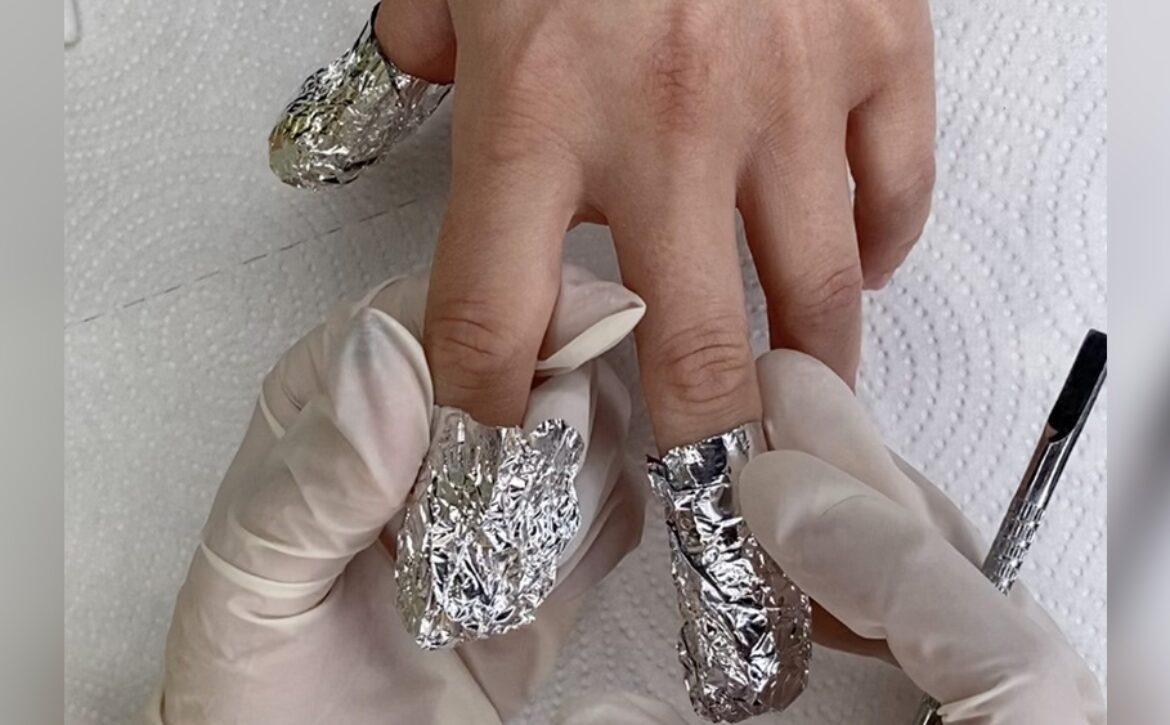
Acrylic nails are made from a mixture of liquid monomer and powder polymer. This combination creates a hard, protective layer. It’s applied over natural nails to enhance length and strength. The mixture hardens when exposed to air, providing a durable and long-lasting finish suitable for various nail designs.

How Long Do Acrylic Nails Last?

Acrylic nails typically last two to three weeks before needing a fill or touch-up. This duration can vary based on nail growth and care. Regular maintenance, including filling gaps and addressing lifting issues, can extend their lifespan. Proper nail care ensures they remain attractive and durable for longer.

Can Acrylic Nails Damage Natural Nails?

Acrylic nails can potentially damage natural nails if not applied or removed properly. Over-filing can weaken nails, and improper removal might cause peeling or brittleness. To minimize damage, it’s important to have them applied and removed by a trained technician.

Regular breaks can help maintain nail health.

How To Remove Acrylic Nails Safely?

To safely remove acrylic nails, soak them in acetone for 15-20 minutes. This softens the acrylic, allowing it to be gently pushed off with an orange stick. Avoid peeling or forcing them off to prevent damage to natural nails. Patience and proper technique ensure safe removal and healthy nails.

Conclusion

Becoming skilled in acrylic nails takes time and practice. Start with basic techniques. Gradually build your skills and confidence. Explore different designs and styles. Always prioritize nail health and hygiene. Use quality tools and materials. This ensures the best results for your clients.

Stay updated with trends and new methods. This keeps your skills relevant and fresh. Engage with other professionals for tips and advice. Remember, patience and dedication are key. Enjoy the creative journey. Your effort will pay off as you grow in this exciting field.

Beauty and Fitness

How to Become a Lymphatic Drainage Massage Expert Today

Are you fascinated by the idea of helping others feel healthier and more vibrant through natural techniques? Imagine having the power to boost your clients’ well-being with just the touch of your hands.

Becoming a lymphatic drainage massage therapist could be your perfect path to making a real difference. This unique massage technique isn’t just a trend; it’s a powerful way to enhance the body’s natural detoxification process and promote overall health. If you’re eager to dive into a rewarding career that blends compassion with expertise, keep reading.

You’ll discover how to master the art of lymphatic drainage massage and transform your passion into a fulfilling profession.

How to Become a Lymphatic Drainage Massage Expert Today

Understanding The Lymphatic System

Becoming skilled in lymphatic drainage massage involves understanding the lymphatic system’s role in health. This gentle technique helps remove waste and toxins, promoting well-being. Training in this specialized massage can enhance your skills and provide relief to clients seeking improved lymph flow.

Understanding the lymphatic system is crucial if you’re considering a career in lymphatic drainage massage. This complex network of tissues and organs helps rid the body of toxins and waste. Knowing how it works can enhance your ability to support your clients’ health effectively.

Functions And Importance

The lymphatic system plays a vital role in maintaining fluid balance in the body. It transports lymph, a fluid containing infection-fighting white blood cells, throughout the body. This system is essential for defending against infections and diseases, acting as a crucial part of the immune system. Imagine your body as a bustling city. The lymphatic system is like the waste management service, ensuring everything runs smoothly and efficiently. Without it, the body would struggle to remove toxins, leading to a buildup that could impact overall health.

Common Disorders

Understanding common disorders of the lymphatic system can make you a better practitioner. Conditions like lymphedema, where excess fluid collects in tissues, can cause swelling and discomfort. This knowledge allows you to tailor your massage techniques to help alleviate symptoms effectively. You might encounter clients with weakened immune systems or those recovering from surgeries. Recognizing these conditions can guide you in adjusting your approach to provide the most benefit. Ask yourself, how can you make a difference in their healing journey? By learning about these disorders, you’ll be better equipped to offer compassionate and informed care. This understanding is what sets apart a good massage therapist from a great one. How will you use this knowledge to enhance your practice?

How to Become a Lymphatic Drainage Massage Expert Today

Benefits Of Lymphatic Drainage Massage

Discovering the world of lymphatic drainage massage can be eye-opening. This massage technique offers numerous benefits. It’s not just about relaxation. It’s about enhancing overall health and well-being. Many people are unaware of how effective it can be. It focuses on the lymphatic system, which plays a crucial role in maintaining health.

Health And Wellness

Lymphatic drainage massage boosts the immune system. It helps reduce swelling and inflammation. Promotes detoxification by removing waste from the body. Enhances circulation, ensuring nutrients reach where they’re needed. Supports the body’s natural healing processes.

Therapeutic Advantages

This massage technique relieves pain and discomfort. Especially helpful for those with chronic conditions. It can improve mobility and flexibility. Reduces stress and anxiety, promoting a sense of calm. Aids in recovery from surgery or injury.

Essential Skills For Practitioners

The journey to becoming a lymphatic drainage massage practitioner is both rewarding and challenging. To excel, certain essential skills are crucial. These skills not only enhance your practice but also ensure that your clients receive the best care possible. Let’s explore the key skills that every aspiring practitioner should master.

Hands-on Techniques

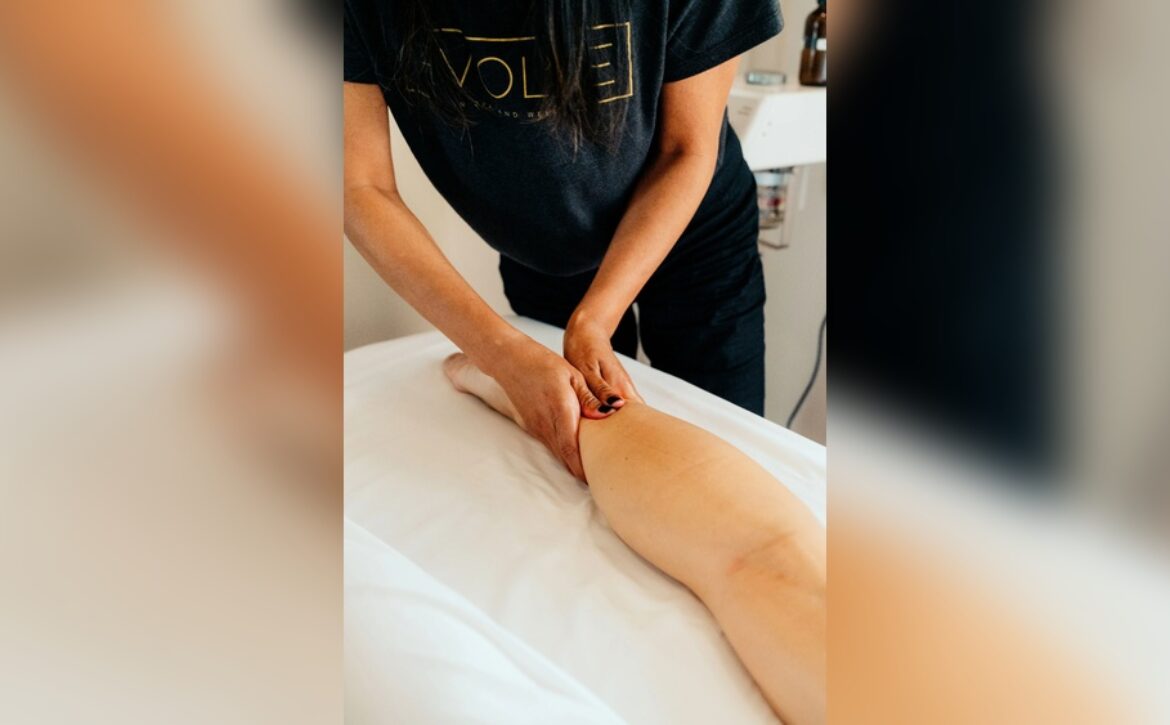
Mastering hands-on techniques is fundamental for any lymphatic drainage massage practitioner. You need to develop a gentle, rhythmic touch that stimulates lymph flow without applying excessive pressure. Remember, it’s all about encouraging fluid movement rather than forceful manipulation.

Consider practicing on yourself to get a feel for the pressure and rhythm required. This personal experience can offer valuable insights into what your clients will experience. Having a keen sense of touch allows you to identify areas that need more attention.

Ask yourself: Are you using the right amount of pressure? Are your movements consistent and smooth? These questions can help refine your technique and ensure effectiveness.

Client Communication

Effective client communication is just as important as mastering techniques. You need to explain the process clearly to clients, especially those new to lymphatic drainage massage. Use simple language and avoid jargon to make them feel comfortable and informed.

Listening is equally crucial. Pay attention to your client’s concerns and health history. This information helps tailor the session to meet their specific needs. Your responsiveness can make them feel valued and understood, fostering trust and loyalty.

Consider asking open-ended questions to encourage your clients to share more about their experiences. What do they hope to achieve with the massage? How do they feel post-session? These insights can guide you in providing personalized care.

By focusing on refining your hands-on techniques and improving client communication, you can elevate your practice and offer exceptional care. What steps can you take today to enhance these skills in your journey to becoming a lymphatic drainage massage practitioner?

Training And Certification

To embark on a career in lymphatic drainage massage, understanding the importance of training and certification is vital. Training not only equips you with the necessary skills but also ensures your practice adheres to professional standards. Certification, on the other hand, validates your expertise and opens doors to various opportunities.

Choosing The Right Program

Selecting the right program can shape your career path significantly. It’s essential to research different programs to find one that fits your needs and goals. Look for accredited institutions that offer comprehensive courses covering anatomy, techniques, and client safety.

Consider the program’s flexibility. If you’re balancing other commitments, you might opt for part-time or online courses. Reach out to past students to hear their experiences and insights. What did they find most beneficial? This can guide you in making a choice that aligns with your aspirations.

Certification Requirements

Certification requirements can vary depending on your location. Some regions have strict guidelines, while others may be more lenient. It’s crucial to understand the requirements specific to your area to ensure compliance.

Gathering information from local health boards or professional massage associations can be helpful. They often provide detailed lists of required hours, exams, and ongoing education. Meeting these requirements not only enhances your credibility but also assures your clients of your professionalism.

Think about how certification can impact your practice. A certified massage therapist is often more trusted by clients, leading to increased bookings and referrals. Are you ready to take that step and elevate your career?

Building Your Practice

Starting a career in lymphatic drainage massage involves learning specialized techniques. Essential skills include understanding human anatomy and mastering gentle massage strokes. Training programs and certifications help build a solid foundation, enabling practitioners to offer effective treatments for clients seeking improved lymphatic health.

Building your practice as a lymphatic drainage massage therapist is an exciting journey. It’s about creating a space where clients feel comfortable and cared for. It’s also about attracting clients who will benefit from your unique skills. Let’s dive into how you can set up your space and attract those clients.

Setting Up Your Space

Your space should feel welcoming and serene. Think about the colors, lighting, and sounds. A calming blue or green can create a soothing atmosphere. Invest in a comfortable massage table and high-quality sheets. Soft music and essential oils can help set a tranquil mood. These elements show your clients you care about their experience. Consider adding personal touches that reflect your style. Maybe a favorite plant or a piece of art. Your space is a reflection of you and your practice.

Attracting Clients

Start by identifying who your ideal clients are. Are they athletes, pregnant women, or people recovering from surgery? Knowing this helps tailor your marketing efforts. Offer introductory specials to draw in new clients. Social media is a powerful tool—share testimonials and before-and-after stories. This builds trust and showcases your expertise. Networking with local health professionals can open doors. Consider partnerships with chiropractors or physical therapists. They can refer clients who need your specialized skills. In the end, building your practice is about authenticity and connection. What do you want your clients to feel when they step into your space? This question can guide every decision you make.

Staying Updated In The Field

Becoming a lymphatic drainage massage therapist involves learning techniques for boosting health through improved circulation. Stay updated by attending workshops, reading recent studies, and practicing regularly. This ensures you offer the best care and keep your skills sharp.

Staying current in the field of lymphatic drainage massage can enhance your skills and open up new opportunities. The wellness industry evolves rapidly, with new techniques and research emerging regularly. By staying updated, you can provide the best care to your clients and maintain a competitive edge.

Continued Education

Enroll in workshops and courses to expand your knowledge and skills. Many organizations offer certifications that not only refresh your existing skills but also introduce you to advanced techniques. Imagine learning a new massage method that improves client results and boosts your confidence. Online platforms like Coursera and Udemy offer flexible learning options. You can study at your own pace while balancing work and personal life. Remember, investing in education is investing in yourself.

Networking Opportunities

Join professional associations related to massage therapy. These groups often host events where you can meet other professionals and share insights. By connecting with peers, you gain fresh perspectives and solutions to challenges you might face. Participate in local wellness fairs or community events. These occasions allow you to meet potential clients and partners. Ask yourself, who might you meet that could inspire or challenge you to grow? Attend conferences to stay abreast of industry trends. These events often feature renowned speakers and workshops. Who knows, you might leave with a new idea that transforms your practice.

Addressing Client Concerns

Addressing client concerns is crucial in building trust and ensuring repeat business as a lymphatic drainage massage therapist. Clients may have various questions and worries about the process, especially if it’s their first time. By tackling these concerns head-on, you create a welcoming environment that encourages open communication.

Managing Expectations

Clients often come with preconceived notions about what a lymphatic drainage massage can achieve. Some might expect instant results or relief from all ailments. It’s important to educate them about the realistic outcomes.

Share your own experiences to illustrate common results. Explain the gradual nature of benefits like reduced swelling or improved circulation. Encourage clients to view the massage as a step towards better health rather than a quick fix.

Ask questions to understand their expectations. What do they hope to achieve with the massage? Use this information to align their expectations with reality. This proactive approach not only sets the right expectations but also fosters trust.

Handling Complaints

Complaints are inevitable in any service industry. How you handle them can make or break your reputation. Addressing complaints promptly and effectively shows professionalism and care.

Listen actively to your client’s concerns. Whether it’s discomfort during the session or dissatisfaction with results, take their feedback seriously. Acknowledge their feelings and work together to find a solution.

Consider sharing a personal story where you turned a complaint into a positive experience. This demonstrates your commitment to client satisfaction. Invite clients to provide feedback regularly. This shows you value their opinion and are willing to improve.

Creating a space for open dialogue reassures clients that their concerns matter. Are you ready to transform complaints into opportunities for growth? Your approach to client concerns can elevate your practice and enhance client relationships.

How to Become a Lymphatic Drainage Massage Expert Today

Frequently Asked Questions

What Is Lymphatic Drainage Massage?

Lymphatic drainage massage is a gentle massage technique that encourages the movement of lymph fluids. This helps remove waste and toxins from the body. It can improve circulation, reduce swelling, and boost the immune system. It is commonly used for detoxification, post-surgery recovery, and treating lymphedema.

How Does Lymphatic Massage Benefit Health?

Lymphatic massage promotes the removal of toxins and waste from the body. It enhances circulation and boosts the immune system. It can reduce swelling and improve skin health. Additionally, it aids in relaxation and stress reduction, supporting overall well-being.

What Skills Are Needed For Lymphatic Massage?

To perform lymphatic massage, you need strong knowledge of human anatomy. Skills in gentle and precise touch are essential. Understanding the lymphatic system is crucial. Communication skills are important for client interaction. Certification in massage therapy is often required.

How Long Does It Take To Learn Lymphatic Massage?

Learning lymphatic massage typically takes several months. Basic massage training can last from a few weeks to a year. Specialized lymphatic drainage courses may take additional weeks or months. Practical experience is crucial for mastering techniques and gaining confidence.

Conclusion

Becoming a lymphatic drainage massage therapist is a rewarding journey. With dedication, you can build a successful career in this field. Start by gaining knowledge and skills through courses. Practice regularly to improve your technique. Connect with clients by understanding their needs.

Building a strong client base takes time and effort. Keep learning to stay updated with new methods. This will enhance your expertise and client satisfaction. Remember, helping people feel better is the heart of this profession. Your passion and commitment can lead you to a fulfilling path.

Beauty and Fitness

How to Become a Waxing And Hair Removal Expert: Guide

Are you fascinated by the beauty industry and intrigued by the art of waxing and hair removal? Imagine transforming that curiosity into a rewarding career.

You might be wondering where to start or how to become a pro in this field. Whether you’re looking to change careers or add a new skill to your repertoire, this guide will walk you through the steps needed to become an expert in waxing and hair removal.

By the end of this article, you’ll not only understand the basics but also discover insider tips that could set you apart in this competitive industry. Let’s dive in and explore how you can turn your passion into a profession and enjoy the satisfaction of helping others feel their best.

Career Pathways

Embarking on a career in waxing and hair removal offers diverse opportunities. It’s a field where precision meets passion. You can help clients feel confident. Understanding the industry and exploring job opportunities is essential. Let’s delve into these critical aspects of your career journey.

Understanding The Industry

The waxing and hair removal industry is a growing sector. It thrives on personal care and grooming trends. Professionals in this field help clients achieve smooth, hair-free skin. Many people seek these services regularly. This demand creates a stable job market.

Training is crucial for success in this industry. You must learn proper techniques and safety measures. Understanding skin types and hair growth patterns is important. Many institutions offer specialized courses in waxing and hair removal. These programs equip you with the necessary skills and knowledge.

Job Opportunities

Once trained, various job opportunities await. You can work in salons, spas, or wellness centers. Each setting offers different experiences and environments. Some professionals choose to specialize in certain types of waxing. Options include body waxing, facial waxing, or even men’s grooming.

Consider becoming a mobile waxing technician. This role involves traveling to clients’ homes. It provides flexibility and a personalized service experience. Many clients appreciate the convenience of at-home services.

Entrepreneurial spirits may open their own waxing business. This path requires business skills and client management. Building a loyal client base is key to success. With dedication and expertise, you can create a thriving business.

How to Become a Waxing And Hair Removal Expert: Guide

Essential Skills

Becoming a waxing and hair removal specialist requires a unique blend of skills that ensures both efficiency and customer satisfaction. Whether you are just starting out or looking to refine your techniques, mastering these essential skills is crucial for success. From technical proficiency to exceptional customer service, each skill plays a significant role in your career journey. So, what does it take to excel in these areas?

Technical Proficiency

Technical proficiency is the backbone of your practice. You must be adept with various hair removal techniques, including waxing, threading, and laser treatments. Each method requires precision and attention to detail.

Imagine a customer coming in for a waxing session, and you effortlessly provide a smooth experience without any discomfort. This level of skill comes from continuous practice and staying updated with the latest products and techniques.

Consider taking specialized courses or workshops that focus on the newest trends in hair removal. This not only enhances your skills but also boosts your confidence in delivering top-notch services. Are you investing enough time in honing your technical abilities?

Customer Service

Customer service is where you transform a first-time visitor into a loyal client. Your ability to communicate effectively and empathize with clients is paramount. Each person has unique needs and preferences.

Picture a scenario where a client feels anxious about their first waxing experience. Your ability to reassure them and provide a comfortable environment makes all the difference. Listening actively and addressing concerns promptly can significantly improve their experience.

Make it a habit to follow up with your clients post-treatment. A simple message asking if they are satisfied with the service shows that you value their feedback. Are you making your clients feel valued and heard?

These skills are not just about technical know-how or pleasant interactions; they are about fostering trust and building lasting relationships. Strive to excel in both areas, and you’ll find yourself thriving in the world of waxing and hair removal.

Educational Requirements

Starting a career in waxing and hair removal requires specific education. Understanding the skin and hair is essential. Proper training ensures safe and effective services for clients. Let’s dive into the educational requirements needed for this career path.

Relevant Courses

Many beauty schools offer courses in skin care and hair removal. These courses teach the basics of anatomy and skin types. They cover the techniques used in waxing and other hair removal methods. Students learn about hygiene and client safety too. Hands-on practice is often included to build confidence.

Certification Programs

Certification programs validate your skills and knowledge in hair removal. These programs often include exams to test your expertise. Some programs may require you to complete a certain number of hours in training. Holding a certification can increase your credibility with clients. It shows that you are qualified and committed to high standards.

Gaining Experience

Gaining experience is crucial in the waxing and hair removal industry. It helps build confidence and improve skills. Whether through internships or apprenticeships, hands-on practice is essential. Real-world experience allows you to understand client needs better. It also lets you learn from experts and refine your techniques.

Internship Opportunities

Internships provide valuable exposure to the industry. Many salons offer internships to budding professionals. This hands-on experience helps you learn about different techniques. Internships also introduce you to the latest products and tools. You can observe experienced professionals and gain insights. This practical learning environment is a great start to your career.

Apprenticeships

Apprenticeships are another excellent way to gain experience. They offer a chance to work closely with skilled professionals. Apprenticeships typically involve extended learning periods. This allows for deeper understanding and skill development. Working alongside a mentor helps you refine your techniques. It’s a great way to learn industry standards and best practices.

Tools And Equipment

To excel in waxing and hair removal, start with essential tools like wax pots, spatulas, and strips. Quality equipment ensures smoother results and client satisfaction. Embrace precision and safety by maintaining clean and sanitized gear.

Embarking on a career in waxing and hair removal requires more than just skill; you need the right tools and equipment to ensure success. Whether you’re setting up a professional salon or offering mobile services, having the right gear is crucial. With these essentials, you not only deliver quality service but also ensure client comfort and safety.

Essential Tools

To begin, you’ll need a high-quality wax heater. This ensures your wax is always at the right temperature, making the process smoother for both you and your client. Next, invest in a variety of waxes. Soft wax is great for larger areas like legs, while hard wax is perfect for sensitive zones like the bikini line. Don’t forget applicators and strips. Wooden spatulas are ideal for applying wax, and fabric strips help you remove it efficiently. Consider adding pre-wax cleansers and post-wax soothing gels to your toolkit. These products prepare the skin and reduce irritation afterward.

Safety And Hygiene

Maintaining safety and hygiene is crucial in this industry. Always wear disposable gloves to protect both yourself and your clients from infections. Use disinfectant wipes to clean your tools and surfaces after each session. This habit reduces the risk of bacteria spreading. Keep a stock of disposable bed covers and towels. They enhance hygiene and offer your clients a sense of cleanliness and care. Have you ever had a client with sensitive skin? A patch test is a simple tool to avoid adverse reactions. It’s always better to prevent than to treat a problem later. In this profession, each piece of equipment plays a role in the quality of service you provide. What other tools do you think are essential for a successful waxing session?

Building Clientele

Building a strong clientele is crucial when starting a career in waxing and hair removal. It’s not just about offering a service; it’s about creating a welcoming atmosphere where clients feel valued. You’ll need effective strategies to attract and retain clients, ensuring your business thrives in the competitive beauty industry.

Marketing Strategies

Marketing is your tool for reaching potential clients. Utilize social media platforms like Instagram and Facebook to showcase your skills. Post before-and-after photos and client testimonials to build trust.

Consider offering special promotions for first-time clients. This can encourage them to try your services. Collaborate with local beauty influencers to broaden your reach and credibility.

Think about the last time you were drawn to a brand online. What caught your attention? Use similar tactics to grab your audience’s interest and engage them.

Client Retention

Once you’ve attracted clients, keeping them is key. Provide an unforgettable experience. Warm greetings and personalized consultations make clients feel special.

Offer loyalty programs or discounts for repeat visits. These incentives encourage clients to return, boosting your business’s stability.

Regularly ask for feedback to improve your services. Clients appreciate being heard, and it shows you care about their experience. What’s one simple change you could make based on client feedback?

Staying Updated

Staying updated in the waxing and hair removal industry is crucial. The beauty sector changes rapidly. New techniques and products emerge constantly. Professionals need to keep pace with these advancements. Regular updates ensure client satisfaction and safety. This section explores effective ways to stay informed.

Continuing Education

Continuing education enhances skills and knowledge. Attend workshops and seminars regularly. They offer hands-on experience. Online courses provide flexibility and are often affordable. These courses cover various topics. Skin health, hygiene, and the latest waxing methods. Certifications boost credibility. They show commitment to learning and quality service.

Industry Trends

Industry trends shape the future of hair removal. Follow beauty magazines and blogs. They highlight new products and techniques. Social media platforms are valuable. They offer insights into current trends. Join professional groups and forums online. Engage with peers and industry leaders. Share experiences and gain diverse perspectives. Monitor consumer preferences closely. Their needs drive industry change.

How to Become a Waxing And Hair Removal Expert: Guide

Challenges And Solutions

Starting a career in waxing and hair removal presents unique challenges. Learning proper techniques and ensuring client comfort are crucial. Solutions include attending training courses and practicing regularly to build skill and confidence.

Becoming a professional in waxing and hair removal involves facing challenges. These challenges can affect both beginners and seasoned experts. Understanding these hurdles helps in finding effective solutions. Let’s explore common issues and their solutions in this field.

Common Issues

Dealing with different skin types can be tough. Sensitive skin often reacts to waxing, causing discomfort. Clients may also feel pain during the procedure. Timing is another challenge. Sessions must be quick but thorough. Incorrect technique can lead to skin irritation or uneven hair removal. Maintaining hygiene is crucial. Any lapse can cause infections. Keeping up with new products and techniques can be overwhelming too.

Effective Solutions

Education is key. Attend workshops to learn about skin types. Use hypoallergenic wax for sensitive skin. Communicate with clients to understand their pain threshold. Practice helps in improving speed and technique. Always follow strict hygiene protocols. Clean tools and sanitize the workspace regularly. Stay updated with industry trends. Subscribe to professional magazines or online forums. Experiment with different products to find what works best.

How to Become a Waxing And Hair Removal Expert: Guide

Frequently Asked Questions

What Qualifications Are Needed For Waxing?

To become a waxing professional, you typically need a cosmetology or esthetician license. These programs teach the necessary skills for hair removal. Training includes hygiene, safety, and various hair removal techniques. Check local regulations, as requirements can vary by location.

Continuing education is often recommended to stay updated on industry trends.

How Do I Find Waxing Courses?

Start by researching beauty schools or online platforms offering waxing courses. Look for accredited programs to ensure quality education. Consider courses that cover both theory and practical skills. Check reviews and testimonials to gauge the program’s effectiveness. Networking with industry professionals can also provide valuable recommendations.

Is Waxing A Profitable Career?

Waxing can be a profitable career due to high demand for hair removal services. Success depends on skill, location, and marketing. Building a loyal clientele is crucial for steady income. Additional services can increase earnings. Continuous learning and specialization can enhance your career prospects and profitability.

What Tools Are Needed For Waxing?

Essential tools for waxing include wax warmers, applicators, and strips. Choose quality wax suitable for various skin types. Stock up on pre- and post-wax care products. Maintain hygiene with gloves and sanitizers. Invest in comfortable treatment beds. Proper tools enhance service quality and client satisfaction.

Conclusion

Embarking on a waxing and hair removal career is fulfilling. Start by gaining the right skills. Training and practice are crucial. Focus on building a strong client base. Offer personalized services to stand out. Keep up with trends and new techniques.

This field requires dedication and patience. But the rewards are worth it. Happy clients and a successful business. Always prioritize safety and hygiene. Your passion and hard work will shine through. Keep learning and growing. This journey can lead to a thriving career in beauty.

Embrace it and succeed.

Beauty and Fitness

How to Become a Brow Lamination Expert: Step-by-Step Guide

Imagine waking up every morning with perfect brows—no pencil, no powder, just naturally stunning arches that frame your face effortlessly. Brow lamination can make this dream a reality, and you could be the artist behind it.

If you’re passionate about beauty and eager to learn a skill that transforms appearances, becoming a brow lamination expert might be your perfect path. You’ll discover simple steps to master brow lamination, a trend that’s taking the beauty industry by storm.

Whether you’re looking to boost your career or simply want to refine your skills, you’ll find everything you need to know right here. From understanding the basics to learning advanced techniques, get ready to dive into a world of beauty and precision. Stay with us to unlock your potential and elevate your expertise.

How to Become a Brow Lamination Expert: Step-by-Step Guide

Brow Lamination Basics

Brow lamination is a popular beauty treatment. It’s gaining traction worldwide. Aspiring beauty professionals often consider adding this skill to their repertoire. Understanding the basics is crucial. This includes knowing what brow lamination entails. And, of course, the benefits it offers. Let’s dive into the essentials.

What Is Brow Lamination?

Brow lamination is a non-invasive procedure. It tames unruly eyebrows. This treatment sets brow hairs in a desired shape. The result is smooth, fuller-looking brows. It uses a chemical solution to reshape hairs. The process is quick and painless. It typically lasts about six weeks.

Benefits Of Brow Lamination

Brow lamination offers several advantages. It enhances the appearance of brows. Clients enjoy a polished and defined look. The procedure boosts brow volume. It eliminates the need for daily brow styling. Brow lamination is suitable for all hair types. It’s an affordable option for those seeking brow perfection. Importantly, it saves time and effort in daily routines.

Essential Tools And Products

Embarking on the journey to become a brow lamination expert is both exciting and rewarding. To ensure you deliver top-notch services, it’s crucial to equip yourself with the right tools and products. Just like any craft, the quality of your work can greatly depend on the resources you have at your disposal. Let’s dive into what you really need to get started.

Must-have Tools

To achieve flawless brows, precision is key. Imagine trying to sculpt with a dull chisel; it wouldn’t work, right? A set of high-quality tweezers is indispensable. They help in shaping the brows with precision, ensuring every hair is perfectly placed.

An angled brush should be in your kit. It’s your best friend for applying tint and styling brows. It gives you control over the application, allowing you to create clean lines.

Don’t forget the small scissors! These are vital for trimming long brow hairs and keeping the shape neat. They might seem minor, but they make a huge difference in the final look.

Recommended Products

When choosing products for brow lamination, quality matters. A brow lamination kit is essential. These kits typically include perm solutions, setting lotions, and nourishing serums. They are designed to give brows a lifted and fuller appearance.

Consider investing in a brow tint. It enhances the depth and color of the brows, making them look more defined. Opt for a product that has a range of shades to match various skin tones.

Aftercare is crucial. A nourishing brow serum should be part of your offerings. This product helps in maintaining the health of the brows post-treatment, ensuring clients return with healthy, lush brows.

How will you ensure the products you choose align with your brand’s values? This is a question worth pondering, especially if sustainability and ethics are important to you.

Training And Certification

Entering the world of brow lamination demands proper training and certification. Training equips you with the skills to safely enhance brows. Certification validates your expertise. It assures clients of your professionalism. Let’s dive into how to become a certified brow lamination expert.

Finding Accredited Courses

Start with finding reputable courses. Accredited courses ensure quality education. They provide industry-standard techniques and practices. Research schools with a strong reputation. Seek reviews from past students. Verify the school’s accreditation status. This guarantees your training is recognized.

Importance Of Certification

Certification proves your skill level. It builds trust with clients. Certified professionals often have more opportunities. Many salons prefer certified experts. It boosts your credibility in the beauty industry. Certification shows you meet specific standards. It reflects your commitment to excellence.

Step-by-step Lamination Process

Embarking on the journey to mastering brow lamination is both exciting and rewarding. Whether you’re a beauty enthusiast or aspiring professional, understanding the step-by-step lamination process is crucial. This guide will walk you through each stage, ensuring you create flawless brows every time.

Preparing The Brows

Preparation is key to achieving perfect brows. Start by cleaning the brows thoroughly to remove any oils or makeup. Use a gentle cleanser or micellar water. This ensures the lamination solution adheres effectively.

Next, brush the brows upwards using a spoolie. This helps you see the natural shape and identify any gaps or sparse areas. Consider trimming any excessively long hairs. This small step can make a big difference in the final result.

Applying The Solution

The lamination solution is the star of the show. Apply the first solution to the brows using a precise applicator. Make sure each hair is coated evenly.

Timing is crucial here. Follow the instructions on the product for how long to leave the solution on. This varies depending on the brand, but it’s typically around 8-10 minutes. Keep an eye on the clock!

Setting And Shaping

Once the solution has done its magic, it’s time to set and shape. Remove the solution gently with a damp cotton pad. Be careful not to disrupt the hair placement.

Apply the setting lotion using the applicator, brushing the brows in the desired direction. This is your chance to perfect the shape. Think of it as sculpting your own masterpiece.

Aftercare Tips

Aftercare is essential for long-lasting results. Avoid getting your brows wet for at least 24 hours. This allows the lamination to set properly.

Consider using a brow conditioner to keep the hairs nourished and healthy. This can make a significant difference in maintaining the look. How can you keep your brows looking their best? Regularly brush them to keep the hairs in place and enhance the laminated effect.

With these steps, you’re well on your way to becoming a brow lamination expert. Why not share your experiences with others? Every brow tells a story, and yours could inspire someone else to pursue their passion for beauty.

Common Mistakes To Avoid

Embarking on the journey to become a brow lamination expert is exciting, but it’s crucial to steer clear of common pitfalls. Mistakes can lead to less-than-stellar results or even damage to your client’s brows. By understanding these errors and learning how to avoid them, you can ensure beautiful, long-lasting results. Let’s dive into some common mistakes you might encounter and how to sidestep them.

Over-processing

One of the biggest blunders in brow lamination is over-processing. Leaving the chemical solution on for too long can make brows look unnatural and stiff. Timing is everything, and you need to be vigilant.

Consider setting a timer to remind you when to remove the product. This small action can save you from the embarrassment of crunchy brows. Remember, the goal is to achieve sleek, lifted brows, not crispy ones.

Have you ever felt rushed and left the solution on longer than intended? It’s a common mistake, but one that can be easily avoided with proper planning. Take your time and focus on precision over speed.

Incorrect Product Use

Using the wrong product can spell disaster for your brow lamination efforts. Each product has specific instructions and intended uses. Misusing them can lead to uneven results or skin irritation.

Always read and follow the product instructions carefully. Familiarize yourself with the ingredients and their effects on different skin types. This diligence can prevent mishaps and keep your clients coming back.

Imagine the disappointment of using a product that doesn’t deliver as promised. Double-check your product selection and ensure it aligns with your client’s needs. This attention to detail is what distinguishes a good brow artist from a great one.

Are you confident in your product knowledge? Take the time to educate yourself on the latest brow lamination products and techniques. Investing in your expertise pays off in satisfied clients and stunning brows.

How to Become a Brow Lamination Expert: Step-by-Step Guide

Building Your Brow Business

Building your brow business is an exciting journey filled with opportunities to grow your skills and connect with clients. You’ll need more than just technical ability to succeed; your business acumen is equally important. Whether you’re just starting out or looking to expand, mastering marketing and client retention can set you apart in the beauty industry.

Marketing Your Services

Effective marketing begins with understanding your target audience. Who are your ideal clients? Are they young professionals, busy moms, or students? Tailoring your message to their needs and desires can make your services irresistible.

Utilize social media platforms like Instagram and Facebook. Share engaging content that showcases your brow transformations. Use before-and-after photos, tutorials, and client testimonials to build trust and attract new customers.

Consider offering special promotions or discounts for first-time clients. A limited-time offer can create urgency and encourage potential clients to book your services. What unique value can you offer to stand out from your competitors?

Client Retention Strategies

Client retention is crucial for a sustainable business. Focus on creating memorable experiences for your clients. Personalize each appointment by listening to their preferences and delivering exceptional service every time.

Encourage repeat visits by implementing a loyalty program. Offer rewards or discounts for returning clients. This not only incentivizes them to come back but also makes them feel valued.

Stay connected with your clients through regular follow-ups. Send personalized messages or emails to check in and offer tips for maintaining their brows. Building a relationship beyond the initial appointment can turn one-time clients into lifelong fans.

Reflect on your own experiences as a customer. Think about what made you return to a service. How can you incorporate those elements into your brow business to ensure your clients keep coming back?

Staying Updated With Trends

Staying updated with trends is crucial for anyone looking to excel in the brow lamination industry. As styles and techniques evolve, you need to be on top of your game to offer the best services to your clients. Embracing the latest trends can make your work stand out and help build your reputation as a leading brow expert.

Latest Styles And Techniques

The beauty industry is dynamic, with trends changing frequently. One day, thick, bold brows are in; the next, sleek and subtle styles take over. Pay attention to social media platforms like Instagram and TikTok, where influencers often showcase trending brow styles.

Try experimenting with different looks on practice brows or willing clients. This keeps your creativity alive and helps you master new techniques. Learning to adapt quickly can set you apart in this fast-paced industry.

Continuing Education Resources

Investing in continuing education is vital to staying current. Look for workshops, webinars, and online courses that cover the latest brow lamination trends and techniques. Many beauty academies offer specialized courses, allowing you to sharpen your skills from the comfort of your home.

Don’t underestimate the power of networking with fellow professionals. Engaging in forums or attending industry conferences can expose you to fresh ideas and insights. What new technique have you learned from a colleague recently?

Your commitment to learning will not only enhance your skills but also boost your confidence in delivering top-notch services. Stay curious and open to new knowledge; it might just be the key to your success.

Frequently Asked Questions

What Is Brow Lamination?

Brow lamination is a beauty treatment that enhances eyebrows. It involves straightening and setting the brow hairs in place. This gives them a fuller, more defined look. The process is non-invasive and lasts about six to eight weeks. It’s ideal for achieving a sleek, polished brow appearance.

How Long Does Brow Lamination Last?

Brow lamination typically lasts between six to eight weeks. The longevity depends on your hair growth cycle. Proper aftercare can help maintain the results longer. Avoid getting your brows wet for 24 hours post-treatment. Using a nourishing brow serum may also extend the effects.

Can I Do Brow Lamination At Home?

While possible, it’s not recommended to do brow lamination at home. Professional estheticians have the expertise and products to ensure safety. DIY attempts can lead to uneven results or damage. If you choose to try it, ensure you follow detailed instructions and use quality products.

Who Should Avoid Brow Lamination?

People with sensitive skin, eczema, or psoriasis should avoid brow lamination. The chemicals used can irritate sensitive skin. If you have existing brow tattoos, consult a professional first. Always perform a patch test beforehand to ensure no adverse reactions occur.

Conclusion

Becoming a brow lamination expert is within your reach. Start by learning the basics. Practice regularly to refine your skills. Connect with industry professionals for guidance and support. Always stay updated on the latest trends and techniques. Client satisfaction should be your top priority.

Build a portfolio to showcase your work. This will attract more clients. Remember, patience and persistence are key. Your dedication can lead to a successful career in brow lamination. Keep pushing forward and enjoy the journey. Success comes with time and effort.

Your dream job is closer than you think.