No products in the cart.

No products in the cart.

Professional Development

How to Become a Laboratory Technician: Step-by-Step Guide

Becoming a laboratory technician involves specific steps and skills. You need the right education and training.

Curious about how to start this career? Let’s explore what it takes. Laboratory technicians play a key role in scientific research and healthcare. They handle samples, conduct tests, and help scientists and doctors make important discoveries. To become one, you need a solid foundation in science and technology.

Many start with a degree or certificate in laboratory sciences. This gives you the basic knowledge needed for the job. Hands-on training is also crucial. It helps you understand the tools and techniques used in real labs. With dedication and the right guidance, you can step into this fulfilling career. Ready to learn more about how to become a laboratory technician? Let’s dive deeper into the steps you need to take.

Career Pathways

Becoming a laboratory technician offers a fulfilling career path. These professionals play a vital role in medical and scientific fields. They conduct tests, analyze results, and help in diagnosing illnesses. The career pathways for a laboratory technician are diverse and promising. With the right education and certifications, you can excel in this field. Understanding the educational requirements and certification options is key to success.

Educational Requirements

Pursuing a career as a laboratory technician starts with the right education. An Associate Degree in Laboratory Technology is often the first step. This degree provides foundational knowledge in science and lab practices. Some key subjects include:

  • Clinical Laboratory Science
  • Microbiology
  • Biochemistry
  • Hematology

These courses prepare students for various laboratory technician responsibilities. The program typically lasts two years. It combines classroom learning with lab skills training. This hands-on experience is crucial for a successful laboratory technician career. For those aiming higher, a bachelor’s degree in Medical Laboratory Technician or related fields is beneficial. A table below outlines possible educational paths:

Education Level Program Duration Focus Areas
Associate Degree 2 years Basic Lab Skills, Clinical Practice
Bachelor’s Degree 4 years Advanced Lab Techniques, Research Skills

Choosing the right education path is crucial for the laboratory technician job description. It defines the level of expertise and opportunities available.

Certification Options

Certifications enhance your credibility in the field. They demonstrate your competence and commitment. After completing the necessary education, pursuing a laboratory technician certification is advisable. Popular certifications include:

  • American Society for Clinical Pathology (ASCP)
  • National Credentialing Agency for Laboratory Personnel (NCA)
  • American Medical Technologists (AMT)

These certifications require passing an exam and sometimes a specific amount of work experience. They validate your expertise in clinical laboratory science. Certification can positively impact your laboratory technician salary by enhancing job prospects and earning potential. Certification also keeps professionals updated on industry standards. This ensures the highest quality of work in labs. Maintaining certification often involves continuing education. This ongoing learning keeps your skills sharp and relevant. This is essential for career advancement in the ever-evolving laboratory technician career landscape.

Essential Skills

Becoming a Laboratory Technician is a rewarding career path. This role requires a blend of essential skills that are crucial for success. Whether you’re aiming to work as a Clinical Laboratory Technician or a Microbiology Technician, mastering these skills is key. Let’s explore the technical and soft skills you’ll need to excel in this field.

Technical Skills

Technical skills are the backbone of any Laboratory Technician’s role. These skills ensure that you can effectively handle laboratory tasks and processes. To begin with, Laboratory Equipment Handling is a critical skill. You must know how to operate and maintain various lab instruments. This includes microscopes, centrifuges, and spectrophotometers. Moreover, understanding Laboratory Safety Protocols is essential. Safety is paramount in any lab setting. You need to be familiar with handling chemicals and biological samples safely. Proper disposal of hazardous materials is also crucial. Aspirants should focus on gaining Technical Laboratory Skills through comprehensive training. Here are some key areas:

  • Sample preparation and analysis
  • Data collection and interpretation
  • Quality control and assurance

Consider enrolling in a Laboratory Technician Training program. This can include a Laboratory Technician Certification to validate your skills. Below is a table summarizing essential technical skills:

Skill Description
Equipment Handling Operate and maintain lab instruments
Safety Protocols Ensure lab safety and proper disposal
Data Analysis Collect and interpret data accurately

Soft Skills

While technical skills are important, Soft Skills For Technicians cannot be overlooked. These skills help you work effectively in a team and communicate your findings clearly. Communication is at the core of these skills. You must be able to relay information accurately to colleagues and supervisors. This includes written reports and verbal communication. Attention to detail is another critical soft skill. Labs require precision. A small mistake can lead to incorrect results. Thus, being meticulous in your work is vital. Problem-solving abilities also play a major role. Labs often present unexpected challenges. Being able to think on your feet and find solutions is a valuable trait. Here is a list of essential soft skills:

  1. Effective Communication
  2. Attention to Detail
  3. Problem-solving
  4. Teamwork

Soft skills are developed through experience and practice. Working in various lab environments can enhance these abilities, paving the way for a successful Career In Laboratory Science.

Job Responsibilities

Becoming a laboratory technician involves understanding the essential job responsibilities that define this career. It’s not just about wearing a lab coat and performing tests. A laboratory technician plays a crucial role in ensuring accurate diagnostic testing and maintaining the quality control in labs. These professionals are responsible for handling laboratory equipment with precision, following laboratory procedures, and applying clinical laboratory techniques. Their role also involves adhering to strict lab safety practices to ensure a safe working environment. Every task performed by a laboratory technician contributes to the broader field of medical laboratory technology and supports the healthcare system.

Daily Tasks

A laboratory technician’s day is filled with varied tasks that require meticulous attention and laboratory skills. Here are some daily activities:

  • Preparing samples for analysis.
  • Operating and maintaining laboratory equipment.
  • Conducting routine diagnostic testing.
  • Recording and analyzing data accurately.
  • Collaborating with scientists and healthcare professionals.

These tasks demand a solid understanding of laboratory procedures. Accuracy is crucial. A single error can lead to incorrect diagnoses. Therefore, technicians must be detail-oriented. They often use tables to organize and interpret data efficiently.

Task Description
Sample Preparation Collecting and preparing biological samples for testing.
Equipment Operation Using machines for precise measurements and tests.
Data Recording Entering findings into databases for analysis.

Safety Protocols

Safety protocols are the backbone of any laboratory technician training. Understanding lab safety practices is vital. This ensures protection from hazardous materials. Technicians follow strict guidelines to minimize risks. Here’s how they maintain safety:

  1. Wearing protective gear such as gloves, goggles, and lab coats.
  2. Ensuring proper ventilation in work areas.
  3. Disposing of waste according to safety regulations.
  4. Regularly cleaning and sterilizing equipment.
  5. Conducting routine safety checks.

Following these protocols helps prevent accidents. Lab safety practices are not just about personal safety. They also protect samples from contamination. This is critical for maintaining the integrity of diagnostic testing results. Technicians must stay updated on safety standards and procedures. Continuous education in medical laboratory technology is essential for safety.

Work Environments

Becoming a laboratory technician opens doors to diverse work environments. This career offers an exciting blend of science and practical tasks. Whether you aim to be a clinical laboratory technician or work in a research setting, understanding your work environment is crucial. It impacts your daily tasks, interactions, and career growth. Let’s explore the types of laboratories and workplace culture that shape a laboratory technician’s journey.

Types Of Laboratories

Laboratories come in various forms. Each offers unique challenges and opportunities. Here’s a look at different types of laboratories where technicians might work:

  • Clinical Laboratories: These are often in hospitals or clinics. Medical laboratory technicians analyze blood, urine, and other samples. Duties include ensuring accurate test results to aid doctors in patient diagnosis.
  • Research Laboratories: Found in universities or private companies. Laboratory technicians assist in experiments. They help in discovering new drugs or technologies.
  • Environmental Laboratories: These focus on testing air, water, and soil. Technicians ensure compliance with environmental regulations. They play a role in public health and safety.

Below is a simple table showing the key focus areas:

Type of Laboratory Primary Focus
Clinical Patient health
Research Innovation and discovery
Environmental Public safety

Workplace Culture

Understanding workplace culture is vital for a successful laboratory technician career. It influences job satisfaction and productivity. Here are aspects to consider:

  • Teamwork: Collaboration is key in a laboratory environment. Technicians often work in teams. Sharing ideas and solutions boosts efficiency.
  • Attention to Detail: Precision is crucial. Laboratory technician skills include meticulous data recording. Errors can lead to incorrect conclusions.
  • Safety Protocols: Laboratories follow strict safety rules. Adhering to these ensures a safe work environment. It protects technicians and maintains sample integrity.

Below are some factors impacting workplace culture:

  1. Clear communication channels.
  2. Continuous learning opportunities.
  3. Supportive management.
  4. Recognition of achievements.

Embrace these elements for a thriving career. Laboratory technician education and certification equip you with necessary skills. A positive workplace culture enhances your laboratory technician job outlook and salary potential.

Advancement Opportunities

Becoming a laboratory technician opens doors to various advancement opportunities. As you gain experience and knowledge, you can explore many paths to boost your career in laboratory technology. Whether through further education or specialization, a laboratory technician can grow and evolve in this dynamic field. Opportunities abound for those ready to enhance their skills and take on new challenges in the world of medical laboratory science.

Further Education

Further education is key for laboratory technicians aiming to advance their careers. Many professionals choose to pursue an Associate Degree in Laboratory Technology. This degree provides a deeper understanding of complex laboratory procedures and techniques. It also enhances your credentials, making you more competitive in the job market. Consider these further education options:

  • Bachelor’s Degree in Biomedical Science: Offers a broader understanding of biological processes and lab techniques.
  • Certification Programs: Programs like the Laboratory Technician Certification validate your skills and can lead to higher pay.
  • Workshops and Seminars: These can update your lab technician skills and keep you informed about the latest advancements in technology.

Higher education often leads to better job prospects. According to studies, technicians with advanced degrees or certifications often enjoy improved salaries and job positions. The table below highlights the potential benefits:

Education Level Potential Benefits
Associate Degree Entry-level positions, foundational skills
Bachelor’s Degree Higher salary, broader job opportunities
Certification Specialized skills, validation of competencies

Specializations

Specializations allow a laboratory technician to focus on specific areas within the field. This can lead to more responsibilities and better job titles. Specializing in areas like clinical laboratory technician roles or medical laboratory science can be rewarding. Common specializations include:

  • Clinical Chemistry: Focuses on analyzing blood and other bodily fluids.
  • Microbiology: Studies microorganisms and their effects on humans.
  • Hematology: Involves the study of blood and related disorders.

Specializing not only increases your expertise but also opens doors to supervisory roles. These roles often involve overseeing laboratory safety protocols and ensuring the quality of laboratory results. As you gain experience in a specialized field, you might even contribute to research and development projects. Specializations can make your laboratory technician job description more diverse and fulfilling. They allow you to engage in challenging tasks, leading to a more satisfying career path.

How to Become a Laboratory Technician: Step-by-Step Guide

Job Market Insights

Embarking on a career as a laboratory technician offers a rewarding path filled with opportunities. Understanding the job market insights is crucial to navigate this career successfully. This section delves into the demand trends and salary expectations for laboratory technicians, providing a comprehensive overview of the current landscape. As medical laboratory technology advances, the demand for skilled technicians grows, influencing job outlook and salary scales.

Demand Trends

The demand for laboratory technicians is experiencing a steady rise. This trend is driven by the growing healthcare industry and technological advancements in medical laboratory technology. With an increasing aging population, the need for diagnostic testing is higher than ever. Several factors contribute to the demand for skilled laboratory technicians:

  • Aging Population: More health issues requiring laboratory tests.
  • Technological Advancements: New testing methods and tools.
  • Healthcare Expansion: More facilities need skilled technicians.

Understanding the laboratory technician work environment is essential. Technicians often work in hospitals, clinics, and research facilities. Their responsibilities include conducting tests, recording data, and maintaining equipment.

Sector Demand Level
Healthcare High
Research Moderate
Education Moderate

A laboratory technician career requires specific skills. These include attention to detail, analytical skills, and technical proficiency. Certification and education are also critical for job prospects.

Salary Expectations

Understanding salary expectations helps in planning a successful laboratory technician career. The laboratory technician salary range varies based on experience, location, and sector. For an entry-level laboratory technician, salaries typically start at the lower end of the scale. As technicians gain experience and additional certifications, their earning potential increases.

  • Entry-Level Laboratory Technician: $30,000 – $40,000 annually.
  • Mid-Level Technician: $40,000 – $50,000 annually.
  • Experienced Technician: $50,000 and above.

Location significantly impacts salaries. Urban areas often offer higher wages compared to rural settings. The laboratory technician job outlook remains positive, with growth expected in the coming years. Securing a laboratory technician certification can further enhance salary prospects. This certification demonstrates proficiency and commitment to the field. It is an investment in your professional growth. Overall, understanding these salary expectations allows aspiring technicians to make informed career decisions.

Networking Strategies

Networking Strategies play a crucial role in developing your career as a laboratory technician. Establishing strong professional connections can open doors to new opportunities. It can also help you stay updated with the latest advancements in Medical Laboratory Technology. Whether you’re aiming to enhance your Laboratory Technician Skills or seeking Certification For Lab Technicians, effective networking can support your journey. Let’s explore some strategies to build and expand your network.

Professional Organizations

Joining Professional Organizations can significantly impact your career in laboratory science. These organizations offer a platform to connect with peers, industry experts, and potential employers. They also provide resources for Professional Development In Lab Science.

  • Access to workshops and seminars focusing on Laboratory Technician Duties.
  • Opportunities to participate in conferences that discuss the Job Outlook For Laboratory Technicians.
  • Networking events to meet professionals with diverse Laboratory Technician Skills.

Some notable Laboratory Technician Associations include:

Association Focus Area
American Society for Clinical Laboratory Science (ASCLS) Certification For Lab Technicians, advocacy
National Accrediting Agency for Clinical Laboratory Sciences (NAACLS) Accreditation, Laboratory Technician Training

Being active in these organizations can enhance your reputation. It can also increase your knowledge, which may lead to improved Laboratory Technician Salary prospects.

Online Communities

Online Communities are another valuable resource for networking. They offer a convenient way to connect with others in the field of laboratory technology. Participating in these communities can broaden your understanding of Medical Laboratory Technology.

  • Join forums that discuss Laboratory Technician Duties and challenges.
  • Engage in social media groups focused on Laboratory Technician Skills development.
  • Participate in webinars and Online Courses For Lab Technicians.

These platforms provide insights and advice from experienced professionals. They are ideal for sharing ideas and seeking guidance on Laboratory Technician Training. Consider these benefits of online networking:

  1. Flexibility to learn at your own pace.
  2. Access to a wide range of topics and experts.
  3. Building a global network without geographical constraints.

Online networking can be a stepping stone for anyone aiming to improve their Laboratory Technician Salary and job prospects.

How to Become a Laboratory Technician: Step-by-Step Guide

Application Tips

Becoming a laboratory technician opens doors to an exciting career in science and healthcare. Aspiring lab techs need more than just the right education. They must present themselves effectively during the application process. Whether crafting a resume or preparing for an interview, certain strategies can enhance your prospects. Below are some valuable tips for applying to laboratory technician positions.

Resume Building

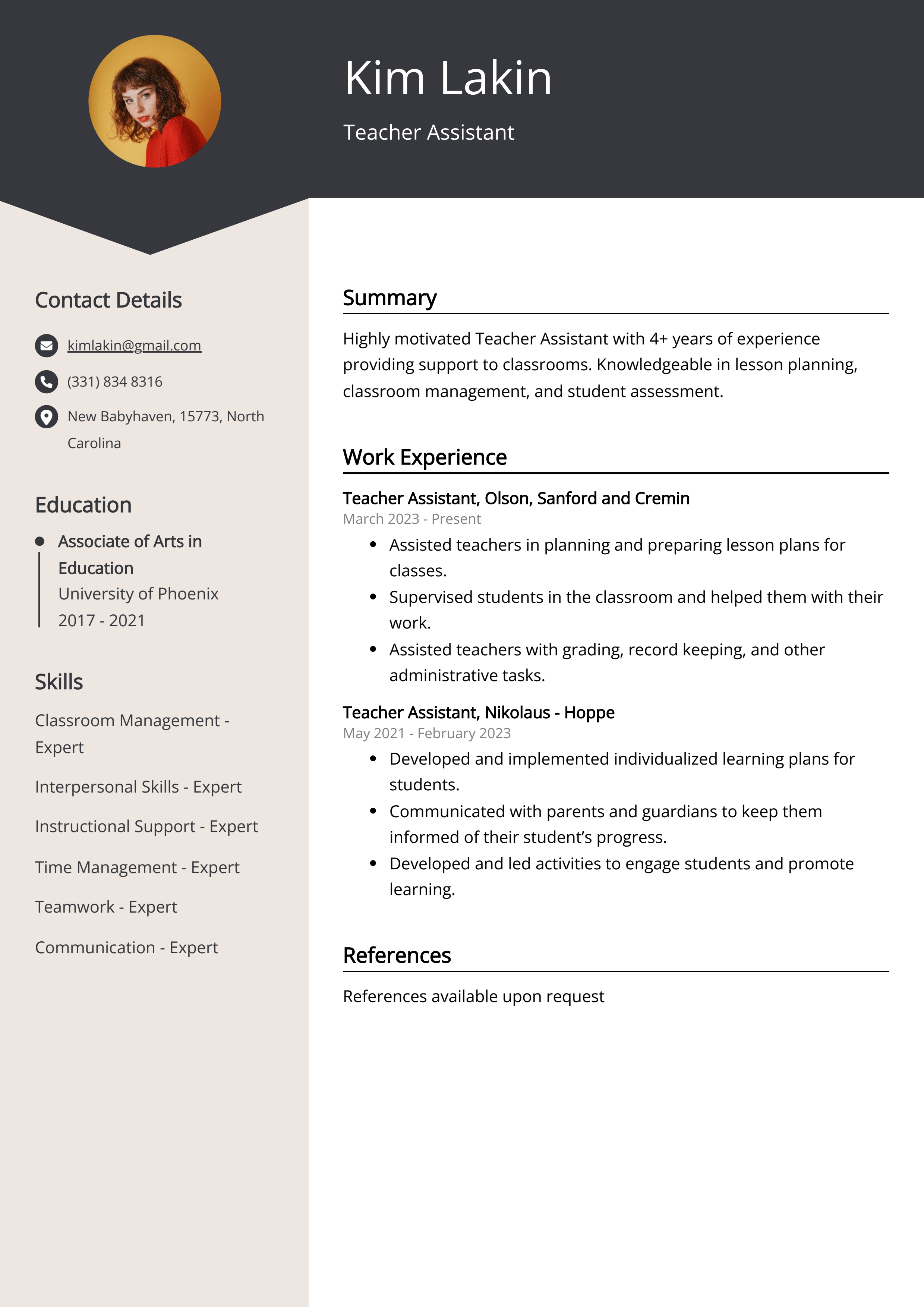
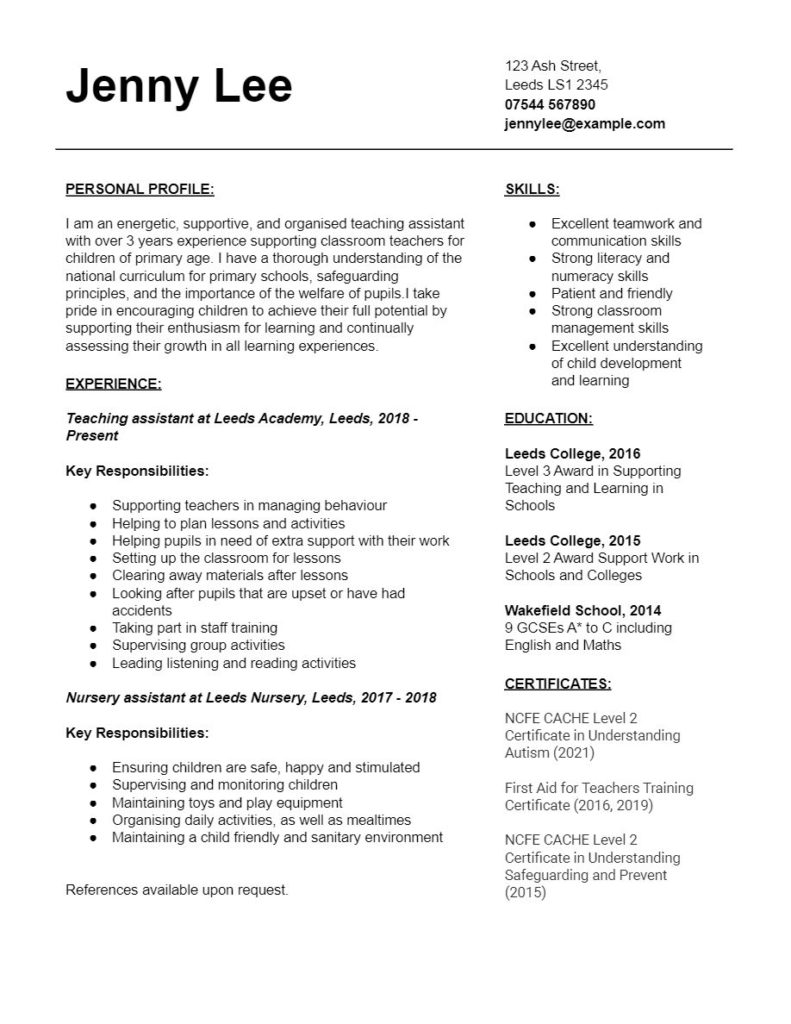
Creating a standout resume is crucial. It’s the first impression employers get of your qualifications. Here are some Laboratory Technician Resume Tips to consider:

  • Highlight relevant skills: Focus on key Laboratory Technician Skills such as attention to detail, analytical abilities, and proficiency in lab equipment.
  • Showcase your education: Clearly state your Laboratory Technician Education Requirements and any Laboratory Technician Training Programs you’ve completed.
  • Include certifications: Mention any Laboratory Technician Certification you possess. Certifications can make you stand out.
  • Detail your experience: Use bullet points to describe your previous roles. Explain Laboratory Technician Duties and how they prepared you for this job.

Consider using a table to organize information:

Section Details
Education Degree, institution, year
Certifications Certification name, year obtained
Skills Technical skills, soft skills

Interview Preparation

Preparing for an interview is as important as your resume. Anticipating Laboratory Technician Interview Questions can give you a competitive edge. Here are some strategies:

  1. Research the company: Understand their mission and values. Tailor your answers to align with their goals.
  2. Understand the job description: Familiarize yourself with the Laboratory Technician Job Description. Highlight your experiences that match these duties.
  3. Practice common questions: Prepare for queries about your experience, skills, and why you chose this Laboratory Technician Career Path.
  4. Show enthusiasm: Employers value candidates passionate about the work.

Discussing salary expectations? Research the Laboratory Technician Salary range in your area. This helps in negotiating a fair pay. Lastly, dress professionally and arrive on time. Confidence and punctuality leave a lasting impression.

How to Become a Laboratory Technician: Step-by-Step Guide

Frequently Asked Questions

How Long Does It Take To Be A Lab Technician?

Becoming a lab technician typically takes 2 years. Most programs offer associate degrees. Some may opt for certificate programs, which can be shorter. Training includes coursework and hands-on experience. Consider gaining certification for better job prospects. Time may vary based on program type and personal pace.

What Degree Is Best For Lab Technician?

An Associate’s degree in Laboratory Science or Medical Laboratory Technology is ideal for a lab technician role. Some positions may require a Bachelor’s degree in Biology, Chemistry, or a related field. These programs provide essential skills and knowledge for conducting laboratory tests and procedures efficiently.

What Qualifications Do You Need To Be A Lab Technician?

A lab technician typically needs a high school diploma and an associate degree in laboratory science. Certification from a recognized agency, like ASCP, may be required. Strong analytical skills and attention to detail are essential. Practical experience through internships or training programs enhances job prospects.

Is Becoming A Lab Technician Hard?

Becoming a lab technician requires education and training, but it’s manageable. Completing a relevant program is essential. Hands-on experience in labs helps. Focus on skills like attention to detail and problem-solving. With dedication and proper training, many find the path rewarding and achievable.

Conclusion

Becoming a laboratory technician is a rewarding career path. It requires dedication and focus. Start by gaining the right education and skills. Seek a certificate or associate degree. Hands-on experience through internships is crucial. It builds confidence and expertise. Stay updated with new technologies in the field.

This keeps your skills relevant. Networking with professionals helps too. It opens doors to job opportunities. Always stay curious and eager to learn. This attitude ensures growth in your career. Follow these steps, and you’re on your way. A fulfilling and exciting journey awaits you in the laboratory world.

Teaching and Training
young woman teacher wearing glasses sitting at school desk with globe and books in front of blackboard in classroom holding white empty sheet of paper happy and positive smiling

How to Become a Teaching Assistant With No Experience: Step-by-Step Guide

Becoming a teaching assistant without experience is possible. You need determination and the right approach.

Many individuals dream of supporting teachers and helping students learn. Yet, starting out can seem daunting without any prior experience. Don’t worry! Schools value enthusiasm and a willingness to learn. Understanding the role’s basics can help you get your foot in the door.

Teaching assistants play a vital role in classrooms. They support teachers and students in various ways. From organizing materials to assisting with lessons, they are essential. This guide will show you how to start this rewarding journey. By focusing on key skills and showing your enthusiasm, you can become a teaching assistant even if you’re new to the field. Ready to explore this path? Let’s dive into the essentials!

Qualifications Needed

Becoming a teaching assistant with no experience might seem challenging, yet it’s entirely achievable with the right qualifications. This role involves supporting teachers and students, requiring specific skills and educational background. Understanding the necessary qualifications can guide you toward securing a position in educational support roles. Whether you’re aiming for entry-level teaching jobs or volunteering in education, knowing what schools expect is crucial.

Educational Background

While some teaching assistant positions demand formal education, many entry-level teaching jobs require less stringent qualifications. Here are common educational pathways that can prepare you for these roles:

  • High School Diploma: Many schools accept candidates with a high school diploma, especially for No Experience Teaching Jobs.
  • Associate Degree: Pursuing an associate degree in education or a related field can enhance your resume.
  • Certification Courses: Short-term courses focusing on teaching assistant qualifications are beneficial. These may cover classroom management skills or educational support techniques.

Below is a table summarizing typical educational requirements:

Qualification Details
High School Diploma Basic requirement for many schools.
Associate Degree Optional but advantageous for career progression.
Certification Courses Enhances specific skills needed in educational support roles.

Skills Required

Skills for teaching assistants extend beyond academic knowledge. They encompass interpersonal and organizational abilities crucial for supporting teaching assistant duties. Here are essential skills:

  1. Communication: Clear communication aids in understanding instructions and interacting with students.
  2. Patience: Essential for managing diverse classroom dynamics and student needs.
  3. Organization: Planning lessons and activities require strong organizational skills.
  4. Classroom Management Skills: Helps maintain a conducive learning environment.
  5. Adaptability: Being flexible is key in handling unexpected classroom situations.

Engaging in professional development for teaching assistants can enhance these skills. Even with no experience, volunteering in education offers practical exposure. Focusing on these skills not only prepares you for teaching assistant duties but also opens up various education career paths.

How to Become a Teaching Assistant With No Experience: Step-by-Step Guide

Types Of Teaching Assistant Roles

Becoming a teaching assistant with no experience can seem challenging. Yet, it’s entirely possible. Understanding the types of teaching assistant roles is crucial. These roles provide a path to entry-level teaching positions. They offer valuable classroom support. Let’s explore the main roles you can consider. This includes classroom assistants and special needs assistants. Each role has unique responsibilities and skills. They are vital support roles in schools and can kickstart your career in education.

Classroom Assistants

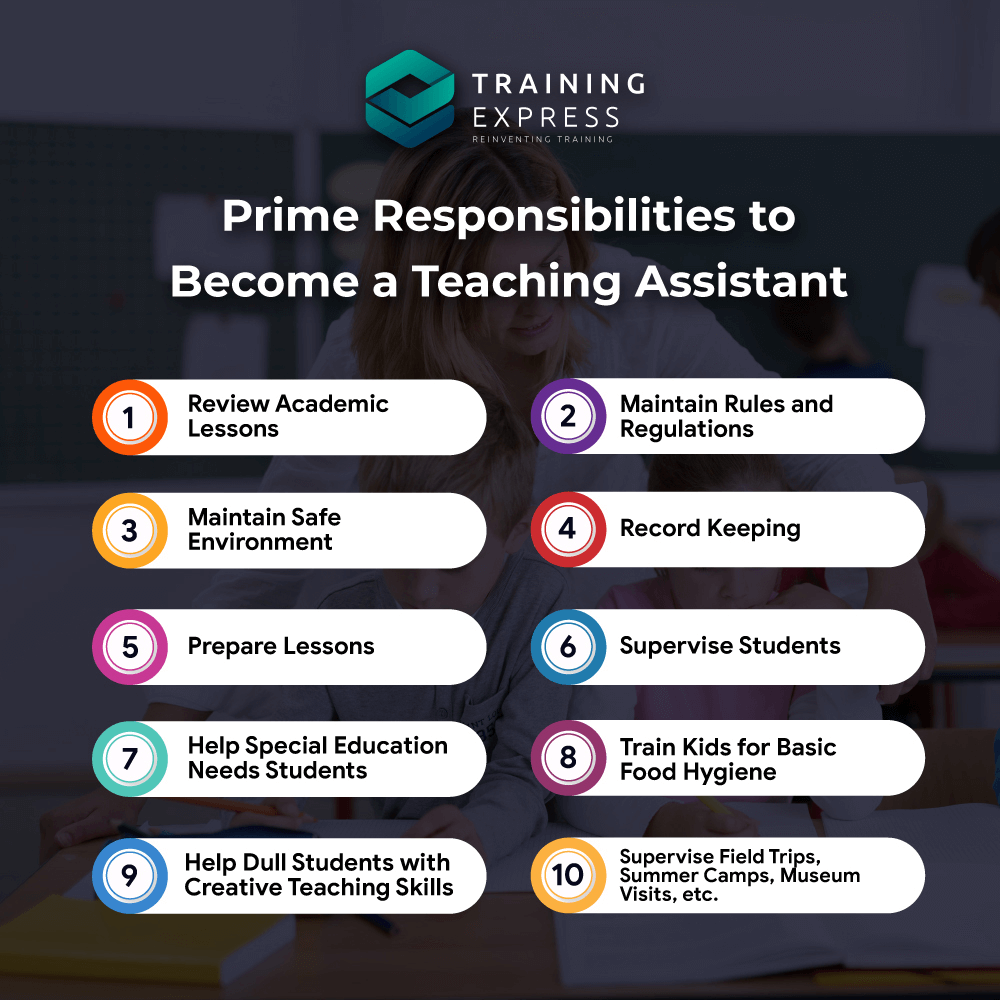
Classroom assistants are a vital part of the education team. They provide essential classroom support for teachers and students. This role is ideal for those entering the field with no prior experience. Classroom assistants help manage the classroom and assist with lessons. They often prepare materials and support students during activities. Here are some key tasks for a classroom assistant:

  • Setting up equipment and materials for lessons
  • Helping students with their work
  • Maintaining a tidy classroom environment
  • Assisting with administrative tasks

To excel in this role, focus on developing strong skills for teaching assistants. Communication, patience, and organization are crucial. Volunteer teaching experience can be beneficial. It provides hands-on learning and boosts your resume. Many classroom assistants start in entry-level teaching positions. They gain experience and eventually pursue formal teaching qualifications. Here is a simple table to outline the daily tasks and skills required:

Daily Tasks Skills Required
Preparing lesson materials Organization
Assisting students Patience, Communication
Classroom management Leadership

Special Needs Assistants

Special needs assistants, or special education aides, play a critical role. They support students with disabilities in the classroom. These assistants provide tailored support to meet each student’s unique needs. Responsibilities of a special needs assistant include:

  • Helping students with daily tasks and activities
  • Adapting lessons to suit individual learning styles
  • Providing emotional and social support
  • Working closely with teachers to implement educational plans

This role requires specific skills and qualities. Empathy, patience, and adaptability are essential. Special needs assistants often have to think creatively. They must adapt lessons to fit different learning abilities. It’s a rewarding position, offering personal growth and professional development. While previous experience is beneficial, many start with volunteer teaching experience. This can lead to permanent teaching assistant jobs. It is a fulfilling path within the educational aide spectrum. Engaging in this role can be a stepping stone. It opens doors to a broader career in education. With dedication, you can impact students’ lives and grow professionally.

Gaining Relevant Experience

Becoming a teaching assistant without any prior experience can seem daunting. Yet, many schools and educational centers value enthusiasm and dedication over experience. Gaining relevant experience is key to securing entry-level teaching positions. This involves engaging in activities that build your skills for teaching assistants. By immersing yourself in environments that offer classroom experience, you can develop competencies needed for teaching support roles. Below are some effective ways to gain this experience.

Volunteering Opportunities

Volunteer teaching is a great way to acquire valuable skills and experience. Schools, community centers, and non-profit organizations often seek volunteers to assist in classrooms or educational programs. Volunteering allows you to observe and participate in teaching assistant jobs, enhancing your understanding of classroom dynamics.

  • Community Centers: These often have after-school programs where volunteers can help with tutoring.
  • Non-Profit Organizations: Many offer educational services and require volunteer support.
  • Libraries: Host workshops and reading programs needing teaching support roles.

Volunteering not only provides practical experience but also helps in building a resume for teaching assistant positions. It demonstrates initiative and a willingness to learn, which are valuable attributes in education qualifications.

Internships And Shadowing

Internships offer structured experiences where you can gain classroom experience under supervision. Many schools offer internship programs for those interested in teaching assistant training. Internships provide hands-on involvement in teaching assistant jobs, allowing you to practice skills for teaching assistants in a real-world setting. Shadowing educators is another effective method. By observing skilled teachers, you learn how they manage classrooms and interact with students. This insight is invaluable for understanding teaching support roles. Shadowing also allows you to ask questions and receive guidance, which can be crucial for honing skills needed in entry-level teaching positions.

Type Description
Internships Structured programs offering direct involvement in educational settings.
Shadowing Observing teachers to learn classroom management and student interaction.

Both internships and shadowing contribute significantly to building a resume for teaching assistant roles. They provide practical experience and insights necessary for effective participation in the classroom.

How to Become a Teaching Assistant With No Experience: Step-by-Step Guide

Building Your Resume

Starting a career as a Teaching Assistant with no experience might seem challenging. But it’s entirely possible with the right approach. One of the most crucial steps in your job application process is building a strong resume. A resume that showcases your potential and sets you apart in entry-level teaching positions. Even if you have no direct experience, your educational support journey can begin by highlighting your strengths and skills. Let’s explore how to effectively build your resume for a teaching assistant role.

Highlighting Transferable Skills

Transferable skills are your best asset when you have no direct experience. These skills can be adapted from other fields and applied to educational settings. Highlighting these in your resume can make you a strong candidate for a teaching assistant position.

  • Communication Skills: Essential for interacting with students, teachers, and parents. Experience in customer service or team projects can demonstrate this.
  • Organizational Skills: Important for managing classroom activities and materials. Any role involving planning and coordinating tasks can showcase this ability.
  • Problem-Solving Skills: Valuable for addressing classroom challenges. Experiences in fast-paced environments or roles requiring quick thinking are relevant here.
  • Patience and Empathy: Key for supporting students’ learning needs. Volunteer experience or roles in caregiving can reflect these traits.
Skill Related Experience
Communication Customer Service, Team Projects
Organization Project Management, Event Planning
Problem Solving Fast-Paced Roles, Critical Thinking Tasks
Patience Volunteer Work, Caregiving

By effectively presenting these skills, you can improve your interview preparation and demonstrate your readiness for educational support roles.

Formatting Tips

Your resume’s format can significantly impact how potential employers perceive your application. A clean, professional layout is essential for entry-level teaching positions.

  1. Use Clear Headings: Clearly label each section of your resume. This helps employers quickly find the information they need.
  2. Keep it Concise: Limit your resume to one page. Focus on relevant skills and experiences.
  3. Bullet Points for Clarity: Use bullet points to list experiences and skills. This makes it easier to read and understand.
  4. Consistent Font and Size: Use a professional font, like Arial or Times New Roman, in size 10-12. Consistency helps maintain a polished look.
  5. Highlight Volunteer Experience: If you have no formal job experience, include any volunteer roles. These can demonstrate your commitment and ability to handle responsibilities.

Incorporating these resume tips can make your job application stand out, even with no direct experience. Remember, a well-formatted resume is your first step into the education careers path.

Networking Strategies

Networking Strategies are crucial for anyone aiming to break into the field of education, especially those seeking Teaching Assistant Jobs without prior experience. Building connections with educators and industry professionals can open doors to Entry-Level Teaching Positions and provide insights into the Skills For Teaching Assistants that are valued. Networking not only enhances your Professional Development For Educators but also increases your visibility in a competitive job market.

Connecting With Educators

Building relationships with educators is an effective step in Networking In Education. These connections can offer invaluable guidance and support.

  • Attend local education events and workshops. These gatherings are excellent for meeting teachers and school staff.
  • Volunteer Teaching Experience is another way to network. Offer your services at local schools or educational organizations.
  • Reach out to teachers on social media. Platforms like LinkedIn are great for professional connections.
  • Ask for informational interviews. This allows you to learn about Classroom Assistance and other Education Support Roles from experienced professionals.

A simple table can help organize your networking efforts:

Activity Goal
Attend Workshops Meet Educators
Volunteer Gain Experience & Network
Social Media Outreach Connect with Professionals
Informational Interviews Learn & Network

Joining Professional Groups

Joining Professional Groups can significantly boost your chances of landing Teaching Assistant Jobs. These groups often provide resources and connections that are invaluable.

  • Join associations related to education. They often host events where you can meet mentors.
  • Participate in online forums and discussion groups. These platforms are perfect for sharing ideas and gaining insights.
  • Attend professional development seminars. These events are tailored to enhance your Skills For Teaching Assistants.
  • Engage in mentorship programs. Mentorship In Teaching can provide guidance and enhance your career prospects.

Consider these types of groups:

Group Type Benefits
Education Associations Networking & Resources
Online Forums Ideas & Insights
Professional Seminars Skill Development
Mentorship Programs Guidance & Support

These strategies enhance your professional network, giving you a competitive edge in securing Education Certifications and advancing in Education Support Roles.

Preparing For Interviews

Becoming a teaching assistant with no experience can be challenging. But the right interview preparation can open doors. In entry-level education positions, interviews are crucial. They assess your potential beyond your resume. So, focusing on interview preparation for educators is essential. This guide will help you prepare for interviews for teaching assistant jobs.

Common Interview Questions

Interview questions for teaching roles often focus on your potential and understanding of education. Even without experience, you can prepare effective answers. Here are some common questions you might face:

  • Why do you want to be a teaching assistant? – Highlight your passion for education and helping students learn.
  • How would you handle a disruptive student? – Discuss classroom management techniques and emphasize building rapport with students.
  • Describe a time you worked in a team. – Relate it to skills for teaching assistants, like communication and collaboration.

To prepare, consider creating a table of questions and your planned responses. This helps in organizing your thoughts:

Question Response
Why do you want to be a teaching assistant? Share your passion for education and student support.
How would you handle a disruptive student? Use classroom management techniques and focus on rapport.
Describe a time you worked in a team. Highlight communication and collaboration skills.

Research the school and its values. Tailor your answers to align with their mission. This demonstrates interest and preparation.

Dress And Demeanor Tips

Your appearance and behavior speak volumes in interviews. Having a professional demeanor in education settings is vital. Here are some tips:

  • Dress Appropriately: Wear clean, professional attire. Avoid casual clothing. A simple suit or dress is often suitable for teaching assistant qualifications.
  • Be Punctual: Arrive at least 10 minutes early. This shows respect for the interviewer’s time.
  • Maintain Eye Contact: It shows confidence and sincerity. Engage with your interviewer.

Consider the following table for quick dress and demeanor tips:

Aspect Advice
Dress Professional, clean, no casual wear.
Punctuality Arrive 10 minutes early.
Eye Contact Maintain to show confidence.

Remember, your demeanor should reflect enthusiasm and respect. A positive attitude can make a strong impression. Even without experience, showing professionalism and readiness can boost your chances.

Continuing Education Options

Becoming a teaching assistant without prior experience might seem challenging. But it’s possible with the right approach. One key strategy is to explore continuing education options. These programs help build your skills and qualifications. They prepare you for entry-level teaching positions. Education options include online courses and certification programs. Both offer flexible learning paths. They fit well with different schedules and learning styles. They also provide practical teaching experience and knowledge crucial for teaching assistant jobs.

Online Courses

Online courses are a great way to gain practical teaching experience and knowledge. They offer flexibility and variety. You can choose from a wide range of subjects. These include child development knowledge, classroom management skills, and educational support roles.

  • Online teaching assistant courses are accessible from anywhere.
  • They often provide interactive content.
  • Many platforms offer courses at affordable prices.

Consider platforms like Coursera, Udemy, or Khan Academy. They provide courses tailored for aspiring teaching assistants. Some courses offer certificates upon completion. This enhances your resume and supports your teaching assistant qualifications. Here’s a simple comparison table of popular platforms:

Platform Course Type Certification
Coursera Child Development, Classroom Management Yes
Udemy Educational Support Roles Yes
Khan Academy General Education Topics No

Online courses help you build confidence. They prepare you for real-world educational support roles. They improve your resume tips for teaching assistants.

Certification Programs

Certification programs provide a structured path to becoming a teaching assistant. They cover essential topics and skills. This includes child development knowledge and classroom management skills. Many programs offer hands-on training. This is vital for gaining practical teaching experience.

  • Teaching assistant certification programs enhance your qualifications.
  • They often include internships or supervised teaching.
  • Programs are available through community colleges or universities.

Certification can be crucial for securing teaching assistant jobs. It demonstrates your commitment and readiness. Programs vary in length. Some are short-term, lasting a few weeks. Others might take several months to complete. Consider these benefits of certification:

  1. Improved entry-level teaching positions prospects.
  2. Structured learning environment.
  3. Opportunities for networking with educators.

Certification programs significantly boost your resume. They provide solid teaching assistant qualifications. These programs are an investment in your future career.

Job Search Tips

Searching for a teaching assistant position without prior experience might seem daunting. Yet, with the right approach, you can find opportunities that match your skills and passion for education. Here are some job search tips to help you get started on your journey to becoming a teaching assistant.

Using Job Boards

Job boards are valuable tools for discovering entry-level teaching positions. They often have a wide variety of teaching assistant jobs listed. Searching through these platforms can be a key step in your journey. Here’s how to make the most out of them:

  • Utilize job boards for teaching assistants like Indeed, Glassdoor, and LinkedIn.
  • Set up job alerts for education support roles to receive notifications on new postings.
  • Filter your search by location and type of position to find suitable options.

Below is a simple table outlining some popular job boards:

Job Board Features
Indeed Comprehensive search filters, company reviews
Glassdoor Salary insights, employee reviews
LinkedIn Networking opportunities, job alerts

Using these platforms can increase your chances of finding suitable positions. Combine this with a proactive approach to maximize opportunities.

Tailoring Applications

When applying for teaching assistant jobs, a well-crafted application can set you apart. Tailoring your application is crucial. Here are some application tips for teaching assistant roles:

  1. Highlight any volunteer teaching experience you have. This can show your commitment to education.
  2. Emphasize your teaching assistant qualifications such as coursework or certifications.
  3. Craft a concise and clear resume for teaching assistant roles. Focus on skills relevant to the position.

Use these tips to enhance your application:

  • Research the school or institution to customize your cover letter.
  • Use keywords from the job description to align your application with the role.
  • Prepare for the interview by reading interview tips teaching assistant guides. Practice common questions to boost your confidence.

Tailoring your applications shows effort and interest. It increases your chances of securing an interview, even with no experience teaching assistant roles.

How to Become a Teaching Assistant With No Experience: Step-by-Step Guide

Frequently Asked Questions

Can I Be An Assistant Teacher With No Experience?

Yes, you can be an assistant teacher without experience. Schools may offer training or mentorship programs. Checking specific requirements for your region or institution is essential. Highlight relevant skills like communication, patience, and adaptability. Tailor your resume to emphasize any related volunteer work or coursework.

What Qualifications Do I Need To Be A Teaching Assistant?

To be a teaching assistant, you typically need a high school diploma or equivalent. Experience in childcare or education is beneficial. Some positions may require a college degree or specialized training. Strong communication and organizational skills are important. Check specific job listings for exact requirements.

What Is The Best Qualification For A Teaching Assistant?

The best qualification for a teaching assistant is a Level 3 Teaching Assistant Diploma. Experience in classrooms and strong communication skills enhance effectiveness. Tailoring skills to specific educational needs, such as Special Educational Needs (SEN), can also be beneficial.

How Do I Write A Resume For A Teaching Assistant With No Experience?

Highlight relevant skills like communication, organization, and adaptability. Include education details and any volunteer or internship experience. Tailor your resume to the specific job description. Use action verbs to describe your abilities. Focus on your enthusiasm for teaching and willingness to learn.

Conclusion

Becoming a teaching assistant is within reach. Start by understanding the role. Focus on developing essential skills. Communication and organization are key. Consider volunteering in schools. Gain experience by helping teachers. Build connections in education. Research local opportunities. Tailor your resume for teaching roles.

Highlight relevant skills and experiences. Be patient and persistent. Learning takes time and effort. Remember, everyone starts somewhere. Your passion for teaching will shine through. Stay motivated and keep applying. Success comes from dedication and hard work. Soon, you will be ready for your first teaching assistant job.

Keep pushing forward.

Health and Care

How to Become a Early Years Educator: Step-by-Step Guide

Becoming an early years educator requires passion and dedication. It’s about nurturing young minds with care and creativity.

Early years education shapes the foundational years of a child’s life. It is where children first learn to interact with others, explore their surroundings, and develop basic skills. Being an early years educator is more than just teaching; it’s about guiding and inspiring young children.

This role demands patience, empathy, and innovative thinking. In this blog, we’ll explore the steps to becoming an early years educator. We’ll discuss essential qualifications, skills, and the rewarding aspects of this profession. Whether you’re considering this career or seeking insights, you’ll find valuable information here. Let’s dive into the journey of becoming an early years educator.

Pathway To Early Years Career

Embarking on a career as an Early Years Educator is an enriching journey. You shape young minds and lay the foundation for lifelong learning. Understanding the pathway to this career is crucial. It involves acquiring the right qualifications and certifications. These credentials ensure you provide quality education and care. This pathway is a blend of passion, learning, and dedication. Dive deep into the essentials of becoming an Early Years Educator. This guide highlights the necessary steps and requirements.

Choosing The Right Qualifications

Selecting the appropriate qualifications is vital. It sets the stage for your career as an Early Years Educator. Start with Child Development Courses. They offer insights into how children grow and learn. These courses cover Developmental Milestones. You learn how to support children at each stage of their development. Consider enrolling in programs focused on Early Childhood Education. They provide a comprehensive understanding of young children’s needs.

  • Early Years Curriculum: Understand the fundamentals of curriculum design for young children.
  • Play-Based Learning: Learn techniques to integrate play into learning effectively.
  • Teaching Strategies For Young Children: Discover methods that enhance children’s learning experiences.
Qualification Description
Childcare Qualifications Basic courses covering childcare essentials and safety.
Preschool Teaching Certifications Advanced credentials focusing on teaching and classroom management.

Choosing the right qualifications ensures you’re well-prepared. They equip you with knowledge to foster children’s growth effectively.  

Importance Of Certifications

Certifications play a crucial role in your Early Years career. They validate your skills and knowledge. Employers often seek certified professionals. Preschool Teaching Certifications are essential. They highlight your expertise in teaching young children. These certifications often include Classroom Management Techniques. You learn to create a conducive learning environment. Certifications enhance your understanding of Teaching Strategies For Young Children. They provide tools to tailor learning experiences for different needs. Consider certifications that focus on Early Years Curriculum. They ensure you’re adept at designing and implementing effective curricula. Such certifications often cover Play-Based Learning. You learn to use play as a tool for development. Certifications also emphasize understanding Developmental Milestones. They equip you with knowledge to track and support children’s growth.

  1. Boosts credibility and employability.
  2. Enhances skills in specialized areas.
  3. Provides opportunities for professional growth.

Certifications are more than just credentials. They are pathways to becoming a competent and successful Early Years Educator.  

Essential Skills For Educators

Becoming an Early Years Educator is a rewarding journey that requires a specific set of skills. These skills are essential in nurturing young minds and creating a supportive learning environment. Educators need to be adept at various techniques to foster growth and development in children. This section explores the vital skills required for educators, focusing on communication and creativity.

Communication Skills

Effective communication is crucial in Early Childhood Education. Educators must master various communication techniques to interact with children, parents, and colleagues. Clear communication helps in understanding children’s needs and developmental milestones. Here are some key components of communication skills for educators:

  • Listening: Active listening allows educators to understand and respond to children’s thoughts.
  • Verbal Communication: Simple and clear language is essential for engaging young learners.
  • Non-verbal Communication: Facial expressions and gestures can convey warmth and understanding.

Developing emotional intelligence is also a part of effective communication. Educators should recognize and respond to children’s emotions, creating a nurturing environment. This enhances classroom management and builds trust with children.

Technique Benefits
Active Listening Improves understanding of children’s needs
Clear Instructions Enhances learning through clarity
Empathy Builds trust and emotional connection

Creativity And Playfulness

Creativity and playfulness are at the heart of play-based learning. Educators should employ pedagogical approaches that encourage exploration and creativity. This is vital for child development, helping them learn through play. Here are some ways educators can foster creativity:

  1. Interactive Activities: Designing games and activities that stimulate imagination.
  2. Art and Crafts: Incorporating arts to develop fine motor skills and self-expression.
  3. Storytelling: Using stories to promote language skills and creativity.

Creativity also involves adapting teaching strategies to suit individual children. Understanding developmental milestones helps in creating personalized learning experiences. A nurturing environment encourages children to explore and learn at their own pace. These skills are critical for educators to create a positive and effective learning atmosphere. Balancing creativity with structured learning ensures holistic development in early childhood.

Gaining Practical Experience

Becoming an early years educator involves more than just acquiring theoretical knowledge. Gaining practical experience is essential to truly understanding the needs of young children. Immersing yourself in real-world settings helps bridge the gap between theory and practice. By engaging with children and educators, you develop skills that are crucial in Early Childhood Education. Here’s how you can gain valuable hands-on experience.

Volunteering Opportunities

Volunteering is an excellent way to gain experience without the pressure of a formal job setting. Many organizations welcome volunteers who are eager to learn about the Early Years Curriculum. As a volunteer, you can engage in Play-Based Learning activities that foster creativity and problem-solving in children. Consider these options for volunteering:

  • Local Preschools and Nurseries: Offer your time to assist with daily activities or special events.
  • Educational Workshops: Participate in workshops that focus on Child Development Courses and Child Psychology.
  • Community Centers: Help with programs designed for young children and their parents.

Volunteering not only helps you gain experience but also allows you to network with professionals. This can be invaluable for future opportunities in Preschool Teacher Training and teaching certifications. Below is a simple table showing potential volunteer roles and their benefits:

Volunteer Role Benefits
Nursery Assistant Roles Hands-on experience with young children
Workshop Assistant Learn from educational experts
Event Coordinator Develop organizational skills

Internships And Apprenticeships

Internships and apprenticeships provide structured learning experiences in a professional setting. These opportunities are ideal for those pursuing Childcare Qualifications and Preschool Teacher Training. Working under experienced professionals allows you to apply what you’ve learned in Child Development Courses to real situations. Consider pursuing internships or apprenticeships in the following areas:

  1. Early Childhood Education Centers: Gain insights into the daily operations and curriculum design.
  2. Teaching Certifications Programs: Work alongside certified teachers to learn effective teaching strategies.
  3. Child Psychology Clinics: Understand the behavioral aspects of young children.

These experiences not only enhance your resume but also build your confidence as an aspiring educator. You’ll have the chance to observe and participate in the application of Play-Based Learning, which is a cornerstone of the Early Years Curriculum. Internships and apprenticeships offer a pathway to becoming a skilled and knowledgeable early years educator.

How to Become a Early Years Educator: Step-by-Step Guide

Building A Professional Network

Building a professional network is crucial for anyone aspiring to become an Early Years Educator. Connections with other professionals in the field can provide insights, support, and growth opportunities. As an Early Years Practitioner, establishing a solid network helps you stay informed about the latest Early Learning Standards and Teaching Strategies. This collaborative approach fosters a better understanding of Developmental Milestones and enhances your capability to deliver quality education.

Joining Professional Associations

Becoming a member of professional associations is a valuable step in your journey as an Early Years Practitioner. These organizations offer numerous benefits:

  • Access to Resources: Members often receive exclusive content, including research papers and educational materials related to Early Childhood Education.
  • Networking Opportunities: Engage with other educators and professionals, facilitating discussion and exchange of ideas.
  • Professional Development: Associations frequently offer training sessions and webinars that keep you updated with current Child Development practices.

Joining associations such as Child Care Associations can be beneficial. Consider the following:

Association Name Benefits
National Association for the Education of Young Children (NAEYC) Offers professional development, resources, and networking opportunities.
Early Childhood Education Association Provides educational workshops and conferences for skill enhancement.

Attending Workshops And Conferences

Workshops and conferences are excellent venues for expanding your knowledge and skills as an Early Years Educator. They offer:

  • Hands-on Learning: Participate in interactive sessions that cover Teaching Strategies and Developmental Milestones.
  • Expert Insights: Listen to talks from leading professionals in the field of Child Development.
  • Networking Possibilities: Meet peers and experts, fostering relationships that can support your career growth.

Consider attending events focused on Early Childhood Education. Here’s why:

Event Type Benefits
Educational Workshops Provide practical training and enhance your teaching methods.
Conferences Offer platforms to learn about new Early Learning Standards and industry trends.

These events not only improve your skills but also broaden your perspective in the field, helping you to become a more effective Early Years Practitioner.

Understanding Child Development

Becoming an Early Years Educator involves more than just teaching. It requires a deep understanding of child development. This knowledge is crucial for creating an effective Early Years Curriculum. It helps you support each child’s unique growth journey. Understanding child development allows educators to tailor Age-Appropriate Learning experiences. These experiences foster Cognitive Development, Social-Emotional Skills, and overall well-being. Let’s explore the key Developmental Stages and Child Development Milestones that are essential for every Early Childhood Education professional.

Stages Of Development

Child development unfolds in specific stages. Each stage is characterized by unique changes and abilities. Recognizing these stages helps Preschool Teachers and Early Years Educators provide appropriate support.

  • Infancy (0-2 years): Rapid physical growth and sensory exploration. Babies learn to crawl, walk, and speak simple words.
  • Toddlerhood (2-3 years): Increased mobility and curiosity. Toddlers engage in more complex play and start forming sentences.
  • Preschool Age (3-5 years): Development of social skills and independence. Children learn to interact with peers and follow simple instructions.

Each stage presents unique opportunities for Play-Based Learning. This method supports Cognitive Development and encourages creativity. The table below outlines key activities for each stage:

Stage Key Activities
Infancy Sensory play, simple songs
Toddlerhood Building blocks, outdoor play
Preschool Age Role play, storytelling

Milestones To Monitor

Monitoring Child Development Milestones is vital in Early Childhood Education. These milestones help educators assess a child’s progress and identify areas needing support. Key milestones include:

  1. Physical Development: Watch for skills like crawling, walking, and hand-eye coordination.
  2. Cognitive Development: Observe problem-solving abilities and curiosity about the world.

  3. Language Skills: Listen for new vocabulary and sentence formation.
  4. Social-Emotional Skills: Note interactions with peers and ability to express emotions.

Recognizing these milestones ensures that learning is tailored to each child’s needs. An Early Years Educator can adjust activities to promote growth in all areas. This approach not only supports individual development but also prepares children for future learning. Understanding these milestones is a core part of Preschool Teacher Qualifications. It helps educators create a nurturing environment that fosters comprehensive growth.

How to Become a Early Years Educator: Step-by-Step Guide

Creating Engaging Learning Environments

Creating engaging learning environments is vital in Early Years education. These spaces are where young minds begin to explore the world. They foster growth through play, social-emotional learning, and structured activities. Designing these environments requires creativity, thoughtfulness, and an understanding of child development strategies. The goal is to create a nurturing space that supports curriculum development for young learners and encourages exploration and curiosity.

Classroom Setup

The physical setup of a classroom plays a crucial role in enhancing learning experiences for young children. A well-organized classroom provides a safe space for exploration and learning. Consider these elements when setting up your classroom:

  • Zones for Play-Based Learning: Create dedicated areas for different types of play. Include zones for art, reading, sensory activities, and construction. Each zone should encourage creativity and focus.
  • Flexible Seating Arrangements: Use furniture that can be rearranged easily. This allows children to move freely and fosters social-emotional learning. Bean bags, cushions, and child-sized tables are excellent choices.
  • Visual Stimuli: Decorate walls with colorful images and educational posters. These can include numbers, alphabets, and nature scenes. Visuals support learning and keep the environment lively.

Classroom management techniques are essential for maintaining a productive space. Organize materials and resources in accessible locations. Use labels and pictures to help children identify and return items. This encourages independence and responsibility.

Element Purpose
Zones Promote diverse play types
Flexible Seating Encourage movement and interaction
Visual Stimuli Enhance learning and engagement

Incorporating Outdoor Learning

Outdoor learning is a vital component of early childhood education. The natural world offers unique opportunities for child development strategies and exploration. Incorporating outdoor educational activities can enhance learning experiences significantly. Consider the following ideas for outdoor learning:

  1. Nature Walks: Organize regular walks in nearby parks. Observe plants, insects, and birds. Encourage children to ask questions and share observations.
  2. Outdoor Play Stations: Set up stations with sandbox, water play, and garden beds. These stations promote sensory play and physical development.
  3. Seasonal Activities: Plan activities that reflect the seasons. Leaf collecting in fall, snow sculpture in winter, and planting seeds in spring. These activities enrich curriculum development for young learners.

Outdoor learning fosters creativity and curiosity. It complements indoor classroom activities and broadens children’s perspectives. Ensure safety by supervising activities closely and using appropriate equipment. Preschool teacher training often includes strategies for outdoor learning, highlighting its importance. The integration of outdoor spaces with indoor learning environments supports holistic development. These experiences lay a foundation for lifelong learning and appreciation for the natural world.

Navigating Employment Opportunities

Embarking on a journey to become an Early Years Practitioner opens doors to fulfilling careers in shaping young minds. Navigating employment opportunities in this field involves understanding various roles and strategizing effectively for job searches. Whether aiming to be a Preschool Teacher or a Childcare Worker, knowing the types of roles available and the best strategies to secure a position is crucial. This guide will provide insights into the diverse roles in early childhood education and effective job search strategies to kickstart your career.

Types Of Early Years Roles

Early childhood education offers numerous roles catering to different interests and skills. Each role plays a vital part in child development and education.

  • Early Years Practitioner: Focuses on implementing child development theories and practices to nurture young children.
  • Preschool Teacher: Responsible for preparing lesson plans, managing classroom activities, and fostering a learning environment.
  • Childcare Worker: Provides care and supervision while supporting children’s emotional and physical needs.

Here’s a simple table outlining the roles and their key responsibilities:

Role Key Responsibilities
Early Years Practitioner Applying child development theories, assessing growth
Preschool Teacher Creating lesson plans, classroom management
Childcare Worker Supervising and caring for children

Job Search Strategies

Finding a job in early childhood education requires effective strategies. Here are some tips to help you secure a role that matches your skills:

  1. Resume Writing For Educators: Tailor your resume to highlight educational qualifications and relevant experience.
  2. Networking: Connect with professionals in the field through seminars or online forums to learn about job opportunities.
  3. Professional Development: Continuously upgrade your skills through workshops and courses.
  4. Job Interview Tips: Prepare for interviews by researching common questions and practicing your responses.

Utilizing these strategies can enhance your chances of finding a suitable position. Networking and professional development are particularly beneficial in keeping up with industry trends.

How to Become a Early Years Educator: Step-by-Step Guide

Continuing Professional Development

Becoming an Early Years professional requires dedication and passion for nurturing young minds. One crucial element of this journey is Continuing Professional Development (CPD). This ongoing process ensures that educators remain proficient in their field. CPD helps Early Years professionals improve their skills and knowledge, ensuring they provide the best learning experiences for children. It covers various aspects such as new teaching methods, child psychology, and classroom management. Through CPD, educators stay informed about the latest trends and research in early childhood education.

Ongoing Education

Ongoing education plays a vital role in the journey of a Preschool Teacher. It involves actively seeking new knowledge and refining skills related to the Early Years Curriculum. Regular participation in workshops, seminars, and courses can enhance a teacher’s understanding of child development and classroom management.

  • Workshops: Interactive sessions that focus on practical teaching methods and parenting skills.
  • Seminars: Lectures and discussions led by experts in child psychology and early childhood education.
  • Online Courses: Flexible learning options that cover various educational qualifications and professional development topics.

Ongoing education also includes self-reflection and feedback from peers. Educators are encouraged to review their teaching practices and adapt them to meet the diverse needs of their students. This proactive approach ensures that they remain effective educators who can foster a positive learning environment for young children.

Staying Updated With Trends

Staying updated with trends is essential for Early Years professionals to maintain relevance in their field. The landscape of early childhood education is ever-changing, with new research and insights emerging regularly. A table of current trends in Early Childhood Education:

Trend Description
Play-Based Learning Focus on learning through play to support child development.
Inclusive Education Strategies to accommodate diverse learning needs in the classroom.
Technology Integration Using digital tools to enhance the Early Years Curriculum.

By following these trends, educators can incorporate innovative teaching methods into their daily practice. Engaging with professional networks and attending conferences can also provide insights into new strategies and tools. Keeping abreast of these trends ensures that educators are well-equipped to meet the challenges of modern early childhood education.

Frequently Asked Questions

How Fast Can You Become A Preschool Teacher?

You can become a preschool teacher in 1-4 years. It depends on your educational path and state requirements. Some states require an associate degree, while others need a bachelor’s. Completing a certification program can also qualify you. Check local regulations for exact timelines.

How Do I Start A Career In Early Childhood?

Begin by earning a degree in early childhood education. Gain experience through internships or volunteering in childcare settings. Obtain necessary certifications or licenses. Network with professionals in the field. Stay updated with the latest teaching methods and child development research.

Is Prek Required In Texas?

Pre-kindergarten is not mandatory in Texas. Families can choose whether to enroll their children in pre-k programs. Public pre-k is available for eligible children, focusing on early childhood education and development. Parents should check specific eligibility criteria for free public pre-k options in their local school districts.

What Is The Minimum Qualification To Work In Childcare?

The minimum qualification to work in childcare is typically a high school diploma or GED. Some positions may require additional certifications like CPR and first aid. Experience working with children or relevant coursework can enhance job prospects in this field.

Always check specific requirements in your region.

Conclusion

Becoming an early years educator is a rewarding journey. You nurture young minds and inspire lifelong learning. Start with the right education and training. Seek hands-on experience and learn from seasoned teachers. Build strong communication skills to engage with children and parents.

Stay patient and adaptable. Every child is unique. Embrace diversity in learning styles. Keep updating your knowledge with new teaching techniques. Make learning fun and safe for kids. Your dedication makes a lasting impact. Ready to shape the future? Begin today.

Child Care

How to Become a Child Care Expert: A Step-by-Step Guide

Becoming a child care provider requires a passion for nurturing young minds. You need patience, understanding, and a love for children.

It’s about more than just watching kids; it’s about guiding their development and ensuring their safety. Child care providers play a crucial role in shaping a child’s early experiences. They create supportive environments where kids learn and grow. Whether in daycare centers or home settings, these professionals offer care that influences future learning and behavior.

If you dream of working with children, becoming a child care provider can be a rewarding career. It offers the chance to impact lives positively. This guide will help you understand the path to becoming a child care provider. Discover the steps, skills, and qualifications needed to start your journey.

Career Paths In Child Care

Embarking on a career in child care can be a rewarding journey. Many choose this path to make a positive impact on young lives. Understanding the various career paths in child care helps you find your perfect fit. This field offers diverse roles, each requiring specific skills and qualifications. Whether you aspire to be a preschool teacher or a daycare manager, there is a path that suits your passion. With the right child care certifications and training programs, you can build a fulfilling career. Let’s explore the different roles and specializations in child care.

Types Of Child Care Roles

Child care careers offer a variety of roles, each with unique responsibilities. Here are some common types of child care roles:

  • Preschool Teacher: Focuses on early childhood education. Prepares young children for school. Requires child care qualifications and certifications.
  • Daycare Manager: Oversees the daily operations of a daycare facility. Responsible for staff management and facility maintenance. Needs strong organizational skills.
  • Nanny Services: Provides personalized care for children in a home setting. Offers flexible hours and individualized attention.
  • Family Support Worker: Assists families with children needing extra support. Works closely with social services. Requires empathy and understanding.

Each role plays a vital part in child development. Consider your interests and skills when choosing a path. Child care training programs can help you gain the necessary skills. This ensures you are well-prepared for your chosen career.

Specializations In Child Care

Child care is not a one-size-fits-all profession. Specializations allow professionals to focus on specific areas. Here are some popular specializations:

  • Child Development Specialist: Works with children to enhance developmental milestones. Uses tailored approaches to support growth. Requires in-depth knowledge of child psychology.
  • Early Childhood Education: Focuses on educating young children. Prepares lesson plans and activities to stimulate learning. Requires specific child care qualifications.
  • Child Care Certifications: Specialized certifications can enhance skills. They open doors to advanced roles and responsibilities.

Specializations offer opportunities for career growth. They allow you to focus on areas you are passionate about. Consider pursuing specialized child care training programs. These programs equip you with the skills needed for advanced positions. Explore various specializations to find your niche in the child care industry.

How to Become a Child Care Expert: A Step-by-Step Guide

Essential Skills Required

Becoming a child care provider involves much more than just supervising children. It’s about fostering a nurturing environment where children can grow and learn. Essential skills are crucial for anyone aiming to excel in this field. These skills ensure that children receive the best care and support during their early years. Whether you’re interested in early childhood education or managing an early learning program, mastering these skills is key to success.

Interpersonal Skills

Interpersonal skills are vital for anyone working with children. Building relationships with children and their families is an important part of being a child care provider. Effective communication skills help in understanding and addressing the needs of each child. Here are some key interpersonal skills:

  • Active Listening: Pay attention to what children say and show empathy.
  • Patience: Handle situations calmly, even when children are challenging.
  • Empathy: Understand children’s feelings and perspectives.
  • Conflict Resolution: Manage disputes between children peacefully.

Being able to communicate with parents is equally important. It ensures that everyone is on the same page regarding the child’s development and care needs. These skills also aid in behavior management, helping to create a nurturing environment that encourages play-based learning. Here’s a simple table that highlights the benefits of strong interpersonal skills in child care:

Skill Benefit
Active Listening Improves understanding of child needs
Patience Creates a calm and positive atmosphere
Empathy Builds trust and rapport with children
Conflict Resolution Reduces tension and promotes harmony

Organizational Skills

Organizational skills are essential for managing daily tasks efficiently. A child care provider must juggle various responsibilities, from planning activities to ensuring child safety practices are followed. These skills help in maintaining a structured and safe environment for children. Consider these aspects of organizational skills:

  1. Time Management: Allocate time effectively for different activities.
  2. Record Keeping: Maintain accurate records of children’s progress and care.
  3. Scheduling: Plan daily routines and activities that support child development.
  4. Resource Management: Ensure all materials for learning and play are available.

Organizational skills are also important for meeting the requirements of childcare certification. They ensure that early learning programs are delivered smoothly and that all aspects of child care are covered. Here’s why organizational skills matter:

  • Time Management: Helps in balancing multiple tasks without stress.
  • Record Keeping: Provides a clear overview of each child’s needs and progress.
  • Scheduling: Ensures children engage in varied and enriching activities.
  • Resource Management: Keeps the learning environment well-stocked and prepared.

By mastering these skills, a child care provider can offer a well-rounded and effective early childhood education experience.

Educational Requirements

Becoming a child care professional is a rewarding journey that requires a solid educational foundation. Understanding the educational requirements is crucial for those passionate about nurturing young minds. From degrees to certifications and online courses, there are various paths to gain the necessary knowledge and skills. This guide will explore the essential educational elements to help you thrive in this fulfilling profession.

Degrees And Certifications

To become a successful child care professional, obtaining a relevant degree is often a key step. Degrees in Early Childhood Education provide a comprehensive understanding of child development, parenting education, and nurturing environments. These programs typically cover:

  • Child Development
  • Preschool Teacher Training
  • Child Safety Practices
  • Daycare Management

Alongside degrees, certifications play a vital role in enhancing your credibility and skills. Child Care Certification programs are designed to equip you with specific caregiving skills essential for working with children. Some popular certifications include:

  • Child Development Associate (CDA)
  • Certified Childcare Professional (CCP)
  • National Administrator Credential (NAC) for daycare management

The following table outlines some common degrees and certifications:

Program Focus Areas
Bachelor’s in Early Childhood Education Child Development, Classroom Management
Child Development Associate (CDA) Caregiving Skills, Child Safety Practices

These educational paths provide a structured approach to learning, ensuring you are well-prepared for a career in child care.

Online Courses And Workshops

For those who prefer flexible learning options, online courses and workshops offer a valuable alternative. Online courses allow you to study child care principles at your own pace. Topics often include:

  • Early Childhood Education
  • Parenting Education
  • Child Safety Practices
  • Daycare Management

Workshops provide hands-on experiences, focusing on practical applications of caregiving skills. These sessions often cover:

  • Nurturing Environments
  • Preschool Teacher Training
  • Effective Communication with Children

Below is a table summarizing popular online course platforms and workshop providers:

Platform/Provider Offerings
Coursera Early Childhood Education, Child Development
Udemy Child Safety Practices, Parenting Education
Local Community Centers Workshops on Nurturing Environments

Online courses and workshops are excellent for updating skills and staying current with child care trends. They offer a practical approach to learning, making them a popular choice among aspiring child care professionals.

How to Become a Child Care Expert: A Step-by-Step Guide

Gaining Experience

Embarking on a journey to become a child care professional requires dedication and a genuine passion for nurturing children. Gaining experience is a crucial step in developing the necessary skills for a successful child care career. Whether you’re aiming to become a daycare assistant or a preschool teacher, hands-on experience is invaluable. It helps you understand child development and refine your child care skills. Exploring various avenues for gaining experience will prepare you for a rewarding future in early childhood education.

Volunteering Opportunities

Volunteering is a fantastic way to start working with children. It offers a chance to engage with kids in a real-world setting. Many organizations welcome volunteers who wish to contribute to educational programs for children. Here’s how you can find volunteering opportunities:

  • Local schools often seek volunteers to assist with extracurricular activities.
  • Community centers frequently run children’s programs needing extra help.
  • Libraries sometimes host reading sessions where volunteers can participate.

Volunteering not only builds your child care skills but also strengthens your understanding of child development. It’s a stepping stone towards earning a child care certification. Volunteer work enhances your resume, showcasing your commitment to a child care career. Use these opportunities to observe and learn from experienced caregivers. Be proactive and ask questions. This experience will be invaluable as you progress in early childhood education.

Internships In Child Care

Internships provide structured learning experiences tailored for aspiring child care professionals. Participating in internships allows you to work alongside seasoned experts. It’s a practical way to gain insights into educational programs for children. Internships can be found in various settings:

Type of Internship Description
Daycare Assistant Assisting in daily activities and learning the basics of child care.
Preschool Teacher Observing and supporting teaching methods in a preschool environment.

Internships are crucial for those seeking a child care certification. They provide real-world experience, preparing you for various roles in child care. Embrace every opportunity to develop your child care skills. Internships offer a platform to practice early childhood education theories. They also help you build a network with professionals in the field. This network can be beneficial for future career opportunities. An internship can be a pivotal step in shaping your child care career.

Finding A Job

Finding a job in child care can be a fulfilling journey. Whether you’re just starting out or have some experience, securing a position requires a blend of strategy and connection. Understanding the landscape of child care jobs and exploring various opportunities is crucial. This section will guide you through effective job search strategies and the importance of networking in the industry. Get ready to embark on a rewarding career path!

Job Search Strategies

Embarking on a search for child care jobs can seem daunting, but with the right approach, it becomes manageable. Start by crafting a compelling resume that highlights your strengths. Focus on resume writing for childcare by emphasizing your child development skills and any childcare certifications you possess. Next, use online platforms to your advantage. Websites like Indeed and Care.com list numerous child care careers. Create profiles on these platforms and set up job alerts to stay updated on new openings. Consider using a table to organize potential job opportunities:

Website Job Alerts Profile Completion
Indeed Yes 100%
Care.com Yes 85%

Don’t forget about local resources. Libraries and community centers often have job boards. Visit them regularly to find opportunities that might not be online. Prepare for interviews by practicing common questions and answers. This interview preparation can boost your confidence and help you stand out.

Networking In The Industry

Networking in childcare is a powerful tool. Building relationships with professionals can open doors to job opportunities. Attend events and workshops related to early childhood education to meet other early years professionals. Join professional organizations. Groups like the National Association for the Education of Young Children (NAEYC) provide networking opportunities and resources. Engage with these groups by attending meetings or participating in online forums. Leverage social media. Platforms like LinkedIn allow you to connect with others in the field. Follow relevant groups and participate in discussions. Share your thoughts on child development topics to showcase your expertise.

  • Attend childcare workshops and seminars.
  • Join online forums and discussion groups.
  • Connect with alumni from your education programs.

Networking not only helps in finding jobs but also keeps you informed about industry trends. It’s about building a community that supports and guides you throughout your career.

How to Become a Child Care Expert: A Step-by-Step Guide

Building A Resume

Becoming a child care worker involves more than just a love for children. It requires a well-crafted resume to showcase your skills and experiences. A strong resume is your ticket to securing daycare jobs and positions in early childhood education. Building a resume involves highlighting your professional experience, child care skills, and relevant qualifications. This step is crucial to stand out in the competitive field of child care.

Highlighting Relevant Experience

Highlighting relevant experience is key in resume writing for child care positions. Employers want to see your past roles and responsibilities related to child development. They are interested in how you’ve worked with children before. Consider the following tips:

  • Start with your most recent job and work backward.
  • Include job titles, company names, and employment dates.
  • Describe your duties, focusing on child care skills and accomplishments.

For example, if you have experience in a daycare setting, mention specific tasks:

Task Description
Child Supervision Ensured safety and well-being of children aged 1-5 years.
Activity Planning Developed engaging educational activities for child development.

Also, mention any child care certification you hold. This adds credibility to your application. Highlighting these experiences shows your capability in working with children and your understanding of early childhood education.

Crafting A Strong Cover Letter

Crafting a strong cover letter is as important as your resume. It’s your chance to express your passion for child care and why you are the right fit for the job. A cover letter complements your resume by adding a personal touch. Follow these steps to write an effective cover letter:

  1. Begin with a professional greeting. Address the hiring manager by name if possible.
  2. In the opening paragraph, introduce yourself and mention the position you’re applying for.
  3. Next, discuss your professional experience and childcare qualifications. Mention specific instances where your skills benefited children.

Here’s a simple structure:

  • Opening: State your interest in the daycare jobs and your excitement about working with children.
  • Body: Highlight your child care skills and experiences. Explain how your background in child development makes you a suitable candidate.
  • Conclusion: Thank the employer for their time and express your eagerness to discuss your application further.

Keep your tone friendly yet professional. A well-written cover letter can make a strong impression, enhancing your chances of landing an interview.

Continuing Education

Continuing education is essential for anyone aspiring to excel in childcare. It helps in staying informed about the latest practices and enhancing skills. This education ensures caregivers meet licensing requirements for childcare and adapt to changes in the field. It opens doors to better child care job opportunities and can be a stepping stone to acquiring a child care certification. Engaging in continuing education for childcare can significantly boost your competence and confidence.

Professional Development Courses

Professional development courses are vital for childcare professionals aiming to advance their careers. These courses cover a range of topics, including child development courses and daycare management skills. They provide insights into early childhood education, empowering caregivers to make informed decisions. Here are some benefits of enrolling in professional development courses:

  • Enhances knowledge about child care industry trends.
  • Improves daycare management skills.
  • Fulfills licensing requirements for childcare.
  • Boosts qualifications for child care job opportunities.

Below is a table of popular courses:

Course Name Duration Focus Area
Child Development Basics 6 weeks Child Psychology
Daycare Management Skills 4 weeks Administration
Early Childhood Education 8 weeks Teaching Methods

Staying Updated With Trends

Staying updated with trends in the childcare sector is crucial. The field evolves rapidly, with new methods and technologies emerging. Understanding current child care industry trends ensures caregivers offer relevant and effective services. Here are ways to stay informed:

  1. Join professional child care associations for networking.
  2. Subscribe to childcare training programs newsletters.
  3. Participate in workshops and seminars.

Being aware of trends also helps in meeting licensing requirements for childcare. It can guide you in choosing relevant child development courses and training programs. Staying informed enhances your value in the market, making you a preferred choice for child care job opportunities. In the fast-paced world of childcare, ongoing education is not just an option. It’s a necessity for those looking to succeed.

Challenges And Rewards

Embarking on a journey to become a child care professional is both challenging and rewarding. The path requires dedication, patience, and a deep love for children. Working with children involves more than just supervising playtime. It demands a nurturing environment and a focus on child development. Aspiring caregivers must be ready for the challenges and embrace the rewards that come with the job.

Common Challenges Faced

Working with children presents several challenges. Each child is unique, and caregivers must adapt to various personalities and needs. Understanding child development is crucial. This involves recognizing the physical, emotional, and social milestones each child should reach. It can be daunting, especially without proper child care training. Child safety practices are another significant challenge. Ensuring a safe environment requires constant vigilance and quick responses to potential hazards. Caregivers must be knowledgeable about first aid and emergency procedures. This responsibility can be overwhelming, especially in busy settings. Here are some common challenges faced by child care professionals:

  • Behavioral issues: Handling tantrums or aggressive behavior.
  • Communication barriers: Engaging with children who have limited vocabulary.
  • Parental expectations: Meeting diverse and sometimes conflicting demands.

Child care certification can help in overcoming these challenges. Professional development in child care offers tools and techniques to improve caregiving skills. Continuous learning is vital to succeed in this field.

Rewarding Aspects Of The Job

Despite the challenges, the rewards of working in child care are immense. Seeing a child grow and develop under your care is profoundly satisfying. The bonds formed with children can be heartwarming. Providing emotional support for children and witnessing their joy and curiosity is priceless. Here are some rewarding aspects of the job:

  1. Personal growth: Developing patience, empathy, and problem-solving skills.
  2. Impactful relationships: Building trust and connections with children and their families.
  3. Contribution to society: Playing a role in shaping future generations.

Early childhood education is a field that offers immense personal satisfaction. Caregivers help lay the foundation for a child’s future success. Through child care training, they learn to create nurturing environments that foster growth and learning. Moreover, the joy of a child’s laughter and the pride of witnessing their milestones are irreplaceable. These moments make the challenges worthwhile. The journey in child care is one of constant learning and fulfillment.

Frequently Asked Questions

How Long Does It Take To Become A Childcare Worker?

Becoming a childcare worker typically takes several months to two years. Requirements vary by location and role. Some positions need certifications or associate degrees, while others require on-the-job training. Completing courses in early childhood education enhances employability. Always check local regulations for specific requirements.

Do Daycares Make A Lot Of Money?

Daycares can be profitable, but success depends on location, management, and demand. High-quality services and competitive pricing attract more clients. Expenses like staffing, rent, and supplies impact profit margins. Research and strategic planning are crucial for financial success in the daycare business.

What Is Needed To Open A Daycare In Texas?

To open a daycare in Texas, obtain a Child Care License from the Texas Health and Human Services. Complete required training, submit background checks, and meet facility standards. Ensure compliance with health and safety regulations. Prepare a business plan and secure a suitable location.

What Is The Minimum Qualification To Work In Childcare?

To work in childcare, you typically need a high school diploma or GED. Many positions require certification in early childhood education or a related field. CPR and first aid certification are often essential. Local regulations may vary, so check specific requirements in your area.

Conclusion

Becoming a child care provider is a rewarding journey. It requires patience, empathy, and dedication. Start by understanding children’s needs and interests. Develop skills through training and practice. Build trust with parents and children alike. Keep learning and adapting to new challenges.

Create a safe, nurturing environment for growth. Share joy, laughter, and learning every day. Connect with other caregivers for support and ideas. Each day brings new experiences and smiles. Your role is vital in shaping young minds. Remember, the impact you make lasts a lifetime.

Embrace the journey of caring, teaching, and inspiring.

Child Care
serious young blonde female teacher wearing glasses sitting at desk with school tools in classroom holding number fans keeping hand on waist looking at side

How to Become a SEN Teaching Assistant: Step-by-Step Guide

Becoming a SEN Teaching Assistant is a rewarding career choice. It involves supporting students with special educational needs.

This role is vital in fostering inclusive education and enhancing student learning experiences. SEN Teaching Assistants work directly with students who need extra help. They support their learning and development. This role requires patience, empathy, and dedication. You will assist teachers in creating a supportive learning environment.

You’ll also help students achieve their educational goals. The path to becoming a SEN Teaching Assistant involves specific training and skills. Understanding the needs of students is key. You will learn various strategies to support different learning challenges. This career is fulfilling as you make a real difference in students’ lives. It offers a chance to contribute positively to the education sector.

Role Of A Sen Teaching Assistant

Becoming a SEN Teaching Assistant is a rewarding journey. These professionals play a crucial role in supporting students with Special Educational Needs. They ensure that each child receives the attention and support they need to thrive in an inclusive education environment. The role of a SEN Teaching Assistant is vital. It bridges the gap between students and the curriculum, making learning accessible to all.

Daily Responsibilities

A SEN Teaching Assistant’s day is dynamic and varied. They engage in multiple tasks to facilitate effective learning:

  • Classroom Support: Assist teachers in preparing learning materials. Help maintain a conducive environment for learning.
  • Student Engagement: Motivate students to participate in classroom activities. Encourage interaction with peers.
  • Behavior Management: Implement strategies to manage classroom behavior. Ensure a peaceful and productive learning space.

Here is a typical schedule:

Time Activity
8:30 AM Prepare classroom materials
9:00 AM Assist in lesson delivery
11:00 AM Support individual student needs
1:00 PM Facilitate group activities
3:00 PM Review and feedback

Skills Required

To excel as a SEN Teaching Assistant, certain skills are essential. They ensure effective support for students:

  • Communication Skills: Convey information clearly. Listen actively to understand student needs.
  • Empathy In Teaching: Show understanding and patience. Recognize the unique challenges faced by each student.
  • Educational Qualifications: Basic qualifications in education are often required. Ongoing professional development is encouraged.

Additional skills include:

  1. Adaptability to different learning environments.
  2. Problem-solving capabilities.
  3. Commitment to inclusive education practices.
How to Become a Sen Teaching Assistant: Step-by-Step Guide

Educational Qualifications

To become a SEN (Special Educational Needs) Teaching Assistant, understanding the educational qualifications is crucial. These qualifications ensure you are well-prepared to support students with diverse learning needs. As a SEN Teaching Assistant, you will work closely with teachers to create an inclusive learning environment. This involves understanding various educational and developmental strategies. Below, we explore the necessary certifications and relevant courses that can enhance your skills and knowledge in this rewarding field.

Necessary Certifications

Certifications play a vital role in becoming a competent SEN Teaching Assistant. They demonstrate your commitment and capability to handle the responsibilities effectively. Here are some essential certifications you might consider:

  • Special Educational Needs Training: This certification provides foundational knowledge about various learning disabilities and how to support them.
  • Safeguarding Children Training: Understanding child protection is crucial. This certification ensures you can recognize and respond to any safeguarding concerns.
  • Inclusive Education Practices: Learn how to create a learning environment that embraces diversity and inclusion.

These certifications not only enhance your resume but also equip you with practical skills. They prepare you for the challenges you might face in a classroom setting. Below is a table summarizing key certifications:

Certification Description
Special Educational Needs Training Focuses on understanding and supporting diverse learning needs.
Safeguarding Children Training Ensures awareness of child protection issues.
Inclusive Education Practices Teaches strategies for creating inclusive classrooms.

Relevant Courses

Courses that focus on child development and psychology are highly beneficial for aspiring SEN Teaching Assistants. These courses provide insights into the learning processes and behavioral strategies.

  1. Child Development Courses: Understand the stages of child development. Learn how these stages impact learning and behavior.
  2. Behavior Management Strategies: Acquire skills to manage and guide student behavior effectively.
  3. Educational Psychology: Gain insights into how students learn and how to support them.

Enrolling in these courses can significantly enhance your teaching assistant skills. You’ll be better equipped to provide classroom support techniques that cater to individual needs. Here’s a quick look at some relevant courses:

Course Focus Area
Child Development Courses Growth stages and learning impacts
Behavior Management Strategies Managing and guiding behavior
Educational Psychology Learning processes and support

These courses and certifications form the backbone of SEN Teaching Assistant qualifications. They provide the knowledge and skills necessary to support for learning in an inclusive and effective manner.

Gaining Experience

Becoming a SEN (Special Educational Needs) Teaching Assistant requires dedication and a passion for inclusive education. A significant step towards this career is gaining experience. By immersing yourself in real-world settings, you can develop crucial skills and understand diverse learning needs. Building experience helps in honing your Teaching Assistant Skills, such as Classroom Management Techniques and understanding Educational Psychology. Let’s explore the paths to gaining experience.

Volunteering Opportunities

Volunteering in Education offers a fantastic way to gain hands-on experience. Many schools and organizations seek volunteers to support students with special needs. This experience can be invaluable for those pursuing a Career In Special Education.

  • Develop Practical Skills: Engage directly with students, applying Inclusive Education Strategies and Special Educational Needs Support.
  • Build Professional Networks: Connect with educators and professionals in the field.
  • Enhance Your Resume: Volunteering shows dedication and initiative, valuable traits for any role.

Consider participating in local community programs or contacting schools directly. Opportunities vary, so research and reach out to find a fit that aligns with your interests. Schools often value enthusiastic volunteers eager to make a difference. Here’s a simple table to guide you on where to find volunteering opportunities:

Organization Contact Method Types of Roles
Local Schools Email or Visit Classroom Support, Event Assistance
Community Centers Phone or Online Form Workshops, After-school Programs
Non-Profit Organizations Website Application Tutoring, Special Events

Internships

Internships for Teaching Assistants provide structured learning environments. These opportunities are crucial for gaining real-world experience and understanding the intricacies of SEN Teaching Assistant Qualifications. Internships often offer:

  1. Guided Learning: Work under experienced educators who can mentor and guide you.
  2. Exposure to Professional Settings: Learn about classroom dynamics and apply Classroom Management Techniques effectively.
  3. Skill Development: Enhance your Teaching Assistant Skills through practical application and feedback.

To secure an internship, consider enrolling in Teaching Assistant Training Programs that offer placement services. These programs can connect you with schools or special education centers that provide hands-on experience. Here’s a brief list of potential sources for internship opportunities:

  • Educational Institutions with specialized departments
  • Non-Profit Organizations focused on special education
  • Online platforms offering internship placements

Internships are not just about gaining experience; they’re about immersing yourself in the field. This experience is invaluable for aspiring teaching assistants aiming to make a meaningful impact in special education.

How to Become a Sen Teaching Assistant: Step-by-Step Guide

Building Essential Skills

Becoming a Special Educational Needs (SEN) Teaching Assistant is a rewarding journey. It involves nurturing children with diverse needs and providing them with the support they deserve. Building essential skills is crucial for success in this field. These skills help in understanding and assisting children effectively. From mastering communication strategies to implementing behavior management techniques, every skill contributes to a better learning environment. Let’s dive into some of these vital skills that can make a significant difference.

Communication Techniques

Communication is key in providing effective support to children with Special Educational Needs. As a Teaching Assistant, it’s essential to develop strong communication strategies. These strategies help in conveying information clearly and understanding students’ needs.

  • Active Listening: Pay attention to what the child is saying. Respond appropriately to show you understand their concerns.
  • Non-verbal Communication: Use gestures, facial expressions, and body language to communicate with students who may struggle with verbal communication.
  • Simple Language: Use clear and simple words. This helps children understand instructions and feedback easily.

Building relationships with students is essential. Trust and understanding are the foundation of effective communication. Involve parents and other educators in developing communication strategies. This collaboration supports individualized education plans and enhances inclusive education.

Technique Benefit
Active Listening Improves understanding
Non-verbal Communication Facilitates interaction with non-verbal students
Simple Language Ensures clarity

Behavior Management

Behavior management is another critical skill for SEN Teaching Assistants. It involves understanding child development and implementing support strategies to manage classroom behavior effectively.

  1. Positive Reinforcement: Encourage good behavior by rewarding students. This helps in motivating them to repeat positive actions.
  2. Consistency: Maintain consistent rules and consequences. This creates a predictable environment that children can rely on.
  3. Emotional Support: Offer emotional support to students. Understand their feelings and provide guidance to manage their emotions.

Effective behavior management ensures a harmonious classroom environment. It’s important to tailor strategies to meet individual needs. Collaborate with teachers to create individualized education plans. This collaboration enhances professional development and classroom management. By understanding and implementing these strategies, SEN Teaching Assistants can significantly contribute to inclusive education.

Navigating Job Applications

Becoming a SEN Teaching Assistant is a rewarding career path. It involves providing support to students with Special Educational Needs. Navigating job applications is a crucial step in this journey. Crafting a strong application can set you apart from other candidates. Your resume and cover letter are the first impressions potential employers get. They showcase your qualifications and passion for the role. Let’s dive into how to make your application shine.

Resume Tips

Creating a standout resume is essential. Highlighting Teaching Assistant Qualifications and relevant experiences is key. Use clear, concise language. Ensure your resume is easy to read. Consider the following tips:

  • Professional Experience: Focus on roles that involve Educational Support Roles or Inclusive Teaching Strategies. Mention specific tasks, like assisting with Behavior Management Techniques or implementing Classroom Management plans.
  • Education: List any degrees or certifications related to Child Development Knowledge or Special Educational Needs.
  • Skills: Highlight Sen Teaching Assistant Skills, such as Empathy In Education and Professional Development In Education.
  • Format: Use bullet points for easy reading. Keep sections clearly defined.
Section Details
Contact Information Include name, phone number, and email address at the top.
Objective Write a short statement about your career goals and passion for education.

Cover Letter Essentials

Your cover letter should complement your resume. It provides a deeper insight into your motivations and experiences. Here’s what to include:

  1. Introduction: Start with a strong opening. Mention the position you are applying for and where you found the job listing.
  2. Experience: Share specific examples of your work in Educational Support Roles. Detail how you have used Inclusive Teaching Strategies and Behavior Management Techniques in past roles.
  3. Skills: Discuss your Sen Teaching Assistant Skills. Emphasize your Empathy In Education and ability to adapt to diverse learning needs.
  4. Closing: Thank the reader for considering your application. Express enthusiasm for the opportunity to contribute to their team.

Keep your cover letter concise. Use clear, simple language. This ensures your message is easily understood. Tailor each letter to the specific job. Reflect on how your skills align with the school’s needs.

Interview Preparation

Preparing for an interview as a SEN Teaching Assistant is crucial. It gives you the chance to showcase your skills and qualifications. Interview preparation involves understanding the role and the skills required. You’ll need to know about Inclusive Education Practices and Support Strategies For SEN Students. Communication Skills For Educators are vital too. This preparation helps you present yourself as the ideal candidate.

Common Questions

During the interview, you may face questions that test your understanding of Child Development Principles and Classroom Management Skills. Knowing these can give you an edge. Here are some common questions:

  • How do you apply Inclusive Education Practices in a classroom?
  • Describe your experience with Behavior Management Techniques.
  • How do you support students with Special Educational Needs?
  • What are your strategies for effective Communication Skills For Educators?

Consider this table for detailed answers:

Question Suggested Answer
Inclusive Education Practices Include diverse materials and adapt lessons to meet all students’ needs.
Behavior Management Techniques Use positive reinforcement and clear rules to guide student behavior.
Special Educational Needs Support Provide personalized learning plans and regular check-ins.
Communication Skills For Educators Engage with students actively and listen to their concerns.

Dress And Presentation

Your attire and presentation speak volumes during an interview. Dressing smartly reflects professionalism and respect. A Teaching Assistant Training Course might have taught you this. Follow these simple guidelines:

  1. Wear clean, well-fitting clothes that suit a school environment.
  2. Avoid flashy accessories; they can be distracting.
  3. Choose neutral colors, which are generally safe and professional.

Presentation is more than clothes. Educational Psychology suggests that body language impacts perception. Stand tall, maintain eye contact, and smile warmly. These actions convey confidence and approachability. A confident presentation can enhance your qualifications, like SEN Teaching Assistant Qualifications, making you stand out.

Continuing Professional Development

Continuing professional development is vital for anyone aiming to become a SEN Teaching Assistant. Constant growth helps in understanding the evolving needs of special education. It equips individuals with necessary tools and knowledge to support students effectively. Those pursuing this path should focus on enhancing skills and gaining deeper insights into special educational needs.

Workshops And Training

Engaging in Educational Workshops for SEN is essential. These workshops provide practical learning experiences. They cover a range of topics such as Classroom Support Techniques and Inclusive Education Strategies. Here are some benefits of attending workshops:

  • Hands-on experience with new teaching methods.
  • Access to expert advice and guidance.
  • Opportunities to test new Sen Teaching Resources.

Training sessions often include interactive activities. Participants work on real-life scenarios. This type of learning fosters better understanding and application of Special Needs Assistant Skills. Consider this table for types of training sessions available:

Type of Training Focus Area
Online Courses Special Educational Needs Training
In-Person Workshops Practical Classroom Support Techniques

Staying updated with training helps in gaining Sen Teaching Assistant Qualifications. It prepares individuals for diverse challenges in the classroom.

Networking Opportunities

Building connections through Networking In Education is crucial. Networking provides access to a wealth of resources and support. It helps SEN Teaching Assistants to share experiences and strategies. Effective networking includes:

  1. Joining professional groups and forums.
  2. Participating in conferences and seminars.
  3. Engaging with peers online.

These activities promote collaboration. They offer a platform to discuss Inclusive Education Strategies and explore new ideas. Networking also aids in understanding diverse needs. It enriches knowledge about Working With Children With Disabilities. Collaborating with others leads to improved Professional Development For Teaching Assistants. Regular interaction with fellow educators enhances learning. It provides insights into best practices and innovative solutions. Networking opportunities are invaluable for personal and professional growth.

How to Become a Sen Teaching Assistant: Step-by-Step Guide

Challenges And Rewards

Becoming a SEN Teaching Assistant is a journey filled with both challenges and rewards. Working in special needs education requires unique skills and a compassionate heart. The path involves mastering inclusive education practices and providing emotional support in education. While the challenges can be significant, the rewards are profound. Understanding the balance between these challenges and rewards helps in making a meaningful impact on students’ lives.

Handling Difficult Situations

SEN Teaching Assistants often face difficult situations that test their skills and patience. Effective classroom management skills are crucial when dealing with diverse learning needs. Special needs education training equips you with the necessary tools to handle these challenges. Behavior management strategies are essential in maintaining a positive learning environment. Understanding each student’s unique needs helps in creating tailored strategies. Here are some common challenges and ways to address them:

  • Managing disruptive behavior with calmness and consistency.
  • Adapting lesson plans to suit individual learning styles.
  • Collaborating with teachers for effective teamwork in educational settings.

Communication techniques for SEN students play a vital role. Clear and simple instructions can prevent misunderstandings and frustration. A SEN Teaching Assistant must also be adept in special educational needs support. A table outlining some key skills and their applications can be helpful:

Skill Application
Inclusive Education Practices Designing accessible lesson plans
Emotional Support In Education Building trust and rapport with students
Classroom Management Skills Maintaining a structured learning environment

Celebrating Successes

The rewards of being a SEN Teaching Assistant are deeply fulfilling. Celebrating successes, no matter how small, is a key part of the role. Witnessing a student’s progress is a significant achievement. Professional development for teaching assistants often includes recognizing milestones and fostering growth. Here are ways to celebrate successes:

  1. Recognize and praise individual achievements.
  2. Document progress to share with parents and colleagues.
  3. Encourage students to set and achieve personal goals.

Teamwork in educational settings enhances these celebrations. Sharing achievements with the school community boosts morale and motivation. Acknowledging both small and large accomplishments keeps the learning environment positive. Special educational needs support extends beyond academics. Emotional support in education is crucial. Celebrating successes fosters confidence and resilience in students. This positive reinforcement encourages continued growth and development.

Frequently Asked Questions

What Skills Do You Need To Be A Sen Teaching Assistant?

A SEN teaching assistant needs strong communication skills, patience, empathy, and adaptability. Understanding special educational needs is essential. Teamwork and organizational skills help in supporting students effectively.

How Much Does Sen Make?

Sen’s earnings can vary widely depending on factors like job type, location, and experience. On average, a senator in the United States earns around $174,000 annually. For other roles or countries, salaries differ significantly. Always check specific sources for accurate and up-to-date information regarding individual earnings.

What Is The Difference Between A Teaching Assistant And A Sen Teaching Assistant?

A teaching assistant supports classroom activities and student learning. A SEN teaching assistant specializes in assisting students with special educational needs, providing tailored support to enhance their educational experience. Both roles involve collaborating with teachers, but SEN assistants focus more on individualized strategies to aid students with learning difficulties.

What Qualifications Do You Need To Be A Teaching Assistant?

Teaching assistants typically need a high school diploma or equivalent. Some roles require a college degree or relevant certifications. Experience working with children is often preferred. Strong communication and organizational skills are essential. Specific qualifications may vary by school or district requirements.

Conclusion

Becoming a SEN Teaching Assistant is a rewarding path. It allows you to support and inspire students with special needs. Start by gaining relevant qualifications and experience. Volunteer in schools to build confidence. Develop strong communication skills for better interaction.

Stay patient and compassionate with students. Learn to adapt to different learning styles. Always seek opportunities for professional growth. Keep improving your skills and knowledge. Your efforts can make a real difference. Empower students, and help them thrive. Embrace this role with dedication and passion.

Your journey as a SEN Teaching Assistant is impactful.

Professional Development

10 Steps to Improving Your Time Management Skills: Master Efficiency

Time management is crucial for productivity and stress reduction. Everyone can benefit from better managing their time.

In our fast-paced world, juggling tasks can be overwhelming. Deadlines loom, and distractions abound. Mastering time management is essential for achieving goals and maintaining balance. It’s not just about doing more in less time. It’s about doing the right things at the right time.

Effective time management helps you prioritize, plan, and execute tasks efficiently. It allows you to focus on what truly matters. By refining these skills, you can enhance your personal and professional life. In this blog post, discover ten practical steps to boost your time management abilities. These strategies can help you reclaim control, reduce stress, and improve productivity. Let’s explore how to make time work for you.

Assess Your Current Skills

Improving your time management skills starts with a clear understanding of your current abilities. Assessing your skills helps you identify areas that need improvement and those that are already strong. This foundational step is crucial for developing effective scheduling, enhancing self-discipline, and discovering procrastination solutions. By evaluating your skills, you can tailor productivity tips and time management techniques to suit your unique needs. Knowing where you stand allows you to set realistic goals, refine task delegation, and achieve a better work-life balance.

Identify Weaknesses

Identifying weaknesses in your time management skills can be a game-changer. It helps you pinpoint specific areas where you struggle, such as procrastination or poor prioritization methods. Once you recognize these weaknesses, you can take steps to address them. Consider these common weaknesses:

  • Poor prioritization methods
  • Lack of effective scheduling
  • Difficulty with task delegation
  • Inadequate goal setting strategies
  • Weak self-discipline improvement

For a clearer picture, create a table listing your tasks:

Task Difficulty Time Spent
Email Management High 3 hours/day
Meeting Preparation Medium 2 hours/day
Project Work Low 1 hour/day

Identify tasks that consume too much time or cause stress. Use time tracking tools to gain insights. Adjust your approach and explore productivity tips to improve efficiency.

Evaluate Strengths

Evaluating strengths in time management is just as important as identifying weaknesses. Recognizing your strengths can boost your confidence and help you build on them for greater efficiency. Consider these strengths:

  • Strong goal setting strategies
  • Effective scheduling habits
  • Good task delegation
  • Excellent self-discipline improvement
  • Ability to maintain work-life balance

Rate your strengths:

Skill Rating (1-5)
Prioritization Methods 4
Time Management Techniques 5
Productivity Tips 3

Focus on leveraging these strengths. For example, if you excel in goal setting, use this skill to plan long-term projects. If you have good self-discipline, apply it to reduce distractions. By building on your strengths, you enhance your overall time management capabilities.

Set Clear Goals

Effective time management is essential for success in today’s fast-paced world. One of the most crucial aspects of mastering time management is setting clear goals. Clear goals act as a roadmap, guiding you toward your desired outcomes. They help you focus, minimize distractions, and allocate your time wisely. Without clear goals, it’s easy to drift aimlessly, wasting precious hours. By defining what you want to achieve, both in the short term and long term, you can implement various time management techniques and productivity tips to enhance personal efficiency and achieve a better work-life balance.

Short-term Objectives

Short-term objectives are immediate goals you aim to achieve within a day, week, or month. These objectives are stepping stones toward your larger aspirations. They require effective scheduling and prioritization methods to ensure they are completed on time. Here are ways to set and accomplish short-term objectives:

  • Prioritization Methods: Identify tasks that are urgent and important. Use tools like the Eisenhower Box to decide what needs immediate attention.
  • Time Blocking: Allocate specific time slots for each task. This helps in maintaining focus and reducing the urge to procrastinate.
  • Task Delegation: Share responsibilities where possible. Delegating can free up time for tasks that require your unique skills.
  • Procrastination Solutions: Recognize procrastination triggers and develop strategies to overcome them, such as the Pomodoro Technique.

Consider using a table to organize your short-term goals:

Objective Deadline Priority
Complete project report End of the week High
Respond to emails Daily Medium
Attend team meeting Tomorrow High

Long-term Aspirations

Long-term aspirations are goals set for the future, often spanning several months or years. These goals require more elaborate planning and consistent effort. Here’s how you can effectively set and achieve long-term aspirations:

  1. Goal Setting Strategies: Break down large goals into smaller, manageable tasks. This makes them less overwhelming and easier to track.
  2. Effective Scheduling: Develop a timeline for your aspirations. Schedule regular check-ins to assess progress and make adjustments if necessary.
  3. Personal Efficiency: Focus on improving skills that contribute to achieving long-term goals. This might include learning new technologies or enhancing communication abilities.
  4. Work-Life Balance: Ensure your long-term goals align with personal values and life ambitions. Balance work commitments with personal growth and leisure.

Use a structured approach to monitor your progress:

Goal Estimated Completion Progress
Earn a degree 2 years Started
Launch a business 3 years Planning phase
Travel extensively 5 years Researching destinations

By consistently working towards your long-term aspirations, you can employ various time management techniques to ensure steady progress, ultimately achieving your desired outcomes.

Prioritize Tasks

Managing your time well can change your day-to-day life. One of the most effective time management techniques is to prioritize tasks. It helps you focus on what truly matters. With prioritization methods, you can organize your tasks by urgency and importance. This approach supports effective scheduling and leads to better productivity. Let’s explore how you can use prioritization techniques to enhance your work-life balance.

Use The Eisenhower Matrix

The Eisenhower Matrix is a powerful tool for task organization. It divides tasks into four categories based on urgency and importance. This method helps you decide what to work on first.

  • Urgent and Important: These tasks need immediate attention. They impact your deadlines or goals. Handle them right away to avoid stress.
  • Important but Not Urgent: Schedule these tasks. They help in reaching long-term goals. Use time blocking to fit them into your calendar.
  • Urgent but Not Important: Delegate these tasks if possible. They can distract you from important work.
  • Neither Urgent nor Important: These tasks can be set aside. They do not contribute much to productivity.

Implementing the Eisenhower Matrix can lead to efficiency improvement. It encourages thoughtful decision-making and helps maintain a healthy work-life balance. This task organization method keeps you focused and reduces time wastage.

Rank By Importance

Ranking tasks by importance is another effective prioritization method. It allows you to focus on tasks that align with your goals. This approach supports goal-setting strategies and enhances productivity.

  1. Identify Your Goals: Know what you want to achieve. Clear goals guide your task priorities.
  2. List Your Tasks: Write down all tasks. It helps you see what needs attention.
  3. Rate Each Task: Assign a value based on its impact on your goals. Consider both short-term and long-term effects.
  4. Order Tasks: Arrange tasks from most to least important. This order helps in effective scheduling.

Ranking by importance ensures that your time is spent on tasks that matter. This method enhances your productivity and promotes better efficiency. It also supports work-life balance by preventing burnout. By focusing on important tasks, you achieve more in less time.

Create A Schedule

Creating a schedule is a fundamental step in improving your time management skills. This approach helps in organizing tasks efficiently and prioritizing what needs to be done. A well-structured schedule can enhance productivity and personal efficiency by reducing procrastination. Whether you are aiming for better work-life balance or trying to implement effective scheduling techniques, crafting a daily and weekly plan is essential. This section will guide you through daily planning and weekly overview strategies to boost your productivity and time management.

Daily Planning

Daily planning involves setting aside time each day to organize tasks and activities. It helps in focusing on immediate priorities and ensures that every day is productive. Begin by listing tasks that need attention. For effective scheduling, use time blocking. Allocate specific time slots for each task. This method aids in minimizing distractions and enhancing concentration.

  • Task Delegation: Identify tasks that can be delegated. Sharing work lightens the load.
  • Goal Setting: Define daily goals. Clear objectives help in measuring success.
  • Procrastination Solutions: Tackle the most challenging tasks first. Avoid delaying important work.

Consider using a table to plan your day:

Time Task Priority
8:00 AM – 9:00 AM Emails High
9:00 AM – 11:00 AM Project Work Medium
11:00 AM – 12:00 PM Meeting High

By following a structured daily plan, you can improve personal efficiency and manage time effectively.

Weekly Overview

A weekly overview provides a broader perspective on tasks and goals. It allows for better prioritization strategies and helps in maintaining a balanced workload. Start by reviewing the previous week. Identify areas for improvement. Set goals for the upcoming week. This technique aids in long-term productivity.

  1. Review Completed Tasks: Assess what was accomplished. Note successes and failures.
  2. Plan Ahead: Determine tasks for the week. Include both work and personal commitments.
  3. Effective Scheduling: Use a calendar. Block time for significant activities.

Incorporate a table to outline your weekly plan:

Day Major Tasks Notes
Monday Team Meeting Prepare agenda
Wednesday Report Submission Complete draft
Friday Project Review Gather feedback

Weekly planning encourages a focus on work-life balance. It aligns tasks with both professional and personal goals.

Utilize Tools

Improving your time management skills can be a daunting task. But with the right tools, it becomes much easier. Tools can help you stay organized and focused. They can assist in managing your tasks and schedules effectively. Whether you prefer digital apps or traditional planners, each has its own benefits. These tools can aid in improving self-discipline methods and prioritization methods. They can also enhance productivity tips and time management techniques. Let’s explore how utilizing these tools can help you better manage your time.

Digital Apps

Digital apps are powerful tools for time management. They offer various features that can help you stay organized. Here are some benefits of using digital apps:

  • Task Organization: Apps like Trello and Asana allow you to organize tasks with ease.
  • Effective Scheduling: Google Calendar helps you schedule and set reminders.
  • Goal Setting Strategies: Apps like Todoist allow you to set goals and track progress.

These apps often have features like:

Feature Description
Time Blocking Allocate specific times for tasks.
Work-Life Balance Set boundaries for work and personal time.
Notifications Receive alerts for upcoming tasks.

Digital tools for time management can be accessed anywhere, making them versatile. They can help improve self-discipline and ensure that you meet deadlines. Utilizing these tools can be a game-changer for enhancing productivity and managing your time more efficiently.

Traditional Planners

Traditional planners are a classic choice for many. They offer a tactile experience that digital apps cannot. Here are some benefits of using traditional planners:

  • Tangible Planning: Writing down tasks can improve memory retention.
  • Customization: You can personalize your planner to suit your needs.
  • Focus: Less digital distraction means better focus.

Traditional planners can be used for:

  1. Creating self-discipline methods by setting daily routines.
  2. Implementing prioritization methods by listing tasks in order of importance.
  3. Building time management techniques by allocating specific time slots for activities.

Planners are excellent for people who enjoy the act of writing. The process of physically writing can aid in mental planning. It allows for a moment of reflection and planning, free from the distractions of digital screens. Traditional planners can be a valuable tool for anyone looking to improve their time management.

10 Steps to Improving Your Time Management Skills: Master Efficiency

Limit Distractions

Improving your time management skills can transform your daily routine, leading to increased productivity and reduced stress. One crucial step in this journey is learning to limit distractions. Distractions can derail your focus, slow down progress, and make efficient task delegation difficult. By minimizing interruptions, you pave the way for better productivity improvement and efficiency strategies. Let’s explore how to identify what triggers distractions and implement techniques to maintain focus.

Identify Triggers

Understanding what causes distractions is essential for effective time management. Identifying triggers can help you tailor your environment to minimize interruptions. Common triggers include:

  • Notifications: Constant alerts from devices can disrupt concentration.
  • Environmental Factors: Noise or visual clutter in your workspace.
  • Social Media: The allure of social platforms often leads to procrastination.

Consider creating a table to track triggers:

Trigger Impact on Productivity Solution
Phone Notifications High Turn off alerts during work hours
Background Noise Medium Use noise-cancelling headphones
Social Media High Limit usage with app blockers

Tracking these triggers can aid in prioritization techniques and goal setting, ensuring that distractions do not hinder your work.

Implement Focus Techniques

Once triggers are identified, applying focus enhancement methods can further support your time management efforts. Here are some effective techniques:

  1. Time Blocking: Allocate specific time slots for tasks, ensuring dedicated focus periods.
  2. Mindfulness Practices: Regular meditation can sharpen attention and reduce stress.
  3. Procrastination Solutions: Break tasks into smaller, manageable parts to tackle them efficiently.

Efficiency strategies like these can significantly improve concentration and productivity. Consider using apps designed for task delegation and focus enhancement. These tools can keep you accountable, ensuring that your time blocking and prioritization techniques are well-executed. Remember, the key is to create an environment conducive to focus, supporting your productivity improvement journey.

Set Time Limits

Setting time limits can greatly enhance your time management skills. Allocating specific time frames to tasks helps maintain focus and ensures efficient use of each minute. This approach prevents procrastination and enables you to achieve your goals with ease. Implementing strategies like the Pomodoro Technique and Task Time Blocks can provide structure and clarity, fostering a productive environment. Discover how these techniques can streamline your day and optimize your workflow.

Pomodoro Technique

The Pomodoro Technique is a popular Productivity Technique that boosts focus and efficiency. It involves breaking work into intervals, typically 25 minutes, separated by short breaks. This method encourages consistent progress and helps manage distractions. Here’s how you can apply this Time Management Strategy:

  • Set a timer: Choose a task and set a timer for 25 minutes.
  • Work intensely: Focus solely on the task during this period.
  • Take a break: Rest for 5 minutes after the timer rings.
  • Repeat: After four cycles, take a longer break, around 15-30 minutes.

The Pomodoro Technique enhances concentration and minimizes burnout. Regular breaks improve mental agility and maintain high productivity levels. This Focus Technique is ideal for tasks requiring sustained attention and is an effective solution for combating procrastination. By dividing work into manageable chunks, you promote a balanced approach to task completion and improve work-life balance.

Task Time Blocks

Task Time Blocks are another effective Time Blocking method. This strategy involves allocating specific time slots to different tasks throughout the day. You can tailor these blocks to fit your priorities and workload. Consider the following steps to apply this Efficiency Improvement technique:

  1. Identify tasks: List tasks based on urgency and importance.
  2. Assign time blocks: Allocate specific time slots for each task.
  3. Stick to the schedule: Focus on the task within its assigned block.
  4. Review and adjust: Reflect on the effectiveness and make necessary adjustments.

Task Time Blocks encourage Effective Scheduling and Prioritization Methods. This structured approach reduces decision fatigue and enhances productivity. By dedicating time specifically to each task, you ensure that all responsibilities receive adequate attention. This method supports Goal Setting, as it offers a clear plan to achieve your objectives. Balancing tasks with dedicated time slots can improve both personal efficiency and work-life balance, making it a valuable strategy for any professional.

10 Steps to Improving Your Time Management Skills: Master Efficiency

Review Progress

Improving your time management skills involves a series of steps that can help you make the most of your day. One of the crucial steps is to regularly review your progress. This process allows you to see where you’re excelling and where you need improvement. By doing so, you can make informed decisions about your next steps. Reviewing progress isn’t just about seeing what you’ve done; it’s also about understanding how you can do better. It involves reflecting on your prioritization methods and task delegation, ensuring you’re on the right path.

Weekly Assessments

Conducting weekly assessments is essential for tracking your time management progress. These assessments help you understand your strengths and weaknesses in managing time. By reviewing your weekly activities, you can identify patterns that work and those that don’t.

  • Evaluate your goals: Check if you met your weekly goals. If not, understand why.
  • Analyze your schedule: See if your effective scheduling is realistic and achievable.
  • Reflect on productivity: Use productivity tips to boost your efficiency.

Below is a simple table to help with your weekly assessment: Add more rows as needed

Day Tasks Completed Time Spent Notes
Monday 5 6 hours Good start
Tuesday 4 5 hours Need to improve focus

Remember, consistent performance evaluation helps in maintaining self-discipline.

Adjusting Strategies

After assessing your progress, the next step is adjusting strategies. This involves making changes to improve your time management techniques. You may find that some of your methods need tweaking to better suit your needs. Here are some strategies to consider:

  1. Time Blocking: Allocate specific time slots for tasks to increase focus.
  2. Task Delegation: Share responsibilities to manage workload better.
  3. Goal Setting Strategies: Set clear, achievable goals for better direction.

Adjustments should aim for a better work-life balance. This ensures you’re not overburdened and can maintain a healthy lifestyle. Regularly updating your time management techniques keeps you adaptable and efficient. It also helps in improving self-discipline and achieving long-term success.

Develop Healthy Habits

Improving your time management skills requires more than just organizing tasks. Developing healthy habits plays a crucial role in maximizing productivity and achieving a balanced life. By nurturing consistent routines and incorporating mindfulness practices, you can enhance focus, reduce stress, and streamline daily planning. These habits are not just about managing time; they’re about making time work for you.

Consistent Routines

Consistent routines are the backbone of effective scheduling and time management techniques. Establishing a regular schedule helps prioritize tasks and enhances focus. This can be achieved through goal setting and time-blocking methods.

  • Daily Planning: Start each day by outlining key tasks. This reduces uncertainty and helps in prioritization strategies.
  • Time-Blocking Methods: Allocate specific time slots for activities. This boosts productivity and ensures tasks are completed efficiently.

A simple table can be useful:

Time Activity
8 AM – 9 AM Exercise
9 AM – 10 AM Work
10 AM – 11 AM Emails

By adopting consistent routines, you improve your work-life balance. This leads to better focus enhancement and a structured approach to managing daily tasks.

Mindfulness Practices

Mindfulness practices are vital for stress reduction techniques and improving focus. They allow you to be present and aware, which aids in effective scheduling. Consider these productivity tips:

  • Meditation: Set aside time each day to meditate. It clears the mind and enhances concentration.
  • Breathing Exercises: Use simple breathing techniques to calm the mind. This aids in stress reduction and boosts focus.

Mindfulness also supports prioritization strategies. It helps in making decisions based on clarity rather than urgency. These practices lead to a balanced approach in time management techniques. Incorporating mindfulness into daily routines enriches work-life balance. It fosters a calm environment where tasks are approached with intention and purpose.

Seek Feedback

Improving your time management skills can transform your daily routine. One crucial step is to seek feedback. Feedback offers fresh insights into your habits and practices. It helps identify areas for improvement and shines a light on overlooked strengths. Feedback is vital for enhancing skills like prioritization methods and organizational skills. It also aids in refining task delegation and discovering new productivity tips. You open yourself to growth and efficiency by inviting others to share their perspectives.

Peer Reviews

Engaging in peer reviews can enhance your time management techniques. Colleagues often notice things you might miss. They provide feedback on your effective scheduling and goal setting strategies. Here’s how peer reviews can help:

  • Identify Strengths and Weaknesses: Peers can point out what you do well and what needs work.
  • Offer New Perspectives: Different viewpoints can lead to innovative approaches.
  • Encourage Accountability: Knowing that someone will review your process can boost your self-discipline.

In a structured peer review process, you might find it helpful to use a table like the one below to organize feedback:

Area Feedback Action Plan
Task Delegation Needs improvement in distributing tasks evenly. Research effective delegation techniques.
Time-Blocking Effective but needs consistency. Set regular time slots daily.

Mentorship Opportunities

Seeking mentorship can significantly boost your work-life balance and time management skills. Mentors offer guidance based on experience. They can provide valuable productivity tips and insights into self-discipline. Consider these benefits of mentorship:

  1. Personalized Advice: Mentors understand your unique challenges and offer customized solutions.
  2. Goal Setting Strategies: They help you set realistic and achievable goals.
  3. Networking Opportunities: Mentors can connect you with others who can support your growth.

To make the most of mentorship, prepare questions and topics to discuss. Discuss organizational skills and effective scheduling methods. Ask for feedback on your time management techniques. This proactive approach ensures you gain maximum benefit from the mentorship experience.

10 Steps to Improving Your Time Management Skills: Master Efficiency

Frequently Asked Questions

What Is The 7 8 9 Rule For Time Management?

The 7 8 9 rule helps prioritize tasks and manage time efficiently. Allocate 70% of your time to high-impact tasks, 20% to medium-impact tasks, and 10% to low-impact tasks. This strategy enhances productivity by focusing on crucial activities that drive results, ensuring effective time management.

What Is Time Management 10 Points?

Time management involves organizing tasks efficiently. Prioritize tasks, set clear goals, and allocate time wisely. Use tools like calendars and to-do lists. Limit distractions and take breaks to boost productivity. Review and adjust plans regularly to stay on track. Balance work and personal life for optimal success.

What Is The 1 3 5 Rule In Time Management?

The 1 3 5 rule in time management prioritizes tasks. Focus on completing 1 big task, 3 medium tasks, and 5 small tasks daily. This method helps increase productivity and ensures balanced workload management.

What Are The 5 P’s Of Time Management?

The 5 P’s of time management are Prioritization, Planning, Productivity, Performance, and Persistence. Prioritization involves identifying tasks based on importance. Planning organizes your schedule efficiently. Productivity focuses on completing tasks effectively. Performance measures the quality of work done. Persistence ensures consistent effort and progress toward goals.

Conclusion

Improving time management brings many benefits. Better focus. Less stress. More productivity. These steps can guide you. Start small. Build habits. Celebrate progress. Everyone struggles with time. You’re not alone. Keep practicing. Stay patient. Mistakes happen. Learn from them. Adjust plans when needed.

Time management is a journey. Not a destination. With these tips, you’ll see changes. Life feels smoother. Tasks become easier. Days are more organized. Feel empowered to manage time better. You can achieve this. Little by little. Step by step.

Embrace the process. Enjoy the rewards.

Professional Development
Young adult artist tattooing with creativity and skill generated by AI

How to Become a Henna Artist: Step-by-Step Guide

Becoming a henna artist is an exciting journey. It involves creativity and practice.

Henna art is a beautiful and ancient form of body decoration. People across the world admire its intricate designs. The art requires patience, skill, and a keen eye for detail. Many are drawn to henna for its beauty and cultural significance.

It’s more than a hobby; it’s a way to express oneself. The path to becoming a henna artist can be rewarding. You’ll learn the history, techniques, and materials needed. Discover how to create stunning designs that captivate. With dedication, you can transform your passion into a craft. Ready to explore the world of henna art? Let’s dive into the steps needed to start your journey.

Introduction To Henna Art

Henna art is a fascinating journey into the world of intricate designs and cultural beauty. Aspiring artists often find themselves drawn to the delicate patterns and the rich traditions that henna embodies. Becoming skilled in henna application requires patience and creativity. Understanding the basics of henna art is crucial for anyone interested in pursuing this unique form of body art.

History Of Henna

Henna has a long and storied history that dates back thousands of years. It is believed to have originated in ancient Egypt, where it was used for its cooling properties and as a cosmetic. Over time, henna spread to other regions, evolving into a form of artistic expression. Today, henna is celebrated worldwide for its unique henna designs and temporary tattoos. Key historical points include:

  • Ancient Origins: Used initially for medicinal purposes and body art.
  • Middle Eastern Influence: Henna patterns evolved with cultural exchanges.
  • Modern Popularity: Now embraced globally for both traditional henna and contemporary designs.

A table depicting the evolution of henna might look like this:

Era Development
Ancient Egypt Cooling and medicinal use
Middle Ages Cultural exchange and intricate designs
Modern Day Global recognition as body art

Cultural Significance

Henna art holds a deep cultural significance across various societies. It is more than just a temporary tattoo; it is an integral part of many cultural ceremonies and traditions. Henna ceremonies often mark important life events, providing a sense of community and celebration. Some cultural aspects include:

  • Weddings: Traditional henna is applied in elaborate patterns during wedding ceremonies.
  • Festivals: Henna application is a common practice during festive occasions.
  • Rituals: Used to symbolize luck and happiness.

Henna designs are often passed down through generations, with each pattern telling a unique story. Henna training focuses on developing henna skills that respect cultural traditions. This makes henna art not just a skill but a meaningful practice that connects artists with their heritage.

How to Become a Henna Artist: Step-by-Step Guide

Essential Tools

Embarking on the journey to become a skilled Henna Artist requires more than just talent. Having the right tools is essential for creating beautiful and intricate Henna Patterns. Understanding the Essential Tools will set the foundation for your Henna Design skills. These tools include Henna Cones and various Application Tools that ensure precision and safety in your Temporary Body Art journey. Let’s dive into the essentials you need to start your Henna Tattoo Safety practice.

Henna Cones

The Henna Cone is a crucial tool for any Henna Artist. It acts as the applicator for the Henna Paste, allowing for detailed Henna Patterns. Here’s what you need to know about them:

  • Henna Cone Preparation: Preparing your cone correctly is vital. A well-rolled cone holds the paste without leaks, ensuring smooth flow.
  • Material: Use durable, non-toxic plastic or cellophane to roll your cones. This ensures Henna Tattoo Safety.
  • Size: The cone’s size affects precision. Smaller tips allow for intricate designs, while wider tips can cover larger areas quickly.

Here’s a simple table to help you choose the right cone size:

Tip Size Use
Small Intricate details and fine lines
Medium General designs and medium lines
Large Filling large areas and bold lines

Mastering Henna Cone Preparation and Henna Paste Consistency will enhance your Henna Staining Process, resulting in vibrant and lasting designs.

Application Tools

Besides the cone, having the right Application Tools is essential for successful Henna Application Techniques. These tools aid in creating precise and beautiful designs:

  1. Applicator Bottles: These are an alternative to cones. They offer more control for beginners. Choose bottles with different nozzle sizes for varied Henna Design styles.
  2. Brushes and Sticks: Use these for blending and shading in larger designs. They help in achieving smooth transitions between patterns.
  3. Henna Stencils: Perfect for those new to Henna Art. Stencils guide you in creating consistent and symmetrical patterns.
  4. Protective Gear: Gloves and aprons keep your workspace clean. They also ensure Henna Tattoo Safety by preventing skin contact with raw paste.

Investing in quality Henna Art Tools enhances your ability to create stunning Temporary Body Art. These tools also help maintain the precision and safety needed in your Henna Application Techniques.

Choosing Quality Henna

Becoming a henna artist is a creative and rewarding journey. It involves skill, practice, and an understanding of the materials you use. Choosing quality henna is crucial for creating beautiful and lasting henna designs. Quality henna ensures vibrant color and safe application on the skin. Understanding the types of henna and knowing where to buy them can set you on the right path.

Types Of Henna

There are several types of henna available in the market. Each type offers unique benefits for henna artists:

  • Natural Henna: Made from the leaves of the henna plant, it is safe for skin application. It produces a rich reddish-brown color.
  • Black Henna: Often mixed with dyes, it’s crucial to check for harmful additives. Pure henna does not naturally produce a black color.
  • Neutral Henna: Also known as Cassia, it’s not henna but offers conditioning benefits. It does not color the skin.

Here’s a simple table summarizing the henna types:

Type Color Safety
Natural Henna Reddish-Brown Safe
Black Henna Black Check Additives
Neutral Henna None Safe

Choose your henna based on your artistic needs. For intricate henna designs, natural henna is often the best choice.

Where To Buy

Finding quality henna products is essential for any aspiring henna artist. Here are some options:

  1. Local Stores: Many health and beauty shops offer henna tattoo kits. Check product labels for ingredients.
  2. Online Marketplaces: Websites like Amazon and Etsy have a wide range of henna products. Read reviews to ensure quality.
  3. Henna Workshops: Attending workshops can be a great way to buy quality henna. Experts often sell trusted products.

When buying, consider the following tips:

  • Look for fresh henna powder for the best color results.
  • Avoid products with artificial dyes for safe henna application techniques.
  • Consider purchasing from reputable brands known for quality.

Quality henna makes a difference. It enhances the beauty of your henna designs and ensures safe henna for skin. With the right products, you can create stunning art while maintaining the integrity of your craft.

Basic Techniques

Henna, a temporary body art, captivates with its intricate and beautiful designs. Learning the basic techniques is crucial for anyone aspiring to become skilled in henna application. Whether you are exploring Henna for beginners or want to refine your skills, understanding these techniques will set a strong foundation. Let’s delve into the essentials that can turn your Henna patterns from simple to stunning.

Simple Patterns

Simple patterns are the cornerstone of Henna art. They offer a starting point for those new to Henna tattoos. Begin with basic shapes like circles, dots, and lines. These elements form the building blocks of more complex Mehndi designs. Practice regularly to get comfortable with these shapes. Consistency is key. Consider using bullet points to outline simple pattern ideas:

  • Dots: Create dots of varying sizes to add texture.
  • Circles: Use circles to form floral motifs.
  • Lines: Combine lines to create geometric patterns.

Experiment with these shapes to form unique Henna designs. As you grow confident, start combining shapes to create cohesive patterns. Use a table to explore how different shapes can be combined:

Shape Combination Result
Dots Lines Border designs
Circles Dots Floral motifs

Practice these combinations to enhance your Henna techniques. Simple patterns are not just about simplicity; they are the foundation of stunning Henna art.

Line Work

Line work is fundamental in creating detailed Henna designs. It provides structure to your Henna patterns. Mastering line work is essential for crafting intricate Mehndi designs. Focus on steady hands and controlled movements. This will ensure clean lines. Here are some tips to improve your line work:

  1. Practice regularly: Consistency helps in developing control.
  2. Vary line thickness: Use different pressure to achieve varying thickness.
  3. Experiment with angles: Lines at different angles add dynamics.

Use line work to outline and define areas in your Henna design. It can be used to create borders, fill spaces, or add detail. Look at this table for line work ideas:

Line Type Usage
Straight lines Borders and outlines
Curved lines Floral and leaf designs

Line work transforms simple Henna patterns into detailed works of art. With practice, you will see your Henna tattoos evolve into intricate and beautiful designs.

Advanced Designs

Becoming a skilled Henna Artist involves mastering various Henna Design Techniques. As you grow, you might aim to create Advanced Designs. These designs are more than just beautiful; they reflect the Cultural Significance Of Henna. Advanced Designs require dedication, creativity, and practice. They involve a deeper understanding of Mehndi Applications and Natural Dyeing Methods. Let’s explore two key areas: Intricate Patterns and Custom Designs.

Intricate Patterns

Creating Intricate Patterns is a vital skill for any Henna Artist. These designs are often complex, requiring steady hands and precise Henna Tattoo Skills. Intricate Patterns can transform a simple design into a masterpiece. They are often inspired by traditional motifs and the Cultural Significance Of Henna. Here are some tips for mastering Intricate Patterns:

  • Practice regularly: Consistent practice helps improve precision and speed.
  • Study Henna Pattern Tutorials: Learning from tutorials can offer new techniques and ideas.
  • Observe traditional designs: Many Intricate Patterns come from cultural traditions. Observing these can inspire your work.
  • Use quality henna: Good quality henna ensures clear and lasting designs.

Consider this table of popular Intricate Patterns and their origins:

Pattern Origin Description
Peacock Indian Symbol of beauty and grace
Mandala Indian Represents the universe
Floral Arabic Delicate flowers and vines

Mastering these patterns enhances your Temporary Body Art skills. It allows you to offer more detailed and culturally rich Henna Design Techniques.

Custom Designs

Custom Designs set a Henna Artist apart. They involve creating unique designs tailored to individual preferences. Offering Custom Henna Services can attract more clients who seek personalized Temporary Body Art. To excel in Custom Designs, consider these strategies:

  1. Understand client preferences: Listen to your client’s ideas and preferences.
  2. Mix traditional and modern elements: Blend classic motifs with contemporary designs.
  3. Experiment with Natural Dyeing Methods: Different techniques can create varied shades and textures.
  4. Offer a portfolio: Showcase your past work to inspire clients and build trust.

Custom Designs require creativity and flexibility. They allow you to use your Henna Tattoo Skills to create something unique. Professional Henna Training can further enhance your skills in this area. Custom Designs are more than just art. They are a personal expression for the wearer, reflecting their style and identity. By offering Custom Henna Services, you not only create beautiful art but also connect with clients on a personal level.

Skin Preparation

Henna, a beautiful form of temporary body art, has been cherished for centuries. Many aspire to master this art, whether for personal enjoyment or to offer henna for special occasions. One crucial step in henna application is proper skin preparation. Preparing your skin ensures a vibrant and long-lasting henna stain. Let’s delve into the essentials of skin preparation for henna to achieve stunning results.

Cleaning The Skin

A clean canvas is essential for any art, and the same goes for henna application. Cleaning the skin removes oils and dirt, ensuring that the natural dye adheres well. Here are some simple steps to follow:

  • Wash with Soap and Water: Use a mild soap to wash the area. This will remove any oils and sweat.
  • Exfoliate: Gently exfoliate the skin to remove dead cells. This helps the henna penetrate better.
  • Dry Thoroughly: Make sure the skin is completely dry. Moisture can hinder the staining process.

For those using DIY henna recipes, ensuring the skin is clean is even more important. Clean skin helps the henna mixture bind effectively, resulting in a deeper and more vibrant color. The table below summarizes the key points:

Step Action
Wash Use mild soap and water
Exfoliate Gently remove dead skin
Dry Ensure no moisture remains

Aftercare Tips

Aftercare is vital for henna stain longevity. Proper care ensures that the design stays vibrant for as long as possible. Here are some effective aftercare tips:

  1. Avoid Water: Keep the area dry for at least 12 hours after application.
  2. Apply Lemon and Sugar Mixture: Dab a mixture of lemon juice and sugar on the dried henna. This helps to seal the dye.
  3. Heat Application: Gently heat the area with steam. This enhances the color development.

Henna design techniques often emphasize aftercare. Proper aftercare is part of skin safety tips. It minimizes any potential irritation and maximizes the beauty of the henna. For those offering henna for special occasions, sharing these henna aftercare tips with clients is a good practice. It ensures that their temporary body art remains as beautiful as intended.

Building A Portfolio

Building a portfolio is essential for anyone aspiring to become a Henna Artist. It showcases your Henna Application Skills and helps potential clients see the variety and creativity you bring to your art. A well-curated portfolio is a powerful tool for boosting your Henna Business Tips and Henna Marketing Strategies, allowing your work to shine and attract more clients. Below are some key elements to consider when building your portfolio.

Photography Tips

High-quality photos are crucial for showcasing your Henna Design Techniques. Capturing the intricate details and beauty of your Creative Henna Designs can significantly impact your audience’s perception. Here are some photography tips to enhance your portfolio:

  • Lighting: Use natural light whenever possible. It highlights the fine details and enriches the color of the henna.
  • Background: Choose a clean, neutral background to avoid distractions. It ensures your designs stand out.
  • Angles: Experiment with different angles. Close-ups capture detail, while wider shots show the design’s overall impact.
  • Editing: Use editing tools sparingly to enhance clarity and brightness without altering the design.

Consider creating a table to compare different Henna Photography Ideas:

Setting Recommended Time Best for
Outdoor, natural light Early morning or late afternoon Detailed henna designs
Indoor, soft lighting Midday Simple henna patterns

Showcasing Work

Once your designs are photographed, displaying them effectively is key. This involves Henna Social Media Promotion and engaging potential clients. Here are ways to showcase your work:

  1. Create a website: A personal website is ideal for displaying a comprehensive portfolio. Include sections for different design styles and Henna Workshops you’ve conducted.
  2. Social media: Platforms like Instagram and Facebook are excellent for Henna Client Engagement. Post regularly and use relevant hashtags to reach a wider audience.
  3. Testimonials: Include client feedback to build trust. Positive reviews highlight your Henna Application Skills and dedication.
  4. Portfolio updates: Keep your portfolio fresh. Regular updates reflect your growth and adapt to current trends.

Consider utilizing multiple channels to maximize exposure. Each platform offers unique opportunities for Henna Marketing Strategies.

How to Become a Henna Artist: Step-by-Step Guide

Marketing Your Skills

Becoming a henna artist is more than just mastering henna design techniques. It involves marketing your skills effectively to reach a wider audience. To promote henna services successfully, it’s essential to leverage various marketing strategies. These include using social media platforms and engaging in networking opportunities. These strategies help in building a strong presence, attracting clients, and growing your business.

Social Media Strategies

Social media is a powerful tool for promoting your skills as a henna artist. Social media marketing for henna involves creating and sharing content that highlights your unique henna application methods and designs. Here’s how you can use social media effectively:

  • Build A Henna Portfolio: Use platforms like Instagram and Pinterest to showcase your work. Post high-quality images of your designs to attract potential clients.
  • Engage With Followers: Respond to comments and messages promptly. This engagement builds relationships and encourages more interaction.
  • Share Henna Trends: Keep your audience updated with the latest trends in henna art. Sharing trends can position you as a knowledgeable henna artist.

Consider creating a content calendar to plan your posts. Regular posting keeps your audience engaged and your services top of mind. Using stories and reels can also highlight your henna application methods in a dynamic way, attracting more viewers and potential clients.

Networking Opportunities

Networking is crucial for any henna business. It helps you connect with other professionals and potential clients. Here are some effective networking opportunities:

  • Henna Workshops: Attend or host workshops to meet other henna enthusiasts. This can lead to collaborations and referrals.
  • Join Henna Communities: Participate in online forums and groups related to henna. Sharing advice and insights can establish you as an expert in the field.
  • Collaborate With Local Businesses: Partner with beauty salons, event planners, or wedding coordinators to offer your services. This can expand your client base significantly.

Networking for henna professionals also involves attending trade shows and local events. These platforms offer a chance to display your work and connect with industry peers. Building relationships with other artists can lead to learning new henna design techniques and business tips that enhance your skills and business growth.

How to Become a Henna Artist: Step-by-Step Guide

Frequently Asked Questions

Do You Need A License To Do Henna?

Most places don’t require a license for henna application. Check local regulations for specific requirements. Some areas may need a cosmetology license. It’s essential to ensure safe practices and use approved henna products. Always stay informed about your area’s laws to avoid any legal issues.

How Much Does A Henna Artist Make?

A henna artist can earn between $25 to $150 per hour. Earnings depend on location, experience, and demand. Part-time artists might make less, while popular artists with unique designs can charge higher rates.

Do You Need A Qualification To Do Henna?

No formal qualification is needed to apply henna. However, training can improve skills and knowledge. Always practice safe and hygienic methods to ensure client safety. Check local regulations as requirements may vary. Understanding skin reactions and allergies is essential for safe henna application.

How Long Does It Take To Be A Henna Artist?

Becoming a henna artist typically takes a few months to a year. This depends on practice and skill development. Consistent practice and learning different designs enhance proficiency. Online courses and workshops can speed up the process. Dedication and passion significantly contribute to mastering henna art effectively.

Conclusion

Embarking on a henna journey requires patience and practice. Start small, grow big. Focus on learning basic designs first. Experiment with different styles and techniques. Build confidence with each new design. Connect with henna communities online and offline. Share your work to gain feedback and inspiration.

Enjoy the creative process. Celebrate your progress, no matter how small. Keep practicing to refine your skills. Henna artistry is a rewarding experience. With dedication, you can achieve beautiful results. Embrace the journey and let your creativity flourish. Henna art awaits you.

Professional Development

How to Become a Touch Typing Pro: Speed & Accuracy Tips

Touch typing is a skill worth learning. It saves time and boosts productivity.

To become a touch typist, practice regularly and use online tools. Touch typing involves typing without looking at the keyboard. This skill enhances typing speed and accuracy. Many people find touch typing beneficial in daily tasks. It helps in writing emails, creating documents, and more.

Learning touch typing may seem challenging at first. But with patience, anyone can master it. Various resources are available online to support your learning journey. These include tutorials, games, and practice exercises. Embrace the challenge and improve your typing skills. With dedication, touch typing will become second nature. Let’s explore the steps to become a proficient touch typist.

Benefits Of Touch Typing

Touch typing is a valuable skill in our digital age. It allows you to type without looking at the keyboard. This can be a game-changer for productivity. Learning touch typing has several benefits that can enhance both personal and professional life. The main benefits include increased speed and improved accuracy. These advantages can transform how you interact with digital devices.

Increased Speed

One of the main benefits of touch typing is increased speed. This means you can type faster than those who type using the hunt-and-peck method. The average person types around 40 words per minute. Touch typists can reach speeds of 75-80 words per minute or more. Here are some ways touch typing boosts speed:

  • Typing Speed Improvement: Continuous practice leads to faster typing.
  • Muscle Memory Development: Your fingers learn the keys. They find keys without looking.
  • Touch Typing Techniques: Using all fingers allows quicker typing.

A comparison table showcasing typing speeds:

Typing Method Average Speed (Words per Minute)
Hunt-and-Peck 30-40
Touch Typing 75-80+

Speed is crucial in many areas. Faster typing means more work done in less time. Typing Practice Exercises and Online Typing Courses can help improve this skill. With regular practice, your speed will continue to grow.

Improved Accuracy

Accuracy in typing is just as important as speed. Touch typing can significantly improve your accuracy. Typing errors can lead to misunderstandings. They can cause delays in communication. Improving accuracy saves time in corrections. Consider these tips for boosting typing accuracy:

  • Typing Accuracy Tips: Focus on correct key presses over speed.
  • Typing Skills Assessment: Regularly assess your skills to track progress.
  • Ergonomic Keyboard Usage: A comfortable setup reduces errors.

Touch Typing Software and Keyboard Shortcuts play a significant role. They help in maintaining a consistent typing flow. Muscle Memory Development ensures your fingers land on the right keys every time. For improved accuracy, practice regularly. Use Typing Practice Exercises to hone your skills. Online Typing Courses can provide structured learning. Consistent practice and assessment will lead to accuracy improvements over time.

How to Become a Touch Typing Pro: Speed & Accuracy Tips

Essential Techniques

Learning to touch type is a valuable skill that can greatly enhance your productivity. With the right techniques, you can improve both speed and accuracy. Understanding the essential techniques is the first step in mastering this skill. These techniques focus on proper hand positioning and finger placement. By integrating these practices, you can enhance your typing efficiency and reduce errors. Let’s explore these techniques to help you on your journey to proficient touch typing.

Proper Hand Position

Maintaining an ergonomic hand position is crucial for effective touch typing. This not only boosts your typing speed but also prevents strain and injury. Follow these guidelines to ensure your hands are correctly positioned:

  • Keep your fingers curved and relaxed over the keyboard.
  • Your wrists should hover slightly above the keyboard without touching it.
  • Position your elbows at a 90-degree angle for comfort.
  • Ensure your chair height allows your feet to rest flat on the ground.

Proper hand position is the foundation of good keyboarding skills. Incorrect posture can lead to discomfort and reduced typing speed. Consider using typing practice software to monitor your posture. This can help reinforce good habits. Here’s a simple table summarizing the ideal hand position:

Element Position
Fingers Curved and relaxed
Wrists Hovering above keyboard
Elbows 90-degree angle
Feet Flat on the ground

Finger Placement

Correct finger placement is key to mastering touch typing. Each finger is responsible for specific keys, which helps improve typing accuracy. Here’s how to place your fingers:

  1. Place your index fingers on the ‘F’ and ‘J’ keys. These keys usually have small bumps for easy identification.
  2. Let your other fingers fall naturally on the adjacent keys. This is known as the home row.
  3. Use your left hand for the keys on the left side of the keyboard.
  4. Use your right hand for the keys on the right side of the keyboard.

Practicing finger placement with touch typing lessons can significantly improve your typing speed and accuracy. Typing accuracy tips often emphasize the importance of consistent finger placement. Engaging in finger dexterity exercises can also be beneficial. These exercises improve flexibility and coordination, making it easier to reach different keys efficiently. Consider enrolling in online typing courses. They offer structured learning with focus on touch typing techniques. These courses often include typing speed improvement exercises and keyboard shortcuts, which are useful for advanced keyboarding skills.

Choosing The Right Keyboard

Choosing the right keyboard is essential for anyone aiming to improve their touch typing skills. A good keyboard can enhance your typing speed and accuracy. It also contributes significantly to your overall typing experience. The right keyboard can support your journey in touch typing courses, boosting your typing skills development. Whether you’re a beginner or an expert, selecting the best keyboard makes a noticeable difference in typing practice exercises.

Mechanical Vs. Membrane

When deciding between a mechanical and a membrane keyboard, it’s crucial to understand their differences. Mechanical keyboards offer several advantages. They are known for their durability and tactile feedback, which can greatly aid touch typing techniques. Each keypress is distinct, helping improve typing accuracy.

  • Mechanical Keyboard Advantages:
    • Long-lasting durability
    • Enhanced tactile feedback
    • Faster response time
  • Membrane Keyboards:
    • Quieter typing experience
    • More affordable options
    • Compact and lightweight design

In contrast, membrane keyboards are quieter and often more affordable. They are lighter, making them a good choice for those who need portability. While they might not offer the same tactile feedback as mechanical ones, they are suitable for beginners focused on typing accuracy improvement. Consider your typing habits and budget before choosing.

Ergonomic Options

For many, ergonomic options are vital. An ergonomic keyboard can prevent discomfort during long typing sessions, promoting proper typing posture importance. This is crucial in preventing repetitive strain injuries and ensuring a comfortable typing experience. Here are some ergonomic keyboard benefits:

  1. Wrist Support: Many ergonomic keyboards come with built-in wrist rests, reducing strain.
  2. Natural Hand Position: Split keyboard designs allow hands to stay in a more natural position.
  3. Adjustable Angles: Some keyboards offer adjustable heights to suit different typing angles.

Ergonomic keyboards are especially beneficial for those involved in extensive typing practice exercises. They allow for longer sessions without discomfort, aiding in typing skills development. Whether using touch typing software or engaging in keyboard typing speed drills, comfort is key. Prioritize your health and comfort by choosing an ergonomic design that suits your needs.

How to Become a Touch Typing Pro: Speed & Accuracy Tips

Practice Resources

Learning touch typing requires dedication and consistent practice. But finding the right resources can make this journey smoother and more enjoyable. Whether you’re a beginner or seeking to improve your typing speed, a variety of practice tools can guide you. From structured online typing courses to interactive typing games, these resources cater to different learning styles and preferences. Explore these options and discover how they can enhance your touch typing skills.

Online Typing Tutors

Online typing tutors are a valuable resource for anyone looking to learn to type fast. They offer structured lessons that cater to different skill levels, from typing for beginners to advanced techniques. These platforms often include interactive touch typing exercises to build muscle memory and improve accuracy. Some popular options include:

  • TypingClub: Offers a comprehensive curriculum with detailed progress tracking.
  • Keybr: Focuses on improving typing speed through adaptive exercises.
  • Ratatype: Provides typing proficiency tests to assess your skills.

Many tutors include features to enhance the learning experience:

Feature Description
Typing Accuracy Tips Guides to reduce mistakes and boost accuracy.
Keyboard Shortcuts Training to use shortcuts for efficiency.
Typing Practice Software Tools to practice typing in various formats.

With these resources, students can steadily progress and improve their touch typing techniques.

Typing Games

Typing games offer an engaging way to improve typing speed. They transform practice sessions into fun challenges, motivating learners to push their limits. These games provide instant feedback, helping you identify areas for improvement. Popular choices include:

  • TypeRacer: Compete against others in real-time typing races.
  • Typing Attack: Shoot down spaceships with your typing skills.
  • Nitro Type: Race cars by typing quickly and accurately.

Typing games offer several benefits:

  1. Immediate feedback to refine your skills.
  2. Interactive environments that make learning enjoyable.
  3. Challenges that adapt to your typing proficiency level.

These games are especially beneficial for young learners and those who prefer hands-on approaches. They provide a dynamic method to practice touch typing while maintaining engagement. As you play, you’ll naturally become more adept at touch typing techniques and enhance your overall typing ability.

Setting Up A Typing Routine

Setting up a typing routine is a key step in mastering the skill of touch typing. It involves consistent practice and dedication to improving your typing speed and accuracy. A structured routine helps in developing muscle memory, making typing an effortless task over time. Let’s explore how to set up an effective typing routine.

Daily Practice

Daily practice is essential for building proficiency in touch typing. Consistent typing exercises help in reinforcing the skills learned. Here are some tips for integrating daily practice into your routine:

  • Set aside a specific time each day: Dedicate a specific period for typing practice. Consistency helps in developing muscle memory.
  • Use typing software: Leverage typing software and typing games to make practice engaging. These tools often provide instant feedback on typing accuracy and speed.
  • Focus on Ergonomic Typing Posture: Maintain a proper posture to avoid strain. This helps in typing efficiently for longer periods.
  • Incorporate typing exercises: Regularly practice different typing exercises to improve your typing speed and accuracy.

Here’s a simple table outlining a daily practice schedule:

Time Activity
10 min Warm-up exercises
20 min Typing software or online typing courses
15 min Typing games for fun practice

Practicing daily ensures steady progress and helps you improve typing speed over time.

Goal Setting

Setting clear goals is crucial in your typing journey. Goals give direction and motivation to your practice sessions. Here’s how you can set effective goals:

  1. Define clear objectives: Start with specific goals like “Improve Typing Speed by 10 words per minute” or “Achieve 95% Typing Accuracy.”
  2. Break goals into smaller tasks: Divide large goals into manageable tasks. This makes the process less overwhelming and helps track progress.
  3. Track progress: Use typing software to track your speed and accuracy over time. Regular monitoring helps in identifying areas for improvement.
  4. Incorporate Keyboard Shortcuts: Learning keyboard shortcuts can enhance your efficiency, becoming part of your touch typing techniques.

Here’s a sample goal-setting plan:

Goal Task
Improve Typing Speed Practice with typing exercises daily
Increase Typing Accuracy Use typing software for accuracy drills
Learn Keyboard Shortcuts Memorize and practice shortcuts weekly

By setting and achieving these goals, you will see noticeable improvements in your typing skills.

How to Become a Touch Typing Pro: Speed & Accuracy Tips

Tracking Progress

Learning how to become a touch typist is a valuable skill in today’s digital world. It boosts productivity and eases communication. Tracking progress is crucial in mastering touch typing. It lets you see how much you’ve improved over time. Understanding your typing speed and accuracy helps identify areas to work on. Let’s explore how to track your progress effectively.

Speed Tests

Typing speed is a key measure of typing proficiency. It shows how many words you can type per minute (WPM). Regular speed tests help you monitor your progress. They highlight improvements and areas that need attention. To start, use online typing tests. They provide immediate feedback on your performance. Here’s how to make the most of speed tests:

  • Set a regular schedule. Test your speed weekly to track changes.
  • Use reliable platforms. Opt for touch typing software that offers precise speed tests.
  • Review your results. Analyze which keys slow you down and practice them more.
  • Experiment with different texts. This builds familiarity with varied vocabulary and sentence structures.

Take note of your typing speed improvement. A table can help you organize your results:

Week Words Per Minute (WPM)
1 30
2 35
3 40

Consistent practice, focusing on touch typing exercises, boosts your speed. It’s a rewarding journey, showing real progress.

Accuracy Checks

Typing accuracy is equally important as speed. It ensures your work is error-free and professional. Accuracy checks help identify common mistakes. They guide you to improve your keyboarding skills. Here are some typing accuracy tips:

  1. Focus on problematic keys. Practice frequently missed letters with touch typing techniques.
  2. Use online typing tests. They often highlight errors and suggest corrections.
  3. Implement ergonomic typing posture. Proper posture reduces errors by improving comfort and focus.
  4. Slow down. Prioritize accuracy over speed, then gradually increase your pace.

Tracking accuracy can also be organized in a table:

Week Accuracy Percentage
1 85%
2 88%
3 92%

Practicing with touch typing software helps refine your accuracy. Learn touch typing online to access a range of tools and tips. Enhancing both speed and accuracy leads to effective typing proficiency.

Common Mistakes

Learning how to become a touch typist can open up new opportunities. It improves productivity and efficiency. But many learners fall into common mistakes, hindering progress. Understanding these pitfalls helps in developing better skills. Below are some frequent errors and how to avoid them.

Incorrect Finger Usage

Incorrect finger usage is a common typing mistake. Proper finger placement is vital for effective touch typing. Each finger should cover specific keys, ensuring optimal movement and speed. Here’s a simple guide for correct finger usage:

  • Left Pinky: A, Q, Z
  • Left Ring: S, W, X
  • Left Middle: D, E, C
  • Left Index: F, R, V, T, G, B
  • Right Index: H, Y, N, U, J, M
  • Right Middle: K, I, Comma
  • Right Ring: L, O, Period
  • Right Pinky: P, Semicolon, Slash
  • Thumbs: Spacebar

Following this guide can improve typing speed and accuracy. Many typing software tools offer exercises to help learners practice correct finger usage. This training enhances muscle memory, making typing more intuitive. Touch typing courses often emphasize the importance of correct finger usage. They provide typing practice exercises tailored to reinforce proper techniques. Utilizing these resources is key to mastering touch typing.

Bad Habits

Bad habits can significantly affect typing performance. One common issue is relying on the eyes to locate keys. This slows down typing and increases errors. Another bad habit is improper posture. Maintaining an ergonomic typing position is crucial. It prevents strain and supports better accuracy. Here’s a quick checklist:

  1. Keep elbows at a 90-degree angle.
  2. Feet flat on the ground.
  3. Back straight and supported.
  4. Screen at eye level.

Ignoring keyboard shortcuts is another mistake. Shortcuts save time and streamline workflows. Integrating these into daily practice boosts efficiency. Regular practice is essential to overcome bad habits. Consistent typing practice exercises help reinforce good habits. They also enhance typing accuracy tips and techniques. With awareness and dedication, it’s possible to unlearn bad habits. Focus on common typing mistakes and work to correct them. This approach will lead to better typing skills over time.

Maintaining Skills

Maintaining skills in touch typing ensures that your speed and accuracy continue to improve over time. Regular practice and challenging yourself with new tasks can help sustain these skills. As you become more proficient, incorporating advanced techniques will further enhance your typing abilities. This section explores effective strategies to keep your touch typing skills sharp and efficient.

Regular Challenges

To keep your typing skills polished, engage in regular challenges. These challenges can be both fun and educational, pushing you to refine your skills continually. Here are some ideas:

  • Typing Exercises: Daily exercises can improve your typing speed and accuracy. Dedicate at least 15 minutes each day.
  • Typing Speed Improvement: Use online typing tests to measure and challenge your speed. Set weekly goals to beat your previous records.
  • Typing Accuracy Tips: Focus on minimizing errors by practicing with accuracy-focused typing games.

Consider using a table to track your progress:

Week WPM (Words Per Minute) Accuracy (%)
1 40 85
2 45 88
3 50 90

Tracking your progress helps identify areas for improvement. It also keeps you motivated as you witness your growth over time.

Advanced Techniques

Once you’ve mastered the basics, explore advanced techniques to enhance your keyboarding skills further. Consider these strategies:

  1. Touch Typing Software: Invest in software designed for touch typing practice. It offers structured lessons that adapt to your skill level.
  2. Ergonomic Typing Techniques: Ensure your typing setup is ergonomic. This reduces strain and increases typing efficiency.
  3. Finger Placement Techniques: Practice using all fingers efficiently. This boosts typing speed and reduces fatigue.

Additionally, online typing courses can provide structured learning paths. They often include interactive lessons and feedback to refine your technique. Continual learning and adaptation are key. By integrating these techniques, your typing proficiency will reach new heights. Stay consistent and challenge yourself regularly to maintain and improve your touch typing skills.

Frequently Asked Questions

How To Start Learning Touch Typing?

Begin with a touch typing course online or software. Practice daily to build muscle memory. Use proper hand placement on the keyboard. Focus on accuracy before speed. Take regular breaks to avoid fatigue.

How Long Will It Take To Learn Touch Typing?

Learning touch typing typically takes 2 to 4 weeks with consistent daily practice. Dedicate 30 minutes each day for faster progress. The exact time depends on your dedication and previous typing skills. Regular practice helps in building speed and accuracy.

Is Typing 40 Wpm Good?

Typing at 40 wpm is considered average for adults. It meets most job requirements and enhances productivity. Improving speed and accuracy can boost efficiency. Practicing regularly can help achieve faster typing rates.

Is Touch Typing Still Taught?

Yes, touch typing is still taught in many schools and online courses. It remains a valuable skill for efficient computer use. With technology’s growing presence, learning touch typing can enhance productivity and accuracy in digital communication.

Conclusion

Touch typing skills can open new doors in the digital world. Practice regularly to improve speed and accuracy. Start with basic exercises and gradually increase difficulty. Patience is key. Mistakes are learning opportunities. Use online tools and tutorials for guidance.

Stay consistent. Feel the keys under your fingers. Soon, typing will become second nature. Celebrate small victories. Every keystroke brings you closer to your goal. Remember, progress takes time. Keep at it. Enjoy the journey to becoming a proficient touch typist.

Share your success with others. Encourage friends to learn too. Everyone can benefit from touch typing skills.

Professional Development

Minute Taking Tips And Techniques: Master the Art

Minute taking can transform meetings. It captures essential details and decisions.

In today’s fast-paced work environment, effective minute taking is crucial. It ensures everyone stays informed and can revisit key points later. Whether you’re new to minute taking or seeking to improve, understanding techniques can make a difference. Good minutes help in organizing thoughts and tracking progress.

They also serve as a record for future reference. With clear tips and techniques, minute taking becomes straightforward. Learn how to capture discussions accurately and efficiently. Enhance your skills to create concise and useful minutes. Explore strategies to ensure your minutes are clear and valuable. Dive into the art of minute taking and discover how it can benefit your meetings.

Preparation Essentials

Effective minute taking starts before the meeting begins. Preparation is key to capturing clear and concise meeting minutes. Proper organization and planning help in summarizing discussions accurately. With the right preparation, documenting techniques become smoother, and note-taking strategies more efficient. Let’s explore the essentials to ensure you’re ready for any meeting.

Gathering Relevant Materials

Preparation for effective minute taking involves collecting all necessary materials beforehand. This ensures that you can focus on capturing the essence of the meeting without interruptions. Here’s a list of materials that can aid in your meeting preparation:

  • Agenda: Understand the topics to be discussed. This helps prioritize what to record.
  • Attendee List: Know who is present. This aids in documenting contributions accurately.
  • Previous Meeting Minutes: Review past discussions. It ensures continuity and aids in record keeping.
  • Reference Documents: Gather any reports or documents relevant to the meeting. They provide context and enhance documentation techniques.

Organizational skills are crucial. Use a table to organize your materials:

Material Description
Agenda List of topics and time allocation
Attendee List Names and roles of participants
Previous Minutes Summary of past meetings
Reference Documents Reports and supplementary materials

Having these materials ready makes note-taking more efficient and enhances your ability to summarize discussions effectively.

Choosing The Right Tools

Tools play a vital role in ensuring effective minute taking. The right tools streamline the process and enhance your ability to document action items and discussions. Consider these options when selecting your tools:

  1. Digital Note-Taking Apps: Tools like Evernote or OneNote provide easy access and organization of notes.
  2. Audio Recorders: Use recorders for accurate documentation. They are valuable for revisiting complex discussions.
  3. Templates: Create or download templates for meeting minutes. They ensure consistency and improve concise writing.
  4. Cloud Storage: Platforms like Google Drive or Dropbox help keep records accessible and secure.

Choosing tools wisely enhances your organizational skills and ensures efficient record keeping. Here’s a comparison of tools:

Tool Benefits
Digital Apps Easy access, organization, and sharing
Audio Recorders Accurate documentation of discussions
Templates Consistent and structured note-taking
Cloud Storage Secure and accessible record keeping

These tools are essential for effective minute taking. They simplify the process and help in summarizing discussions accurately.

Minute Taking Tips And Techniques: Master the Art

Active Listening Skills

Effective minute-taking is an essential skill in any professional setting. It involves accurately capturing discussions, decisions, and action points during meetings. Active Listening Skills play a crucial role in this process. They allow you to focus on the speaker, understand key points, and organize information efficiently. By honing these skills, you improve your ability to produce clear and concise meeting documentation.

Focusing On Key Points

Active Listening Skills require you to identify and focus on key points during meetings. This ensures that your meeting documentation is both accurate and useful. Here are some strategies to help you:

  • Prioritize Information: Not every detail is necessary. Focus on decisions, action items, and critical discussions.
  • Use Summarizing Techniques: Condense long discussions into brief summaries, capturing the essence without unnecessary detail.
  • Employ Note-Taking Strategies: Develop a consistent method for taking notes. Use bullet points, abbreviations, or symbols to speed up the process.

Consider creating a table to organize your notes:

Topic Key Points Action Items
Project Update Timeline extension approved Submit revised plan by Friday
Budget Review Additional funds allocated Prepare new budget proposal

By focusing on key points, your minutes will reflect the essence of the meeting, aiding in effective meeting facilitation and organization skills.

Avoiding Distractions

Avoiding distractions is vital for active listening and effective minute-taking. Here are some tips to help you maintain focus:

  • Minimize External Distractions: Choose a quiet location if possible. Turn off notifications on your devices.
  • Maintain Eye Contact: Engaging with speakers through eye contact can help you stay focused and attentive.
  • Practice Time Management: Allocate specific times for note-taking and summarizing discussions. This prevents last-minute rushes.

Here’s a simple checklist to help you avoid distractions:

  1. Find a comfortable seating position.
  2. Keep necessary materials close by.
  3. Remind yourself of the meeting’s purpose regularly.

By avoiding distractions, you enhance clarity in communication and ensure concise writing techniques are applied to your meeting documentation. This leads to more effective minutes and better organization skills.

Structuring Minutes

Taking minutes during meetings is crucial for capturing the essence of discussions and decisions. Structuring minutes effectively ensures clarity and comprehensiveness. Well-structured minutes facilitate easy referencing and understanding for all attendees. Proper structure also enhances the professionalism of meeting documentation. Let’s explore the standard formats and essential sections for effective minute-taking.

Standard Formats

Choosing the right format can simplify the minute-taking process. There are several minute formats to consider, each serving different needs. Below are some standard formats commonly used:

  • Formal Format: Ideal for official meetings and includes detailed documentation.
  • Informal Format: Suitable for casual meetings, focusing on key points and action items.
  • Action Minutes: Focuses primarily on decisions and tasks assigned.
  • Narrative Minutes: Offers a detailed account of discussions.

The choice of format depends on the agenda items and the audience. Formal formats are ideal for board meetings, while informal formats work for team catch-ups. Minute templates can help maintain consistency and professionalism across different meetings.

Format Description
Formal Detailed, structured, and suitable for official records.
Informal Less structured, focuses on key points and actions.
Action Highlights decisions and tasks, quick to review.
Narrative Detailed account, captures the full discussion.

Sections To Include

Professional minutes must include specific sections to ensure completeness. Here are key sections to incorporate:

  1. Header: Include meeting title, date, time, and location.
  2. Attendees: List all participants and absentees.
  3. Agenda Items: Outline topics discussed. This provides a framework for the meeting.
  4. Key Points Summary: Summarize major discussions and conclusions.
  5. Action Items: Clearly state tasks assigned, responsible persons, and deadlines.
  6. Next Meeting: Note the date and time for future meetings.

Including these sections ensures that meeting minutes are comprehensive and useful. Effective minute taking captures all significant details without unnecessary information. This approach ensures that the meeting documentation serves as a reliable reference for all stakeholders involved.

Minute Taking Tips And Techniques: Master the Art

Effective Note-taking Methods

Effective note-taking methods are crucial for creating professional minutes during meetings. These techniques ensure that meeting documentation is both concise and comprehensive. Minute taking requires summarizing discussions accurately, allowing participants to revisit key points easily. Choosing the right note-taking strategies can help in crafting effective minutes that serve as reliable references. Let’s explore some practical methods to enhance your documentation techniques.

Bullet Points Vs. Paragraphs

Choosing between bullet points and paragraphs in meeting minutes can impact the clarity of your documentation. Bullet points provide a structured format that highlights key points, helping readers focus on essential information quickly. This method is particularly useful for summarizing discussions and delivering concise notes. Here’s a comparison to consider:

  • Bullet Points:
  • Quick to read and easy to scan.
  • Ideal for listing ideas or decisions.
  • Maintains focus on important elements.

Conversely, paragraphs offer a more detailed approach, providing context and depth. This format suits complex topics where more explanation is necessary. While paragraphs ensure comprehensive coverage, they may require more time for readers to digest.

Method Advantages Disadvantages
Bullet Points Concise, easy to scan May lack detail
Paragraphs Detailed, provides context Longer to read

Choosing the right method depends on the meeting’s complexity and the audience’s needs. Bullet points suit straightforward meeting summaries, while paragraphs are better for detailed meeting minutes.

Using Abbreviations

Incorporating abbreviations in meeting documentation can streamline the note-taking process. This technique helps in reducing the length of meeting minutes, making them more efficient. Using abbreviations is a great way to save time while ensuring concise notes. Here are some examples of how abbreviations can be used effectively:

  • Commonly Used Abbreviations:
  • FYI (For Your Information)
  • ASAP (As Soon As Possible)
  • etc. (Et cetera)

Using abbreviations demands consistency and clarity. Ensure all participants understand the abbreviations used. It’s helpful to create a list of standard abbreviations for your team to refer to during meetings. This practice enhances note-taking strategies by keeping documentation clear and professional. Effective use of abbreviations can aid in crafting concise notes without sacrificing essential details. They contribute to efficient minute taking by minimizing repetition and maintaining focus on key points. Remember, the goal is to facilitate quick understanding while preserving the integrity of meeting summaries.

Capturing Action Items

Effective minute taking is more than just jotting down notes. It’s about capturing action items that drive progress. These action items are the tasks or decisions made during a meeting. They are essential for ensuring accountability and follow-through. By focusing on capturing these items accurately, teams can improve their overall productivity and efficiency. This process requires a blend of good organizational skills for meetings and clear communication skills for minute taking. Let’s explore how to capture action items effectively.

Identifying Responsibilities

Identifying responsibilities is a key part of action items tracking. Each task must have a designated person accountable for its completion. This clarity in minutes ensures that everyone knows their role and responsibilities. Here are some techniques to help:

  • Use Names Clearly: Avoid vague terms like “team” or “group”. Instead, specify names to ensure individual accountability.
  • Role-Based Assignment: Assign tasks based on roles to align with each person’s expertise.
  • Confirmation: During the meeting, confirm with the person that they understand and accept the responsibility.

Utilizing a table can also help in documenting responsibilities:

Task Responsible Person Notes
Prepare Budget Report John Doe Review by next meeting
Update Website Content Jane Smith Focus on new product section

By identifying responsibilities clearly, you enhance effective meeting minutes. This clarity aids in preventing misunderstandings and ensuring tasks are completed efficiently.

Setting Deadlines

Setting deadlines is crucial for time management in meetings. It helps keep projects on track and ensures tasks are completed promptly. Here are some tips for setting effective deadlines:

  1. Be Realistic: Assign deadlines that are achievable given the task’s complexity and resources available.
  2. Prioritize Tasks: Use meeting management techniques to determine which tasks need immediate attention.
  3. Clarify Deadline Expectations: Discuss and agree on the urgency and importance of deadlines during the meeting.

Documenting deadlines within the minutes is part of documentation best practices. This can be done using a simple format:

Task Deadline
Submit Project Proposal March 15, 2024
Complete Market Analysis April 1, 2024

By setting clear deadlines, you enhance note-taking strategies and ensure that meetings yield actionable results. This approach not only promotes accountability but also supports effective meeting summaries.

Reviewing And Editing

Introduction paragraph about Minute Taking Tips And Techniques and Reviewing and Editing… Minute taking is a crucial skill in many professional settings. After capturing the essence of a meeting, the next step involves reviewing and editing the notes. This ensures that every detail is clear and accurate. Reviewing and editing are vital to transform raw notes into effective meeting minutes. By focusing on clarity and accuracy, you enhance the value of the meeting documentation. This process demands organizational skills and active listening skills. Let’s dive into the key aspects of reviewing and editing.

Checking For Clarity

Clarity in notes is essential for effective meeting minutes. Clear minutes help participants understand discussions and actions. Here are some strategies to improve clarity:

  • Summarizing Discussions: Use concise sentences to capture the main points. Avoid lengthy explanations.
  • Consistent Terminology: Use consistent terms throughout the minutes. This avoids confusion.
  • Logical Flow: Organize the notes in a logical sequence. Ensure they mirror the meeting’s progression.

A table can be a useful tool for clarity:

Technique Benefit
Bullet Points Highlight key points quickly.
Numbered Lists Show the order of actions or decisions.

Using clear language and a simple structure enhances the understanding of your notes. Aim for clarity to produce professional minute writing that stands out.

Ensuring Accuracy

Accuracy in minute-taking is crucial for trustworthy documentation. Here are some note-taking strategies to ensure accuracy:

  1. Verify Facts: Double-check names, dates, and figures for accuracy.
  2. Cross-reference: Compare your notes with meeting materials. This ensures consistency.
  3. Feedback Loop: Share drafts with colleagues. Encourage feedback for accuracy.

Organizational skills play a role in maintaining accuracy. Here’s how:

  • Keep notes structured and categorized.
  • Use headers and subheaders for easy reference.
  • Follow meeting documentation best practices.

Accuracy enhances the reliability of your documentation techniques. It builds trust among participants and aids in decision-making. Implement these strategies to achieve accuracy in your professional minute writing.

Distributing Minutes

Effective meeting management doesn’t end with taking minutes; it continues with distributing them. The process of sharing meeting minutes ensures everyone is on the same page and can follow up on actions discussed. Proper distribution methods enhance meeting effectiveness and clarity in communication. This part of meeting management requires careful consideration of recipients and timing.

Choosing The Right Recipients

Deciding who should receive the meeting minutes is crucial for effective communication. An audience analysis can help determine the key individuals who need to be informed. Consider the following groups:

  • Attendees: All participants should receive the minutes. They need the documentation to keep track of what was discussed and agreed upon.
  • Stakeholders: Those who are affected by the meeting outcomes should be included. It ensures transparency and facilitates follow-up actions.
  • Decision Makers: Ensure that those who make crucial decisions have access to the concise summaries.

In some cases, a table of recipients and their roles might be helpful:

Recipient Role Reason for Receiving
John Doe Project Manager Needs to oversee project changes
Jane Smith Team Lead Responsible for team implementation

Choosing the right recipients ensures that all necessary parties are informed, promoting effective note-taking and clarity in communication.

Timing For Distribution

Timing is key in distributing meeting minutes. The sooner the minutes are shared, the more effective they are in prompting follow-up actions. Here are some strategies:

  1. Immediate Distribution: Aim to distribute minutes within 24 hours. This helps maintain momentum and ensures actions are fresh in everyone’s minds.
  2. Weekly Summaries: For recurring meetings, a weekly summary can consolidate minutes. It provides a concise overview and aids in documentation strategies.
  3. Project Milestones: Align distribution with project milestones. This keeps everyone updated and aligns with strategic timelines.

Consider audience analysis to understand the best timing for your group. Timely distribution enhances meeting effectiveness and ensures everyone is on track with their responsibilities.

Minute Taking Tips And Techniques: Master the Art

Continuous Improvement

Continuous Improvement in minute taking is crucial for efficiency and accuracy. By refining your skills, you can enhance your Meeting Minutes and ensure they remain a valuable resource for everyone involved. Minute Taking is not just about jotting down words. It’s about Effective Note-Taking and capturing the essence of discussions. As you develop your technique, it’s important to focus on improving your Time Management, Note Organization, and Documentation Techniques. This section explores key aspects of continuous improvement to help you excel in minute taking.

Seeking Feedback

Feedback Collection is a powerful tool for enhancing your minute-taking skills. Gathering input from participants helps identify areas for improvement. Consider these strategies:

  • Ask for feedback: After the meeting, request feedback on the clarity and completeness of your notes.
  • Use surveys: Create a simple survey to collect opinions on your Meeting Minutes.
  • Peer review: Exchange notes with a colleague to gain different perspectives.

Feedback is not just about criticism. It highlights strengths and areas needing refinement. A simple table can help track and categorize feedback:

Feedback Type Comments Action
Clarity Unclear on key points Improve Summarizing Discussions
Completeness Missed action items Enhance Note Organization

Regular feedback ensures your notes serve their purpose and that you continue improving.

Adapting Techniques

Adapting Techniques is essential as every meeting is unique. Flexibility in your approach can lead to more accurate and efficient minute taking. Consider these aspects:

  1. Active Listening: Focus on the speaker and key points to capture essential information.
  2. Summarizing Discussions: Practice condensing conversations into concise statements.
  3. Time Management: Allocate time for reviewing and organizing notes during and after meetings.

Adaptation involves trying new methods and keeping what works best for you. Experiment with different Documentation Techniques such as:

  • Bullet Points: Use for quick, easy-to-read notes.
  • Mind Mapping: Visualize connections between topics.
  • Digital Tools: Use apps for efficient Note Organization.

Effective Note-Taking requires a willingness to change and improve your approach continuously. Tailor your techniques to the specific needs of each meeting. Over time, you’ll refine your skills and improve your Meeting Facilitation abilities.

Frequently Asked Questions

How Do I Become A Good Minute Taker?

To become a good minute taker, focus on listening actively and capturing key points. Use clear, concise language to summarize discussions. Organize notes logically for easy reference. Practice regularly to improve speed and accuracy. Familiarize yourself with meeting protocols and terminology for better understanding.

How To Correctly Take Meeting Minutes?

Take clear, concise notes during meetings. Record key points, decisions, and action items. Use bullet points for clarity. Review and edit for accuracy afterward. Distribute minutes promptly to attendees.

What Are Three Things To Avoid In A Meeting Minute?

Avoid using jargon or complex language. Do not include irrelevant details or personal opinions. Ensure accuracy by not misrepresenting discussions or decisions.

What Makes Good Minute Taking?

Good minute taking involves capturing key points accurately and concisely. Focus on decisions, actions, and deadlines. Use clear, simple language for easy understanding. Ensure the minutes are organized and formatted consistently. Regularly review and edit for clarity and accuracy. Always keep the tone neutral and professional.

Conclusion

Minute taking can boost meeting productivity. Clear notes save time. Share minutes promptly. Everyone stays informed. Practice improves your skills. Try different techniques. Find what works best. Focus on key points. Avoid writing every detail. Use bullet points for clarity.

Record decisions and actions. Make minutes easy to read. Review and edit before sharing. Ask for feedback on your minutes. This helps refine your approach. Remember, good minutes lead to effective meetings. Stay organized and concise. Your efforts will pay off.

Enjoy the benefits of well-taken minutes.

Professional Development

How to Become a Customer Service Pro: Expert Tips

Becoming a customer service professional involves mastering communication skills and empathy. It’s about understanding people and helping them solve problems effectively.

Customer service roles are crucial in every industry, offering support to clients and ensuring satisfaction. In today’s fast-paced world, businesses rely heavily on good customer service. Why? Because it builds trust and loyalty. A great customer service representative listens carefully, responds quickly, and resolves issues efficiently.

This job is more than just answering calls or emails. It requires patience and a positive attitude. As companies strive to improve customer experiences, the demand for skilled service professionals grows. Whether you’re starting fresh or transitioning from another field, acquiring the right skills is essential. In this guide, we’ll explore the steps to become a successful customer service representative. Let’s dive into the journey of enhancing your skills and becoming an asset to any company.

How to Become a Customer Service Pro: Expert Tips

Essential Skills For Customer Service

Becoming a customer service professional requires a unique blend of skills. These skills are essential for delivering exceptional customer experiences and ensuring customer satisfaction. Whether you’re interacting with customers face-to-face or through digital platforms, mastering the core competencies will set you apart. Below, we explore the vital skills required to excel in customer service.

Communication Skills

Effective communication is the backbone of customer service. It encompasses both verbal and non-verbal skills. Active listening is crucial as it helps you understand customer needs and respond appropriately. Here are some key components:

  • Clarity and Conciseness: Explain solutions clearly to avoid misunderstandings.
  • Positive Language: Use encouraging words to create a friendly atmosphere.
  • Team Collaboration: Share information with colleagues to improve customer support skills.

Here’s a simple table highlighting aspects of effective communication:

Aspect Description
Listening Understanding customer concerns thoroughly.
Speaking Delivering information in a straightforward manner.
Writing Crafting clear emails and messages.

Problem-solving Abilities

Strong problem-solving abilities are vital in customer service roles. They help in resolving issues efficiently and maintaining customer satisfaction. Here are some skills that enhance problem-solving:

  • Conflict Resolution: Address disputes with calmness and fairness.
  • Emotional Intelligence: Recognize and manage emotions to handle tricky situations.
  • Critical Thinking: Analyze problems and devise practical solutions.

Being service-oriented means prioritizing customer needs and finding solutions swiftly. The ability to adapt and think on your feet is essential. A structured approach to identifying issues and implementing solutions makes a difference.

Empathy And Patience

Empathy and patience are fundamental for building strong relationships with customers. They contribute to a service-oriented mindset and enhance customer experience. Consider these aspects:

  • Emotional Intelligence: Connect with customers by understanding their emotions.
  • Interpersonal Skills: Foster trust through genuine interactions.
  • Patience: Allow customers time to express their concerns and questions.

Empathy involves putting yourself in the customer’s shoes, making them feel valued and understood. Patience ensures you remain calm, even in stressful situations. Together, these qualities create a supportive environment for customers.

Choosing The Right Industry

Choosing the right industry is a crucial step in becoming a successful customer service professional. The field you select will shape your career path and the skills you develop. Different industries demand unique expertise and offer varied experiences. Understanding these differences helps you make an informed decision. Below, we explore opportunities in retail, tech support, and hospitality to guide your choice.

Retail Opportunities

The retail sector offers a diverse range of customer service roles. It’s an ideal starting point for those who enjoy direct customer interaction. Working in retail customer support requires effective communication and empathy in customer service.

  • Face-to-face interaction with customers.
  • Opportunities to improve problem-solving abilities.
  • Develops strong customer interaction techniques.

In retail, you learn to handle various customer needs and preferences. This experience builds conflict resolution skills. Retail jobs often come with flexible hours, which can be a plus for many.

Retail Position Key Skills
Sales Associate Customer Interaction, Communication
Cashier Attention to Detail, Empathy
Customer Service Representative Problem-Solving, Conflict Resolution

Tech Support Roles

Tech support roles are perfect for those interested in technology and helping others. These positions focus on providing technical assistance to customers facing issues with products or services.

  • Requires strong problem-solving abilities.
  • Involves assisting customers remotely via phone or chat.
  • Demands excellent customer service skills.

Tech support offers a chance to work in a fast-paced environment. You will often deal with complex problems, enhancing your technical skills. This role can lead to advanced positions in IT and customer service management.

Tech Support Position Key Skills
Help Desk Technician Technical Knowledge, Communication
Support Specialist Problem-Solving, Customer Interaction
Technical Support Analyst Technical Assistance, Analysis

Hospitality Sector

The hospitality sector is ideal for those who thrive in dynamic environments. It requires a blend of hospitality training and empathy in customer service.

  • Focuses on creating memorable experiences for guests.
  • Requires a high level of effective communication.
  • Offers diverse service industry careers.

Hospitality roles involve working in hotels, restaurants, and event planning. They demand flexibility and quick thinking to meet guests’ needs. This sector is perfect for those who enjoy helping people and creating positive experiences.

Hospitality Position Key Skills
Front Desk Agent Customer Interaction, Communication
Concierge Empathy, Problem-Solving
Event Coordinator Planning, Conflict Resolution

Educational Background

Customer service roles are vital in any business. They bridge the gap between a company and its customers. Having the right educational background is essential to excel in these roles. A solid foundation in education provides the skills needed in customer service. From empathy in customer service to problem-solving abilities, education plays a key role. Let’s explore the educational path for those interested in pursuing a career in customer service.

High School Diploma

A high school diploma is often the first step toward a career in customer service. It provides basic skills required in this field. Here’s how it helps:

  • Communication Training: Schools teach effective communication. This is crucial for handling customer inquiries.
  • Problem-Solving Abilities: Subjects like mathematics and science enhance logical thinking.
  • Interpersonal Skills Development: Group projects and activities build teamwork skills.

Having a high school diploma shows employers you have a foundational education. It is often the minimum requirement for entry-level positions. The curriculum also includes subjects that help in understanding different perspectives. This is valuable for empathy in customer service. Thus, a high school diploma lays the groundwork for building a service-oriented mindset.

Relevant Certifications

Certifications enhance your qualifications in customer service. They show your commitment to the field. Here are some useful certifications:

  • Customer Support Skills Certification: Focuses on improving customer interaction techniques.
  • Conflict Resolution Techniques Certification: Teaches how to handle disputes effectively.
  • Call Center Training Certification: Prepares you for specific roles in call centers.

These certifications can be obtained online or through training centers. They provide specialized knowledge. For instance, communication training helps in managing customer expectations. Meanwhile, conflict resolution techniques are beneficial for maintaining customer satisfaction. Adding certifications to your resume can make you stand out in the job market.

Higher Education Options

While not always required, higher education can be beneficial. It offers deeper insights into customer service strategies. Consider these options:

Degree Focus Benefits
Associate’s Degree Business Administration Basic management and service skills
Bachelor’s Degree Marketing Understanding customer needs and market trends

Higher education can enhance your interpersonal skills development. It also provides opportunities for internships. These practical experiences are invaluable in understanding customer satisfaction strategies. A degree can lead to advanced roles, offering better career prospects.

Gaining Experience

Starting a career in customer service requires more than just a friendly attitude. It’s about gaining experience that shapes your ability to handle customer interactions effectively. Experience can be gained through various avenues, each offering unique insights into the world of customer support. This journey helps develop essential skills like communication, empathy in customer service, and problem-solving abilities. Let’s explore how internships, volunteering, and entry-level positions contribute to building a strong foundation in customer service.

Internships

Internships provide a structured environment to learn and apply customer service training. They often offer hands-on experience in real-world settings where you can enhance your customer support skills. Internships can be paid or unpaid, but the valuable experience gained is often worth the investment.

  • Exposure to diverse scenarios: Internships expose you to various customer interaction scenarios, helping you hone your communication skills.
  • Networking opportunities: They allow you to connect with industry professionals, which can be beneficial for future career prospects.
  • Skill development: You get to work on conflict resolution and improve your problem-solving abilities in a supervised setting.

Consider internships in call centers or companies known for exceptional customer service. Many organizations offer structured programs aimed at developing a service-oriented mindset and enhancing customer satisfaction.

Volunteering

Volunteering is another valuable path to gaining experience in customer service. It offers flexibility and can be a rewarding way to develop communication skills and empathy in customer service. Volunteer roles often involve dealing with people from diverse backgrounds, enhancing your ability to adapt and communicate effectively.

  • Community involvement: Volunteering connects you with different communities, expanding your understanding of customer needs.
  • Skill enhancement: It offers a platform to practice customer interaction and develop a service-oriented mindset.
  • Personal growth: Volunteering can improve your conflict resolution skills, essential for managing challenging situations.

Seek volunteer opportunities in non-profit organizations or community service programs. These roles often require direct interaction with people, providing a practical setting to cultivate customer support skills.

Entry-level Positions

Starting in entry-level positions is a direct approach to immerse yourself in the customer service industry. These roles are often available in retail, hospitality, or call centers, offering opportunities to build a solid foundation in customer service.

  • Hands-on experience: Working in entry-level positions provides direct exposure to customer interactions, helping refine your communication skills.
  • Skill building: You develop problem-solving abilities by addressing customer concerns and ensuring customer satisfaction.
  • Career progression: Entry-level roles can lead to advanced positions, offering long-term growth opportunities in the industry.

Focus on positions that emphasize customer interaction and service-oriented mindset. These roles are crucial for gaining call center experience and understanding the dynamics of customer support.

Mastering Customer Relationship Management

Becoming an expert in customer service is a rewarding journey. At the heart of this journey lies the ability to master Customer Relationship Management (CRM). CRM is more than just a tool; it’s a strategy for nurturing relationships with clients. By understanding CRM, you can effectively engage with customers, solve their problems, and enhance their experience. This ensures service excellence and boosts customer satisfaction metrics.

Crm Software Basics

CRM software is a crucial part of any customer service toolkit. These platforms help manage interactions with current and potential customers. The software organizes information to streamline processes, improve customer relationships, and increase profitability. Key features of CRM software include:

  • Contact Management: Stores and organizes customer information.
  • Interaction Tracking: Records every interaction, aiding in effective communication.
  • Task Automation: Automates routine tasks like sending follow-up emails.
  • Reporting and Analytics: Provides insights into customer satisfaction metrics.

Choosing the right CRM software depends on business needs. Here’s a simple comparison table:

Feature Basic CRM Advanced CRM
Contact Management ✔️ ✔️
Automation ✔️
Analytics ✔️ ✔️

Building Customer Profiles

Creating detailed customer profiles is essential for effective CRM. A customer profile is a collection of data points that give insights into customer preferences and behaviors. Customer Profile Management involves the following steps:

  1. Data Collection: Gather data through forms, surveys, and feedback management systems.
  2. Data Analysis: Use analytics tools to understand customer needs and preferences.
  3. Profile Updating: Regularly update profiles to keep information accurate and relevant.

Building profiles helps in personalizing interactions. By knowing customers better, you can tailor your services to their needs. This enhances client engagement strategies and boosts satisfaction.

Tracking Interactions

Tracking interactions is a vital part of CRM. It involves recording and managing every customer interaction, from emails to phone calls. This process helps in understanding customer history and preferences. Use the following interaction tracking tools:

  • Email Tracking: Logs emails to ensure no communication is missed.
  • Call Logs: Records phone interactions for future reference.
  • Chat History: Keeps a record of online chats for seamless follow-up.

Tracking interactions supports problem-solving techniques by providing a comprehensive view of customer issues. This helps in delivering quick and effective solutions, improving customer support skills and ensuring service excellence. By mastering CRM, you build stronger relationships and enhance overall customer satisfaction.

How to Become a Customer Service Pro: Expert Tips

Effective Communication Techniques

Becoming a customer service professional requires a variety of skills, but none are as crucial as Effective Communication Techniques. These techniques ensure smooth interactions and help resolve issues efficiently. Mastering these skills leads to higher customer satisfaction and service excellence. Let’s explore three key aspects of effective communication: active listening, clear messaging, and positive language.

Active Listening

Active listening forms the backbone of customer support skills. It involves more than just hearing words. It requires understanding the customer’s needs and emotions. When engaging in customer interaction, consider these tips:

  • Focus on the speaker: Minimize distractions and give your full attention.
  • Use non-verbal cues: Nod or use facial expressions to show understanding.
  • Reflect and paraphrase: Repeat back what the customer says to confirm understanding.
  • Empathy in customer service: Show genuine concern for the customer’s issue.

These techniques not only enhance verbal communication but also build trust and rapport. Customers feel valued when their concerns are acknowledged. This leads to better conflict resolution and increased customer satisfaction.

Clear Messaging

Clear messaging is crucial for effective communication. Misunderstandings can lead to frustration and unsolved issues. Here are some ways to ensure clarity:

  1. Use simple language: Avoid jargon or technical terms that might confuse the customer.
  2. Be concise: Get to the point quickly to maintain the customer’s attention.
  3. Organize your thoughts: Structure your message logically.
  4. Verify understanding: Ask the customer to repeat back the message to ensure clarity.

Clear messaging enhances problem-solving skills by ensuring that both the customer and the service representative are on the same page. This alignment is crucial for efficient conflict resolution and achieving service excellence.

Positive Language

Using positive language in customer service can transform a negative experience into a positive one. It sets the tone for a productive interaction and boosts customer satisfaction. Consider these strategies:

  • Focus on solutions: Instead of saying “I can’t,” say “Here’s what I can do.”
  • Use encouraging words: Words like “certainly,” “absolutely,” and “gladly” create a positive vibe.
  • Reframe negatives: Turn negative phrases into positive ones. For example, “This product is not available” becomes “This product will be available next week.”
  • Express enthusiasm: Show excitement to help the customer solve their issue.

Positive language is a key aspect of verbal communication. It not only helps in providing solutions but also in enhancing the overall customer experience. When customers feel good about the interaction, they are more likely to return, ensuring long-term loyalty.

Handling Difficult Customers

Handling difficult customers is a crucial part of becoming a skilled customer service representative. These interactions can be challenging, but mastering them is essential for achieving service excellence. Engaging with upset customers requires a blend of empathy, effective communication, and problem-solving abilities. This helps in transforming a negative experience into a positive one, ensuring customer satisfaction and loyalty.

De-escalation Strategies

De-escalation strategies are vital in handling difficult customers. They help in calming down a tense situation and restoring a sense of cooperation. Here are some effective techniques:

  • Active Listening Techniques: Pay attention and show that you understand their concerns. This builds trust and eases their frustration.
  • Empathy In Customer Service: Show empathy by acknowledging their feelings. Phrases like “I understand how you feel” can be very reassuring.
  • Calm Tone of Voice: Maintain a calm and steady voice. This helps in reducing the customer’s emotional intensity.
  • Clarifying Questions: Ask questions to clarify the issue. This shows your commitment to solving the problem effectively.

Implementing these strategies can significantly ease tense interactions, leading to better outcomes for both parties.

Conflict Resolution Skills

Conflict resolution skills are essential in customer support. They ensure that disagreements are resolved amicably. Here are some key skills to focus on:

Skill Description
Effective Communication Clearly express solutions and options. This ensures that the customer understands the steps being taken.
Problem-Solving Abilities Quickly identify the root cause of the issue and offer practical solutions.
Interpersonal Skills Build rapport with the customer. This makes it easier to navigate difficult conversations.

Developing these skills leads to effective conflict management and enhances customer satisfaction.

Maintaining Professionalism

Maintaining professionalism is crucial in every customer interaction. A professional demeanor fosters respect and trust. Here are some ways to uphold professionalism:

  1. Stay Calm Under Pressure: Maintain composure, even in heated situations. This shows maturity and confidence.
  2. Use Professional Language: Avoid slang or jargon. Clear and formal language is always best.
  3. Follow Up: Ensure issues are resolved by following up. This demonstrates commitment to service excellence.
  4. Continuous Learning: Regularly update your customer support skills. This helps in providing top-notch service.

Professionalism in customer service creates a positive impression and enhances the overall customer experience.

How to Become a Customer Service Pro: Expert Tips

Advancing Your Career

Thinking about a career in customer service? It can be a rewarding path. Meeting new people and solving problems are just the start. But what about advancing your career? There are many ways to move forward. Whether you’re just starting or looking to grow, understanding how to climb the ladder is key. Let’s explore the ways you can advance in the customer service field.

Career Pathways

The journey to career advancement in customer service is varied. There are several pathways you can explore:

  • Team Leader: Lead and guide a team. Ensure that customer satisfaction strategies are met.
  • Customer Service Manager: Oversee customer support skills. Train and develop your team.
  • Quality Assurance Specialist: Focus on maintaining quality. Ensure that communication skills are top-notch.
  • Trainer: Provide customer service training. Help others improve their problem-solving abilities.

Each role offers different challenges and rewards. Some may focus on direct interaction, while others might emphasize strategy and planning. Understanding your strengths can help you choose the right path. Looking into job opportunities in customer service can also give you insight into potential roles.

Networking Opportunities

Networking in customer service is crucial. It opens doors to new opportunities and helps in career advancement:

  • Join Professional Groups: Engage with peers and share experiences.
  • Attend Industry Conferences: Learn about the latest trends and innovations.
  • Online Platforms: Use platforms like LinkedIn to connect with others in the field.

Building connections can lead to mentoring relationships. It can also provide insights into different customer service certifications or courses you might not know about. Effective networking can boost your professional development and make you more visible in the industry.

Continuous Learning

Continuous learning is vital in customer service. It keeps your skills fresh and relevant:

  • Enroll in Workshops: Improve your customer support skills and stay updated.
  • Online Courses: Find courses that focus on customer satisfaction strategies.
  • Certifications: Pursue certifications that enhance your resume and skills.

Learning never stops. Stay curious and open to new information. Whether it’s new technology or changing customer needs, staying informed is key. By focusing on continuous learning, you’re investing in your career and ensuring you’re prepared for any future challenges.

Frequently Asked Questions

How Do I Get Started In Customer Service?

Begin by acquiring basic communication skills and understanding customer needs. Look for entry-level positions or internships in customer service. Enhance your resume with relevant skills and experience. Consider taking online courses or certifications to boost your knowledge. Network with professionals in the field for guidance and opportunities.

How Do I Become A Customer Service Worker?

Gain a high school diploma or equivalent. Develop strong communication and problem-solving skills. Seek entry-level customer service positions. Enhance your resume with relevant experience. Consider obtaining customer service certifications for career advancement.

What Are The Top 3 Skills Of Customer Service?

Top customer service skills include effective communication, problem-solving, and empathy. Communication ensures clarity and understanding. Problem-solving addresses customer issues promptly. Empathy builds trust and shows genuine care for customer needs.

What Are The 7 C’s Of Customer Service?

The 7 C’s of customer service are: Communication, Courtesy, Consistency, Competence, Credibility, Commitment, and Customer-centricity. These principles ensure excellent service and enhance customer satisfaction, fostering loyalty and trust. Focus on these elements to create a positive and lasting customer experience.

Conclusion

Becoming a customer service expert takes dedication and practice. Start by developing strong communication skills. Learn to listen actively and empathize with customers. Stay calm under pressure and always aim to solve problems quickly. Build a deep understanding of your products and services.

This knowledge helps answer questions confidently. Keep learning and adapting to new challenges. Each interaction is an opportunity to improve. Remember, patience and positivity go a long way. Customer satisfaction should always be your top priority. With these skills, you can excel in customer service and make a positive impact.