
No products in the cart.

No products in the cart.

Personal Development

How to Become a Real Estate Investment Course: Expert Tips

Are you intrigued by the idea of making money through real estate but not sure where to start? You’re not alone.

Many people see the potential in real estate investment but feel overwhelmed by the complexity of the market. Imagine having a clear roadmap that guides you every step of the way, turning confusion into clarity and potential into profit. That’s where a real estate investment course comes in.

By the end of this article, you’ll know exactly how to choose the right course that fits your needs and sets you up for success. Get ready to unlock the secrets of the real estate world and take control of your financial future. Keep reading to find out how you can transform your investment dreams into reality.

Choosing The Right Course

Selecting the right course is crucial for aspiring real estate investors. Focus on programs that offer practical skills and clear guidance. A good course will help you understand market trends, property management, and investment strategies.

Choosing the right real estate investment course is a crucial step in your journey to becoming a savvy investor. With so many options available, it’s easy to feel overwhelmed. However, focusing on a few key aspects can guide you to the best course for your needs.

Assessing Your Goals

Before diving into a course, take a moment to clarify your personal goals. Are you interested in residential properties or commercial real estate? Perhaps you’re looking to specialize in flipping houses or rental investments. Knowing your direction will help you filter out courses that don’t align with your objectives. Identifying what you want from a course can save you time and money. Consider writing down your goals and matching them with the course offerings. This simple step will help you find a course that truly supports your aspirations.

Course Accreditation

Accreditation can be an indicator of a course’s quality and reliability. Look for courses recognized by industry bodies or educational institutions. These accreditations assure you that the course content is up-to-date and relevant. But don’t just take their word for it. Check reviews from past participants to see if the course delivered on its promises. Real-world feedback can provide insights that accreditation alone cannot.

Instructor Credentials

An effective course is often led by a knowledgeable instructor. Investigate the instructor’s background and experience in real estate investing. Have they walked the walk, or do they just talk the talk? An instructor with hands-on experience can offer valuable insights and practical advice. You might even find that their personal stories resonate with your own experiences. This connection can make learning more engaging and meaningful. When choosing a course, remember that you’re investing in your future. Ask yourself if the course will genuinely help you achieve your goals. This reflection can lead you to the right choice, setting you on the path to becoming a successful real estate investor.

Key Topics To Cover

Creating a real estate investment course requires covering crucial topics. These topics equip learners with the knowledge to succeed in real estate. Each area provides essential skills and understanding for effective investment strategies.

Market Analysis Techniques

Understanding market trends is vital for real estate investors. Teach learners how to analyze demand and supply. Explain how to evaluate neighborhood growth and economic indicators. Tools like SWOT analysis help identify opportunities and threats.

Financing Options

Explore different financing methods available to investors. Detail traditional loans, private lenders, and crowdfunding. Explain the pros and cons of each financing option. Discuss how to assess interest rates and repayment terms.

Property Valuation Methods

Accurate property valuation guides investment decisions. Introduce learners to appraisal techniques. Explain comparative market analysis and income approach. Highlight factors influencing property value, such as location and amenities.

Risk Management Strategies

Teach how to identify and mitigate risks in real estate. Discuss the importance of insurance and diversified portfolios. Explain how to assess market volatility and economic shifts. Encourage proactive management and contingency planning.

Learning Formats Available

Exploring the world of real estate investment requires the right knowledge. Choosing the right learning format is crucial. Each format offers unique benefits tailored to different needs. Understanding these formats helps in making an informed choice. Let’s dive into the available options.

Online Vs In-person

Online courses provide flexibility and convenience. Study anywhere with internet access. They fit well with busy schedules. In-person classes offer direct interaction with instructors. Face-to-face learning enhances engagement. Perfect for those who prefer traditional settings. Choose based on your lifestyle and learning preference.

Self-paced Vs Scheduled

Self-paced courses let you learn at your own speed. Ideal for those with unpredictable schedules. No pressure to keep up with a class. Scheduled courses provide structure and routine. Great for those who thrive on set timelines. Each format supports different learning styles. Select what suits your pace and commitment.

Interactive Workshops

Workshops focus on practical, hands-on experience. They encourage active participation and collaboration. Perfect for grasping complex concepts. Often include case studies and group discussions. Engage with peers and gain insights from real-world scenarios. Ideal for those who learn by doing. Enhance your understanding through active involvement.

Budgeting For Your Education

Embarking on a journey to learn real estate investment requires careful planning. Budgeting for your education plays a crucial role in this process. Understanding costs and finding ways to save money can make your learning experience smoother. Let’s explore how to budget effectively for your real estate investment course.

Course Costs

Real estate courses vary in price. Some are affordable, while others can be quite expensive. It’s essential to compare prices and understand what each course offers. Look for courses with comprehensive content that matches your learning goals. Check if the course provides access to experienced instructors and valuable materials. Consider online courses as they often cost less than in-person classes.

Additional Resources

Beyond course fees, additional resources can enhance your learning. Books, webinars, and podcasts are great tools to expand your knowledge. Some courses offer free supplementary materials. These include e-books, case studies, and industry reports. Utilize free resources available online to complement your learning experience. They can provide valuable insights without extra cost.

Scholarships And Discounts

Financial aid options can ease your education budget. Search for scholarships offered by institutions or organizations. Some courses provide discounts for early registration or group enrollments. Check if any discounts apply based on your professional background or affiliations. These opportunities can significantly reduce your overall education expenses.

Building A Professional Network

Building a professional network is a crucial step on your journey to mastering real estate investment. This network can provide you with valuable insights, opportunities, and support as you progress. But how do you effectively establish and grow this network? Consider these strategies:

Connecting With Instructors

Your course instructors are more than just teachers; they’re industry experts with a wealth of knowledge and connections. Engage actively in class discussions and ask insightful questions. After class, approach them with specific inquiries or seek advice on your personal investment goals.

Don’t hesitate to reach out via email or LinkedIn to maintain the connection. Share interesting articles or industry news that relate to the topics discussed in class. This demonstrates your genuine interest and keeps you on their radar.

Joining Alumni Groups

Alumni groups offer a treasure trove of networking opportunities. They’re filled with individuals who have walked the same path and can share their experiences and insights. Join these groups and participate actively in discussions and events.

Consider volunteering for organizing meet-ups or online forums. This not only increases your visibility but also showcases your commitment to the community. Remember, every interaction is a chance to learn and build lasting relationships.

Attending Real Estate Events

Real estate events are a fantastic way to meet industry professionals and fellow enthusiasts. Attend seminars, workshops, and networking events regularly. These gatherings can provide you with fresh perspectives and introduce you to potential mentors or partners.

When attending, be prepared with a few talking points or questions to discuss. Follow up with individuals you meet by sending a thank-you note or connecting on social media. How can you leverage these connections to propel your investment journey forward?

Applying Course Knowledge

Navigating the path to becoming a real estate investment expert involves practical application of course insights. Understanding property valuation, market trends, and investment strategies can enhance decision-making. Utilizing learned skills in real-world scenarios boosts confidence in handling investments effectively.

Applying the knowledge you gain from a real estate investment course is where the real magic happens. It’s not just about understanding theories; it’s about putting them into practice. This is where you truly start to see the value of your education. As you transition from learning to doing, you’ll encounter real-world scenarios that challenge your understanding and push you to grow. Are you ready to take the plunge and apply what you’ve learned?

Real-world Case Studies

Case studies offer a window into the practical application of course concepts. They present you with scenarios that real investors have faced, allowing you to analyze and learn from their successes and mistakes. Imagine dissecting a successful property flip or evaluating a rental property’s long-term profitability. These exercises enhance your critical thinking and decision-making skills. By regularly engaging with case studies, you sharpen your ability to spot opportunities and avoid pitfalls in your future investments.

Internship Opportunities

Internships provide a hands-on approach to learning. They offer a chance to work alongside seasoned professionals, gaining insights that textbooks simply can’t provide. During an internship, you might find yourself conducting market research or assisting in property evaluations. These experiences not only build your resume but also help solidify your understanding of course material in a real-world context. Have you considered how invaluable it would be to see investment strategies in action?

Mentorship Programs

A mentor can be a guiding light in your real estate journey. Mentorship programs connect you with experienced investors who have navigated the path you’re just beginning. A mentor shares lessons from their personal experiences, helping you avoid common mistakes. They can offer advice tailored to your unique goals and challenges. Picture having someone to turn to when you’re unsure about your next move. How would that impact your confidence and growth as an investor? Applying the knowledge from your real estate investment course is not just a step but a leap into the world of real estate. By immersing yourself in case studies, internships, and mentorships, you equip yourself with the tools needed to succeed. Are you ready to transform your learning into action and make your mark in real estate?

Evaluating Course Success

Evaluating the success of a real estate investment course is crucial to ensure you’re gaining the knowledge and skills needed to thrive in the property market. Success isn’t just about acquiring information; it’s about applying it effectively and seeing tangible improvements in your investment ventures. Let’s look at how you can measure the effectiveness of your real estate course through key strategies.

Tracking Investment Outcomes

Success in real estate is measured by the results of your investments. After completing your course, assess your portfolio’s performance over time. Have your properties appreciated in value? Are you achieving better rental yields? These indicators will help you understand if the course has positively impacted your investment decisions.

Consider creating a spreadsheet to track key metrics such as purchase prices, rental income, and expenses. Seeing these figures improve post-course provides clear evidence of its value. If you find yourself making smarter deals or negotiating better terms, it’s a good sign that the course has been worthwhile.

Seeking Feedback

Engage with fellow course participants and instructors to gain insights into your progress. Ask them for honest feedback about your growth and understanding of real estate concepts. This interaction can reveal strengths and areas needing improvement.

Feedback is a powerful tool. It offers perspectives you might not have considered. If peers notice your enhanced ability to spot lucrative opportunities, it’s a testament to the course’s success. Use feedback to refine your strategies and continue evolving as an investor.

Continual Learning

The real estate market is dynamic, and staying ahead requires ongoing education. Success from a course isn’t just about what you learn initially; it’s about cultivating a mindset geared towards continual growth. Are you inspired to read more, attend seminars, or explore further courses? If so, your course has instilled a valuable habit of lifelong learning.

Embrace the evolving landscape of real estate. New trends and technologies emerge regularly. By committing to continual learning, you ensure that your investment strategies remain relevant and effective. This proactive approach is a significant indicator of a successful course experience.

How will you know your course was truly successful? By the measurable improvements in your investments and the drive to keep learning and adapting. The ultimate goal is not just to complete a course but to transform your approach to real estate investing. So, what changes have you noticed in your investment journey?

How to Become a Real Estate Investment Course: Expert Tips

Frequently Asked Questions

What Skills Are Needed For Real Estate Investing?

To succeed in real estate investing, you need analytical, financial, and negotiation skills. Understanding market trends and property valuation is crucial. Networking and relationship-building abilities help in finding deals and partnerships. Time management and decision-making skills ensure effective investment strategies.

Continuous learning is essential to stay updated with industry changes.

How Can I Start A Real Estate Course?

To start a real estate course, research accredited programs online or locally. Choose a course that covers investment strategies, market analysis, and property management. Ensure it offers practical insights and expert guidance. Enroll, dedicate time to study, and actively participate in discussions to maximize learning outcomes.

Are Online Real Estate Courses Effective?

Online real estate courses can be effective if they are comprehensive and well-structured. They offer flexibility and often provide expert insights. Look for courses with positive reviews and practical content. Interactive sessions and case studies enhance learning. Ensure the course covers relevant investment strategies and market analysis techniques.

How Do I Choose The Right Investment Course?

Choose an investment course by evaluating its curriculum, instructors’ expertise, and reviews. Ensure it covers essential topics like market analysis, property management, and investment strategies. Consider the course format, duration, and cost. Look for additional resources like mentorship or community support.

A good course aligns with your learning preferences and goals.

Conclusion

Becoming a real estate investment expert takes time and dedication. Start by learning the basics. Join courses that match your skill level. Practice what you learn in real-world scenarios. Build connections with experienced investors. Seek advice and mentorship from industry professionals.

Stay updated on market trends and strategies. Read books and reliable online resources. Patience and persistence are key to success. Take small steps and celebrate progress. Each step brings you closer to your goal. Your journey in real estate investment can be rewarding.

Keep pushing forward and never stop learning.

Teaching and Training

How to Become a Cctv Operator Training: Step-by-Step Guide

Imagine having the power to ensure safety and security, watching over bustling areas and sensitive locations. As a CCTV operator, you play a crucial role in keeping environments safe and monitored.

But how do you step into this vital position? You might be wondering what skills you need, how the training works, and what the job truly entails. This article is your guide to becoming a CCTV operator, offering clear insights and practical advice.

We’ll break down the training process and highlight essential skills, helping you feel confident and prepared. Ready to discover how you can start your journey toward this rewarding career? Keep reading, and learn how you can make a difference in the world of security.

Role Of A Cctv Operator

Aspiring CCTV operators need specialized training to monitor and manage security systems effectively. Courses cover equipment handling, surveillance techniques, and legal responsibilities. Practical experience and certifications enhance job prospects.

The role of a CCTV operator is both challenging and rewarding. It involves monitoring security cameras to ensure the safety and security of a particular area. As a CCTV operator, you become the eyes of the premises, keeping watch over everything that unfolds. This responsibility requires vigilance, attention to detail, and a calm demeanor.

Understanding The Core Responsibilities

A CCTV operator’s main task is to monitor live and recorded footage. You will be responsible for identifying any suspicious activities and responding appropriately. This might include contacting authorities or alerting on-site security personnel. Every shift requires full attention, as missing key details can lead to significant consequences.

Importance Of Technical Skills

You’ll need to be familiar with various surveillance equipment and software. This includes operating complex camera systems, zooming in on specific areas, and adjusting camera angles. Imagine handling a complex puzzle; each piece of technology is a part of that puzzle. Mastering these tools ensures you can respond quickly and efficiently to any situation.

Effective Communication Is Key

Communication is a crucial part of a CCTV operator’s role. You’ll often need to report incidents to your team or to the police. Clear and concise communication ensures that the right action is taken promptly. Think about this: could you effectively describe a situation in a high-pressure moment? Practice makes perfect, and being well-prepared is half the battle won.

Attention To Detail Makes A Difference

Your ability to notice minute details can make a huge impact. Spotting something unusual could prevent a potential threat. This requires a sharp eye and an ability to stay focused for long periods. Are you someone who naturally picks up on small changes in your environment? This skill will set you apart as an excellent CCTV operator.

Staying Calm Under Pressure

In emergencies, your calm response is critical. You may encounter high-stress situations where quick thinking is necessary. Remaining calm allows you to make rational decisions and keep everyone safe. Picture yourself as the anchor in a storm, steady and composed, guiding the team to safety. Becoming a CCTV operator requires dedication and a willingness to learn. With the right training and attitude, you can excel in this field. Are you ready to take on the challenge?

How to Become a Cctv Operator Training: Step-by-Step Guide

Essential Skills

Becoming a proficient CCTV operator involves mastering certain essential skills. These skills ensure effective monitoring and response to various situations. They also promote efficient communication and technical handling. Let’s explore the key skills needed to excel in this field.

Attention To Detail

A CCTV operator must have sharp observational skills. Every detail counts when monitoring surveillance footage. Being able to notice subtle movements or changes is crucial. This skill aids in identifying potential security threats early. Vigilance and focus are key components of attention to detail.

Communication Abilities

Clear communication is vital in security operations. CCTV operators often work in teams. They need to convey information accurately and quickly. Good communication helps in coordinating responses to incidents. It also ensures that all team members are on the same page.

Technical Proficiency

Understanding how to operate CCTV equipment is essential. Operators should know how to navigate software and hardware. Technical skills help in troubleshooting equipment issues. Being tech-savvy enhances efficiency in handling surveillance systems. Familiarity with digital tools is a significant advantage.

Educational Requirements

CCTV operator training typically requires a high school diploma. Courses cover surveillance techniques, equipment handling, and safety protocols. Certification may be required, depending on local regulations.

Becoming a CCTV operator requires a solid foundation in education, focusing on certain courses and certifications. Understanding the educational requirements can help you build the skills needed for a successful career in surveillance. Let’s dive into the specifics of what you should focus on during your educational journey.

Relevant High School Courses

Your high school education plays a crucial role in preparing you for a career as a CCTV operator. Courses in computer science are particularly beneficial, as they teach you essential skills in technology and software that you’ll use daily. Mathematics is another valuable subject, sharpening your analytical skills and attention to detail. These are key when monitoring security footage and identifying patterns. Consider taking a psychology class to understand human behavior. This knowledge can help you interpret actions and predict potential security threats.

Certifications Needed

Certifications are the next step in your journey to becoming a CCTV operator. They validate your skills and make you stand out to employers. You might wonder, which certifications are essential? Start with a basic security certification, such as the Security Industry Authority (SIA) license. This is often a mandatory requirement for working in security roles in many countries. Additionally, consider specialized CCTV training courses offered by recognized institutions. These courses cover aspects like camera operation, video analysis, and legal regulations. Certifications not only boost your resume but also equip you with practical skills. They can open doors to more opportunities and higher pay scales. So, are you ready to take that next step?

Choosing The Right Training Program


Choosing the right training program is crucial for aspiring CCTV operators. With the right program, you gain valuable skills. It prepares you for real-world challenges. But how do you choose the best one?

Accreditation Importance

Accreditation ensures the program meets quality standards. Accredited courses are recognized by employers. They guarantee you learn the necessary skills. Always check if the program is accredited.

Curriculum Highlights

A good curriculum covers essential topics. It includes surveillance techniques, legal guidelines, and equipment handling. Look for programs that teach these areas. A comprehensive curriculum prepares you well.

Hands-on Experience

Practical experience is vital for CCTV operators. Hands-on training helps you understand equipment. It provides real-world scenarios to practice. Choose programs offering practical sessions.

Certification Process

Embarking on the journey to become a CCTV operator involves understanding the certification process. This crucial step ensures you are equipped with the right skills and knowledge to handle surveillance equipment effectively. Certification not only validates your expertise but also enhances job prospects and opens up opportunities for career growth. Let’s break down the certification process, focusing on the bodies that provide these credentials and tips to prepare for the exams.

Certification Bodies

Several recognized bodies offer CCTV operator certifications, each with its unique requirements and standards. The Security Industry Authority (SIA) is one of the most prominent in the UK, providing a widely respected certification. In the US, organizations like ASIS International and the Electronic Security Association (ESA) offer similar programs.

These bodies ensure that the certification process aligns with industry standards, making your certification valuable to employers. It’s crucial to research the certification body that best fits your career goals and offers relevant training. Choosing the right organization can make a significant difference in your professional journey.

Exam Preparation Tips

Preparing for the certification exam requires dedication and strategic planning. Start by understanding the exam format and the topics covered. This will help you focus your study efforts and manage your time effectively.

Create a study schedule that prioritizes areas you find challenging. Use online resources, practice tests, and study groups to reinforce your learning. Engaging with others can provide new insights and make the preparation process less daunting.

Ask yourself: Are you ready to invest time in honing your skills? The certification exam is not just a test of knowledge; it’s a step towards achieving your career aspirations. Approach it with determination and curiosity, and you’ll find the process rewarding.

On-the-job Training

On-the-job training is crucial for aspiring CCTV operators. It offers practical experience and helps build essential skills. This training enhances theoretical knowledge gained in classrooms. It immerses trainees in real-world settings. Here, they learn how to handle complex surveillance situations. This hands-on approach boosts confidence and readiness for future roles.

Mentorship Opportunities

Mentorship plays a vital role in CCTV operator training. Experienced professionals guide newcomers. They share valuable insights and practical tips. This guidance helps trainees understand the nuances of surveillance work. Mentors provide feedback and support. They foster a learning environment that encourages growth. Through mentorship, trainees refine their skills and gain deeper knowledge.

Real-world Scenarios

Training often includes exposure to real-world scenarios. Trainees monitor live footage and respond to incidents. This experience is invaluable. It teaches quick decision-making and problem-solving. Real-world scenarios prepare trainees for unexpected situations. They learn to manage stress and maintain focus. These scenarios build resilience and adaptability in challenging environments.

Career Advancement

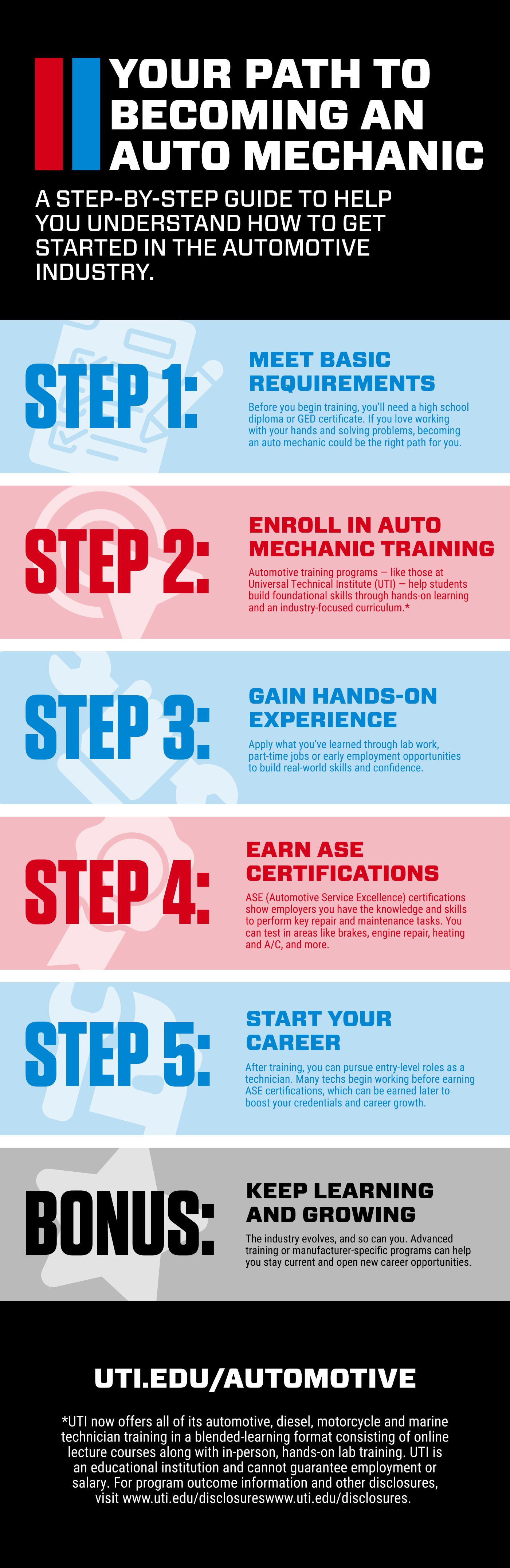
Start your journey as a CCTV operator by enrolling in specialized training courses. These programs cover essential skills like monitoring systems and identifying security threats. Hands-on practice and expert guidance enhance your proficiency in handling surveillance equipment effectively.

Embarking on a career as a CCTV operator is just the beginning. As you gain experience, numerous opportunities for career advancement await you. Elevate your skills and widen your professional horizons by focusing on specialized areas and continuous learning. But where do you start, and how can you make your mark in this dynamic field?

Specialization Options

Diving deeper into specific areas within CCTV operations can significantly boost your career. You might choose to specialize in areas like cybersecurity, where you ensure the footage remains secure from unauthorized access. Alternatively, focusing on system installation and maintenance can make you indispensable to organizations looking to upgrade their security infrastructure. Imagine specializing in facial recognition technology. Not only does this place you at the cutting edge of surveillance technology, but it also opens doors to roles in high-stakes environments like airports and government facilities. Which area excites you most? Picking a specialization that aligns with your interests can make your job more fulfilling and pave the way for future opportunities.

Continuing Education

Never underestimate the power of continued learning. In a field as rapidly evolving as CCTV operations, staying updated with the latest technologies and methodologies is crucial. Consider enrolling in workshops or courses that offer certifications in advanced surveillance systems or data analysis. Online platforms now provide a wealth of resources that can enhance your knowledge base. You can learn at your pace, fitting it around your current job responsibilities. What skills are missing from your toolkit? Identifying and addressing these gaps can set you apart from your peers and propel your career forward. Taking these steps not only enhances your expertise but also signals to employers that you are committed to professional growth. This dedication can lead to promotions or even open up new career pathways. Remember, your career advancement is in your hands. Where will you take it next?

How to Become a Cctv Operator Training: Step-by-Step Guide

Job Market Insights

Understanding the job market is crucial if you’re considering a career as a CCTV operator. The role is becoming increasingly important in today’s world, especially with the growing emphasis on security and surveillance. Below, we’ll dive into some key insights about the job market, helping you make an informed decision about your future career.

Industry Demand

Security is a top priority for many businesses and public entities, driving the demand for skilled CCTV operators. With advancements in technology, there’s a growing need for operators who can handle sophisticated surveillance systems. Are you ready to step into a field where your skills could be in high demand?

Look at the rise in urban infrastructure and public safety projects. These developments often require robust surveillance solutions, creating more opportunities for trained professionals like you.

Salary Expectations

Salaries for CCTV operators can vary based on location, experience, and the complexity of the systems you’ll manage. On average, entry-level positions might offer competitive wages, while experienced operators can expect higher earnings.

Consider this: In larger cities, where the cost of living is higher, salaries tend to be more attractive. However, even in smaller towns, the need for security means you can find rewarding positions.

Potential Employers

As a CCTV operator, you might find opportunities with a variety of employers. Private security firms often seek skilled operators for their clients. Retail chains and corporate offices also employ operators to safeguard their premises.

Don’t overlook government agencies and transportation hubs. They frequently require surveillance experts to ensure public safety. Where do you see yourself making the most impact?

What’s exciting is the potential for career growth in this field. As you gain experience, you could move into supervisory roles or specialize in system analysis.

With these job market insights, you’re now better equipped to pursue a career as a CCTV operator. Whether you’re looking for stability, growth, or the chance to make a difference, this role offers plenty of opportunities to explore.

Frequently Asked Questions

What Qualifications Do I Need To Be A Cctv Operator?

To become a CCTV operator, you typically need a high school diploma. Additionally, completing a security training course is essential. Obtaining a Security Industry Authority (SIA) license is often required. Practical experience in security can also be beneficial. Always check local regulations for specific requirements.

How Long Does Cctv Operator Training Take?

CCTV operator training usually takes between one to two weeks. The duration varies depending on the training provider. Courses often include both theoretical and practical components. Completing a comprehensive training program ensures you are well-prepared. Always choose a reputable training provider for the best results.

Is Cctv Operator A Good Career Choice?

Being a CCTV operator offers a stable career with growth opportunities. It provides a crucial role in security and safety. The demand for skilled operators is consistently strong. It also offers diverse work environments. With advancements in technology, the role continues to evolve, providing long-term career prospects.

What Skills Are Essential For A Cctv Operator?

Key skills include attention to detail and strong observational abilities. Technical knowledge of CCTV equipment is crucial. Good communication skills are important for reporting incidents. Problem-solving skills help in handling unexpected situations. Being able to work independently and as part of a team is also essential.

Conclusion

Becoming a CCTV operator opens many career opportunities. Training is your first step. Learn to handle equipment efficiently. Understand the importance of security and vigilance. Real-world practice is crucial. Focus on gaining hands-on experience. Stay updated with the latest technology.

Certifications boost your career prospects. Commitment and practice lead to success. Remember, patience is key in this field. Keep learning and growing. Your dedication will pay off. Aim to be the best in your role. Start your journey today. Stay focused and confident.

Your future in security awaits.

Professional Development

How to Become a Motorbike Maintenance Course Expert

Are you passionate about motorbikes and eager to understand their inner workings? Imagine cruising down the open road, not just as a rider but as someone who truly knows their machine inside and out.

Learning motorbike maintenance can transform your riding experience and save you money on repairs. But where do you start? You’ll discover how enrolling in a motorbike maintenance course can empower you with the skills to keep your bike in top shape.

We’ll guide you through the steps, share the benefits, and help you make an informed choice about the right course for you. Whether you’re a beginner or a seasoned rider, this guide will show you how mastering motorbike maintenance can enhance your freedom on the road and deepen your connection with your bike. Keep reading, and unlock the secrets to becoming more than just a rider—become a true motorbike aficionado.

Choosing The Right Course

Finding the perfect motorbike maintenance course involves considering your skill level and desired learning outcomes. Explore courses that offer hands-on training and cover essential topics like engine repair, brake systems, and electrical components. Prioritize programs with experienced instructors to gain practical knowledge and improve your motorbike maintenance skills.

Choosing the right motorbike maintenance course can make all the difference in your learning journey. You want a course that not only fits your schedule but also provides the best education possible. With many options available, it’s essential to weigh a few key factors before making your decision.

Accredited Programs

Start by checking if the course is accredited. Accreditation ensures the course meets certain educational standards. This can be crucial if you plan to pursue a career in motorbike maintenance. Accredited programs often provide certifications that are recognized in the industry. This can boost your resume and increase job prospects. Look for courses affiliated with well-known institutions or industry bodies.

Course Duration And Schedule

Consider how much time you can dedicate to the course. Courses can range from a few weeks to several months. Choose one that aligns with your availability. Think about the schedule as well. Some programs offer flexible online classes, while others might require in-person attendance. Decide what fits best with your current commitments.

Cost And Financial Aid Options

Cost is an important factor when selecting a course. Prices can vary widely between programs. Make sure to compare the tuition fees of different courses. Investigate if there are financial aid options available. Scholarships, grants, or payment plans can make a course more affordable. Don’t hesitate to ask the course provider about these possibilities. Choosing the right course is a step towards mastering motorbike maintenance. What are your priorities when selecting a course? Consider accreditation, duration, and cost to make an informed decision.

Essential Skills For Motorbike Maintenance

Maintaining a motorbike demands specific skills. These skills ensure smooth and safe rides. Aspiring mechanics must master several essential abilities. This skill set will help in fixing and maintaining bikes effectively. It also aids in diagnosing problems accurately.

Mechanical Aptitude

Understanding basic mechanics is crucial. This includes knowledge of how parts interact. A good grasp of engine operations is important. Familiarity with tools is necessary. Mechanics must know how to use them correctly. This ability saves time and prevents errors.

Problem-solving Skills

Mechanics often face unexpected issues. Finding solutions quickly is key. Analyzing symptoms helps identify problems. This skill involves logical thinking. It requires creativity in approach. Effective problem-solving leads to efficient repairs.

Attention To Detail

Small details matter in maintenance. Missing a single bolt can cause issues. Every part must be checked thoroughly. Precision ensures bike safety. Careful inspections prevent future problems. This skill enhances reliability and performance.

Hands-on Training

Hands-On Training is the backbone of any effective motorbike maintenance course. Imagine learning by actually doing—getting your hands dirty and understanding every component of the bike. This practical approach ensures you not only know the theory but can apply it confidently in real-world situations.

Workshop Experience

In the workshop, you’ll encounter various motorbike models and learn how they differ. You’ll work side by side with seasoned mechanics who share tips and tricks. This immersive environment enhances your learning, making each session an opportunity to solve real mechanical challenges.

Picture yourself tightening a bolt or changing a tire under the guidance of an expert. You’ll quickly see how theoretical knowledge transforms into practical skills. This experience builds your confidence, allowing you to tackle complex repairs independently.

Tool Familiarity

Knowing your tools is crucial in motorbike maintenance. You’ll learn to identify and use essential tools like wrenches, screwdrivers, and multimeters. Familiarity with these tools ensures efficiency and precision in your work.

Imagine the satisfaction of using a torque wrench correctly for the first time. You’ll appreciate the importance of each tool in maintaining bike safety and performance. This hands-on practice ensures you understand when and how to use each tool effectively.

Safety Practices

Safety is non-negotiable in motorbike maintenance. You’ll learn essential safety practices to protect yourself and others. Proper handling of tools and components minimizes risks and ensures a safe working environment.

Have you ever considered the impact of wearing protective gear? You’ll understand its importance firsthand during training. Safety practices become second nature, allowing you to focus on the task at hand without unnecessary worry.

Hands-On Training is more than just learning; it’s about building confidence and competence. Are you ready to take your motorbike skills to the next level? Embrace the challenge and see your abilities grow exponentially.

How to Become a Motorbike Maintenance Course Expert

Advanced Techniques And Technologies

Exploring advanced techniques and technologies in motorbike maintenance can elevate your skills. Understanding these sophisticated systems ensures your motorbike runs optimally. Dive into the intricacies of electronic systems, fuel injection, and suspension tuning. These are critical areas for any aspiring motorbike technician.

Electronic Systems

Modern motorbikes feature complex electronic systems. These systems manage everything from ignition to lighting. Learning to diagnose electronic issues is crucial. Mastering these skills helps prevent electrical failures. Familiarize yourself with circuit diagrams. They are essential for troubleshooting. Invest time in understanding how sensors work. They play a vital role in motorbike performance.

Fuel Injection Systems

Fuel injection systems enhance efficiency and power. Unlike carburetors, they precisely control fuel delivery. Knowing their components is essential for maintenance. Learn about fuel pumps, injectors, and sensors. Each part requires specific attention. Understanding how they interact is key. It ensures optimal fuel efficiency and engine performance.

Suspension Tuning

Suspension tuning dramatically affects ride quality. It influences handling and comfort. Recognizing different types of suspension systems is crucial. Each has unique characteristics. Learn how to adjust settings for various terrains. Tweaking suspension can improve stability. It also enhances safety during rides. Regular checks ensure the system remains efficient.

Certifications And Credentials

Certifications and credentials are crucial in motorbike maintenance. They build trust and showcase skills. With the right qualifications, doors to exciting opportunities open. Employers often seek certified technicians. Let’s dive into the essential certifications and credentials for aspiring motorbike mechanics.

Industry-recognized Certifications

Industry-recognized certifications validate your expertise. They prove knowledge of motorbike systems and repairs. ASE certifications are popular in the automotive world. They are respected and widely acknowledged. Getting certified shows dedication and professionalism. It helps stand out in a competitive market.

Continuing Education

Learning never stops in motorbike maintenance. Continuing education is vital for growth. It ensures you stay updated with new technologies. Many schools offer advanced courses. Workshops and seminars are great too. They provide hands-on experience with the latest tools. This keeps skills sharp and relevant.

Professional Associations

Joining professional associations benefits technicians greatly. They connect you with industry leaders. Associations offer networking opportunities. Members often get discounts on courses. They also provide access to exclusive resources. Being part of a professional group boosts credibility. It shows a commitment to the field.

How to Become a Motorbike Maintenance Course Expert

Building A Professional Network


Creating connections is essential for career growth in motorbike maintenance. A strong network opens doors to valuable opportunities. Learn from experts and gain insights. Networking is more than exchanging contact details. It’s about building relationships that last. Explore ways to expand your professional circle.

Connecting With Instructors

Instructors are a treasure trove of knowledge. Reach out to them for advice and guidance. Ask questions about the industry and its challenges. Show genuine interest in their experiences. Attend their classes regularly. Engage in conversations to build rapport. Seek feedback on your progress. A mentor can guide your career path.

Joining Online Forums

Online forums are rich in shared experiences. Join groups dedicated to motorbike maintenance. Participate in discussions and offer insights. Share your challenges and seek solutions. Learn from others and grow your understanding. Forums provide a sense of community. Connect with enthusiasts who share your passion.

Attending Industry Events

Industry events bring together experts and learners. Attend workshops and seminars to expand your knowledge. Meet professionals who can share valuable insights. Networking at events leads to meaningful connections. Discover new trends and technologies. Events are opportunities to learn and connect. Make the most of every interaction.

Career Opportunities

Exploring a career in motorbike maintenance opens diverse opportunities. The skills gained from a motorbike maintenance course can lead to exciting roles in various sectors. Whether you prefer working for a business or venturing on your own, the choices are plentiful. Let’s delve into some potential career paths.

Motorbike Repair Shops

Motorbike repair shops are ideal for honing your skills. These shops require technicians who can diagnose and fix motorbike issues efficiently. Working here allows you to tackle diverse problems, enhancing your expertise. The environment is fast-paced, offering daily challenges. You will learn from seasoned mechanics, broadening your knowledge. Repair shops often serve a loyal customer base. This helps you build relationships and trust with clients.

Dealerships

Motorbike dealerships offer a different setting. Here, technicians maintain and repair bikes before sale. You ensure bikes run smoothly, making them ready for eager buyers. Dealerships often have access to advanced tools and technologies. This setting provides a chance to work with the latest models. Being part of a dealership team means consistent work. You can develop a long-term career with growth potential. Dealerships often have structured training programs, aiding skill development.

Self-employment

Self-employment offers unmatched flexibility. You can set your own schedule and rates. Starting your own motorbike repair business allows you to be your own boss. Initially, you may work from home or a rented space. As your business grows, you might expand and hire staff. Marketing your skills and services is crucial. Building a strong reputation leads to more clients. Self-employment demands dedication but rewards independence.

How to Become a Motorbike Maintenance Course Expert

Staying Updated With Industry Trends

Staying updated with industry trends enriches your motorbike maintenance skills. Explore online forums and attend workshops to learn the latest techniques. Engaging with experts and enthusiasts ensures you grasp new insights and tools effectively.

Staying updated with industry trends is crucial for anyone pursuing a career in motorbike maintenance. The world of motorbikes is fast-paced and constantly evolving, with new technologies and practices emerging regularly. Whether you’re just starting out or looking to sharpen your skills, keeping up with these changes can set you apart in the field.

Latest Tools And Equipment

The right tools can make all the difference in motorbike maintenance. Investing in the latest equipment not only improves efficiency but also enhances the quality of your work. A friend of mine, a seasoned mechanic, swears by his digital torque wrench for precision jobs. Have you considered what new tool might elevate your own work? Staying informed about new products is easier than ever. Subscribe to industry magazines or join online forums to hear about upcoming tools. This proactive approach ensures you’re always ready to tackle any repair with confidence.

Emerging Technologies

Motorbikes today are more than just engines and wheels; they’re becoming high-tech machines. From advanced braking systems to smart diagnostics, technology is transforming how we maintain these vehicles. A recent training course I attended introduced a diagnostic tool that communicates with bikes via Bluetooth. It was a game-changer for detecting issues before they become major problems. Are you familiar with the latest tech in motorbikes? Enrolling in workshops or webinars focused on emerging technologies can provide you with the knowledge needed to stay relevant. These opportunities not only expand your skills but can also lead to exciting career advancements.

Sustainability Practices

Sustainability is no longer just a buzzword; it’s a necessity in the motorbike industry. Consumers are increasingly interested in eco-friendly practices, and mechanics can play a vital role in this shift. Simple actions like recycling oil or using biodegradable cleaning products can make a significant impact. A colleague of mine started offering a “green service package” and saw a noticeable increase in customers. Have you thought about how sustainability could be integrated into your services? Implementing eco-friendly practices not only benefits the environment but can also attract a new customer base who values green initiatives. By keeping up with these industry trends, you not only enhance your skills but also increase your value in the job market. What steps will you take to ensure you’re not left behind in this ever-evolving field?

Frequently Asked Questions

What Skills Are Needed For Motorbike Maintenance?

To excel in motorbike maintenance, you need technical skills and mechanical knowledge. Familiarity with tools and diagnostic equipment is essential. Understanding engine systems, brakes, and electrical components is crucial. Attention to detail and problem-solving abilities are important. Hands-on experience and continuous learning will enhance your skills effectively.

How Long Is A Motorbike Maintenance Course?

A typical motorbike maintenance course can last from a few weeks to several months. The duration depends on the course’s depth and intensity. Short courses often cover basics, while longer programs provide in-depth training. Check the course curriculum to determine the time commitment required.

Is Prior Experience Necessary For The Course?

No prior experience is necessary for most motorbike maintenance courses. Many programs start with fundamental concepts and gradually progress. Courses are designed to accommodate beginners and those with some mechanical knowledge. However, having a passion for motorbikes and eagerness to learn is beneficial.

What Career Opportunities Follow After The Course?

Completing a motorbike maintenance course opens various career paths. You can work as a motorcycle mechanic, service technician, or in a repair shop. Opportunities also exist in dealerships, racing teams, and custom bike shops. With experience, you can start your own repair business.

Conclusion

Taking a motorbike maintenance course offers valuable skills for enthusiasts. It provides hands-on experience, making bike care easier and safer. With these skills, you can save money on repairs. Plus, you’ll gain confidence in handling your bike’s needs. Courses often cover various models, enhancing your versatility.

Finding a local course can be simple with online searches. Check community centers or local colleges. This journey can be rewarding and enjoyable. Embrace the challenge and grow your knowledge. Start learning today, and keep your motorbike running smoothly. Your bike will thank you for it!

Health and Care

How to Become a Dog First Aid Expert: Essential Guide

Imagine you’re out for a walk with your furry friend when suddenly, they get hurt. Your heart races, your mind goes blank, and you feel helpless.

Knowing how to provide first aid for your dog in such moments is not just reassuring—it’s essential. As a pet owner, you want to be prepared for anything, ensuring your beloved companion gets the care they need when they need it most.

This guide will empower you with the skills and knowledge to become your dog’s first responder, boosting your confidence and strengthening the bond between you and your pet. Dive in to discover the steps you can take to safeguard your dog’s well-being and become the hero they deserve.

Importance Of Dog First Aid

Understanding dog first aid is vital for every pet owner. Dogs, like humans, can face emergencies. Knowing how to respond can save your furry friend’s life. Immediate care can prevent minor injuries from escalating. It ensures your pet’s safety until professional help arrives.

Why Immediate Response Matters

Quick action can make a big difference. Dogs are curious and can get into trouble. They might eat harmful things or get injured. Being prepared helps you act swiftly. It reduces panic and increases efficiency in emergencies.

Ensuring Pet Safety

Having dog first aid knowledge protects your pet. It gives you confidence to handle unexpected situations. You can manage wounds, choking, or poisoning effectively. This knowledge reduces the risk of complications.

Preparing For The Unexpected

Accidents happen without warning. Being ready helps you stay calm. You can provide immediate care until you reach a vet. This preparedness can save your pet’s life. It also makes you feel empowered and responsible.

Building A Stronger Bond

Caring for your pet in emergencies strengthens your bond. Your pet feels safer and trusts you more. They sense your ability to protect them. This creates a deeper connection between you and your pet.

Peace Of Mind For Pet Owners

Knowing dog first aid brings peace of mind. You feel prepared for any situation. This readiness reduces anxiety in pet owners. It allows you to enjoy your time with your pet without constant worry.

Basic Canine Anatomy

Understanding basic canine anatomy is crucial for dog first aid. A dog’s body is complex but fascinating. Knowing the main parts helps you offer better care. This knowledge ensures you can respond swiftly in emergencies.

Head And Neck Structure

The head houses the brain, eyes, and ears. Dogs rely heavily on these senses. The neck supports the head and contains the trachea. The trachea is vital for breathing. Any injury here can be serious. Recognizing signs of distress is important.

Chest And Abdomen

The chest protects the heart and lungs. These organs are essential for life. The abdomen holds the stomach, liver, and intestines. Knowing their locations helps in case of pain or swelling. It aids in identifying potential problems.

Legs And Paws

Dogs have four legs, each with a unique purpose. Front legs support movement and balance. Back legs provide power for running and jumping. Paws are sensitive and prone to injury. Regular checks can prevent issues.

Skin And Coat

The skin shields a dog from the environment. It’s the first defense against injury and infection. The coat offers protection and temperature regulation. Observing changes in skin or coat can reveal health issues.

Essential First Aid Skills


Knowing first aid for dogs is crucial. It can save their lives during emergencies. Learning essential skills helps you act quickly. You’ll be prepared for unexpected situations. Let’s explore some vital techniques.

Performing Cpr On Dogs

CPR is important when a dog is unconscious. First, check their breathing and pulse. Place your hands over their chest. Push firmly at a steady pace. Keep a rhythm, about 100 compressions per minute. Continue until they respond or help arrives.

Bandaging Techniques

Bandaging helps protect wounds. Start by cleaning the affected area. Use a clean cloth or gauze. Wrap the bandage snugly around the wound. Ensure it’s secure but not too tight. This prevents further injury and infection.

Handling Choking Incidents

Choking can be life-threatening. Act quickly to clear the airway. First, open the dog’s mouth and look for obstructions. If visible, gently remove them. Perform abdominal thrusts if the object isn’t reachable. Repeat until the airway is clear and breathing normal.

Building A Dog First Aid Kit

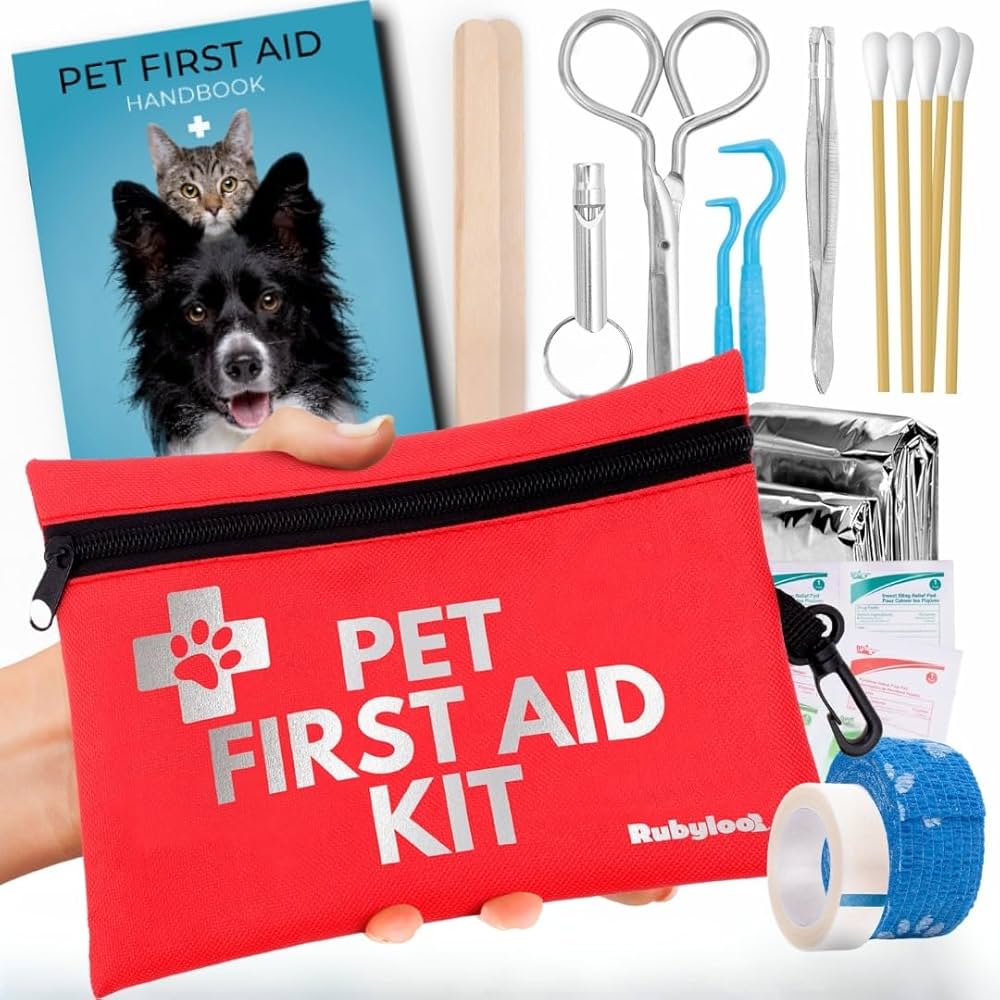
Creating a dog first aid kit can prepare you for emergencies. Gather essentials like bandages, antiseptic wipes, and tweezers. Include a pet-safe pain reliever and emergency contact numbers for your vet.

Building a dog first aid kit is essential for any responsible pet owner. Accidents happen, and being prepared can make a huge difference. A well-stocked kit helps you manage emergencies swiftly and effectively. It ensures you have everything needed in critical moments. Let’s explore how to assemble a comprehensive dog first aid kit.

Must-have Supplies

Your kit should include basic supplies for immediate care. Gauze pads and rolls are vital for cleaning wounds. Adhesive tape secures bandages in place. Include antiseptic wipes to clean cuts and scrapes. Tweezers are useful for removing splinters or ticks. Scissors help you cut bandages to the right size. A digital thermometer checks your dog’s temperature. An emergency blanket keeps your dog warm. Include a muzzle for safety during treatment. Dogs can bite if they are scared or in pain. Disposable gloves protect you from blood or fluids. Keep a small flashlight handy for better visibility. A pet first aid manual guides you through procedures. Saline solution cleans wounds and eyes gently.

Optional Additions

Consider adding extra items for specific needs. A pet-safe ice pack reduces swelling from sprains. Hydrogen peroxide induces vomiting in case of poisoning. Only use under vet supervision. A magnifying glass helps examine tiny objects. A collapsible water bowl keeps your dog hydrated. Include a soft towel for drying your pet. A syringe without a needle administers liquid medicines. A portable dog stretcher helps move injured pets. Store extra medications if your dog has ongoing conditions. A spare leash ensures control during emergencies. Remember to check expiration dates regularly. Organize your kit for easy access during stressful situations. Review it periodically to replenish supplies. Having a well-prepared kit boosts confidence in handling emergencies.

Recognizing Common Emergencies

Knowing how to recognize common emergencies can save your dog’s life. Understanding the signs of distress is crucial for timely first aid. Early detection can prevent serious complications. Let’s explore some common emergencies and their symptoms.

Heatstroke

Heatstroke is a serious risk for dogs, especially in warm weather. Dogs can’t cool themselves as easily as humans. Watch for signs like excessive panting, drooling, and weakness. Red gums or a rapid heartbeat are critical symptoms. Move your dog to a cooler place immediately. Offer small amounts of water to help lower their temperature.

Poisoning

Poisoning in dogs can happen quickly and unexpectedly. Symptoms vary depending on the toxin. Common signs include vomiting, diarrhea, and drooling. Some poisons cause seizures or difficulty breathing. If you suspect poisoning, contact a vet right away. Keep potential toxins out of your dog’s reach to prevent accidents.

Fractures And Sprains

Fractures and sprains often occur during play or exercise. Limping or refusing to bear weight are common signs. Swelling or visible deformity indicates a serious injury. Keep the dog calm and restrict movement. Use a soft cloth to wrap the injured area gently. Seek veterinary care to assess the injury properly.

Training And Certification

Start your journey in dog first aid by enrolling in specialized training courses. These programs teach essential skills like CPR, wound care, and emergency response. Certification enhances your abilities, ensuring you can confidently assist dogs in emergencies.

Embarking on the journey to become proficient in dog first aid is not only fulfilling but also crucial for pet owners who want to ensure their furry friends are safe and healthy. Training and certification are key steps in this process. They provide the knowledge and skills needed to handle emergency situations confidently. As you dive into this area, you will find opportunities to enhance your understanding and gain recognition that highlights your commitment to pet care.

Finding Courses

There are numerous resources available to help you find suitable dog first aid courses. Start by searching online for reputable organizations offering pet first aid training. Websites like the American Red Cross and Pet First Aid & CPR have dedicated sections for such courses. Local animal shelters and veterinary clinics often host workshops. These can be an excellent way to learn and connect with experts in your community. You might even find courses tailored to specific dog breeds or health conditions. Don’t forget to explore reviews and testimonials. They offer valuable insights into the course quality and instructor expertise. Have you considered asking friends or family who have taken these courses for recommendations?

Benefits Of Certification

Certification in dog first aid offers several advantages. It provides formal recognition of your skills, boosting your confidence in emergency situations. You will be better equipped to handle incidents swiftly and effectively. Moreover, certification can be a stepping stone to further involvement in animal care or rescue operations. It may open doors to volunteering opportunities where your skills can make a tangible difference. Imagine the peace of mind you will have knowing you can act decisively if your dog needs urgent help. Plus, certification can be a conversation starter, allowing you to share your knowledge and encourage others to pursue similar training. Wouldn’t it be rewarding to be an advocate for pet safety in your community?

Staying Updated On Best Practices

Stay informed on the latest dog first aid techniques to ensure your pet’s safety. Learn basic skills like CPR and wound care through certified courses. Regularly update your knowledge by attending workshops or reading expert publications.

Staying updated on best practices is crucial for anyone looking to excel in dog first aid. As a dog first aid provider, you must ensure your skills remain sharp and relevant. The world of veterinary medicine is ever-evolving, with new techniques and treatments emerging regularly. How do you ensure that you’re offering the very best care? Let’s dive into some practical ways to keep your knowledge current.

Continuing Education

Ongoing education is essential in the field of dog first aid. Consider enrolling in workshops and seminars that focus on the latest advancements. These events often provide hands-on experience, allowing you to practice new techniques. Online courses can also be a great resource. Many of these courses offer flexibility, allowing you to learn at your own pace. Look for ones that are updated regularly to include the latest information. Networking with other dog first aid professionals can be invaluable. Share experiences and learn from each other’s successes and challenges. This can help you stay informed about emerging trends and practices in the industry.

Following Veterinary Guidelines

Adhering to veterinary guidelines ensures you’re aligned with the best practices. Check for updates from reputable veterinary organizations. These updates often reflect the latest research and recommendations. Make it a habit to review these guidelines periodically. This practice ensures that your knowledge is not only current but also in line with accepted standards. It’s a small step that can make a big difference in the quality of care you provide. Have you ever wondered how the pros stay on top of their game? They make it a point to consult with veterinarians regularly. Consider building a relationship with a local vet to discuss the latest developments in dog health care. By staying informed and educated, you enhance your ability to provide effective dog first aid. What’s one new practice you can adopt today to improve your skills? Engaging with these resources will not only benefit your furry patients but also enhance your personal growth in this rewarding field.

How to Become a Dog First Aid Expert: Essential Guide

Resources For Dog First Aid

Learning how to become a dog first aid expert involves accessing the right resources. Various online courses and books offer essential knowledge. Practice with pet first aid kits can prepare you for emergencies.

Understanding dog first aid is crucial for every pet owner. It helps you respond quickly in emergencies. Knowing what to do can save your dog’s life. Many resources can guide you in gaining these vital skills. Books, online communities, and contact lists are valuable tools. Dive into them to prepare yourself better.

Books And Guides

Books offer in-depth knowledge about dog first aid. They provide step-by-step instructions for different scenarios. These guides are usually written by experts. They cover topics like CPR, wound care, and more. Consider books with clear illustrations. Pictures help you understand the techniques better. Local libraries may have some good options.

Online Communities

Join online communities dedicated to pet care. These groups offer real-time advice and support. You can ask questions and share experiences. Platforms like Facebook or Reddit have active dog care groups. Members often share useful first aid tips. You can also find webinars and virtual workshops. They are great for interactive learning.

Emergency Contact List

An emergency contact list is essential. Include your vet’s number on it. Add nearby animal hospitals and emergency clinics. Also, list trusted neighbors or family members. They might help during emergencies. Keep this list accessible at all times. Update it regularly to ensure accuracy.

How to Become a Dog First Aid Expert: Essential Guide

Frequently Asked Questions

What Is Dog First Aid?

Dog first aid involves providing immediate care to injured or sick dogs. It includes assessing the dog’s condition and performing essential procedures like CPR. Knowing dog first aid can save your pet’s life during emergencies. Learning these skills is crucial for every dog owner or caretaker.

Why Learn Dog First Aid Skills?

Learning dog first aid equips you to handle emergencies effectively. It helps you provide immediate care until professional help arrives. This knowledge can reduce a dog’s suffering and improve recovery chances. Being prepared can make a significant difference in critical situations.

Where Can I Learn Dog First Aid?

You can learn dog first aid through online courses, local workshops, or veterinary clinics. Many organizations offer certifications in pet first aid. Check with local animal shelters or pet stores for classes. Online resources and videos also provide valuable information on essential first aid techniques.

What Are Essential Dog First Aid Supplies?

Essential supplies include bandages, antiseptic wipes, tweezers, and a digital thermometer. Keep a muzzle and a pet first aid manual handy. A well-stocked first aid kit ensures you’re prepared for minor injuries or emergencies. Regularly check and update your supplies to maintain readiness.

Conclusion

Becoming skilled in dog first aid is a valuable asset. It equips you to handle emergencies and care for your furry friend. Practice regularly to build confidence. Consider taking a course for hands-on experience. Stay updated with the latest techniques and tips.

Your pet’s safety and health are in your hands. Knowing what to do can make all the difference. Remember, a calm approach helps in stressful situations. Your preparedness ensures your dog gets the best care possible. Keep learning and be ready to act when needed.

Your dog will thank you with wagging tails and happy barks!

Beauty and Fitness

How to Become a Brow Lamination Expert: Step-by-Step Guide

Imagine waking up every morning with perfect brows—no pencil, no powder, just naturally stunning arches that frame your face effortlessly. Brow lamination can make this dream a reality, and you could be the artist behind it.

If you’re passionate about beauty and eager to learn a skill that transforms appearances, becoming a brow lamination expert might be your perfect path. You’ll discover simple steps to master brow lamination, a trend that’s taking the beauty industry by storm.

Whether you’re looking to boost your career or simply want to refine your skills, you’ll find everything you need to know right here. From understanding the basics to learning advanced techniques, get ready to dive into a world of beauty and precision. Stay with us to unlock your potential and elevate your expertise.

How to Become a Brow Lamination Expert: Step-by-Step Guide

Brow Lamination Basics

Brow lamination is a popular beauty treatment. It’s gaining traction worldwide. Aspiring beauty professionals often consider adding this skill to their repertoire. Understanding the basics is crucial. This includes knowing what brow lamination entails. And, of course, the benefits it offers. Let’s dive into the essentials.

What Is Brow Lamination?

Brow lamination is a non-invasive procedure. It tames unruly eyebrows. This treatment sets brow hairs in a desired shape. The result is smooth, fuller-looking brows. It uses a chemical solution to reshape hairs. The process is quick and painless. It typically lasts about six weeks.

Benefits Of Brow Lamination

Brow lamination offers several advantages. It enhances the appearance of brows. Clients enjoy a polished and defined look. The procedure boosts brow volume. It eliminates the need for daily brow styling. Brow lamination is suitable for all hair types. It’s an affordable option for those seeking brow perfection. Importantly, it saves time and effort in daily routines.

Essential Tools And Products

Embarking on the journey to become a brow lamination expert is both exciting and rewarding. To ensure you deliver top-notch services, it’s crucial to equip yourself with the right tools and products. Just like any craft, the quality of your work can greatly depend on the resources you have at your disposal. Let’s dive into what you really need to get started.

Must-have Tools

To achieve flawless brows, precision is key. Imagine trying to sculpt with a dull chisel; it wouldn’t work, right? A set of high-quality tweezers is indispensable. They help in shaping the brows with precision, ensuring every hair is perfectly placed.

An angled brush should be in your kit. It’s your best friend for applying tint and styling brows. It gives you control over the application, allowing you to create clean lines.

Don’t forget the small scissors! These are vital for trimming long brow hairs and keeping the shape neat. They might seem minor, but they make a huge difference in the final look.

Recommended Products

When choosing products for brow lamination, quality matters. A brow lamination kit is essential. These kits typically include perm solutions, setting lotions, and nourishing serums. They are designed to give brows a lifted and fuller appearance.

Consider investing in a brow tint. It enhances the depth and color of the brows, making them look more defined. Opt for a product that has a range of shades to match various skin tones.

Aftercare is crucial. A nourishing brow serum should be part of your offerings. This product helps in maintaining the health of the brows post-treatment, ensuring clients return with healthy, lush brows.

How will you ensure the products you choose align with your brand’s values? This is a question worth pondering, especially if sustainability and ethics are important to you.

Training And Certification

Entering the world of brow lamination demands proper training and certification. Training equips you with the skills to safely enhance brows. Certification validates your expertise. It assures clients of your professionalism. Let’s dive into how to become a certified brow lamination expert.

Finding Accredited Courses

Start with finding reputable courses. Accredited courses ensure quality education. They provide industry-standard techniques and practices. Research schools with a strong reputation. Seek reviews from past students. Verify the school’s accreditation status. This guarantees your training is recognized.

Importance Of Certification

Certification proves your skill level. It builds trust with clients. Certified professionals often have more opportunities. Many salons prefer certified experts. It boosts your credibility in the beauty industry. Certification shows you meet specific standards. It reflects your commitment to excellence.

Step-by-step Lamination Process

Embarking on the journey to mastering brow lamination is both exciting and rewarding. Whether you’re a beauty enthusiast or aspiring professional, understanding the step-by-step lamination process is crucial. This guide will walk you through each stage, ensuring you create flawless brows every time.

Preparing The Brows

Preparation is key to achieving perfect brows. Start by cleaning the brows thoroughly to remove any oils or makeup. Use a gentle cleanser or micellar water. This ensures the lamination solution adheres effectively.

Next, brush the brows upwards using a spoolie. This helps you see the natural shape and identify any gaps or sparse areas. Consider trimming any excessively long hairs. This small step can make a big difference in the final result.

Applying The Solution

The lamination solution is the star of the show. Apply the first solution to the brows using a precise applicator. Make sure each hair is coated evenly.

Timing is crucial here. Follow the instructions on the product for how long to leave the solution on. This varies depending on the brand, but it’s typically around 8-10 minutes. Keep an eye on the clock!

Setting And Shaping

Once the solution has done its magic, it’s time to set and shape. Remove the solution gently with a damp cotton pad. Be careful not to disrupt the hair placement.

Apply the setting lotion using the applicator, brushing the brows in the desired direction. This is your chance to perfect the shape. Think of it as sculpting your own masterpiece.

Aftercare Tips

Aftercare is essential for long-lasting results. Avoid getting your brows wet for at least 24 hours. This allows the lamination to set properly.

Consider using a brow conditioner to keep the hairs nourished and healthy. This can make a significant difference in maintaining the look. How can you keep your brows looking their best? Regularly brush them to keep the hairs in place and enhance the laminated effect.

With these steps, you’re well on your way to becoming a brow lamination expert. Why not share your experiences with others? Every brow tells a story, and yours could inspire someone else to pursue their passion for beauty.

Common Mistakes To Avoid

Embarking on the journey to become a brow lamination expert is exciting, but it’s crucial to steer clear of common pitfalls. Mistakes can lead to less-than-stellar results or even damage to your client’s brows. By understanding these errors and learning how to avoid them, you can ensure beautiful, long-lasting results. Let’s dive into some common mistakes you might encounter and how to sidestep them.

Over-processing

One of the biggest blunders in brow lamination is over-processing. Leaving the chemical solution on for too long can make brows look unnatural and stiff. Timing is everything, and you need to be vigilant.

Consider setting a timer to remind you when to remove the product. This small action can save you from the embarrassment of crunchy brows. Remember, the goal is to achieve sleek, lifted brows, not crispy ones.

Have you ever felt rushed and left the solution on longer than intended? It’s a common mistake, but one that can be easily avoided with proper planning. Take your time and focus on precision over speed.

Incorrect Product Use

Using the wrong product can spell disaster for your brow lamination efforts. Each product has specific instructions and intended uses. Misusing them can lead to uneven results or skin irritation.

Always read and follow the product instructions carefully. Familiarize yourself with the ingredients and their effects on different skin types. This diligence can prevent mishaps and keep your clients coming back.

Imagine the disappointment of using a product that doesn’t deliver as promised. Double-check your product selection and ensure it aligns with your client’s needs. This attention to detail is what distinguishes a good brow artist from a great one.

Are you confident in your product knowledge? Take the time to educate yourself on the latest brow lamination products and techniques. Investing in your expertise pays off in satisfied clients and stunning brows.

How to Become a Brow Lamination Expert: Step-by-Step Guide

Building Your Brow Business

Building your brow business is an exciting journey filled with opportunities to grow your skills and connect with clients. You’ll need more than just technical ability to succeed; your business acumen is equally important. Whether you’re just starting out or looking to expand, mastering marketing and client retention can set you apart in the beauty industry.

Marketing Your Services

Effective marketing begins with understanding your target audience. Who are your ideal clients? Are they young professionals, busy moms, or students? Tailoring your message to their needs and desires can make your services irresistible.

Utilize social media platforms like Instagram and Facebook. Share engaging content that showcases your brow transformations. Use before-and-after photos, tutorials, and client testimonials to build trust and attract new customers.

Consider offering special promotions or discounts for first-time clients. A limited-time offer can create urgency and encourage potential clients to book your services. What unique value can you offer to stand out from your competitors?

Client Retention Strategies

Client retention is crucial for a sustainable business. Focus on creating memorable experiences for your clients. Personalize each appointment by listening to their preferences and delivering exceptional service every time.

Encourage repeat visits by implementing a loyalty program. Offer rewards or discounts for returning clients. This not only incentivizes them to come back but also makes them feel valued.

Stay connected with your clients through regular follow-ups. Send personalized messages or emails to check in and offer tips for maintaining their brows. Building a relationship beyond the initial appointment can turn one-time clients into lifelong fans.

Reflect on your own experiences as a customer. Think about what made you return to a service. How can you incorporate those elements into your brow business to ensure your clients keep coming back?

Staying Updated With Trends

Staying updated with trends is crucial for anyone looking to excel in the brow lamination industry. As styles and techniques evolve, you need to be on top of your game to offer the best services to your clients. Embracing the latest trends can make your work stand out and help build your reputation as a leading brow expert.

Latest Styles And Techniques

The beauty industry is dynamic, with trends changing frequently. One day, thick, bold brows are in; the next, sleek and subtle styles take over. Pay attention to social media platforms like Instagram and TikTok, where influencers often showcase trending brow styles.

Try experimenting with different looks on practice brows or willing clients. This keeps your creativity alive and helps you master new techniques. Learning to adapt quickly can set you apart in this fast-paced industry.

Continuing Education Resources

Investing in continuing education is vital to staying current. Look for workshops, webinars, and online courses that cover the latest brow lamination trends and techniques. Many beauty academies offer specialized courses, allowing you to sharpen your skills from the comfort of your home.

Don’t underestimate the power of networking with fellow professionals. Engaging in forums or attending industry conferences can expose you to fresh ideas and insights. What new technique have you learned from a colleague recently?

Your commitment to learning will not only enhance your skills but also boost your confidence in delivering top-notch services. Stay curious and open to new knowledge; it might just be the key to your success.

Frequently Asked Questions

What Is Brow Lamination?

Brow lamination is a beauty treatment that enhances eyebrows. It involves straightening and setting the brow hairs in place. This gives them a fuller, more defined look. The process is non-invasive and lasts about six to eight weeks. It’s ideal for achieving a sleek, polished brow appearance.

How Long Does Brow Lamination Last?

Brow lamination typically lasts between six to eight weeks. The longevity depends on your hair growth cycle. Proper aftercare can help maintain the results longer. Avoid getting your brows wet for 24 hours post-treatment. Using a nourishing brow serum may also extend the effects.

Can I Do Brow Lamination At Home?

While possible, it’s not recommended to do brow lamination at home. Professional estheticians have the expertise and products to ensure safety. DIY attempts can lead to uneven results or damage. If you choose to try it, ensure you follow detailed instructions and use quality products.

Who Should Avoid Brow Lamination?

People with sensitive skin, eczema, or psoriasis should avoid brow lamination. The chemicals used can irritate sensitive skin. If you have existing brow tattoos, consult a professional first. Always perform a patch test beforehand to ensure no adverse reactions occur.

Conclusion

Becoming a brow lamination expert is within your reach. Start by learning the basics. Practice regularly to refine your skills. Connect with industry professionals for guidance and support. Always stay updated on the latest trends and techniques. Client satisfaction should be your top priority.

Build a portfolio to showcase your work. This will attract more clients. Remember, patience and persistence are key. Your dedication can lead to a successful career in brow lamination. Keep pushing forward and enjoy the journey. Success comes with time and effort.

Your dream job is closer than you think.

Personal Development

How to Become a Bid Writing Course Expert: Step-by-Step Guide

Are you looking to transform your career or enhance your skills in writing winning bids? If you’re curious about how to become a bid writing expert, you’ve landed in the right place.

Imagine having the power to craft proposals that not only capture attention but also win contracts. This article will guide you through the essentials of becoming proficient in bid writing, whether you’re a beginner or seeking to refine your existing skills.

You might wonder why bid writing is crucial. In the competitive world of business, the ability to write compelling bids can set you apart from the competition. By mastering this skill, you can increase your chances of securing lucrative projects and boosting your career. We’ll break down the process step-by-step, ensuring you gain valuable insights that are easy to digest and apply. Ready to unlock your potential and become a bid writing pro? Let’s dive in and explore how you can embark on this exciting journey to success.

How to Become a Bid Writing Course Expert: Step-by-Step Guide

Understanding Bid Writing

Learn the essentials of bid writing with a practical course. Gain skills to create compelling proposals. Discover techniques to win contracts and stand out. Build confidence in writing successful bids.

Understanding bid writing can be a game-changer in your professional toolkit, especially if you’re looking to secure funding or contracts. Whether you’re a freelancer, a small business owner, or part of a larger organization, mastering bid writing can open doors to new opportunities. It’s more than just putting words on paper; it’s about crafting compelling narratives that persuade others to invest in your vision.

Importance Of Bid Writing

Bid writing is crucial because it directly impacts your ability to win projects and secure funding. A well-written bid can set you apart from the competition, showcasing your unique strengths and solutions. Imagine you’re reading a proposal; wouldn’t you want one that clearly and persuasively outlines the benefits? Every bid is an opportunity to communicate your value. With each submission, you’re building your reputation and credibility. The importance of bid writing lies in its ability to convey trust and competence to potential clients or partners.

Key Skills Required

Effective bid writing demands a specific set of skills. Attention to detail is paramount; even a small error can undermine your credibility. Develop the ability to tailor your message to the audience, ensuring that every bid resonates with its intended reader. Research skills are equally important. You must understand the client’s needs and industry to craft a bid that stands out. Strong research informs your strategy and strengthens your argument. Finally, persuasive writing skills can make or break your bid. You need to convey not just facts, but also the benefits and unique value of your proposal. Reflect on a time when you were swayed by a compelling argument; that’s the level of persuasion your bid should achieve. Are you ready to transform your bids into winning proposals? Understanding and honing these skills is your first step toward succes.

Choosing The Right Bid Writing Course

Choosing the right bid writing course can greatly impact your career. With many options available, finding the perfect fit is key. It’s important to look at several aspects before making a decision. Consider accreditation, course content, and learning format to ensure the course meets your needs.

Accreditation And Recognition

Accreditation guarantees the course meets high standards. It shows the course has been reviewed by experts. Look for courses recognized by industry associations. This recognition can boost your resume. It also ensures the skills you gain are valued by employers.

Course Content And Structure

Examine the course content carefully. It should cover essential bid writing skills. Look for modules on research, strategy, and writing techniques. Check if the course offers practical exercises. This hands-on approach can improve your learning experience. The structure should allow for steady progress. Avoid courses that rush through topics.

Online Vs. In-person Learning

Decide which learning format suits you best. Online courses offer flexibility. You can learn at your own pace. They are ideal for those with busy schedules. In-person courses provide face-to-face interaction. They often encourage group discussions. Consider your learning style when choosing between these formats.

Developing Essential Writing Skills

Learning to craft winning proposals is more than just penning down words—it’s about developing essential writing skills that capture attention and win contracts. Whether you’re a beginner or looking to refine your craft, honing these abilities is pivotal in becoming a successful bid writer. Imagine the satisfaction of seeing your proposal stand out among the crowd. Let’s dive into the core writing skills that will elevate your bid writing game.

Crafting Persuasive Proposals

Creating a compelling proposal requires you to weave a narrative that resonates with your audience. Think about what makes you stop scrolling and pay attention. It’s the same principle here. Use clear and direct language to convey your message.

Highlight benefits, not just features. Picture yourself as the reader; what would convince you? Include actionable insights that align with the client’s objectives, ensuring every word serves a purpose. A personal touch can make all the difference.

Mastering Technical Language

Technical language can be intimidating, but mastery is crucial for your success. Familiarize yourself with industry-specific terms and ensure accuracy. Misuse can undermine your credibility.

Imagine you’re explaining a complex concept to a friend—keep it simple yet precise. Use glossaries or cheat sheets to stay consistent with terminology. Remember, it’s not about showing off; it’s about clarity and understanding.

Research And Analysis Techniques

Strong research skills set the foundation for any proposal. Don’t just skim information; dive deep into the client’s needs and industry trends. This knowledge will differentiate your proposal from others.

Think about what insights would surprise your reader. Use bullet points or tables to present data succinctly. The ability to analyze and present relevant information logically is a skill that keeps your proposals sharp and relevant.

Are you ready to transform your bid writing with these essential skills? It’s not just about writing; it’s about making a lasting impact. Take the first step today and watch your proposals rise to the top.

Enhancing Presentation Skills

Improving presentation skills can boost your confidence in bid writing courses. Practice speaking clearly and organizing your thoughts well. Use visual aids to support your points and engage your audience effectively.

Enhancing your presentation skills is crucial in the journey of becoming a successful bid writer. It’s not just about crafting compelling bids; it’s about delivering them with confidence and clarity. Great presentation skills can make the difference between a winning bid and one that gets lost in the shuffle. You need to be able to communicate your ideas effectively and engage your audience from start to finish.

Effective Communication

Communication is the backbone of any presentation. To truly captivate your audience, you need to speak with clarity and purpose. Avoid jargon that might confuse your listeners. Instead, use simple language that everyone can understand. Practice speaking in front of a mirror or record yourself. This can help you refine your speech and spot areas for improvement. Consider your tone and pace. Are you speaking too fast or too slow? Adjust your speed to keep your audience engaged without overwhelming them.

Visual Aids And Tools

Visual aids can be powerful allies in your presentations. Think about using slides or infographics to highlight key points. They should complement your speech, not overshadow it. Choose visuals that are clear and easy to understand. Avoid cluttering your slides with too much information. Try using software tools like PowerPoint or Canva to create professional-looking visuals. They offer templates and design elements that can enhance your presentation. Ask yourself: How can visuals strengthen your message? Use them strategically to emphasize the most important parts of your presentation. By honing your communication skills and leveraging visual aids, you can deliver bids that leave a lasting impression. Remember, your goal is not just to inform but to inspire action and win the bid.

Practical Experience And Application

Embarking on a bid writing course is not just about theory; it’s about rolling up your sleeves and diving into the practical world of bid writing. The real magic happens when you apply what you’ve learned to real-world scenarios, transforming textbook knowledge into impactful results. This section will guide you on how to gain practical experience and apply your skills effectively.

Real-world Projects

Getting involved in real-world projects is where you truly test your mettle. Many courses offer opportunities to work on actual bids, providing a taste of the challenges and rewards of bid writing. Take advantage of these opportunities to sharpen your skills and build your confidence.

Consider creating your own projects. Volunteer to write proposals for local businesses or charities. You never know how valuable your contribution might be until you try. These experiences help you understand the nuances of client needs and deadlines.

Internships And Volunteering Opportunities

Internships are a fantastic way to immerse yourself in the bid writing industry. They allow you to learn from professionals, see their processes, and understand the dynamics of real-world bid environments. Plus, internships can lead to connections that are invaluable in your career.

Volunteering can be equally beneficial. Many non-profits need help with grant writing or project proposals. Offering your services not only helps them but also gives you practical experience. It’s a win-win situation that enhances your portfolio and broadens your network.

Have you considered how these experiences could set you apart? The practical application of skills learned in a course can be your unique selling point. It’s not just about learning; it’s about doing. What steps will you take to gain this practical experience?

Networking And Professional Growth

Networking and professional growth are crucial in the bid writing field. Building connections and enhancing skills can boost your career. Engaging with peers and experts opens doors to opportunities. This section explores ways to grow your network and professional skills.

Joining Professional Associations

Professional associations connect you with industry experts. They provide access to valuable resources and insights. Joining these groups helps you stay informed about trends. You can participate in discussions and share experiences. This involvement enhances your understanding and credibility.

Attending Workshops And Seminars

Workshops and seminars offer hands-on learning experiences. They focus on current practices and innovations in bid writing. Attending these events keeps your skills updated. You gain practical knowledge from seasoned professionals. Networking at these venues can lead to new collaborations. Interactions here often spark fresh ideas and approaches.

Staying Updated With Industry Trends

Bid writing is a dynamic field. It requires staying updated with industry trends. Understanding the latest developments can make your proposals more competitive. This section explores how to stay informed and enhance your skills.

Continuous Learning Opportunities

The industry evolves rapidly. Take advantage of continuous learning opportunities. Attend workshops and webinars. They offer insights into new strategies and techniques. Online courses are also available. They provide flexibility and cover diverse topics. Learning regularly keeps your skills sharp and relevant.

Subscribing To Industry Publications

Industry publications offer valuable information. Subscribe to magazines and newsletters. They provide updates on trends and changes. Reading them helps you understand the market better. Many publications offer expert opinions and case studies. This knowledge can improve your bid writing skills. Stay informed to remain competitive in the field.

How to Become a Bid Writing Course Expert: Step-by-Step Guide

Frequently Asked Questions

What Is A Bid Writing Course?

A bid writing course teaches you how to write winning proposals. It covers techniques for crafting compelling and persuasive bids. You’ll learn to analyze client needs, structure documents effectively, and use persuasive language. This course is essential for anyone looking to excel in competitive bidding environments.

Why Take A Bid Writing Course?

A bid writing course enhances your proposal writing skills. It increases your success rate in securing contracts. By learning industry best practices, you can stand out from competitors. It helps you understand client requirements better and tailor your proposals accordingly.

This leads to more successful bids and business growth.

How Does A Bid Writing Course Help?

A bid writing course provides structured learning on proposal development. You’ll gain insights into crafting clear and compelling bids. It helps you understand market trends and client expectations. This course also improves your communication and persuasion skills, making your proposals more effective and competitive.

Who Should Enroll In A Bid Writing Course?

Professionals involved in proposal writing or contract bidding should consider this course. It’s ideal for business development managers and sales professionals. Freelancers and consultants looking to improve their proposal success can benefit too. Anyone aiming to enhance their bidding skills will find this course valuable.

Conclusion

Becoming proficient in bid writing requires dedication and practice. Start with a reliable course. This will lay a solid foundation for your skills. Practice regularly to enhance your writing abilities. Engage with experienced bid writers for valuable insights. Their advice can improve your techniques.

Stay updated with industry trends and changes. This will keep your knowledge fresh and relevant. Remember, persistence is key in this journey. Every effort brings you closer to success. With time and commitment, bid writing can become your strength. Keep learning, keep writing, and watch your skills grow.

Health and Safety

How to Become a Food Hygiene And Safety Expert Fast

Are you passionate about ensuring safe and hygienic food practices? Do you want to make a difference in the culinary world by protecting the health of consumers?

Becoming an expert in food hygiene and safety might be your perfect path. Imagine walking into any kitchen and knowing exactly how to prevent contamination and keep food safe for everyone. This skill is not only essential but also increasingly in demand, as more people become aware of the importance of clean and safe food handling.

You’ll discover the steps you need to take to become a food hygiene and safety professional. You’ll learn the qualifications, skills, and certifications that can open doors to a rewarding career. Grab a seat, and let’s dive into the world of food safety where your expertise can change lives and build trust in every meal served.

Pathways To Expertise

Embarking on a journey to become an expert in food hygiene and safety involves understanding crucial health standards. Learn proper food handling, storage, and sanitation techniques to ensure consumer safety and prevent contamination. Pursue relevant certifications and training to enhance knowledge and skills in maintaining optimal food safety practices.

Embarking on the journey to become an expert in food hygiene and safety is both rewarding and essential. This path ensures that you are equipped with the knowledge and skills to protect public health. Whether you’re just starting or looking to deepen your expertise, there are several pathways to explore.

Formal Education Options

Pursuing a formal education can lay a strong foundation for your career in food hygiene and safety. Many universities and colleges offer specialized programs in public health, food science, and environmental health. These programs often include hands-on lab work and internships, providing practical experience alongside theoretical knowledge. Consider enrolling in a Bachelor’s or Master’s degree program. These programs often cover topics like microbiology, chemistry, and food laws. They can also open doors to advanced career opportunities.

Online Courses And Certifications

Online learning is a flexible option if you’re balancing work or personal commitments. Platforms like Coursera, edX, and LinkedIn Learning offer courses tailored to food safety and hygiene. These courses can range from basic introductions to more advanced certifications. For example, the ServSafe Food Handler certification is widely recognized and respected in the industry. Completing such certifications can boost your resume and enhance your credibility.

Self-study Resources

If you prefer a more independent learning style, self-study resources can be incredibly useful. Books, industry publications, and research papers provide in-depth information at your own pace. The Food Safety Magazine and online forums can keep you updated with the latest trends and practices. Joining online communities can also be beneficial. Engage in discussions, ask questions, and share your knowledge. Have you ever considered how your unique insights might help others or spark a new idea? Exploring these pathways can help you build a comprehensive understanding of food hygiene and safety. What steps will you take to ensure your expertise in this vital field?

How to Become a Food Hygiene And Safety Expert Fast

Essential Skills And Knowledge

To excel in food hygiene and safety, mastering essential skills and knowledge is crucial. Whether you’re aiming to become a food safety expert or simply want to ensure your kitchen is safe, understanding the basics can make a significant difference. As you dive into this journey, you’ll discover the importance of being well-versed in foodborne illnesses, key sanitation practices, and regulatory compliance. Let’s explore these areas to equip you with the tools needed for success.

Understanding Foodborne Illnesses

Foodborne illnesses are caused by bacteria, viruses, or parasites that contaminate food. Knowing the common culprits like Salmonella and E. coli can help you prevent outbreaks.

Recognize symptoms such as nausea, vomiting, and diarrhea. This knowledge is vital for prompt action if contamination occurs.

Ask yourself, are you prepared to identify the source of contamination quickly? This skill can save lives and preserve health.

Key Sanitation Practices

Effective sanitation practices are your first line of defense against foodborne illnesses. Regularly cleaning surfaces and utensils is essential.

Focus on handwashing as a primary practice. It’s simple yet powerful in preventing the spread of germs.

Think about your current sanitation habits. Are they sufficient to protect you and others from potential hazards?

Regulatory Compliance

Understanding food safety regulations is crucial for anyone handling food. These rules ensure that food is safe for consumption.

Stay updated with local and international food safety standards. This knowledge helps you avoid costly fines and legal issues.

Consider how you ensure compliance. Are your practices aligned with the latest regulations?

Embarking on a journey to become proficient in food hygiene and safety is both challenging and rewarding. Each skill you acquire not only boosts your competence but also contributes to a healthier community. Are you ready to take the next step?

Hands-on Experience

Hands-on experience in food hygiene and safety is crucial. It allows individuals to apply theoretical knowledge practically. This real-world exposure enhances understanding and builds confidence. It prepares you for challenges in maintaining food safety standards. Engaging in hands-on activities provides invaluable insights into the industry.

Internships And Apprenticeships

Internships offer practical experience in food safety. They allow learners to observe professionals at work. You’ll see how hygiene protocols are implemented daily. Apprenticeships provide a structured learning environment. They offer mentorship from experienced food safety experts. You can develop skills while contributing to real projects. These opportunities are essential for career growth.

Volunteer Opportunities

Volunteering provides hands-on experience in food safety. It allows you to work in different settings. Non-profit organizations often need food safety volunteers. Volunteering helps improve your skills while contributing to the community. It’s an excellent way to gain practical knowledge.

Fieldwork In Diverse Settings

Fieldwork exposes you to varied environments. Each setting has unique food safety challenges. Working in diverse locations broadens your understanding. It helps adapt hygiene practices to different circumstances. Experience in varied settings prepares you for future roles. This adaptability is highly valued in the industry.

How to Become a Food Hygiene And Safety Expert Fast

Networking And Professional Growth

Networking and professional growth are essential in food hygiene and safety. Connecting with others in the field opens doors to new opportunities. Building relationships is key to expanding knowledge and skills. The right connections can lead to career advancements and insights.

Joining Industry Associations

Industry associations offer valuable resources. Members gain access to exclusive information. Joining an association connects you with experts. It helps in staying updated with industry trends. These associations often provide training sessions and certifications. Being a part of them enhances credibility.

Attending Conferences And Workshops

Conferences and workshops are great places to learn. They offer hands-on experiences. Attendees can participate in discussions and panels. These events help in meeting industry leaders. Face-to-face interactions foster strong professional relationships. They also provide insights into new technologies and methods.

Engaging With Online Communities

Online communities are thriving. They offer a platform for sharing ideas. Joining forums and social media groups is beneficial. These communities encourage interaction and exchange of knowledge. Members can ask questions and get advice. Online engagement broadens professional networks significantly.

Staying Current

Learn about food hygiene and safety through courses and certifications. Stay updated on the latest health regulations. Practice regularly to build strong habits.

Staying current in food hygiene and safety is crucial. Regulations change. New threats emerge. Professionals must stay informed. Regular updates ensure compliance and safety. Staying current involves following trends, learning continuously, and embracing technology. Here’s how to do it effectively.

Keeping Up With Industry Trends

Industry trends are ever-changing. Subscribe to industry newsletters. They provide the latest updates. Attend seminars and workshops. Engage with experts. Join relevant forums and groups. Social media platforms offer valuable insights too. Follow key influencers. They share trends and tips. Stay proactive to remain relevant.

Continuous Learning And Development

Continuous learning is essential. Take online courses regularly. They offer flexibility. Certification programs enhance your skills. They add to your credibility. Read industry-related books. They provide in-depth knowledge. Podcasts are great for learning on the go. Listen during commutes. Never stop learning. It keeps you ahead.

Adapting To New Technologies

Technology evolves rapidly. Embrace new tools and software. They improve efficiency. Learn about digital hygiene tracking systems. They streamline processes. Understand data analytics for safety insights. Use mobile apps for quick updates. Virtual reality offers training simulations. They enhance practical skills. Stay tech-savvy to excel.

Building A Personal Brand

Developing expertise in food hygiene and safety builds a strong personal brand. Sharing insights on proper food handling practices attracts attention. Engaging with communities focused on health and cleanliness establishes authority and trust.

Building a personal brand in food hygiene and safety isn’t just about showcasing your skills; it’s about establishing trust and authority in a niche that’s crucial to public health. As someone passionate about this field, you have the opportunity to make a real impact. Your personal brand can help you stand out, attract opportunities, and educate others. Let’s dive into how you can effectively build a strong personal brand.

Creating An Online Presence

Start by crafting a professional website. This is your digital business card, where people can learn about your expertise and achievements. Use a clean design and easy navigation to make it user-friendly. Include a blog section where you share your thoughts and experiences related to food hygiene and safety. This not only shows your knowledge but also keeps your website active and engaging. Consider adding a portfolio showcasing your work, certifications, and any projects you’ve undertaken. This builds credibility and trust.

Publishing Articles And Insights

Write articles on current trends and challenges in food safety. Share your insights, backed by research and personal experiences. This demonstrates your expertise and keeps your audience informed. Submit guest posts to industry-related websites and magazines. This expands your reach and connects you with new audiences. Keep your writing clear and concise. This helps readers understand complex concepts easily, enhancing your reputation as a knowledgeable professional.

Leveraging Social Media

Choose platforms where your audience is most active. LinkedIn is great for professional networking, while Instagram and Facebook can showcase your personality and creativity. Share industry news, tips, and your own content regularly. This keeps your audience engaged and positions you as a thought leader. Engage with your followers. Answer questions, participate in discussions, and encourage feedback. This builds a community around your brand, fostering trust and loyalty. — What does your personal brand say about you? How do you plan to make it memorable? Remember, your voice can inspire change in the world of food hygiene and safety.

Frequently Asked Questions

What Is Food Hygiene And Safety?

Food hygiene and safety involve practices to prevent foodborne illnesses. This includes proper food handling, storage, and preparation. It ensures that food is safe to eat. Understanding food safety principles is vital for anyone working with food. It helps maintain health and prevent contamination.

Why Is Food Hygiene Important?

Food hygiene prevents foodborne illnesses and ensures public safety. It helps maintain food quality and freshness. Proper hygiene practices reduce contamination risks. It is essential for consumer trust and business reputation. Neglecting food hygiene can lead to severe health issues and legal consequences.

How Can I Improve Food Safety Skills?

Improving food safety skills requires training and practice. Enroll in food safety courses and get certified. Stay updated with industry standards and regulations. Practice good hygiene and sanitation habits. Regularly review and assess your safety procedures. Engage in continuous learning and improvement.

What Are Common Food Safety Practices?

Common food safety practices include proper handwashing and using clean utensils. Ensure food is cooked to safe temperatures and stored correctly. Avoid cross-contamination by separating raw and cooked foods. Regularly clean and sanitize food preparation areas. Follow expiration dates and labels carefully.

Conclusion

Becoming a food hygiene and safety expert is rewarding. It ensures public health. Start with the right education. Gain hands-on experience. Practice regularly. Follow guidelines and best practices. Stay updated with new regulations. Engage with industry peers. Learning never stops in this field.

Your role is crucial. Protect others from foodborne illnesses. Make food safety a priority. Your efforts bring trust and confidence. The community relies on your expertise. You can make a difference. Start your journey today.

Health and Care

How to Become a Care Certificate Holder: Expert Guide

Becoming a Care Certificate is a rewarding career choice. It involves dedication and learning new skills.

The Care Certificate is an essential qualification for health and social care workers in the UK. It ensures that workers have the basic skills and knowledge needed for their roles. Understanding how to earn this certificate can be vital for those entering the care industry.

It not only enhances job prospects but also improves the quality of care provided to patients and clients. This guide will walk you through the steps needed to achieve the Care Certificate, highlighting its importance and the opportunities it can unlock in the care sector. Let’s explore what it takes to start this fulfilling journey.

How to Become a Care Certificate Holder: Expert Guide

Introduction To Care Certificate

The Care Certificate is a fundamental credential for anyone entering the health and social care field. It is especially vital for those pursuing entry-level care jobs. This certification ensures that new caregivers have the essential skills and knowledge required for their roles. Understanding the Care Certificate is crucial for anyone considering a career in caregiving. It acts as a stepping stone towards more advanced health and social care qualifications.

Understanding The Care Certificate

The Care Certificate was introduced to improve the quality of care across the UK. It sets a standard for new care workers. This standard ensures they understand their responsibilities and the care standards and regulations they must follow. The certification covers a range of important topics. These include safeguarding, health and safety, and effective communication.

Entry-level Care Jobs

Many people start their careers in health and social care by taking entry-level care jobs. These positions often require the completion of the Care Certificate. It demonstrates that the worker has completed basic care skills training. This training is essential for providing high-quality care and support to those in need.

Care Skills Training

Care skills training is a core component of the Care Certificate course. It covers practical skills that caregivers use daily. For example, moving and handling techniques, personal care, and infection control. This training prepares new caregivers for the challenges they will face in their roles.

Mandatory Training For Care Workers

Mandatory training for care workers ensures they meet specific safety and quality standards. The Care Certificate includes this mandatory training. It provides a foundation of knowledge that all care workers must have. This training helps maintain high care standards and promotes safe working practices.

Care Worker Certification

Care worker certification is an important step in becoming a caregiver. The Care Certificate is part of this process. It certifies that a caregiver has completed the necessary training and understands their duties. This certification is recognized throughout the health and social care sector.

Care Certificate Training

Care Certificate training is comprehensive. It covers 15 standards that caregivers must meet. These standards include understanding privacy and dignity, communication, and safeguarding adults. Training is both practical and theoretical, ensuring caregivers are well-prepared for their roles.

Health And Social Care Qualifications

The Care Certificate is the first step in obtaining health and social care qualifications. It lays the groundwork for further study and professional development. Completing the certificate can lead to more advanced qualifications, enhancing career prospects.

Becoming A Caregiver

Becoming a caregiver involves more than just a desire to help others. It requires specific skills and knowledge. The Care Certificate provides this foundation. It equips new caregivers with the tools they need to succeed and provide excellent care.

Care Standards And Regulations

Care standards and regulations ensure consistent quality in care services. The Care Certificate aligns with these standards. It provides a framework for caregivers to deliver safe and effective care. Understanding these regulations is crucial for anyone entering the care profession.

Care Certificate Course

The Care Certificate course is designed to be accessible and informative. It includes both online and practical components. This approach allows learners to gain a well-rounded understanding of their role. Completing the course is an important step in starting a career in care.

How to Become a Care Certificate Holder: Expert Guide

Importance Of Care Certificate

The Importance of Care Certificate in the care industry cannot be overstated. It serves as a foundational training program for care workers, providing them with essential skills and knowledge. This certification ensures that they can deliver high-quality care to patients. By obtaining this certificate, care workers not only enhance their professional capabilities but also contribute significantly to the overall standards of patient care. It is a crucial step for anyone aspiring to work in health and social care, as it sets a benchmark for quality and competence.

Benefits For Care Workers

Obtaining a Care Certificate offers numerous benefits for care workers. It is a crucial step in their professional journey, enhancing their skills and career prospects. Here are some key benefits:

  • Enhanced Care Worker Skills: The training equips care workers with essential skills needed for patient care, ensuring they are well-prepared for various challenges.
  • Professional Development: It promotes continuous learning and growth, encouraging care workers to stay updated with the latest practices.
  • Care Certificate Benefits: Possessing this certificate makes care workers more attractive to employers, increasing their job opportunities and potential for career advancement.

Below is a simple table that highlights the core components of the Care Certificate training:

Component Description
Introduction to Care Basic principles and expectations in care work.
Health and Safety Ensuring safety for both workers and patients.
Communication Skills Effective communication with patients and colleagues.

Impact On Patient Care

The Impact on Patient Care due to the Care Certificate is substantial. It directly influences patient outcomes and care quality. Here are some key aspects:

  • Patient Care Standards: The Care Certificate sets a benchmark for patient care, ensuring consistent and high-quality service delivery.
  • Impact on Patient Outcomes: Trained care workers are better equipped to handle patient needs, leading to improved health outcomes and patient satisfaction.
  • Health and Social Care Qualifications: The certification ensures that care workers have the necessary qualifications, enhancing trust and reliability in the care they provide.

Care Certificate Training ensures that care workers are well-versed in best practices, leading to safer and more effective care environments. By standardizing the skills and knowledge needed, the Care Certificate plays a vital role in improving the overall quality of care in the industry.

Eligibility Criteria

Embarking on a journey to earn a Care Certificate is a significant step in professional development in healthcare. Understanding the eligibility criteria is crucial for those interested in pursuing this care assistant certification. This certification is an essential part of mandatory training for carers and ensures that individuals possess the necessary skills and knowledge to provide quality care. It is designed for those working within health and social care, aiming to enhance their support worker training and meet care sector requirements.

Who Can Apply?

Eligibility for the Care Certificate is broad, making it accessible to various individuals within the healthcare field. Generally, it is intended for those starting their career in health and social care, particularly as care assistants or support workers. Here are key points regarding who can apply:

  • New Starters: Individuals newly appointed to roles in healthcare, such as care assistants or support workers.
  • Existing Staff: Current staff members seeking to formalize their skills through care certificate training.
  • Supervisors: Those in supervisory roles who oversee direct care workers.

Below is a table outlining the typical roles that may require the Care Certificate:

Role Description
Care Assistant Provides direct care and support to individuals.
Support Worker Assists individuals in daily activities and promotes independence.
Healthcare Worker Engaged in various healthcare tasks under supervision.

Anyone in these roles can benefit significantly from the Care Certificate, enhancing their vocational qualifications in care and aligning with care compliance standards.

Required Qualifications

The Care Certificate does not have stringent formal qualifications. Instead, it focuses on practical skills and understanding. Here are the fundamental requirements:

  1. Basic Literacy and Numeracy: Applicants should have basic reading, writing, and numerical skills.
  2. Commitment to Learning: A willingness to engage in ongoing professional development in healthcare.
  3. Hands-On Experience: Some practical experience in a health and social care setting is beneficial.

Healthcare qualifications can enhance one’s application, but they are not mandatory. The emphasis is on mandatory training for carers that equips them with essential skills. The training covers areas such as:

  • Effective communication
  • Health and safety practices
  • Understanding of care compliance standards

These skills are vital in ensuring high-quality care and meeting care sector requirements. The Care Certificate provides a structured approach to achieving this goal, offering a comprehensive framework for support worker training.

How to Become a Care Certificate Holder: Expert Guide

Training Requirements

Becoming certified in caregiving can boost your career in the health and social care sector. Understanding the training requirements is crucial to achieving the Care Certificate. This certification validates your skills and knowledge in providing high-standard patient care. It involves a structured learning path with essential training modules and supplementary resources. These components ensure that you meet the Care Certificate training standards and excel in your caregiving role.

Mandatory Training Modules

To earn the Care Certificate, you must complete a series of mandatory training modules. These modules cover critical areas in caregiving, ensuring you have the necessary skills and knowledge.

  • Understanding Your Role: Learn about your responsibilities and how you contribute to patient care.
  • Personal Development: Focus on continuing professional development and improving your caregiving skills.
  • Health and Safety: Gain insight into maintaining a safe environment for both patients and staff.
  • Equality and Diversity: Understand the importance of respecting diverse backgrounds in care settings.
  • Communication: Develop effective communication skills to enhance patient interactions.

Each module includes a competency assessment to ensure you understand the concepts. Completing these modules is essential for meeting patient care standards and achieving the Care Certificate. The structured approach of the mandatory training helps in workforce development and aligns with care sector qualifications.

Additional Learning Resources

Besides the mandatory modules, additional learning resources can enrich your knowledge and skills. These resources support your journey in achieving the Care Certificate.

  • Online Courses: Numerous websites offer courses on health and social care topics.
  • Workshops and Seminars: Attend events focusing on new trends and practices in caregiving.
  • Books and Publications: Explore materials on caregiving skills and patient care standards.
  • Mentorship Programs: Engage with experienced caregivers for insights and guidance.

Utilizing these resources enhances your competency and prepares you for real-world caregiving challenges. They provide a comprehensive understanding of the care sector and contribute to your overall professional growth. Learning resources for caregivers are vital for continuous improvement and ensuring high-quality care delivery.

Assessment Process

The Care Certificate is a set of standards that health and social care workers must follow. It ensures that they meet the fundamental skills and knowledge required in their roles. The assessment process plays a critical role in this journey. It validates whether the learners have understood and can apply these standards in real-life scenarios. Understanding the assessment process is crucial for anyone aiming for a career in this field.

Types Of Assessments

The assessment process for the Care Certificate involves different methods to evaluate a learner’s understanding and skills. Each type caters to various aspects of learning and competency.

  • Direct Observation: Observers watch care workers perform tasks in real settings. This method checks if they apply Care Sector Standards in their daily work.
  • Professional Discussion: In these assessments, learners discuss their knowledge and experiences. It helps assess their understanding and decision-making abilities.
  • Written Tests: These tests cover theoretical knowledge. They focus on Care Worker Qualifications and the Assessment Criteria.
  • Portfolio of Evidence: Learners compile documents that showcase their learning and skills. This evidence supports their competency in Health And Social Care.

Each assessment method has unique benefits. They ensure a comprehensive evaluation of the learner’s abilities. A combination of these methods offers a complete picture of their readiness in the care sector.

Preparing For Assessment

Preparation is key to succeeding in the Care Certificate assessment process. There are several steps you can take to ensure you are ready.

  1. Understand the Assessment Criteria: Get familiar with the specific criteria you will be evaluated on. This includes all aspects of Care Certificate Training and Professional Development.
  2. Review Learning Outcomes: Make sure you understand the expected outcomes of your training. This includes knowledge and skills you should demonstrate.
  3. Practice Skills: Engage in regular practice sessions. This reinforces your understanding and boosts confidence in applying Skills For Care.
  4. Seek Feedback: Ask for feedback from peers and mentors. It helps identify areas for improvement in Competency-Based Assessment.

Being well-prepared boosts confidence and ensures success. It ensures you meet the standards and expectations of the care industry. Focus on understanding and applying what you’ve learned in real-world scenarios.

Certification Issuance

Obtaining a Care Certificate is a crucial step in the journey of professional development in care. Certification issuance ensures that healthcare workers have met the required care compliance standards and possess essential care skills for their roles. This process validates the competencies gained through accredited care courses and caregiving certification programs, preparing individuals for a rewarding career in care. Understanding how certification is issued, its validity, and renewal is vital for maintaining high-quality care and ensuring continuous professional development.

How To Receive The Certificate

Receiving the Care Certificate involves a structured pathway that includes completing specific training for healthcare workers. This training covers fundamental skills for care, essential for a competent care worker. Here’s a simple breakdown:

  • Enroll in accredited care courses provided by recognized institutions.
  • Engage in care training sessions, which may include both theoretical and practical components.
  • Undergo a care skills assessment to demonstrate proficiency in required areas.

Once the training and assessment are completed, the issuing body reviews the candidate’s performance. Successful candidates receive their certificate, affirming their qualifications and readiness for professional roles in healthcare. Below is a table outlining the steps for certification issuance:

Step Description
Enrollment Join accredited courses for care training.
Training Attend sessions covering essential care skills.
Assessment Participate in evaluations to demonstrate proficiency.
Issuance Receive the certificate upon successful completion.

Validity And Renewal

The Care Certificate’s validity ensures that care worker qualifications remain current and relevant. Typically, the certificate does not expire, but continuous professional development in care is encouraged. This includes regular updates on care compliance standards and participation in caregiving certification programs. Renewal or revalidation might be necessary, especially if there are significant changes in health care certification requirements. Here are key points to consider:

  1. Engage in ongoing professional development in care to stay informed.
  2. Participate in refresher courses or workshops.
  3. Ensure compliance with updated care standards and practices.

Maintaining the validity of the Care Certificate reflects a commitment to quality care and continuous improvement. It reinforces the importance of staying updated with skills for care and adapting to evolving healthcare environments. This proactive approach benefits both care professionals and the individuals they serve.

Career Opportunities

Embarking on a journey to obtain a Care Certificate opens doors to numerous career opportunities within the healthcare sector. This certification is a testament to your dedication to patient care standards, making you a valuable asset in various healthcare settings. Whether you’re just starting or seeking professional development in care, the Care Certificate is a stepping stone to a fulfilling career.

Job Roles With Care Certificate

Holding a Care Certificate equips you for a variety of healthcare job opportunities across different roles. This certification is crucial for those aiming for positions that emphasize patient care standards and social care skills.

  • Support Worker: Assist individuals with daily activities, ensuring their comfort and safety.
  • Healthcare Assistant: Provide essential support to nurses and doctors, focusing on patient well-being.
  • Caregiver: Offer personalized care to those in need, fostering a nurturing environment.
  • Home Care Assistant: Deliver care services at patients’ homes, enhancing their quality of life.

These roles require care certificate training that focuses on caregiving certification. This foundational training ensures that you meet healthcare qualifications necessary for your role. A table below highlights some core skills and their application:

Skill Application
Communication Effective interaction with patients and colleagues.
Empathy Understanding patient needs and providing compassionate care.
Observation Monitoring patient conditions and reporting changes.

Advancement In Healthcare

The Care Certificate is not just a qualification; it’s a pathway to career advancement in healthcare. It lays the groundwork for further support worker training and opens doors to specialized roles. Many professionals pursue additional qualifications after obtaining their Care Certificate. This can lead to advanced positions such as:

  1. Registered Nurse: With further education, transition into nursing roles.
  2. Senior Care Worker: Supervise teams and manage complex care plans.
  3. Social Worker: Provide specialized support in community settings.

These opportunities require a commitment to ongoing professional development in care. Engaging in further training and education ensures you remain competitive in the health and social care field. As healthcare evolves, staying informed and skilled is crucial for success.

Challenges And Solutions

Embarking on the journey to obtain a Care Certificate can be both rewarding and challenging. This certification is crucial for anyone aiming to establish themselves within the healthcare sector, ensuring they meet specific care standards and regulatory requirements. While obtaining this certificate helps enhance professional development in care, many face hurdles during the process. Understanding these challenges and the solutions can make the path smoother and more manageable.

Common Obstacles

Many aspiring care workers encounter several obstacles while pursuing their Care Certificate. These challenges can range from understanding the certificate course requirements to balancing time between training and other commitments. Here are some common obstacles:

  • Complexity of Training Materials: Training providers for care certificate often present materials that can be overwhelming for beginners.
  • Time Management: Balancing work, personal life, and training can be difficult. Many find it hard to dedicate time to complete the care skills assessment effectively.
  • Financial Constraints: The cost associated with care certificate training can be a barrier for some individuals.

These challenges can be addressed by identifying the right training providers, which offer flexible schedules and affordable courses. Additionally, breaking down complex materials into smaller, manageable parts can aid in better understanding care standards.

Obstacle Solution
Complexity Use simplified training materials
Time Management Opt for flexible training schedules
Financial Constraints Seek affordable training options

Tips For Success

Success in acquiring the Care Certificate hinges on a few strategic approaches. Here are essential tips to ensure a smooth journey:

  1. Choose the Right Training Provider: Look for providers that align with your needs. Consider their reputation in health and social care and their ability to offer comprehensive training.
  2. Set Clear Goals: Define what you aim to achieve with your certificate. Clear goals help maintain focus and motivation.
  3. Network with Peers: Engage with other care workers undergoing similar training. Sharing experiences can provide valuable insights and support.
  4. Regular Practice: Consistent practice of the skills taught in training is vital. This helps in effectively meeting care worker qualifications.

Understanding regulatory requirements for care and integrating them into daily practice will not only help in passing assessments but also in employment in the healthcare sector. By following these tips, aspiring care workers can navigate the certification process more effectively and confidently.

Frequently Asked Questions

What Is A Certificate Of Care?

A certificate of care confirms the quality and compliance of caregiving services. It ensures caregivers meet required standards. This document helps verify the trustworthiness of care providers. Obtaining one can enhance credibility and client confidence. It’s essential in industries like healthcare, elder care, and childcare.

What Is The Level Of Care Certification?

The level of care certification evaluates the quality of care provided in healthcare facilities. It ensures that facilities meet specific standards for patient safety, treatment, and overall care. This certification helps maintain high standards and improves patient trust in healthcare services.

What Do You Need To Be A Health Care Worker?

You need relevant education, such as a degree or certification, to be a health care worker. Obtain necessary licenses or certifications for your specific role. Develop strong communication and empathy skills. Gain practical experience through internships or volunteer work. Stay updated on medical advancements and maintain a compassionate approach to patient care.

How To Get A Community Health Worker Certification In Texas?

Complete a state-approved training program to get community health worker certification in Texas. Apply through the Texas Department of State Health Services. Ensure you meet all eligibility requirements. Pass the necessary exams and submit required documents. Maintain certification with continuing education.

Visit the official Texas DSHS website for detailed information.

Conclusion

Achieving the Care Certificate boosts your career in healthcare. It shows dedication and skill, making you a valuable team member. Following the steps outlined can simplify the process. Remember to stay patient and committed. Each learning stage brings you closer to your goal.

Practice regularly to understand tasks better. Support from peers and trainers is crucial. Engage actively in training sessions. Celebrate small successes along the way. Your journey to earning this certificate starts now. Embrace each challenge as a learning opportunity. Keep moving forward with confidence.

Your efforts will lead to rewarding results.

Professional Development

How to Become a Roofing Diploma Expert: Step-by-Step Guide

Becoming a roofing diploma involves specialized training and education. It requires a blend of skills, knowledge, and certification.

Roofing is a crucial part of construction, and skilled professionals are in demand. A diploma in roofing can open doors to various career opportunities. You might work on residential homes or massive commercial projects. This field requires both practical skills and theoretical understanding.

Safety is important, and knowing the latest materials and techniques is essential. A roofing diploma offers the training needed for success. You will learn about installation, maintenance, and repair. The program combines classroom learning with hands-on experience. It prepares you for the challenges and rewards of the roofing industry. This path can lead to a stable and fulfilling career. Ready to explore this opportunity further? Let’s dive into the details.

Introduction To Roofing Diploma

Entering the roofing industry offers a range of opportunities for those interested in construction and manual work. A Roofing Diploma provides the essential knowledge and skills needed for a successful career in roofing. This certification is recognized by industry leaders, ensuring that you are well-equipped to meet Roofing Industry Standards and excel in the field. The Roofing Technician Diploma serves as a foundational step for individuals seeking to enter the roofing trade. It covers essential topics like roofing materials, installation techniques, and maintenance practices. Completing this diploma not only boosts your confidence but also opens doors to various Roofing Job Opportunities. Vocational Training In Roofing plays a crucial role in preparing you for real-world scenarios. Through hands-on sessions, you gain practical experience that enhances your understanding of Roofing Safety Practices. This approach ensures that you are ready to tackle challenges on the job site safely and efficiently.

Roofing Apprenticeship

An apprenticeship combines theoretical knowledge with practical skills, offering a balanced learning experience. As an apprentice, you work alongside experienced professionals, gaining valuable insights into Roofing Skills Development. This mentorship fosters growth and helps you master essential techniques used in the industry.

Roofing Courses Online

For those unable to attend in-person sessions, Roofing Courses Online provide flexibility and convenience. These courses cover various aspects of roofing, from basic concepts to advanced practices. They are designed to fit your schedule, allowing you to learn at your own pace while still meeting Roofing Certification requirements.

Roofing Training Programs

Comprehensive Roofing Training Programs are available for individuals looking to deepen their expertise. These programs include modules on new roofing technologies, environmental considerations, and customer service. Participation in such programs not only strengthens your professional profile but also aligns you with current industry trends.

Program Type Focus Area
Diploma Basic Techniques
Apprenticeship Hands-on Experience
Online Courses Flexible Learning
Training Programs Advanced Skills

Pursuing a Roofing Diploma is a smart choice for anyone eager to enter the roofing field. It provides the necessary skills and knowledge to succeed, keeping you updated with industry standards. Whether you choose Vocational Training In Roofing or opt for online courses, you are on the right path to a rewarding career.

Benefits Of A Roofing Diploma

Considering a career in roofing? A Roofing Diploma offers numerous advantages that can enhance your professional journey. This qualification not only equips you with essential skills but also opens doors to better opportunities. By understanding the benefits, you can make an informed decision about pursuing a Roofing Diploma.

Career Advancement

Obtaining a Roofing Diploma can significantly boost your career in the construction industry. It provides formal recognition of your skills, setting you apart from others in the field. Here are some key points to consider:

  • Enhanced Knowledge: Roofing Diploma Programs cover a wide range of topics. You learn about Roofing Safety Practices, Roofing Industry Standards, and Construction Management. This comprehensive education prepares you for various challenges on the job.
  • Increased Job Opportunities In Roofing: Many employers prefer candidates with formal training. A diploma can make you a more attractive applicant for positions that require expertise in Skilled Trades.
  • Specialization Options: Some programs offer specialized courses. You might focus on areas like Roofing Certification or advanced Roofing Training Programs, allowing you to tailor your skills to specific industry needs.

With a Roofing Diploma, you can aim for supervisory roles. This can lead to greater job satisfaction and the ability to influence important decisions on projects.

Increased Earning Potential

One of the most compelling benefits of earning a Roofing Diploma is the potential for higher earnings. Here’s how this qualification can impact your financial prospects:

  • Competitive Salaries: Professionals with a Roofing Diploma often command higher wages. Employers recognize the value of your Vocational Training and are willing to pay more for your expertise.
  • Opportunities for Raises: With advanced Roofing Education, you are more likely to receive promotions. This can lead to increased pay over time.
Qualification Average Salary
No Formal Training $30,000
Basic Certification $40,000
Roofing Diploma $55,000

Investing in a Roofing Diploma can be a smart financial decision. It can lead to better pay and more stable employment in the roofing sector.

Prerequisites For Enrollment

Embarking on the journey to earn a Roofing Diploma requires understanding the prerequisites for enrollment. These prerequisites ensure that candidates possess the foundational skills and experience necessary to thrive in this specialized field. Whether aiming to master Roofing Installation Techniques or delve into Construction Management, meeting these prerequisites is crucial. This guide will walk through the essential educational background and work experience needed to pursue a Roofing Diploma.

Educational Background

To enroll in a Roofing Diploma program, candidates typically need a solid educational foundation. This foundation often includes:

  • High school diploma or equivalent: Basic education is essential for grasping complex Roofing Industry Standards.
  • Basic math skills: Understanding measurements and calculations is vital in Roofing Technician Training.
  • Familiarity with building and construction: A Building And Construction Diploma can enhance your knowledge.

Some Trade School Programs offer preparatory courses that cover Roofing Safety Courses and other relevant topics. These programs ensure students are equipped with the knowledge needed for advanced study. Below is a table outlining common educational requirements:

Requirement Description
High School Diploma Basic education necessary for understanding roofing concepts.
Math Skills Essential for measurements and calculations in roofing.
Building Knowledge Understanding construction principles aids in roofing techniques.

Work Experience

Gaining work experience in the roofing field can significantly enhance your learning journey. Many programs prefer candidates with some hands-on experience. Here’s what you might need:

  1. Entry-level positions: Work as an assistant in roofing projects to understand basic Roofing Installation Techniques.
  2. Apprenticeships: Engaging in Roofing Apprenticeships provides real-world experience and insight into Vocational Education In Roofing.
  3. Construction work: Experience in general construction helps in understanding the broader context of roofing.

Hands-on experience helps candidates grasp technical aspects better and prepares them for advanced roles in roofing. Many programs incorporate practical training sessions to ensure students can apply their skills effectively. Below is a brief overview of beneficial work experiences:

Experience Benefit
Entry-level Positions Learn basic roofing tasks and safety protocols.
Apprenticeships Gain direct experience under professional guidance.
Construction Work Understand building structures and roofing integration.

Choosing A Program

Choosing a program for a Roofing Diploma is a crucial step in your journey to becoming a certified professional in the roofing industry. With a variety of options available, selecting the right program can help you gain the necessary skills and knowledge to excel. Whether you want to dive into vocational education or prefer a more academic approach, understanding your choices can lead to success in your roofing career.

Accredited Institutions

Choosing an accredited institution is vital for obtaining a valid Roofing Certification. Accredited institutions ensure that their Roofing Training Programs meet industry standards. This guarantees that students receive quality education and relevant skills. Here are some reasons to opt for accredited institutions:

  • Recognized Curriculum: Programs follow approved Roofing Industry Standards.
  • Experienced Instructors: Learn from professionals with hands-on training experience.
  • Networking Opportunities: Connect with industry experts and peers.

Below is a comparison table highlighting features of accredited institutions:

Features Accredited Institutions Non-Accredited Institutions
Certification Validity Recognized Nationally Limited Recognition
Quality of Education High Variable
Job Prospects Better Opportunities Limited

Online Vs. In-person

Deciding between online and in-person Roofing Courses can impact your learning experience. Each mode offers unique benefits, depending on your personal needs. Here’s a breakdown of both: Online Roofing Courses:

  • Flexibility: Study at your own pace and schedule.
  • Accessibility: Access courses from anywhere with internet.
  • Cost-Efficient: Often cheaper than in-person classes.

In-Person Roofing Courses:

  • Hands-On Training: Gain practical skills through real-life scenarios.
  • Direct Interaction: Benefit from face-to-face communication with instructors.
  • Immediate Feedback: Get instant guidance and corrections.

Consider your learning style, budget, and goals when choosing between these options. A balanced approach combining online and in-person courses can also be beneficial, offering both theoretical and practical aspects of Roofing Technology and Construction Management.

Curriculum Overview

Embarking on a journey to earn a Roofing Diploma can open doors to a rewarding career in the skilled trades. The diploma program is designed to provide comprehensive knowledge and hands-on experience. In this curriculum overview, we delve into the key components that shape a successful learning path. The program covers core subjects essential for understanding roofing industry standards and offers hands-on training to master practical skills. Let’s explore these aspects in detail.

Core Subjects

The core subjects in a Roofing Diploma program lay the groundwork for a strong understanding of the roofing profession. These courses focus on essential areas that every aspiring roofer must master:

  • Roofing Materials: Study various materials such as asphalt, metal, and tile. Learn their properties and applications.
  • Safety Regulations: Understand critical safety protocols and regulations to ensure a safe working environment.
  • Roofing Techniques: Explore different techniques for installation and repair. Gain insights into best practices.
  • Construction Management: Introduction to managing roofing projects efficiently, including budgeting and time management.
  • Roofing Industry Standards: Learn about standards and codes that govern the roofing industry.

These subjects are crucial for developing a well-rounded knowledge base. The focus is on both theoretical understanding and practical application. The curriculum may also include elective courses to tailor the learning experience to individual interests.

Hands-on Training

Hands-on training is a vital part of vocational training in the roofing field. It equips students with practical skills that are indispensable in real-world scenarios. This training often involves:

  1. Roofing Apprenticeship: Participate in apprenticeships to gain real-world experience under the supervision of experienced roofers.
  2. Practical Workshops: Engage in workshops that simulate real roofing tasks. Learn to handle tools and materials effectively.
  3. Problem-Solving Sessions: Work on projects that require identifying and solving common roofing problems.
  4. On-Site Visits: Visit actual roofing sites to observe and participate in ongoing projects.

The hands-on training component of the Roofing Diploma ensures that students are not only knowledgeable but also skilled in applying what they have learned. This practical experience is invaluable for building confidence and competence in roofing tasks.

How to Become a Roofing Diploma Expert: Step-by-Step Guide

Certification Process

To earn a roofing diploma, understanding the certification process is crucial. This process ensures that you possess the necessary skills and knowledge to become a successful roofing technician. It involves several steps, including examinations and renewal requirements. Completing these steps not only validates your expertise but also ensures you adhere to industry standards. Let’s delve into the essential components of this process.

Examinations

Becoming certified involves passing specific examinations. These exams test your understanding of roofing safety standards, building codes, and other critical areas. Here’s what you should know:

  • Written Tests: Assess your knowledge of theory, including materials, roofing management courses, and industry certifications.
  • Practical Assessments: Evaluate your skills through hands-on training. Prove your ability to apply what you’ve learned in real-world scenarios.

These examinations ensure you are well-versed in both theory and practice. Preparing for them involves studying vocational training materials and engaging in a roofing apprenticeship. Below is a table showing the key components of the examination process:

Component Description
Written Tests Multiple-choice questions covering theory and safety standards.
Practical Assessments Hands-on tasks demonstrating skills in real-world settings.

Renewal Requirements

Certification is not a one-time achievement. You must keep your skills and knowledge up-to-date. Here are some common renewal requirements:

  1. Continuing Education: Enroll in courses to learn about new techniques and technologies. This could involve taking additional roofing management courses or updating your knowledge of building codes.
  2. Periodic Examinations: Some certifications require you to retake exams. This ensures your skills remain sharp and relevant.
  3. Hands-On Training: Participate in workshops or hands-on sessions to refresh your practical abilities.

Renewal often involves proving your ongoing commitment to professional growth. Most organizations require evidence of completed continuing education credits. Keeping track of these credits can be essential for maintaining your roofing certification. Remember, staying updated is key to your success as a roofing technician.

Job Opportunities

Completing a roofing diploma opens the door to a variety of job opportunities. The roofing industry is vast, offering diverse roles for skilled professionals. Whether you choose residential or commercial sectors, the demand for certified roofers remains high. Understanding these job opportunities is crucial for anyone eager to build a career in this field.

Residential Roofing

Residential roofing offers numerous pathways for those with a roofing diploma. Residential Roofing Techniques are essential for handling the specific needs of homeowners. A firm grasp of Roofing Materials Knowledge enables professionals to choose the best materials for durability and aesthetics. Knowledge of Roofing Safety Practices is crucial for ensuring safe work environments. Consider these roles in residential roofing:

  • Roofing Technician: Focuses on installation and repair.
  • Roofing Inspector: Ensures compliance with Roofing Industry Standards.
  • Roofing Project Manager: Oversees projects from start to finish.

Many enter this field through a Roofing Apprenticeship, gaining hands-on experience. Certification in residential roofing boosts credibility and job prospects. Companies value individuals with a strong foundation in Roofing Technician Skills. This ensures quality workmanship and customer satisfaction.

Commercial Roofing

The commercial roofing sector offers exciting opportunities. Professionals work on larger projects with complex requirements. Expertise in Commercial Roofing Systems is vital. Projects often involve unique architectural designs and advanced techniques. Key roles in commercial roofing include:

  • Commercial Roofing Technician: Specializes in large-scale installations.
  • Roofing Estimator: Calculates project costs and materials.
  • Roofing Supervisor: Manages teams and ensures timely completion.

Participating in Roofing Training Programs enhances technical skills and knowledge. Professionals adept in Roofing Project Management handle challenges efficiently. Such skills are essential for maintaining timelines and budgets. A solid understanding of commercial roofing systems and industry standards is necessary. Certification and continuous learning are keys to advancing in this sector. The demand for skilled commercial roofers continues to grow, providing long-term career opportunities.

How to Become a Roofing Diploma Expert: Step-by-Step Guide

Continuing Education

To earn a Roofing Diploma, continuing education plays a crucial role. Knowledge doesn’t stop at the basics; expanding your skills opens doors to more opportunities. Continuing education ensures you stay updated with the latest Roofing Safety Standards and Roofing Certification requirements. It involves engaging in vocational education and trade school programs. These programs help you understand advanced roofing techniques and construction management practices. Let’s explore two key areas in continuing education: advanced courses and specializations.

Advanced Courses

Advanced courses offer deeper insights into roofing. These courses focus on enhancing your roofing skills through specialized roofing courses. They often cover topics like Roofing Safety Standards and advanced roofing techniques. Key benefits include:

  • Understanding complex roofing systems.
  • Improving safety protocols and compliance.
  • Learning about cutting-edge materials and tools.

Many trade school programs offer advanced courses. These programs integrate theory with practical application. Below is a table showing typical subjects covered:

Course Title Description
Roofing Safety Standards Learn how to comply with safety regulations.
Advanced Roofing Techniques Explore new methods and materials.
Construction Management Gain insights into managing roofing projects.

These advanced courses not only improve your knowledge but also prepare you for leadership roles in roofing training programs.

Specializations

Specializations allow you to focus on specific areas within roofing. They are essential for those seeking niche roles or expertise. Popular specializations include:

  • Green Roofing Solutions
  • Solar Roofing Systems
  • Waterproofing Techniques

Specialized roofing courses help you master these areas. These courses often combine theoretical knowledge with practical experiences. Some programs offer roofing apprenticeships to provide hands-on learning. Let’s look at the benefits of specialization:

  1. Increased job opportunities: Employers value specialized skills.
  2. Higher earning potential: Specializations often come with better pay.
  3. Career advancement: Open pathways to senior roles.

Specializations in roofing training programs not only enhance your skills but also make you a valuable asset in the industry.

How to Become a Roofing Diploma Expert: Step-by-Step Guide

Frequently Asked Questions

How To Become A Certified Roofer?

To become a certified roofer, complete a training program and gain experience. Pass a licensing exam in your state. Obtain necessary certifications from recognized roofing organizations. Stay updated with industry standards and safety protocols. Networking and continuous learning can enhance your career opportunities in the roofing industry.

How To Get Into Roofing With No Experience?

Start by applying for entry-level roofing jobs or apprenticeships. Highlight transferable skills like physical fitness and attention to detail. Network with professionals in the industry and attend workshops or training sessions. Obtaining OSHA certification can also boost your employability in the roofing field.

Does Minnesota Require A Roofing License?

Yes, Minnesota requires a roofing license for contractors. They must obtain a Residential Building Contractor or Remodeler License. This ensures compliance with state standards and regulations. Always verify that your roofer is licensed to guarantee quality and professionalism.

How Long Does It Take To Get A Roofing License In Texas?

Obtaining a roofing license in Texas varies based on requirements and preparation. Typically, it takes several weeks to complete necessary steps such as fulfilling educational prerequisites, gaining experience, and passing exams. Always check with the Texas Department of Licensing and Regulation for specific timelines and requirements.

Conclusion

Embarking on the journey to earn a roofing diploma opens many doors. It equips you with essential skills needed in the construction industry. With dedication and hard work, you gain knowledge and hands-on experience. This diploma paves the way for a rewarding career.

You become capable of solving roofing challenges efficiently. The roofing field offers varied opportunities for growth and learning. Remember, every step taken enhances your expertise. Explore, learn, and build a solid foundation for your future. Start your journey today. Your path to success in roofing begins now.

Professional Development
Three factory workers in safety hats discussing manufacture plan

How to Become a Tile Setter: Step-by-Step Guide

Becoming a tile setter requires skill and precision. It’s a rewarding career choice with opportunities for growth.

Tile setters play a crucial role in construction, ensuring surfaces are both functional and attractive. They work with various materials, including ceramic, marble, and glass tiles. This profession demands attention to detail and a good eye for design. The journey to becoming a skilled tile setter involves several steps.

First, it’s important to understand the basics of the trade. This includes learning about different tile types and installation techniques. Training programs and apprenticeships are valuable resources for gaining hands-on experience. As you build skills, consider certifications to enhance your credibility. Networking with professionals in the field can also open doors to job opportunities. With dedication and practice, you can carve out a successful career in tile setting.

How to Become a Tile Setter: Step-by-Step Guide

Introduction To Tile Setting

Tile setting is a skilled trade that involves precision, artistry, and a keen eye for detail. Whether crafting intricate mosaic designs or laying down ceramic tiles for a sleek kitchen finish, tile setting is both an art and a science. In this guide, we explore how to become a tile setter and dive into the essentials of tile setting. This journey will equip you with the knowledge of tiling techniques, grout application, and the importance of surface preparation.

What Is Tile Setting?

Tile setting, also known as tile installation, is the process of setting tiles on surfaces such as floors, walls, and countertops. This craft requires a combination of technical skills and creative flair. A tile setter meticulously cuts and lays tiles to transform spaces, enhancing both functionality and aesthetics. Some key aspects of tile setting include:

  • Surface Preparation: Ensuring the surface is clean, level, and ready for tiles.
  • Tile Craftsmanship: Cutting and placing tiles with precision.
  • Grout Application: Filling gaps between tiles for a seamless look.

A tile setter works with various materials such as:

Material Use
Ceramic Tiles Common in kitchens and bathrooms
Porcelain Tiles Durable and water-resistant
Mosaic Tiles Ideal for intricate designs

Tile setting is not just about laying tiles. It’s about creating art through construction skills. This profession involves a deep understanding of tiling techniques and tools. A flooring contractor often collaborates with tile setters in large-scale projects, making this skill essential in the construction industry.

Importance In Construction

Tile setting holds significant importance in the construction sector. It is a vital element in home renovation and commercial projects. Tiles offer durability and aesthetic appeal, making them a popular choice in construction. Some reasons why tile setting is crucial in construction include:

  1. Durability: Tiles like ceramic and porcelain are long-lasting and withstand heavy foot traffic.
  2. Water Resistance: Ideal for bathrooms and kitchens where moisture is prevalent.
  3. Aesthetic Variety: Offers a wide range of colors, textures, and designs.

Proper tile installation ensures that surfaces remain functional and attractive over time. It helps prevent issues like water damage and tile shifting, which can lead to costly repairs. The craftsmanship of a skilled tile setter also adds value to properties, enhancing both residential and commercial spaces. In summary, tile setting is a blend of artistry and technical skill. It’s a crucial component of construction projects, contributing to both the structural integrity and aesthetic value of buildings. The role of a tile setter is indispensable, making it a rewarding career path for those with a passion for design and detail.

Skills Required

Becoming a tile setter is a rewarding journey into the construction trade. It requires a blend of technical skills and physical abilities. This career path involves working with ceramic tiles, grout, and various flooring materials. The craftsmanship needed for tile installation is honed through vocational training and hands-on experience. Understanding the skills required is the first step to mastering this art.

Technical Skills

Tile setters need a strong foundation in technical skills. These skills ensure precision and quality in every project.

  • Tile Cutting: Accuracy is key. A tile setter must measure and cut tiles to fit specific spaces perfectly.
  • Masonry Skills: Understanding the properties of different materials, like ceramic tile, is essential. This knowledge helps in selecting the right tiles and adhesives for each job.
  • Grout Application: Applying grout correctly is vital for both aesthetics and functionality. It prevents water damage and secures tiles in place.
  • Adhesive Application: Proper adhesive use ensures tiles stay in place over time. A tile setter must know how to apply the right amount for different surfaces.

Technical skills also involve problem-solving. You may face unexpected challenges on-site. Being able to adapt and find solutions is crucial. Training programs often cover these areas extensively, providing a solid foundation for beginners.

Skill Importance
Tile Cutting High
Masonry Skills Medium
Grout Application High
Adhesive Application Medium

Physical Abilities

Physical abilities are equally important in the tile setting profession. The job is physically demanding and requires good stamina.

  • Strength and Stamina: Tile setters often lift heavy tiles and work for long hours. Physical endurance helps manage these tasks efficiently.
  • Dexterity: Working with small tiles and intricate designs demands steady hands. Precision is necessary for clean cuts and accurate placements.
  • Balance: Tile setters frequently work on ladders or scaffolding. Good balance reduces the risk of accidents and ensures safety on the job site.
  • Flexibility: The ability to bend and stretch is crucial. Tile setters often work in tight spaces or at awkward angles.

Regular exercise and proper body mechanics can enhance these physical abilities. They help prevent injuries and improve overall efficiency. A tile setter’s physical condition directly impacts the quality and speed of their work.

Education And Training

Becoming a tile setter involves learning specific skills related to tile installation and flooring. Education and training play a crucial role in mastering this craft. Understanding the construction industry, acquiring trade skills, and gaining hands-on experience are essential. Whether through formal education or apprenticeships, aspiring tile setters can learn tiling techniques, building codes, and home improvement essentials.

Formal Education

Formal education provides a structured way to enter the tile-setting field. Many vocational schools offer programs focused on tile installation and flooring techniques. These programs typically cover essential topics like tile selection, cutting, and placement. Students learn about different materials such as ceramic tile, as well as methods for ensuring durability and aesthetics. Programs often include:

  • Basic construction industry knowledge
  • Understanding of building codes
  • Introduction to home improvement projects

  Many schools also offer vocational training courses, focusing on practical skills. These courses are usually shorter and more intensive than traditional programs. They emphasize hands-on experience, allowing students to practice tiling techniques in real-world scenarios. Here’s a sample table of what a typical vocational program might include:

Course Duration Skills Acquired
Introduction to Tile Installation 3 months Basic cutting, laying techniques
Advanced Flooring Techniques 6 months Complex patterns, material selection
Building Codes and Safety 2 months Compliance, safety protocols

Formal education in tile setting prepares students for entry-level positions, providing a solid foundation in the necessary skills.

Apprenticeships

Apprenticeships offer an excellent way to gain hands-on experience in tile setting. They involve working under the guidance of experienced professionals in the construction industry. This method allows aspiring tile setters to learn directly from the field, acquiring trade skills through practice. Benefits of apprenticeships include:

  • Real-world exposure to tiling techniques
  • Understanding of building codes and standards
  • Experience in home improvement projects

  During an apprenticeship, participants often handle tasks such as cutting tiles, applying adhesives, and ensuring patterns align correctly. This practical training is invaluable, as it helps learners develop a keen eye for detail and a strong work ethic. Here’s a brief overview of what an apprenticeship might look like:

Stage Duration Focus
Initial Training 1 month Basic tile setting tasks
Intermediate Projects 3 months Complex flooring patterns
Advanced Techniques 6 months Custom designs, specialized materials

Apprenticeships typically last for several months, culminating in a comprehensive understanding of the tile setting trade. This path is ideal for those who prefer learning by doing and wish to dive directly into practical applications.

Tools Of The Trade

Tile setting is a rewarding career in the construction industry that requires precision and skill. As a flooring specialist, mastering the tools of the trade is essential for successful tile installation. From surface preparation to grout application, each step demands specific equipment. Understanding these tools will help you navigate remodeling projects with confidence. Whether you are an apprentice tile setter or a seasoned professional, having the right tools is vital for crafting beautiful ceramic tile designs.

Essential Tools

Tile setters rely on a variety of tools to ensure precise and efficient installations. These tools are crucial for achieving professional results in any tiling project. Below are some of the essential tools you will need:

  • Trowels: Used for spreading adhesive and ensuring even coverage.
  • Tile Cutters: Essential for cutting tiles to fit specific spaces.
  • Spacers: Help maintain consistent gaps between tiles for a uniform look.
  • Levels: Ensure tiles are laid evenly on the surface.
  • Rubber Mallets: Used for gently tapping tiles into place without damage.

Each tool plays a role in perfecting your tiling techniques. For example, a trowel helps with spreading adhesive, while a level ensures your tiles are even. A tile cutter is indispensable for customizing tile shapes. Using spacers guarantees consistent grout lines, and a rubber mallet softly secures tiles. Investing in quality tools enhances your trade skills and leads to better outcomes in all tile installation and remodeling projects.

Safety Equipment

Safety equipment is as important as the tools in tile setting. Protecting yourself during tile installation prevents injuries and ensures a safe working environment. Here are key items to consider:

  • Safety Glasses: Protect eyes from flying debris and dust.
  • Gloves: Guard hands against sharp edges and abrasive materials.
  • Knee Pads: Provide comfort and protection during long hours on hard surfaces.
  • Dust Masks: Prevent inhalation of harmful dust particles.
  • Ear Protection: Shield ears from loud noises during tool operation.

A table below summarizes the importance of each safety item:

Safety Equipment Purpose
Safety Glasses Protects eyes
Gloves Protects hands
Knee Pads Protects knees
Dust Masks Protects lungs
Ear Protection Protects ears

Safety glasses shield your eyes from debris, while gloves protect your hands from sharp tiles. Knee pads are vital for comfort and protection when working on ceramic tile floors. Dust masks prevent inhalation of harmful particles during surface preparation. Ear protection keeps your hearing safe during loud operations. Prioritizing safety equipment ensures a secure environment as you hone your trade skills in tile setting.

Finding Work Opportunities

Finding work opportunities as a tile setter can be an exciting journey. The construction industry is booming, with many projects requiring skilled trades like tile installation. Becoming a tile setter opens doors to various job opportunities in home renovation and flooring jobs. Whether you’re a beginner or looking to advance your career, understanding the job market and building a strong network are key steps.

Job Market Insights

The tile setting profession is growing steadily. As demand for home renovation rises, so do job opportunities for tile setters. Knowing the job market can help you find the right position. Here are some insights:

  • Tile Setter Salary: On average, tile setters earn a competitive wage, with salaries varying by location and experience.
  • Construction Industry Trends: The industry is shifting towards sustainable materials, increasing the need for skilled tile setters familiar with eco-friendly options.
  • Skilled Trades Demand: There is a high demand for skilled trades, including tile installation, due to ongoing construction projects.
  • Apprenticeship Programs: Joining an apprenticeship program can be a great way to gain experience and improve your skills.
  • Trade Certifications: Earning certifications can enhance your credibility and open more job opportunities.

Understanding these market dynamics can help you position yourself better in the job market. Consider enrolling in training programs to stay competitive.

Networking Tips

Building a strong network is crucial for finding job opportunities. Here are some tips to help you connect:

  1. Join Professional Groups: Many associations focus on skilled trades and tile installation. Joining these can connect you with industry professionals.
  2. Attend Workshops and Seminars: These events offer a chance to learn and meet potential employers.
  3. Utilize Social Media: Platforms like LinkedIn can help you connect with other tile setters and potential employers.
  4. Participate in Trade Shows: These events are great for networking and learning about new trends in ceramic tile and flooring jobs.
  5. Seek Mentorship: Experienced tile setters can offer guidance and may know of job openings.

Networking not only helps in finding job opportunities but also keeps you updated with the latest trends and techniques in the tile setting field. Building relationships in the industry can lead to more opportunities and career growth.

How to Become a Tile Setter: Step-by-Step Guide

Building A Portfolio

Building a portfolio is a crucial step for anyone aspiring to become a tile setter. A well-organized portfolio showcases your skills and experience, making it easier for potential clients and employers to understand your capabilities. It highlights your craftsmanship, whether in tile installation or grout application, and serves as a visual resume in the construction industry. A strong portfolio not only demonstrates your proficiency in the skilled trades but also reflects your knowledge of various tiling techniques and mosaic design. This document can be a powerful tool in the competitive world of home improvement and floor tiling.

Showcasing Your Work

To effectively showcase your work, include a variety of projects in your portfolio. This demonstrates your versatility in handling different materials like ceramic tile and mosaic designs. Use high-quality photos to capture the details of your tile installation and grout application. Ensure each photo is clear and shows the craftsmanship of your work.

  • Before and After Photos: Display the transformation process. This helps potential clients visualize the impact of your work.
  • Project Descriptions: Write a brief description for each project. Include details about the tiling techniques used, challenges faced, and solutions implemented.
  • Material Lists: Provide a list of materials used for each project. This demonstrates your knowledge of different materials and their applications.

Consider organizing your portfolio into sections, such as floor tiling, wall tiling, and specialty projects like mosaic design. Use a table format if necessary to categorize projects:

Project Type Description Materials Used
Floor Tiling Kitchen floor renovation with ceramic tiles Ceramic Tile, Grout
Mosaic Design Custom mosaic backsplash in a bathroom Glass Tiles, Ceramic Tile, Grout

Gathering Testimonials

Gathering testimonials is an effective way to enhance your portfolio. Positive feedback from clients can significantly boost your credibility. Start by reaching out to past clients and requesting a short review of your work. Make the process easy for them by providing a simple format or questions they can answer.

  1. Ask Specific Questions: Encourage clients to mention specific aspects of your work, like punctuality, quality of tile installation, and professionalism.
  2. Offer a Template: Provide a template to make it easier for clients to provide feedback. This can include questions about their satisfaction with the craftsmanship and the tiling techniques applied.
  3. Showcase Testimonials: Display testimonials prominently in your portfolio. Use quotes or excerpts to highlight key points.

Incorporate these testimonials alongside related project photos. This allows potential clients to connect feedback with visual evidence of your work. Remember, genuine testimonials can be a deciding factor for clients in the home improvement and construction industry.

Advancing Your Career

Becoming a tile setter is a rewarding career in the construction industry. It involves precision, creativity, and skill. As you gain experience, advancing your career opens up new opportunities. You can specialize, earn certifications, and become a leader in tile installation. Whether you’re interested in grout application or mosaic design, there are paths to grow and excel.

Specializations

Specializing in tile setting can enhance your career. It allows you to focus on specific areas and become an expert. Here are some popular specializations:

  • Flooring Specialist: Focusing on floors can lead to work in both residential and commercial projects. It requires knowledge of different flooring materials and techniques.
  • Mosaic Design: This specialization involves creating artistic patterns and designs. It’s perfect for those with a creative flair and interest in art.
  • Grout Application: Mastering grout techniques can set you apart. Proper grout application ensures durability and aesthetics.

Specializations allow you to work in niche areas. You might work with ceramic tile in home improvement or tackle unique tiling techniques. A specialization can make your skills highly sought after in the market.

Certifications

Earning certifications can be a significant step in advancing your career. Certifications show that you have a high level of skill and knowledge in tile installation. Here are some benefits of certifications:

  • Credibility: Certifications from recognized bodies give you credibility. They assure clients of your expertise.
  • Career Opportunities: Certified professionals often find better job offers. Employers value certified skills.
  • Continued Education: Certification programs often involve learning new tiling techniques. This keeps you updated with industry trends.

Several institutions offer certifications for tile setters. Trade schools and apprenticeship programs are great places to start. They provide practical training and theoretical knowledge. A certification can be a stepping stone to leadership roles in the construction industry.

Common Challenges

Becoming a tile setter offers the rewarding opportunity to create beautiful surfaces. Yet, it comes with its own set of challenges. Understanding these common challenges is crucial for anyone aspiring to excel in tile installation. From the physical demands of manual labor jobs to dealing with weather conditions, tile setters face a variety of obstacles. These challenges require a blend of construction skills, craftsmanship, and a good understanding of construction safety to overcome.

Physical Demands

Tile setting is a physically demanding job. It often involves prolonged periods of kneeling, bending, and lifting heavy materials. This can put a strain on the body, requiring a good level of physical fitness. Key physical challenges include:

  • Kneeling and Bending: Frequent kneeling and bending during grout application can lead to joint pain.
  • Lifting Heavy Materials: Tiles, especially ceramic or stone, can be quite heavy. Proper lifting techniques are essential.
  • Repetitive Movements: Repeated tile cutting techniques can cause muscle fatigue.

To manage these demands, it’s important to:

  • Take regular breaks to avoid fatigue.
  • Use knee pads to reduce knee strain.
  • Follow safe lifting practices to protect the back.

Engaging in an apprenticeship program can provide practical experience. This helps in building the necessary stamina and construction skills.

Weather Conditions

Weather conditions significantly impact tile installation. Many projects take place outdoors, exposing tile setters to various weather challenges. Weather-related challenges include:

  • Extreme Heat: Working in high temperatures can lead to dehydration and heat exhaustion.
  • Cold Weather: Cold conditions can make materials brittle, affecting tile cutting techniques.
  • Rain and Humidity: Wet conditions can interfere with adhesive and grout application.

To tackle weather challenges, consider these strategies:

  • Stay hydrated and take breaks in shaded areas during hot days.
  • Wear appropriate clothing and gloves to protect against cold.
  • Plan grout application when the weather is dry to ensure proper setting.

Weather conditions demand adaptability and foresight from a flooring specialist. Effective planning and protective gear are key components of construction safety in tile setting.

How to Become a Tile Setter: Step-by-Step Guide

Frequently Asked Questions

Is Being A Tile Setter Hard?

Being a tile setter can be physically demanding and requires precision. The job involves lifting heavy materials and standing for long periods. Mastery of skills like measuring and cutting tiles is essential. Attention to detail ensures successful installations. While challenging, many find the work rewarding and satisfying.

What Is The 3 4 5 Rule For Tiling?

The 3-4-5 rule helps ensure tiles are laid out in a perfect right angle. Measure 3 feet along one wall, 4 feet along the adjoining wall, and check the diagonal between them. If it measures 5 feet, the corner is square.

This technique improves tiling accuracy.

How Long Does It Take To Learn Tile Settings?

Learning tile setting usually takes 2-4 weeks for basic skills. Mastery can take several months with practice. Start with simple projects and gradually tackle more complex designs. Hands-on experience and guided tutorials enhance learning speed. Commitment to practice and patience are key to becoming proficient in tile setting.

How To Become A Tiler With No Experience?

Start by researching tiling techniques online and watching tutorial videos. Enroll in a short tiling course for hands-on experience. Seek apprenticeships with professional tilers to gain practical skills. Practice tiling at home to build confidence. Network with industry professionals for job opportunities and guidance.

Conclusion

Embarking on the journey to become a tile setter is rewarding. This path involves dedication, skill-building, and hands-on experience. Learn the tools and materials. Practice techniques regularly to improve precision. Explore courses or apprenticeships for valuable insights. Networking with professionals opens doors to opportunities.

Stay updated on industry trends for growth. A career in tile setting offers creativity and stability. Enjoy the satisfaction of transforming spaces with your craftsmanship. With patience and effort, you can achieve success in this field. Ready to start your tile setting journey?

Pursue your passion today.