
No products in the cart.

No products in the cart.

Teaching and Training

How to Become a Safeguarding Vulnerable Adults Training Expert

Are you passionate about making a difference in the lives of vulnerable adults? Do you want to ensure their safety and well-being?

Becoming an expert in safeguarding vulnerable adults is not only rewarding but essential in today’s society. This guide will walk you through everything you need to know about training in this crucial field. Imagine having the skills and knowledge to protect those who need it most, boosting your career prospects and personal fulfillment.

Dive in to discover how you can make a real impact and become a guardian of those who rely on your support.
How to Become a Safeguarding Vulnerable Adults Training Expert

Understanding Safeguarding Principles

Understanding safeguarding principles is vital for protecting vulnerable adults. These principles guide actions to ensure safety and dignity. They provide a framework for recognizing and responding to abuse or neglect. Everyone involved in care must grasp these concepts. This knowledge helps create a safer environment for those at risk.

Understanding The Importance Of Safeguarding

Safeguarding ensures the well-being of vulnerable adults. It involves preventing harm and promoting health. This concept is not just about responding to abuse. It’s about actively preventing it. Safeguarding principles guide policies and practices in care settings. They help professionals make informed decisions.

Key Principles Of Safeguarding

There are six core principles in safeguarding. Empowerment is the first. It means supporting individuals to make their own decisions. Protection is the second. It involves taking action to keep people safe. Prevention is next. It focuses on stopping abuse before it happens. Partnership is fourth. It emphasizes working together with communities and other services. Accountability ensures transparency and responsibility. Finally, proportionality ensures responses are appropriate and balanced.

Empowerment In Safeguarding

Empowerment gives individuals control over their lives. It respects their choices and rights. This principle supports individuals in making informed decisions. Training emphasizes understanding and respecting personal wishes.

Protection And Prevention

Protection involves identifying and responding to risks. It means intervening to prevent harm. Prevention focuses on creating a safe environment. It aims to stop abuse from occurring. Training teaches how to recognize signs of risk early.

Partnership And Accountability

Partnership means working with others to safeguard. It involves collaboration with families and professionals. Accountability ensures actions are justified and transparent. It builds trust within communities.

Proportionality In Safeguarding

Proportionality ensures responses are appropriate to the situation. It means balancing intervention with respect for autonomy. This principle guides decision-making to avoid overreaction.

Essential Skills And Qualities

Training in safeguarding vulnerable adults demands specific skills and qualities. These traits ensure effective protection and support for those in need. Being equipped with these skills can make a significant difference. Let’s explore some essential skills and qualities required for this role.

Communication Skills

Clear communication is vital in safeguarding vulnerable adults. It helps convey important information accurately. Listening actively is just as crucial. Understanding concerns and needs is key. This fosters trust and cooperation between you and the adults you support.

Empathy And Compassion

Empathy allows you to connect with vulnerable adults on a personal level. This connection helps in understanding their emotions and experiences. Compassion drives you to care genuinely. It encourages a supportive and respectful environment.

Attention To Detail

Being detail-oriented ensures that no critical information is overlooked. This skill helps in identifying potential risks early. It allows you to notice subtle changes in behavior or circumstances. These observations can be crucial for timely intervention.

Educational Pathways

Embarking on a journey to become proficient in safeguarding vulnerable adults requires dedication and a clear understanding of the educational pathways available. Whether you’re looking to enhance your current skills or start fresh in this rewarding field, knowing where to begin can make all the difference. As you explore various educational options, consider how these choices align with your career goals and personal interests.

Relevant Degree Programs

Choosing the right degree program is a crucial step. Degrees in social work, psychology, or nursing can provide a solid foundation. These programs often include courses on ethics, human behavior, and social justice, which are directly applicable to safeguarding practices.

You might find yourself in a classroom discussing case studies, learning from professors who have firsthand experience. These insights can be invaluable as they offer real-world applications of the theories taught. Ask yourself: how can these programs equip you with the necessary skills to protect vulnerable adults?

Certification Options

Certification can be a game-changer. It not only validates your expertise but also enhances your credibility in the field. Certifications like the Adult Safeguarding Practitioner Certificate are highly respected.

These programs typically involve rigorous training and assessments, ensuring you’re well-prepared for practical challenges. Picture yourself confidently addressing safeguarding issues, backed by your accredited knowledge. Wouldn’t that bolster your professional profile?

Additionally, many certifications offer online options, allowing you to balance learning with your current commitments. Consider how flexible learning fits into your lifestyle and career progression.

As you think about these educational pathways, envision the impact they could have on your career. How can these paths help you make a meaningful difference in the lives of vulnerable adults? The choice is yours, and the opportunities are vast.

Gaining Practical Experience

Practical experience is essential for understanding safeguarding vulnerable adults. Real-world settings provide invaluable insights. They help translate theoretical knowledge into actionable skills. Experience fosters confidence. It also enhances decision-making abilities. Explore various avenues to gain this experience. Start with internships and volunteer opportunities. Consider on-the-job training for deeper learning.

Internships And Volunteer Opportunities

Internships offer hands-on experience in a professional setting. They connect trainees with experienced mentors. This guidance is crucial for skill development. Interns often work in hospitals or care facilities. These environments present real-life scenarios. These scenarios teach problem-solving skills. Volunteering also provides similar benefits. It allows you to practice in community settings. These settings often deal with diverse situations. Volunteering builds empathy and understanding. Both options boost your resume. They show commitment to safeguarding vulnerable adults.

On-the-job Training

On-the-job training offers direct exposure to safeguarding practices. Trainees learn while working. This method integrates learning with professional duties. It helps develop essential skills. Supervisors guide trainees through daily tasks. These tasks include assessing risks and implementing safety measures. Training programs often include workshops. Workshops deepen knowledge through interactive sessions. On-the-job training enhances teamwork. It fosters collaboration with colleagues. This experience is crucial for effective safeguarding strategies. It prepares trainees for real-world challenges.

Staying Updated With Policies

Staying updated with policies is crucial in safeguarding vulnerable adults. Changes in regulations and best practices can impact how you deliver training. Staying informed ensures you provide accurate and current information. It also enhances your credibility as a trainer. Understanding recent developments helps protect vulnerable adults effectively.

Government Regulations

Government regulations often change to address emerging issues. These regulations are designed to protect vulnerable adults from harm. Staying current with these changes is essential. It ensures compliance and promotes safety. Regularly check government websites for updates. Attend workshops and seminars to learn about new laws. Being informed helps you provide relevant training.

Industry Best Practices

Industry best practices evolve with new insights and technologies. They reflect the most effective ways to safeguard vulnerable adults. Engage with professional networks to learn about these practices. Read industry publications and reports for the latest trends. Participating in conferences can offer valuable insights. Keeping up with industry standards enhances your training quality.

Networking And Professional Development

Networking and professional development are key elements in safeguarding vulnerable adults. Building strong connections enhances your learning and career growth. Engaging in professional communities opens doors to new opportunities and insights. It fosters collaboration and innovation within the field.

Joining Professional Organizations

Professional organizations offer valuable resources and networking opportunities. They provide access to the latest trends and developments. Joining these groups connects you with like-minded individuals. This helps in sharing knowledge and experiences. Membership often includes access to exclusive events and publications.

Attending Workshops And Conferences

Workshops and conferences are essential for continuous learning. They provide direct interaction with experts and peers. Attending events keeps you updated with current practices and challenges. You gain practical skills through hands-on sessions. These gatherings are perfect for exchanging ideas and solutions.

Developing Training Programs

Creating a training program to safeguard vulnerable adults involves understanding their needs and developing clear guidelines. Focus on interactive sessions that teach recognizing signs of abuse or neglect. Ensure participants grasp legal responsibilities and know how to report concerns effectively.

Developing training programs for safeguarding vulnerable adults is a crucial task that demands attention to detail and empathy. As trainers, you need to ensure that these programs are not only informative but also engaging and accessible to all participants. The key is to craft content that resonates deeply and addresses the real-world challenges faced by caregivers and professionals working with vulnerable adults.

Identifying Training Needs

The first step in developing a training program is to understand what your audience needs. Speak to them directly and ask what challenges they face. Conduct surveys or focus groups to gather insights into specific areas where they feel less confident. You might discover that some trainees struggle with recognizing signs of abuse or neglect. An approach I found effective was hosting an open Q&A session. It revealed gaps I hadn’t anticipated, such as the need for more guidance on mental health issues. What unexpected needs might your audience reveal?

Creating Engaging Content

Once you’ve identified the needs, the next step is crafting content that captivates. Dry facts alone won’t cut it; you must breathe life into your training. Use real-life scenarios to illustrate complex concepts. A story about a caregiver who successfully intervened in a neglect case can transform abstract principles into vivid lessons. Interactive elements like quizzes and role-playing exercises keep participants actively involved. They don’t just learn—they experience the training. How can you make your content more dynamic? Visual aids are powerful tools. Images, videos, and infographics can make learning accessible and memorable. Could a well-placed graphic help simplify a complicated process? By focusing on these elements, you ensure your training program not only educates but also inspires action and change.

Evaluating Training Effectiveness

Evaluating the effectiveness of safeguarding vulnerable adults training is crucial. It ensures that the training meets its objectives. Trainers must assess if learners understand and apply the concepts. This evaluation helps improve future training sessions. It also identifies areas needing more focus. Effective evaluation benefits both trainers and participants.

Feedback Collection

Feedback collection is a key part of evaluation. Trainers should gather feedback from all participants. This helps in understanding their learning experiences. Use simple surveys or questionnaires for this purpose. Encourage honest and constructive feedback. Analyze this data to see what worked and what didn’t. This step is essential for genuine improvement.

Continuous Improvement

Continuous improvement is vital for effective training. Use feedback to make necessary changes. Adjust training methods and materials based on participant input. Regularly update the curriculum to include new information. This keeps the training relevant and effective. Continuous improvement ensures long-term success of the training program.

Building A Personal Brand

Building a personal brand in safeguarding vulnerable adults training can be your key to success. It’s about creating a distinct identity that resonates with your audience and showcases your expertise. By establishing your brand, you position yourself as a trusted authority and attract opportunities for growth and collaboration.

Online Presence

Your online presence is your digital handshake. It’s the first impression people get of you before they meet you in person. Start by creating a professional profile on LinkedIn. Share your achievements, skills, and experiences related to safeguarding vulnerable adults.

Engage with communities on social media platforms. Join relevant groups and contribute meaningful conversations. Share useful resources, updates, and insights to demonstrate your knowledge.

Have you considered starting a personal blog or website? It’s an excellent way to showcase your expertise. Write about your experiences and learnings in safeguarding, providing value to readers. Make sure your site is easy to navigate and visually appealing.

Publishing Articles And Research

Publishing articles or research papers can solidify your reputation as an expert. Dive into topics that you’re passionate about. Share your unique insights and practical advice.

Consider writing for industry journals or online platforms related to safeguarding vulnerable adults. It’s a great way to reach a wider audience and demonstrate your commitment to the field.

Do you have experiences that others can learn from? Share them. Personal stories can illustrate real-world applications of safeguarding principles. They make your content relatable and engaging.

Have you thought about collaborating with others on research? Partnering with colleagues can bring fresh perspectives and deepen your findings. Together, you can contribute to the field while building your personal brand.

Ultimately, building a personal brand requires dedication and authenticity. How can you showcase your passion and expertise today? Take small steps to expand your presence and influence in safeguarding vulnerable adults training. Your journey begins now.
How to Become a Safeguarding Vulnerable Adults Training Expert

Frequently Asked Questions

What Is Safeguarding Vulnerable Adults Training?

Safeguarding vulnerable adults training educates individuals on protecting adults at risk from abuse or harm. It covers recognizing signs of abuse, understanding legal responsibilities, and implementing safeguarding policies. This training is essential for professionals working with vulnerable groups, ensuring they can identify and respond to safeguarding concerns effectively.

Why Is Safeguarding Training Important?

Safeguarding training is crucial to protect vulnerable adults from abuse or neglect. It equips professionals with the skills to recognize signs of harm and take appropriate actions. This training fosters a safe environment and promotes the well-being of adults at risk.

It ensures compliance with legal and ethical standards.

Who Should Attend Safeguarding Adults Training?

Professionals working with vulnerable adults should attend safeguarding training. This includes healthcare workers, social workers, and caregivers. The training provides crucial knowledge for identifying and responding to safeguarding issues. It ensures that these professionals can protect vulnerable individuals effectively and uphold their duty of care.

How Long Does Safeguarding Training Take?

The duration of safeguarding training varies depending on the course level. Basic courses may take a few hours, while more comprehensive training can last a few days. It’s important to choose a course that meets your professional requirements and provides thorough knowledge on safeguarding vulnerable adults.

Conclusion

Becoming skilled in safeguarding adults is crucial today. This training protects vulnerable individuals. It builds confidence in handling sensitive situations. You learn to recognize signs of abuse or neglect. Training helps you respond effectively. It equips you with essential skills.

This knowledge ensures safety for those in need. You contribute positively to society. Supporting vulnerable adults is rewarding. It makes a difference in lives. Gain this important knowledge. Start your journey today. Help create a safer community. Make each interaction count.

Your efforts truly matter.

Professional Development

How to Become a Certificate in Understanding Nutrition: Guide

Are you curious about how what you eat impacts your health? Imagine having the power to make informed decisions about your diet and well-being.

Earning a Certificate in Understanding Nutrition and Health can unlock this potential, empowering you to take control of your lifestyle. This certification isn’t just a piece of paper; it’s a step towards transforming your health and potentially helping others do the same.

Whether you’re looking to enrich your personal knowledge or step into a new career, this guide will walk you through the process. Ready to discover how this certificate can open new doors for you? Dive in and see how it can change your life.

Choosing The Right Nutrition Course

Selecting the right nutrition course is crucial for gaining a Certificate in Understanding Nutrition and Health. Focus on courses that offer clear instructions, practical knowledge, and expert guidance. Ensure the program covers essential topics like balanced diets, nutrition science, and health improvement strategies.

Choosing the right nutrition course is crucial for your education. It shapes your understanding of nutrition and health. With countless options, knowing where to start can feel overwhelming. Focus on key factors like accreditation, learning format, duration, and cost. This ensures you make an informed choice.

Accredited Programs

Accredited programs offer a recognized standard of education. They ensure the curriculum meets industry standards. Look for courses approved by respected organizations. This adds credibility to your certificate. Employers value credentials from accredited institutions. It boosts your professional prospects.

Online Vs. In-person Learning

Consider how you prefer to learn. Online courses offer flexibility and convenience. Perfect for those with busy schedules. Learn at your own pace, from anywhere. In-person classes provide direct interaction with instructors. They offer a structured learning environment. Choose based on your learning style and commitments.

Course Duration And Cost

Course duration varies from weeks to months. Short courses cover basics quickly. Longer programs provide in-depth knowledge. Consider your time availability and learning goals. Cost is a crucial factor too. Compare prices across different courses. Look for any additional fees or materials. Ensure the course fits your budget without compromising quality.

How to Become a Certificate in Understanding Nutrition: Guide

Essential Prerequisites

Embarking on the journey to become a certified expert in nutrition and health can be an exciting adventure. Before diving into the specifics, understanding the essential prerequisites is crucial. These prerequisites set the foundation for your learning path and ensure you are well-prepared for the certification process.

Educational Background

Having a solid educational background is often the first step. While you don’t need a degree in nutrition, a basic understanding of biology or health sciences can be beneficial. Did you enjoy biology in high school? That curiosity about how the body works can be your best ally.

Consider enrolling in introductory courses related to health, anatomy, or food science. These courses provide a strong base and make advanced topics more accessible. Wouldn’t it be great to understand how your favorite snack affects your body?

Skills And Interests

A passion for health and wellness is key. Are you the person who always reads the nutrition labels on food packages? That interest can be your driving force.

Developing skills such as critical thinking and communication are equally important. You need to analyze data and effectively share insights with others. Imagine explaining the benefits of a balanced diet to friends and seeing them nod along, eager to learn more.

Recommended Reading

Diving into recommended reading materials can significantly enhance your understanding. Books like “The China Study” or “Nutrition for Dummies” offer valuable insights. Have you ever curled up with a book that changed your perspective on food?

Online resources and journals are also great for staying updated with the latest research. Subscribing to nutrition blogs and podcasts can keep your knowledge fresh and relevant. What if your next favorite read is just a click away?

As you prepare to become certified, remember that each step you take brings you closer to understanding the fascinating world of nutrition and health. Are you ready to transform your curiosity into expertise?

Core Nutrition Topics

Understanding nutrition and health involves grasping core nutrition topics. These topics build a foundation for healthier eating habits. They help you make informed dietary choices. Let’s explore the essential areas that form the crux of nutrition knowledge.

Macronutrients And Micronutrients

Macronutrients include carbohydrates, proteins, and fats. They provide energy and support growth. Carbs are the body’s main energy source. Proteins repair and build tissues. Fats help absorb vitamins and protect organs.

Micronutrients consist of vitamins and minerals. They are vital for maintaining health. Vitamin C boosts immunity. Calcium strengthens bones. Iron carries oxygen in the blood. Both macro and micronutrients are key to a balanced diet.

Dietary Guidelines

Dietary guidelines offer advice on healthy eating patterns. They recommend a variety of foods for balanced nutrition. Fruits and vegetables should be eaten daily. Whole grains are preferred over refined grains. Lean proteins are healthier choices.

Limit added sugars and saturated fats. Drink water instead of sugary drinks. These guidelines aim to improve overall health. They also help prevent chronic diseases. Following them can lead to a healthier lifestyle.

Special Diets And Needs

Some people have unique dietary needs. Special diets cater to these requirements. Gluten-free diets help those with celiac disease. Vegan diets exclude animal products. Diabetic diets manage blood sugar levels.

Allergies and intolerances may require dietary adjustments. Each special diet has specific guidelines. Understanding these can enhance health and well-being. Tailoring diets to individual needs is crucial.

Practical Skills Development


Developing practical skills in nutrition and health is crucial. This helps you apply knowledge effectively in real-world situations. These skills include meal planning, nutritional assessment, and client communication. Each plays a vital role in your journey to becoming certified. Let’s explore these skills further.

Meal Planning

Meal planning is a cornerstone of nutrition and health. It involves creating balanced diets for various needs. Learn to design meals that meet specific health goals. Focus on portion sizes and nutrient variety. This skill ensures your clients enjoy tasty, nutritious meals.

Nutritional Assessment

Nutritional assessment helps identify dietary needs and deficiencies. It involves evaluating a person’s diet and lifestyle. Learn to use tools like food diaries and questionnaires. These tools help gather important information. Accurate assessments lead to better nutrition plans.

Client Communication

Effective client communication is essential in nutrition and health. It involves listening and providing clear advice. Learn to explain complex concepts simply. Build trust through empathy and understanding. Good communication ensures clients feel supported and informed.

Certification Process

Embarking on the journey to earn a Certificate in Understanding Nutrition and Health can be rewarding. The certification process involves several key steps. Understanding these steps can help you navigate the requirements with confidence. Each stage plays a crucial role in your path to certification. Let’s dive into the essential details.

Exam Preparation

Preparing for the exam is essential to your success. Start by reviewing the course material thoroughly. Focus on key concepts like dietary guidelines and nutritional science. Practice with sample questions to gauge your understanding. Create a study schedule to manage your time effectively. Consistent study habits improve retention and confidence.

Registration Details

Registering for the certification exam is straightforward. Visit the official certification website to start. Fill out the registration form with accurate information. Double-check all details to avoid errors. Pay the registration fee using the available payment methods. Once registered, you’ll receive a confirmation email with further instructions.

Maintaining Certification

Maintaining your certification is important for career advancement. Continuing education is often required to keep your certification active. Attend workshops and complete online courses related to nutrition. Stay updated with the latest health guidelines and practices. Renew your certification before it expires to avoid lapsing. Keep track of renewal dates and requirements to stay compliant.

Career Opportunities In Nutrition

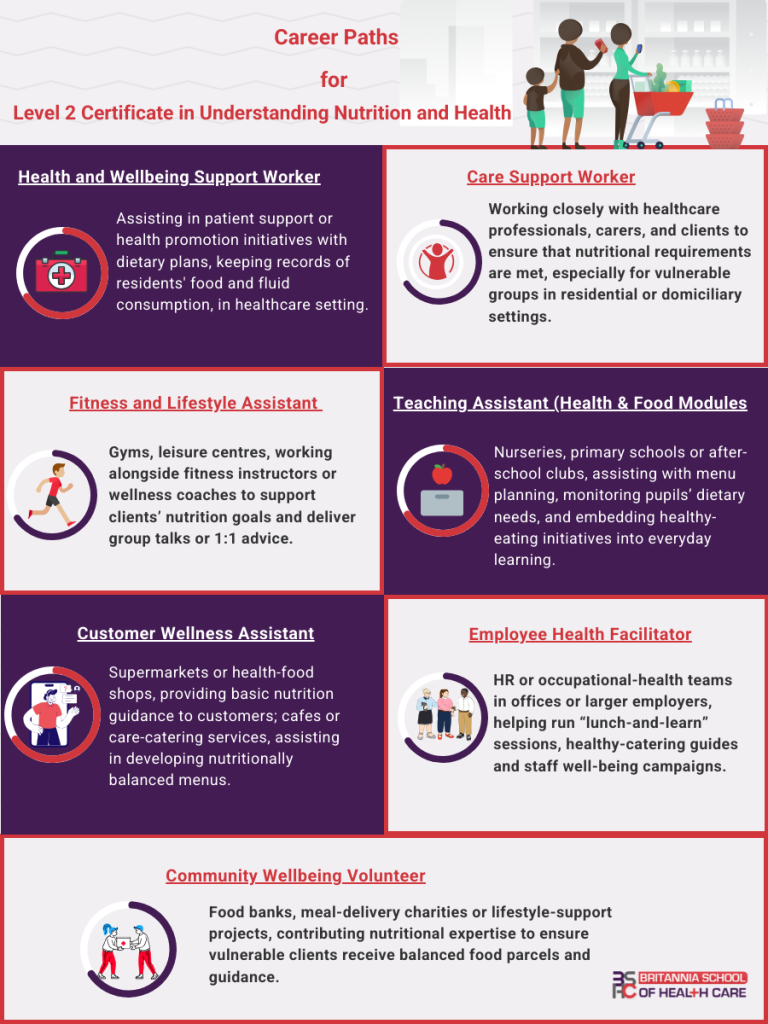
Embarking on a career in nutrition opens up a world of possibilities. With a certificate in Understanding Nutrition and Health, you can shape the future of health and wellness. Whether you’re passionate about helping others or keen on influencing food policies, nutrition offers diverse paths to make a meaningful impact.

Job Roles And Responsibilities

A nutrition certificate can lead to various roles. You might become a nutritionist, offering personalized dietary advice to clients. Alternatively, you could work as a health educator, teaching communities about healthy eating habits. You may even find yourself developing nutrition programs for schools or hospitals. Each role demands a unique set of skills, from communication and empathy to analytical thinking and problem-solving.

Work Environments

Nutrition professionals work in diverse settings. Imagine yourself in a bustling hospital, collaborating with doctors to create patient meal plans. Or picture working in a community center, conducting workshops on nutrition basics. You might also join a corporate wellness team, advising employees on healthier lifestyles. The possibilities are endless, allowing you to choose an environment that matches your interests and strengths.

Salary Expectations

Salary in nutrition varies based on location, experience, and specific role. Entry-level positions, such as assistant nutritionists, may start lower but offer growth opportunities. As you gain experience, positions like senior nutritionists or dietitians can offer higher pay. According to industry sources, nutritionists can earn anywhere from $40,000 to $80,000 annually. Consider how your skills and passion can guide you toward a rewarding financial future.

Are you ready to take the leap into a nutrition career? As you ponder the next steps, think about what excites you most in the field. Whether it’s working directly with clients or shaping public health initiatives, your journey in nutrition can be both fulfilling and impactful.

Continued Education And Growth

Continuing education is vital in the fast-evolving field of nutrition and health. Professionals must stay updated with new research and trends. Growth in knowledge enhances your expertise and credibility. Investing in further learning opens doors to new opportunities. Engaging in advanced certifications, workshops, and networking expands your skill set. Let’s explore how these avenues contribute to your professional journey.

Advanced Certifications

Advanced certifications deepen your understanding of nutrition science. They provide specialized knowledge in areas like clinical nutrition or sports nutrition. Certified professionals are often preferred in the job market. Earning advanced credentials showcases dedication and expertise. Many institutions offer online courses for flexibility. This allows you to learn at your own pace.

Workshops And Seminars

Workshops and seminars offer hands-on learning experiences. They bring experts together to share practical insights. Attendees gain knowledge from real-world case studies and discussions. These events often focus on current topics and innovations. Participating in seminars keeps you informed about new discoveries. This exposure helps you apply fresh ideas in your practice.

Networking In The Nutrition Field

Networking connects you with peers and mentors in nutrition. Building relationships opens avenues for collaboration and learning. Engaging with others can lead to valuable career opportunities. Networking events include conferences, online forums, and local meetups. These platforms allow exchange of ideas and experiences. Staying active in professional circles enhances your reputation. It also keeps you updated on industry trends.

How to Become a Certificate in Understanding Nutrition: Guide

Frequently Asked Questions

What Is A Certificate In Understanding Nutrition?

A Certificate in Understanding Nutrition is a qualification that educates individuals about essential nutritional concepts. It typically covers topics like dietary requirements, healthy eating, and the role of nutrients in health. This certification is beneficial for those interested in pursuing a career in nutrition or enhancing their personal health knowledge.

How Can I Enroll In A Nutrition Certificate Program?

To enroll in a nutrition certificate program, first research accredited institutions offering the course. Check their eligibility criteria and application deadlines. Most programs require a high school diploma or equivalent. Enrollment can often be completed online. Reach out to the institution’s admissions office for specific guidance and support.

What Are The Benefits Of Studying Nutrition?

Studying nutrition offers numerous benefits, including improved personal health and dietary knowledge. It equips you with skills to make informed food choices. Additionally, it opens up career opportunities in health and wellness sectors. Understanding nutrition also empowers you to educate others about maintaining a balanced diet.

How Long Does It Take To Complete?

The duration of a nutrition certificate program varies by institution. Typically, it can take between three to six months. Some programs offer flexible schedules to accommodate working professionals. Always check the specific course details to understand the time commitment required for completion.

Conclusion

Embarking on a journey in nutrition and health is rewarding. Learning boosts your knowledge and confidence. The certificate opens doors to new opportunities. It helps you make informed choices about health. This path enhances your understanding of food’s impact on life.

Stay committed and practice regularly. Small steps lead to big changes. Connect with others in the field for support. Keep exploring and expanding your skills. Your future in nutrition and health looks promising. Embrace the journey and enjoy the learning.

Professional Development

How to Become a Medication Administration Course Expert

Are you considering a career where you can make a real difference in people’s lives? Becoming skilled in medication administration could be your gateway to a fulfilling role in healthcare.

This essential skill ensures patients receive their medications safely and correctly, making you an invaluable part of any medical team. But how do you start on this path? You’ll discover everything you need to know about enrolling in a medication administration course.

From understanding the basic requirements to uncovering the secrets of the best training programs, we have you covered. Ready to take the first step towards a rewarding career? Let’s dive in and explore how you can become a proficient medication administrator.

Medication Administration Basics

Embarking on a journey to master medication administration is both an exciting and crucial step in your healthcare career. Understanding the basics of medication administration is essential, not only for your professional growth but also for the safety and well-being of those in your care. This foundational knowledge sets the stage for more advanced skills and allows you to provide effective and safe patient care.

Essential Skills And Knowledge

To excel in medication administration, you need to develop a specific set of skills and knowledge. First, familiarize yourself with different types of medications and their effects on the body. This understanding helps you anticipate and manage potential side effects.

Next, accurate dosage calculation is critical. Miscalculations can lead to severe consequences, so practice regularly to sharpen your skills. You should also learn to read and interpret prescriptions accurately, ensuring you administer the right medication to the right patient.

Finally, developing strong communication skills is vital. You must be able to explain medication instructions to patients clearly, ensuring they understand how and when to take their medications. Can you imagine the impact of a simple miscommunication on a patient’s health?

Common Challenges

Even with a solid foundation, you may encounter challenges in medication administration. One common issue is dealing with patient non-compliance. Patients sometimes forget or refuse to take their medications, which can be frustrating and harmful to their health.

Another challenge is staying up to date with the ever-evolving pharmaceutical landscape. New medications and guidelines are introduced regularly, and keeping abreast of these changes is essential to provide the best care. How do you stay informed about the latest developments in your field?

Finally, managing time effectively can be difficult, especially in busy healthcare settings. You need to administer medications timely while juggling other responsibilities. Developing a systematic approach and prioritizing tasks can help you navigate this challenge.

Reflecting on these challenges, consider how you can turn them into opportunities for growth and improvement. What strategies can you implement to overcome these hurdles and enhance your practice?

Educational Pathways

Explore the steps to enroll in a Medication Administration Course. Understand the prerequisites and application process. Gain skills to safely manage and administer medications.

Embarking on the journey to become skilled in medication administration is both a noble and rewarding pursuit. Understanding the educational pathways that lead to this expertise is crucial. Whether you’re considering certifications, degrees, or the mode of learning, each step shapes your proficiency and confidence in administering medication safely.

Certifications And Degrees

Choosing the right certification or degree can be pivotal in your career. Certifications like the Certified Medication Aide (CMA) or Certified Medication Technician (CMT) are popular choices for many. These programs often take a few months and provide focused training on essential medication administration skills. Degrees in nursing or healthcare offer a broader scope and deeper knowledge. An associate’s or bachelor’s degree in nursing not only covers medication administration but also provides a comprehensive understanding of patient care. If you’re passionate about a long-term healthcare career, investing time in a degree might be the right path for you.

Online Vs. Traditional Learning

Deciding between online and traditional classroom settings can significantly impact your learning experience. Online courses offer flexibility, allowing you to learn at your own pace and schedule. This is ideal if you’re balancing work or family commitments. Traditional classroom settings provide direct interaction with instructors and peers. This can be beneficial if you thrive on real-time feedback and hands-on practice. Consider what environment helps you learn best and aligns with your lifestyle. Think about how you learn most effectively. Do you value face-to-face discussions, or do you prefer the convenience of logging in from anywhere? Your answer can guide you to the best educational pathway for your needs. Incorporating these educational elements into your plan will pave the way for a successful career in medication administration. Remember, the choice is yours, and each path offers unique benefits to help you achieve your goals.

Gaining Practical Experience

Gaining practical experience is a crucial step in your journey to becoming proficient in medication administration. Hands-on learning bridges the gap between theory and real-world application. It builds your confidence and competence in dealing with medications safely and effectively.

Internship Opportunities

Internships offer invaluable experience in the healthcare field. They allow you to apply what you’ve learned in a controlled environment. You’ll work alongside seasoned professionals, observing and participating in the medication administration process.

Consider reaching out to local hospitals or clinics to inquire about internship programs. Many facilities offer structured programs designed to enhance your skills. You might find yourself in a bustling hospital ward or a quiet clinic, each providing unique learning experiences.

During my internship at a community health center, I learned the importance of attention to detail. Missing a small instruction on a prescription could lead to significant consequences. This experience taught me the value of double-checking every step in the medication process.

Shadowing Professionals

Shadowing is another excellent way to gain practical experience. It allows you to observe professionals in action without the pressure of performing tasks yourself. You can learn techniques and best practices by watching experts handle medication administration.

Approach experienced nurses or pharmacists and express your interest in shadowing them. Many professionals are open to mentoring eager learners. This can be a golden opportunity to witness their daily routines and ask questions about tricky situations they encounter.

While shadowing a veteran nurse, I noticed her interactions with patients were as vital as the medication itself. She emphasized communication to ensure patients understood their treatment. This experience highlighted the importance of patient education in medication administration.

Are you ready to step out of the classroom and into the real world? Gaining practical experience through internships and shadowing professionals can be your gateway to mastering medication administration. How will you take advantage of these opportunities to enhance your skills?

Networking In The Field

Learning how to become a medication administration instructor involves networking with seasoned professionals in the field. Building connections with experts can provide valuable insights and guidance, helping you gain practical knowledge and skills essential for effective teaching.

Networking in the field of medication administration can open many doors. It is a crucial step in advancing your career. Building connections with other professionals helps you gain valuable insights. It also allows you to stay updated with industry trends. Networking is more than just exchanging business cards. It’s about forming meaningful relationships. These relationships can guide and support your career growth. Let’s explore two important aspects of networking.

Building Professional Relationships

Building professional relationships starts with genuine communication. Attend workshops and seminars in your field. Engage actively with speakers and participants. Share your experiences and listen to theirs. This fosters mutual respect and understanding. Follow up after events with a simple email or message. Express gratitude and interest in further discussions. Social media platforms like LinkedIn can also be useful. Connect and engage with professionals regularly. Comment on their posts and share relevant content. This keeps you on their radar and strengthens your relationship.

Joining Industry Associations

Joining industry associations can be highly beneficial. These groups offer access to a wealth of resources. They often host events, webinars, and workshops. Attend these to expand your knowledge and meet peers. Association memberships provide credibility and visibility. They signal commitment to your profession. Associations often have forums for discussion and collaboration. Participate actively to share and learn from others. You can also volunteer for committees or projects. This increases your involvement and builds leadership skills. Associations can be a gateway to new opportunities. They connect you with people who shape the industry.

Staying Updated

Staying informed is key to becoming a medication administration course. Explore updated resources and guidelines regularly. Join workshops, webinars, or online forums to enhance your knowledge and skills.

Staying current in the ever-evolving world of medication administration is crucial for anyone looking to excel in this field. Not only does it enhance your professional skills, but it also ensures the safety and well-being of those under your care. By prioritizing continual learning and adapting to new trends, you can stay ahead of the curve and provide the best possible care. Let’s dive into how you can stay updated effectively.

Continuing Education

Continuing education is key to staying updated in medication administration. Consider enrolling in workshops or online courses that focus on the latest practices and innovations in the field. These learning opportunities often provide certifications, which can boost your credibility and open doors to new job prospects. Participate in webinars and conferences where experts share their insights. These events not only broaden your knowledge but also provide networking opportunities with peers and leaders in the industry. You never know when a chance meeting might lead to a new career opportunity or an enlightening perspective. Ask yourself: How can you integrate what you’ve learned into your daily practice? Apply new techniques and knowledge consistently. This proactive approach ensures that you’re not just learning but also evolving with the industry.

Following Industry Trends

Keeping up with industry trends is just as important as formal education. Subscribe to reputable medical journals and newsletters to receive the latest news and research. Staying informed helps you anticipate changes and adapt your practice accordingly. Social media platforms and online forums can also be valuable resources. Join groups where professionals discuss recent developments and share experiences. These discussions can provide real-world insights that are not always covered in textbooks or courses. Think about the last time you learned something unexpected from a colleague or an article. How did that change your approach? By continuously engaging with the community and current trends, you ensure that your knowledge remains fresh and relevant.

Developing Teaching Skills

Developing teaching skills is crucial for anyone aspiring to lead a medication administration course. Effective teaching ensures that students grasp complex concepts. It fosters an environment where learning is engaging and memorable. This section explores key aspects of teaching skills.

Effective Communication

Clear communication is the cornerstone of successful teaching. Speak simply and avoid jargon. Use examples to explain complex ideas. Encourage questions and provide clear answers. Listen actively to student concerns. Adapt your communication style to fit diverse learners.

Creating Engaging Course Material

Engaging course material keeps students interested. Use visuals to illustrate concepts. Incorporate interactive elements like quizzes and discussions. Make sure content is relevant and up-to-date. Organize information in a logical order. Provide summaries to reinforce learning.

Evaluating Your Expertise

Becoming a medication administration instructor involves assessing your skills and knowledge. Focus on understanding medical protocols and effective teaching methods. Ensure you have a thorough grasp of regulations and patient safety guidelines.

Evaluating your expertise is a crucial step in becoming proficient in medication administration. It helps you understand your strengths and identify areas for improvement. By honestly assessing your skills, you can target your learning efforts more effectively and ensure patient safety.

Self-assessment Techniques

Reflect on your experiences. Have you consistently followed safety protocols, or do you sometimes take shortcuts? Create a checklist of essential skills and knowledge areas. Rate yourself on each to see where you stand. Consider keeping a journal of your daily tasks. Note any challenges you encounter and how you address them. This can reveal patterns in your practice that need attention.

Seeking Feedback From Peers

Ask colleagues for their honest opinions about your medication administration skills. What do they think you excel at, and where do they see room for growth? Join a study group or professional network. Engaging with others in your field can provide fresh perspectives and new techniques. Attend workshops and peer-led training sessions. These are excellent opportunities to gather feedback in a supportive environment. Evaluating your expertise isn’t just about finding faults. It’s about recognizing your potential and taking actionable steps to become the best you can be. How will you use what you learn to improve your practice?

How to Become a Medication Administration Course Expert

Frequently Asked Questions

What Is A Medication Administration Course?

A medication administration course teaches safe and effective drug delivery. Students learn dosage calculations, drug interactions, and patient safety. This training is essential for healthcare professionals. It ensures they provide accurate medication management. Completing the course can enhance job prospects in medical fields.

Who Can Take A Medication Administration Course?

Anyone interested in healthcare can take this course. It’s ideal for nurses, caregivers, and medical assistants. Some courses may require a high school diploma. Check the specific requirements of the institution offering the course.

How Long Does The Course Typically Last?

The duration varies by program and institution. Most courses last between a few weeks to a few months. Some may offer accelerated options. It’s important to check the course outline for specific time commitments.

What Skills Are Gained From This Course?

Students learn crucial skills like dosage calculations, drug administration techniques, and patient monitoring. They also gain knowledge of drug interactions and side effects. These skills are essential for ensuring patient safety and effective care.

Conclusion

Becoming a medication administration expert takes time and dedication. Start by choosing the right course for your needs. Focus on learning each step carefully. Practice consistently to build confidence and skill. Stay updated on new practices and regulations. Remember, patience and perseverance are key.

Reach out to instructors or peers if you need help. With effort, you can succeed in this vital field. Enjoy the journey of learning and growing. Your hard work will pay off in a rewarding career. Keep pushing forward and believe in your ability to succeed.

Health and Safety

How to Become a Fire Safety Level 2: Step-by-Step Guide

Do you ever wonder what it takes to ensure safety in the face of fire hazards? Becoming a Fire Safety Level 2 professional might just be the empowering step you need.

Imagine being the person everyone relies on to keep environments safe, preventing potential disasters before they even begin. Not only does this role equip you with life-saving skills, but it also opens doors to a rewarding career in fire safety.

In this guide, you’ll discover everything you need to know about becoming a Fire Safety Level 2 expert. Get ready to unlock a world where your skills can make a real difference. Keep reading to find out how you can take the next step toward this vital and impactful career.

How to Become a Fire Safety Level 2: Step-by-Step Guide

Importance Of Fire Safety Training

Fire safety training is essential for every workplace and public area. It equips individuals with skills to respond effectively to fire emergencies. Proper training can prevent injuries and save lives. Understanding fire risks and safety protocols is crucial. It empowers employees to act swiftly and safely.

Fire safety training also reduces property damage. With the right knowledge, staff can limit fire spread. This minimizes losses and ensures quicker recovery. Training promotes a culture of safety and awareness. It builds confidence in handling emergencies calmly.

Understanding Fire Hazards

Recognizing fire hazards is the first step in fire safety. It involves identifying potential sources of fire. This includes flammable materials and faulty electrical equipment. Awareness helps in taking preventive measures. Regular checks and maintenance can prevent accidents.

Effective Use Of Fire Extinguishers

Using a fire extinguisher effectively requires training. Not all fires are the same. Different types of extinguishers address different fires. Knowing which one to use is vital. Quick and correct use can control a fire before it spreads.

Evacuation Procedures

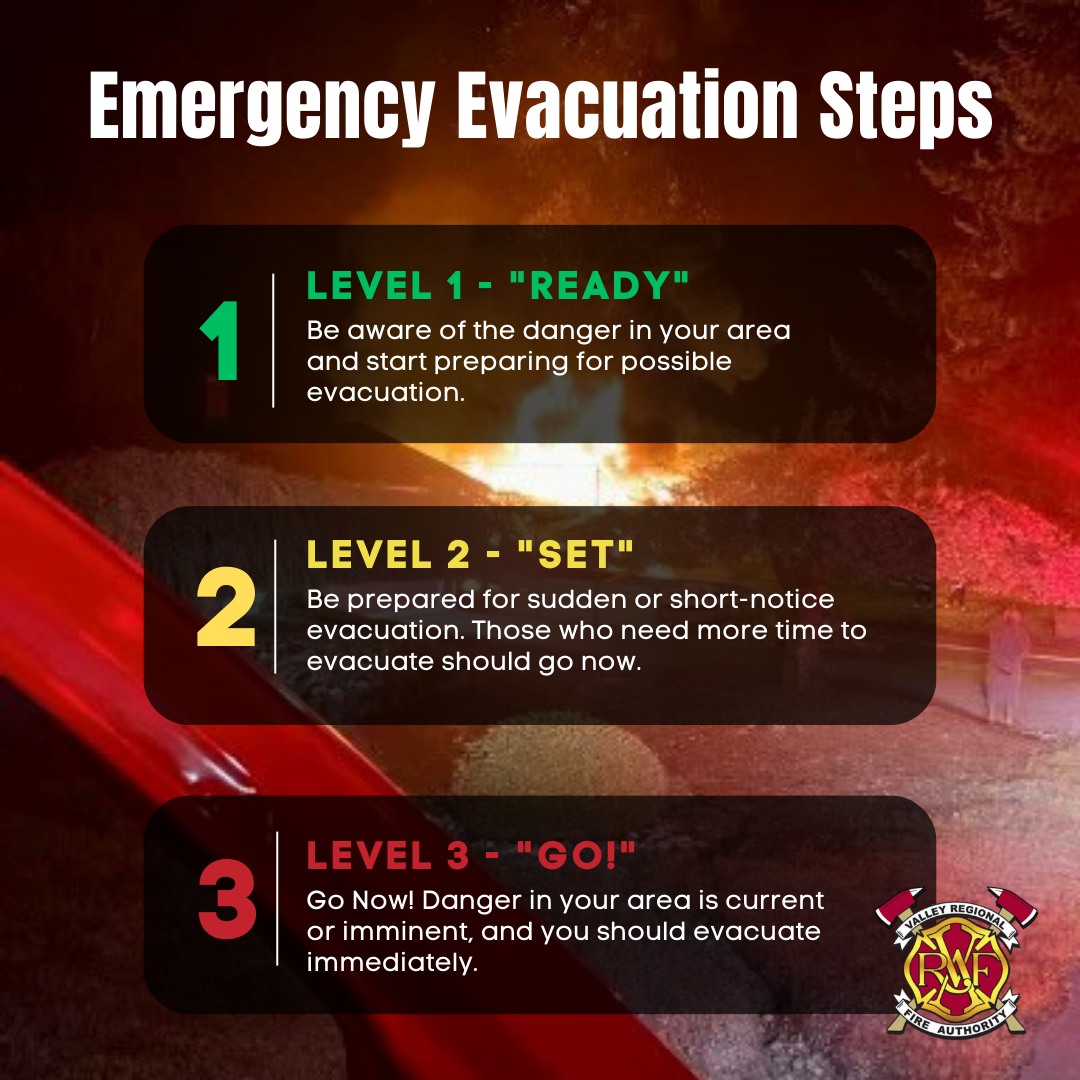
Evacuation procedures are critical during a fire. Training ensures everyone knows the nearest exits. It teaches how to leave safely and orderly. Panic can lead to chaos. Trained individuals can guide others to safety.

Regular Drills And Practice

Regular drills reinforce fire safety training. They prepare employees for real emergencies. Practice makes response second nature. Drills highlight any weaknesses in current plans. They offer opportunities to improve.

Benefits Of Level 2 Certification

Fire Safety Level 2 certification offers many advantages. It enhances your knowledge and skills in fire safety. This certification demonstrates your commitment to safety and professional growth. Understanding these benefits can help you decide if this certification is right for you.

Professional Growth

Achieving Level 2 Certification can boost your career. It provides advanced skills that employers value. You become more competent in handling fire safety tasks. This competence can lead to better job opportunities and promotions.

Enhanced Safety Knowledge

Level 2 Certification expands your safety knowledge. You learn about fire risk assessments and emergency procedures. This knowledge helps in preventing fire incidents. You can effectively manage fire safety in various environments.

Increased Confidence

With Level 2 Certification, your confidence grows. You gain assurance in your ability to handle safety equipment and protocols. This confidence is vital in emergencies. It ensures you act quickly and efficiently.

Compliance With Regulations

Fire Safety Level 2 ensures you meet legal standards. You learn about fire safety laws and regulations. This helps in maintaining compliance with safety requirements. Compliance reduces risks and potential legal issues.

Better Communication Skills

The certification improves your communication skills. You learn to explain fire safety measures clearly. This skill is important when training others or conducting safety drills. Good communication ensures everyone understands safety protocols.

Eligibility Criteria

Embarking on a journey to become a Fire Safety Level 2 professional is an exciting opportunity to enhance your skills and contribute to safer environments. However, understanding the eligibility criteria is crucial. It ensures you meet all the prerequisites before diving into the training.

Prerequisites For Enrollment

Before you can enroll, certain prerequisites need to be met. You must have completed Fire Safety Level 1 training successfully. This foundational knowledge is essential because it introduces you to basic fire safety protocols and practices.

Age is another factor. Most programs require you to be at least 18 years old. This age requirement is in place to ensure maturity and responsibility in handling fire safety tasks.

Educational Background

Your educational background can play a significant role. While a high school diploma is generally needed, having additional certifications can bolster your application. Schools and training centers often prefer candidates with a background in safety or emergency management.

Imagine the advantage of having prior experience in safety management. It not only boosts your confidence but also makes you a compelling candidate for Level 2 training.

Physical Fitness Requirements

Physical fitness is paramount. Fire safety roles often require agility and strength. Training centers may conduct assessments to ensure candidates can handle the physical demands.

Ask yourself: are you ready to tackle challenging environments? A commitment to maintaining fitness is necessary, as it directly impacts your performance in emergencies.

Personal Qualities And Skills

Your personal qualities can also influence your eligibility. Traits like attention to detail, quick decision-making, and effective communication are valuable. These skills help you react swiftly and accurately during fire emergencies.

Consider your interpersonal skills. Engaging with team members and coordinating efforts is crucial in fire safety roles.

Understanding these eligibility criteria gives you a clearer path to achieving your Fire Safety Level 2 certification. Each requirement serves a purpose, ensuring you are well-equipped to handle the responsibilities that come with this advanced level of training.

Choosing The Right Training Provider

Choosing the right training provider is crucial for becoming proficient in Fire Safety Level 2. Seek providers with experienced instructors and comprehensive course content. Ensure they offer practical training sessions for hands-on experience.

Choosing the right training provider for Fire Safety Level 2 is crucial. It ensures you receive quality education and certification. Not all training providers offer the same standards. Selecting wisely guarantees you learn valuable skills. Below are some key factors to consider when choosing your provider.

Accreditation And Recognition

Ensure the training provider is accredited. Accreditation means the course meets industry standards. Recognized programs enhance your career prospects. Employers prefer accredited certifications. Check if the provider is acknowledged by relevant authorities. This adds credibility to your qualification.

Course Content And Duration

Examine the course content carefully. It should cover essential fire safety topics. Important areas include risk assessment and emergency procedures. Duration matters too. The course should be comprehensive yet time-efficient. Look for a balanced approach. Both practical and theoretical knowledge are crucial.

Training Methodologies

Training methodologies affect learning outcomes. Interactive sessions enhance understanding. Practical exercises are beneficial. They prepare you for real-world scenarios. The provider should use varied teaching methods. This includes lectures, workshops, and hands-on training. Diverse methodologies cater to different learning styles.

Enrollment Process

Start your journey to become a Fire Safety Level 2 by completing the online application form. Submit necessary documents, including identification and prior certifications. After approval, enroll in the training course and schedule your exam.

The enrollment process for becoming a Fire Safety Level 2 professional is straightforward. Follow these steps to kickstart your career in fire safety. Knowing what you need simplifies the journey.

Documentation Required

Gathering the right documents is crucial. You’ll need a valid ID. A high school diploma or equivalent is necessary. Proof of residency might be required. Check with the institution for any additional documents. Keeping these ready speeds up your process.

Registration Steps

Start by selecting an accredited training provider. Visit their website for course details. Fill out the online application form. Provide all necessary personal information. Submit your documentation. Await confirmation from the provider. They will guide you on the next steps.

Fee Structure

Understanding the fee structure helps plan your budget. Fees vary by institution. Some offer flexible payment options. Check if there are additional costs. These might include study materials. Explore any available discounts or scholarships.

Course Curriculum Overview

Embarking on a journey to become Fire Safety Level 2 certified is a crucial step towards mastering fire prevention and protection. The course curriculum is designed to equip you with essential skills and knowledge. You will learn how to identify risks, handle emergencies, and implement safety principles. This curriculum ensures you are well-prepared for real-world fire safety challenges.

Basic Fire Safety Principles

Understanding basic fire safety principles is like laying the foundation of a building. It involves learning about fire behavior, causes, and prevention strategies. You will explore how fires start and spread, arming yourself with the knowledge to prevent them. Consider how knowing the common causes of workplace fires can help you create a safer environment.

Risk Assessment Techniques

Risk assessment techniques are vital to identify potential hazards. This part of the curriculum will teach you to evaluate spaces and situations. You’ll learn to pinpoint areas that may pose a fire risk, such as overloaded electrical outlets. Imagine conducting a thorough inspection and feeling confident about mitigating risks before they become a threat.

Emergency Response Procedures

Emergency response procedures ensure you react effectively during a fire. The course outlines steps to take when an alarm sounds, including evacuation routes and meeting points. You’ll gain insights into coordinating with emergency services. Have you ever considered how a well-practiced drill can save lives by ensuring everyone knows their role in an emergency?

The curriculum is not just about learning; it’s about applying knowledge to make a difference. Each section provides actionable insights, empowering you to create safer spaces. Are you ready to take on the challenge and enhance your fire safety skills?

Practical Training Sessions

Join practical training sessions to learn essential skills for Fire Safety Level 2. Gain hands-on experience in hazard identification and emergency response techniques. Enhance your safety knowledge with expert guidance and interactive exercises.

Practical training sessions are crucial for anyone aspiring to achieve Fire Safety Level 2 certification. These sessions move beyond theory, immersing you in real-world scenarios and equipping you with the skills needed to handle fire emergencies effectively. Through hands-on experience, you gain confidence and competence, preparing you for any fire safety challenge.

Hands-on Firefighting Skills

Engaging in hands-on firefighting skills is an essential part of your training. You’ll learn how to handle fire hoses, operate extinguishers, and control small fires safely. Imagine the satisfaction of mastering these skills, knowing you can act quickly and efficiently when every second counts. Your instructors will guide you through each step, ensuring you understand the techniques. Mistakes are part of the learning process, so embrace them. By the end of the session, you’ll feel equipped to tackle fire situations with confidence.

Use Of Fire Safety Equipment

Understanding and using fire safety equipment is vital. You’ll learn about different types of extinguishers, smoke detectors, and fire blankets. Each piece of equipment has its purpose, and knowing when and how to use them can save lives. During training, you’ll handle this equipment firsthand. Feel the weight of an extinguisher and practice aiming it correctly. This experience will help you react instinctively in an emergency, using the right tool for the job.

Simulated Emergency Scenarios

Simulated emergency scenarios put your skills to the test. These exercises mimic real-life fire situations, challenging you to apply what you’ve learned under pressure. Imagine the adrenaline rush as you navigate a smoke-filled room, searching for the safest exit. These simulations teach you to think quickly and adapt to changing conditions. They also highlight the importance of teamwork, as you’ll often work alongside others to resolve the scenario. Ask yourself: Are you ready to make crucial decisions when it matters most? Each training component builds on the last, preparing you for a career in fire safety. Are you ready to take the leap and enhance your skills?

Assessment And Evaluation

Becoming a certified Fire Safety Level 2 professional requires thorough assessment and evaluation. This process ensures that you have the necessary knowledge and skills to handle fire safety responsibilities effectively. Understanding what these assessments entail can prepare you for success in this field.

Types Of Assessments

The Fire Safety Level 2 certification includes various assessment types. These assessments test your knowledge and practical skills. Written exams are common. They assess your understanding of fire safety principles. Practical tests might involve real-life scenarios. You demonstrate your ability to apply what you’ve learned. This holistic approach ensures you are well-rounded in fire safety.

Passing Criteria

Each assessment has specific passing criteria. You must achieve a certain score to pass. Written exams often require a minimum percentage. Practical tests might have specific performance benchmarks. Understanding these criteria is crucial. It allows you to focus your preparation effectively. Consistent study and practice are key to meeting these standards.

Certification And Validity


Becoming certified in Fire Safety Level 2 opens many doors. Understanding certification and its validity is crucial. This ensures you remain compliant and knowledgeable. Certification confirms your skills and dedication to safety.

Receiving The Certificate

Completing Fire Safety Level 2 courses is the first step. After finishing, a certificate is awarded. This certificate proves your expertise in fire safety practices. It demonstrates your commitment to safety standards. Ensure you have met all course requirements. This includes attending classes and passing exams.

Renewal And Continuing Education

Certificates have an expiration date. Renewal keeps your knowledge current. It’s important to stay updated on new safety protocols. Continuing education is often required for renewal. It involves taking additional courses or workshops. This ensures you know the latest fire safety techniques.

Career Opportunities


Becoming a Fire Safety Level 2 expert opens many doors. It’s a vital skill that is needed everywhere. From businesses to schools, safety is always a priority. Having this certification puts you in demand. Let’s explore the career paths available.

Roles And Responsibilities

Fire Safety Level 2 professionals have key roles. They assess risks and plan safety measures. They train staff on fire procedures. Regular safety checks are a big part of their job. They ensure compliance with laws. Reporting and documenting safety issues is crucial.

They work with teams to improve safety standards. Keeping everyone safe is their main goal. They offer advice and solutions. They help create emergency plans. Their work saves lives and property.

Industry Demand

Fire safety experts are needed in many industries. Factories and offices need them. Schools and hospitals depend on them. Government buildings require their expertise. Their skills are essential in construction projects. Demand is growing as regulations tighten.

Companies value safety and invest in it. Hiring skilled professionals is a priority. There is a steady demand for trained individuals. Opportunities are diverse and rewarding. Fire safety is a respected field with growth potential.

Tips For Success

Embarking on a journey to become Fire Safety Level 2 certified is rewarding. It requires dedication and focus. Success in this field hinges on understanding key areas. Study and preparation, along with practical experience, are crucial. These tips will guide you towards achieving your certification goals.

Study And Preparation

Begin with a structured study plan. Break down the material into manageable sections. Focus on understanding fire safety protocols. Use flashcards to memorize key points. Join study groups for collaborative learning. Discuss challenging topics with peers. Regularly review and test your knowledge. Utilize online resources and practice tests. They provide real-world scenarios and questions. Stay updated with current fire safety regulations. This ensures your knowledge is relevant and accurate.

Practical Experience

Hands-on experience solidifies theoretical knowledge. Volunteer with local fire departments. Observe how professionals handle fire safety. Participate in fire drills and safety workshops. They offer valuable insights into real-world applications. Seek mentorship from experienced firefighters. Their advice and guidance are invaluable. Apply theoretical concepts in practical settings. This enhances your understanding and skills. Gain experience through internships or training programs. They provide exposure to diverse fire safety scenarios. Regular practice builds confidence and competence.

Frequently Asked Questions

What Is Fire Safety Level 2 Certification?

Fire Safety Level 2 certification provides advanced training in fire safety practices. It covers risk assessment, prevention, and emergency procedures. This certification is crucial for those seeking in-depth knowledge and skills. It is ideal for workplace safety officers and anyone responsible for fire safety management.

How Long Does Fire Safety Level 2 Training Take?

The duration of Fire Safety Level 2 training varies. Typically, it takes between one to two days. The course may include both theoretical and practical sessions. Some training providers offer flexible schedules to accommodate learners’ needs.

Who Should Pursue Fire Safety Level 2 Training?

Fire Safety Level 2 training is recommended for safety officers, managers, and supervisors. It’s essential for anyone responsible for workplace safety. This training equips individuals with the skills to effectively manage fire risks. It enhances their ability to implement fire safety measures.

What Topics Are Covered In Fire Safety Level 2?

Fire Safety Level 2 covers fire risk assessment and prevention strategies. It includes emergency procedures and fire safety regulations. Participants learn about fire extinguisher types and their uses. The course also includes training on evacuation procedures and safety equipment maintenance.

Conclusion

Becoming a Fire Safety Level 2 professional is achievable. Start with proper training. Practice your skills regularly. Stay updated on fire safety guidelines. Join workshops and courses to enhance knowledge. Work with experienced professionals for real-world insights. This journey requires dedication and hard work.

But the rewards are worth it. You’ll help save lives and protect property. Keep learning and growing in your role. Your community will appreciate your efforts. Fire safety is crucial for everyone’s well-being. So, take the steps needed. Become a reliable fire safety expert.

Your actions can make a big difference.

Professional Development

How to Become an Art Therapist: Step-by-Step Guide

Are you passionate about art and eager to help others heal and grow? Imagine combining your love for creativity with a fulfilling career that makes a difference in people’s lives.

Art therapy offers a unique and rewarding path where you can use the power of art to support emotional and psychological well-being. This guide will show you how to become an art therapist, exploring the steps, skills, and qualifications needed to turn your passion into a profession.

As you read on, you’ll discover how this career can transform not only the lives of those you help but also your own. Dive in, and let’s explore the colorful world of art therapy together.

What Is Art Therapy?

Art therapy uses creative processes for healing and self-expression. To become an art therapist, study psychology and art. Gain certification through accredited programs.

Art therapy is a unique form of therapy that uses the creative process of making art to improve mental, emotional, and physical well-being. It allows individuals to express themselves in ways they might not be able to with words alone. Whether you’re an aspiring art therapist or someone curious about this field, understanding what art therapy is can be the first step toward a rewarding journey.

Understanding Art Therapy

Art therapy combines the creative process and psychotherapy to enhance a person’s mental health. It involves using art materials such as paints, clay, and markers to create artwork as a form of expression and communication. This therapeutic approach can help individuals explore their emotions, develop self-awareness, and manage stress. Art therapy offers numerous benefits. It can be a powerful way to process traumatic experiences, reduce anxiety, and increase self-esteem. This form of therapy is not just for those with artistic skills; the focus is on the process, not the final product.

Who Can Benefit From Art Therapy?

Anyone, regardless of age or background, can benefit from art therapy. It’s particularly effective for those who find verbal communication challenging. Children, in particular, often find it easier to express themselves through art. Have you ever felt that words just aren’t enough to convey what you’re feeling? Art therapy might be the outlet you need.

Real-life Example

Consider a teenager struggling with anxiety who finds it hard to talk about their emotions. Through art therapy, they might create a painting that expresses their internal turmoil, allowing them to discuss their feelings with a therapist. This process not only provides relief but also empowers them to take control of their mental health.

How Art Therapy Differs From Traditional Therapy

Unlike traditional talk therapy, art therapy does not rely solely on verbal communication. It provides a safe space to explore thoughts and emotions creatively. This can be particularly beneficial for those who might feel intimidated by the more conventional therapy settings.

What To Expect In An Art Therapy Session

In an art therapy session, you might be asked to create a piece of art based on your feelings or experiences. The therapist will then guide you in discussing your artwork and the emotions it evokes. This process can lead to insights that might not have emerged through words alone. Art therapy is a dynamic field that offers a unique way to heal and grow. Have you considered how creativity can play a role in your mental health journey?

How to Become an Art Therapist: Step-by-Step Guide

Benefits Of Art Therapy

Discover the path to becoming an art therapist and explore the benefits of art therapy. Art therapy helps express emotions, reduces stress, and improves mental well-being. With creativity, individuals can find healing and personal growth.

Art therapy is more than just painting or drawing; it’s a journey into self-discovery and healing. Many people find solace and relief through art therapy, as it provides a unique way to express emotions that are difficult to put into words. If you’ve ever felt the calming effect of doodling or coloring, you’ve already experienced a small taste of art therapy’s benefits. Let’s delve into how art therapy can positively impact your life.

Improves Emotional Well-being

Art therapy allows you to express feelings in a safe environment. Whether you’re feeling sad, angry, or stressed, creating art helps you to release these emotions. Over time, this process can improve your overall emotional health.

Enhances Self-awareness

When you create art, you often uncover feelings and thoughts you weren’t consciously aware of. This newfound insight can be transformative. It encourages you to reflect on your experiences and understand yourself better.

Boosts Self-esteem

Creating art can give you a sense of accomplishment. When you complete a piece, no matter how small, you gain confidence in your abilities. This confidence can extend into other areas of your life, improving your overall self-esteem.

Facilitates Stress Relief

Art therapy is an excellent way to unwind. When you’re focused on creating, your mind has a chance to rest from worries. The act of creating can be meditative, reducing stress and promoting relaxation.

Encourages Personal Growth

Through art, you explore new perspectives and ideas. You challenge your boundaries and grow as a person. This process of self-exploration can lead to significant personal development.

Fosters Social Connections

Joining a group art therapy session can connect you with others who share similar experiences. Sharing your art and stories creates bonds and a sense of community. This support network can be invaluable during challenging times.

How Can You Start?

Consider enrolling in an art therapy course to learn the basics. Seek a certified art therapist for guidance. Remember, you don’t need to be an artist to benefit; it’s about the process, not the product. Have you tried art as a form of therapy? What was your experience like? Would you be willing to give it a try? Share your thoughts in the comments below!

Educational Requirements

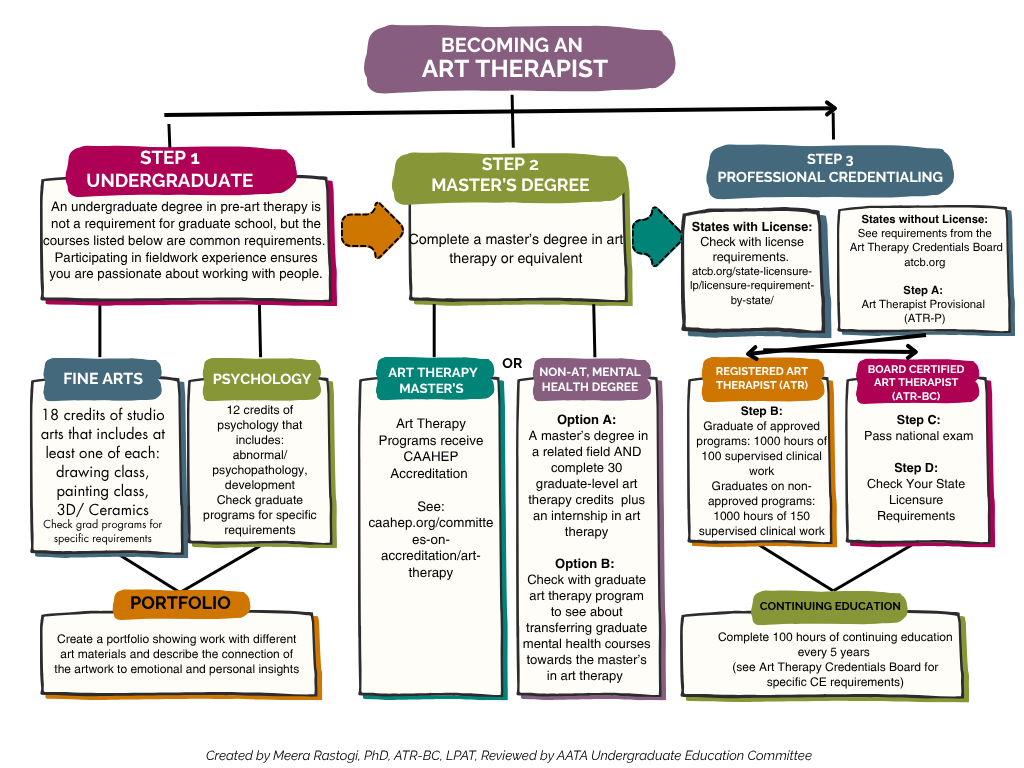
To become an art therapist, earn a bachelor’s degree in psychology or art. A master’s degree in art therapy is also required. Courses often include psychology, counseling, and studio art.

Embarking on a journey to become an art therapist is both exciting and fulfilling. But before you can start helping others through the healing power of art, you need to meet certain educational requirements. Understanding what degrees and courses are needed will set you on the right path. Let’s dive into what you need to know to turn your passion for art and helping others into a rewarding career.

Degrees Needed

To become an art therapist, you typically need a master’s degree in art therapy or a related field. This advanced degree equips you with the necessary skills and knowledge to practice professionally. Some programs might offer a dual-degree option, combining art therapy with mental health counseling or social work. This allows you to broaden your expertise and increase your job prospects. Consider programs accredited by the American Art Therapy Association (AATA), which ensure that you receive quality education aligned with industry standards.

Recommended Courses

Courses in psychology are essential. They provide a foundation in understanding human behavior, which is crucial when working with clients. Art-specific courses, such as painting, sculpture, and drawing, enhance your creative skills and enable you to guide others effectively. Courses in therapy techniques, such as counseling methods and group therapy dynamics, prepare you for real-world scenarios where you apply art as a therapeutic tool. Have you ever thought about how the blend of art and psychology can impact lives? These courses not only prepare you academically but also challenge your perspective on healing and creativity. Whether you’re drawn to the vibrant colors of a canvas or the intricate patterns of human thought, these educational steps are your gateway to making a difference through art therapy.

Certification And Licensing

Embarking on the journey to become an art therapist involves understanding the certification and licensing process. These credentials not only validate your expertise but also empower you to make a difference in the lives of those seeking therapeutic healing through art. Let’s dive into the essentials of certification and licensing, ensuring you’re prepared to take the next steps towards your dream career.

Certification Bodies

Certification bodies are your first stop in acquiring official recognition as an art therapist. These organizations set the standards for professional practice and ensure that therapists are well-equipped to provide effective care.

One prominent body is the Art Therapy Credentials Board (ATCB). They offer the Registered Art Therapist (ATR) credential, which is highly valued in the field.

To earn this certification, you need a combination of education and supervised experience. You might wonder, what if I don’t have a background in art or therapy? You can start from scratch with a master’s degree in art therapy, which includes both art and psychology courses.

Licensing Process

The licensing process varies depending on where you live, but it generally involves meeting state-specific requirements. This might include passing a comprehensive exam and accumulating supervised clinical hours.

Many states require you to hold the ATR credential before you can apply for a license. This ensures you have the foundational skills needed to practice independently.

Imagine completing your supervised hours and feeling ready to take on your first solo client. Licensing is the final step that officially grants you the ability to practice as a certified professional in your state.

Have you considered how acquiring certification and licensing could transform your career path? These steps not only elevate your professional status but also open doors to various opportunities in mental health settings, schools, and private practices.

Approach this journey with curiosity and dedication. Your unique experiences and perspectives will enrich the field of art therapy. What impact do you hope to make in the lives of others through this transformative practice?

Skills And Qualities

Becoming an art therapist involves more than just a love for art. It requires a unique blend of skills and qualities. These abilities help art therapists connect with clients and support their healing journey. Let’s dive into the key skills and qualities essential for a successful career in art therapy.

Creative Skills

Art therapists need strong creative skills. They use various art forms to help clients express themselves. Creativity allows therapists to tailor activities to each client’s needs. This skill also helps in developing new techniques for therapy sessions. A good grasp of different art mediums is beneficial.

Interpersonal Skills

Effective communication is crucial in art therapy. Therapists must listen actively and respond appropriately. Good interpersonal skills help in building trust with clients. This trust is vital for clients to open up and share their feelings. Strong communication also aids in explaining therapeutic processes clearly.

Empathy And Understanding

Empathy is a core quality for art therapists. They must understand clients’ emotions without judgment. Empathy helps in providing a safe space for expression. Understanding different backgrounds and experiences is crucial. This quality fosters a supportive environment for healing and growth.

Gaining Experience

Becoming an art therapist involves more than just academic learning. Real-world experience is crucial. Engaging with diverse communities enhances your skills. It builds confidence. This practical knowledge is gained through internships and volunteer work. These opportunities offer invaluable insights into the field. They prepare you for a rewarding career.

Internships

Internships provide hands-on experience in art therapy. Many institutions offer structured programs. These programs immerse you in real-world settings. You work alongside experienced professionals. This mentorship is invaluable. It helps you understand therapy techniques. You learn to interact with clients effectively. Internships often lead to job offers. They open doors to career advancement. Seek internships in hospitals and mental health centers. These environments offer diverse learning experiences.

Volunteer Opportunities

Volunteering is another way to gain experience. It allows you to practice art therapy skills. Community centers often need volunteers. They offer a chance to work with varied groups. This diversity enriches your learning. Schools also welcome volunteers for art therapy programs. Volunteering builds your professional network. It enhances your resume. It shows commitment to the field. Look for opportunities in local organizations. They often need passionate individuals.

Finding A Job In Art Therapy

Finding a job in art therapy involves creativity and dedication. This field blends psychology and the arts to help individuals express themselves. Art therapists work in schools, hospitals, and private practices. But securing a position can be challenging. Strategic planning and networking are key. Let’s explore effective methods for landing your dream role.

Job Search Tips

Research potential employers thoroughly. Understand their mission and values. Tailor your resume to highlight relevant skills and experiences. Use keywords from job descriptions. This boosts your visibility to employers. Prepare a portfolio showcasing your work. Display your understanding of art therapy techniques. Practice your interview skills. Be ready to discuss case studies or past projects. This demonstrates your ability to apply art therapy effectively.

Networking Strategies

Attend art therapy conferences and workshops. Connect with industry professionals. Join online forums and groups. Participate in discussions to expand your knowledge. Reach out to alumni from your program. They may offer valuable advice or job leads. Volunteer at community centers or art events. This increases your experience and visibility. Build relationships with other therapists. They can provide insights and recommend opportunities.

Continuing Education

Continuing education is a crucial step for anyone looking to become a proficient art therapist. It’s not just about getting your initial certification or degree; it’s about constantly learning and growing within your field. This ongoing education ensures you stay updated with the latest methods and techniques, which ultimately improves your effectiveness as a therapist.

Advanced Training

Advanced training can make a significant difference in your career as an art therapist. This training often includes specialized courses that dive deeper into specific areas of art therapy, such as trauma-informed practices or working with children. These courses not only expand your knowledge but also enhance your ability to cater to diverse client needs.

Imagine being able to help a child express emotions through art after taking a course on pediatric art therapy. Such advanced skills can make you an invaluable resource for your clients. Have you considered which area of art therapy you’d like to specialize in?

Workshops And Seminars

Attending workshops and seminars is another excellent way to continue your education. These events are often packed with valuable information, offering you the chance to learn directly from experts in the field. They also provide a fantastic opportunity for networking, allowing you to connect with fellow art therapists.

I once attended a weekend seminar on mindfulness and art therapy, and it completely transformed my approach. The hands-on activities and collaborative discussions opened my eyes to new techniques I hadn’t considered before. What kind of workshops could enhance your skills and inspire new ideas?

Continuing education isn’t just about gaining new knowledge; it’s about enriching your practice and staying passionate about your work. By investing in advanced training and participating in workshops and seminars, you ensure that your skills are always evolving. This proactive approach not only benefits you but also the clients you serve. What steps will you take to further your education in art therapy?

Challenges In Art Therapy

Art therapy offers healing through creativity. It comes with its own set of challenges. Understanding these challenges can help aspiring therapists navigate their career path.

Emotional Demands

Art therapists often deal with intense emotions. Clients may express deep pain through art. This requires therapists to be emotionally strong. They must handle distressing situations calmly. Seeing clients’ struggles can be overwhelming. Therapists need self-care practices. This helps them stay balanced and effective.

Professional Boundaries

Maintaining boundaries is crucial in art therapy. Therapists must separate personal feelings from professional duties. They must respect clients’ privacy and autonomy. Sometimes, clients may push limits. It’s essential to enforce clear boundaries. This ensures a safe and trusting environment. Protecting professional space avoids burnout.

How to Become an Art Therapist: Step-by-Step Guide

Frequently Asked Questions

What Is Art Therapy?

Art therapy is a mental health profession. It uses creative processes to improve emotional well-being. This therapy helps individuals express themselves non-verbally. Through art, people can explore emotions and reduce stress. Art therapy can be used for personal growth and healing.

How Do I Become An Art Therapist?

To become an art therapist, earn a master’s degree in art therapy. Accredited programs provide necessary training. Gain clinical experience through supervised internships. After graduation, obtain certification or licensure. Requirements vary by region. Continuing education is crucial for career advancement.

What Skills Are Needed For Art Therapy?

Art therapists need strong communication skills. Empathy and patience are essential. Creativity and artistic knowledge are important. Understanding psychological theories and therapeutic techniques is crucial. Being able to work with diverse populations is beneficial.

Can Art Therapy Help With Anxiety?

Yes, art therapy can help reduce anxiety. It provides a safe space to express feelings. Creating art can be calming and meditative. It helps individuals process emotions and develop coping strategies. Art therapy can improve mental health and enhance emotional resilience.

Conclusion

Becoming an art therapist is a rewarding and fulfilling career. It combines creativity and helping others. Start with understanding the field deeply. Pursue relevant education and certifications. These steps are crucial. Practical experience is vital too. It helps build confidence and skills.

Networking with professionals can open doors. Always keep learning and growing. Passion and dedication make a difference. As you progress, remember the impact of your work. Helping others heal through art is powerful. Embrace the journey and enjoy each step.

Your passion for art and helping others will guide you.

Business and Marketing

How to Become a Social Media Marketing Strategy Guru

Are you ready to unlock the secrets of social media marketing success? Imagine having the power to transform your brand’s online presence and captivate your audience with ease.

You’re about to discover how to become a master of social media marketing strategy, and elevate your business to new heights. This isn’t just about posting pretty pictures or catchy phrases; it’s about crafting a plan that speaks directly to your audience’s needs and desires.

Stay with us, and you’ll learn how to harness the power of social media to drive growth, engagement, and loyalty. This guide will equip you with the insights and tools you need to stand out in a crowded digital landscape. Ready to dive in? Let’s get started!

Mastering Social Media Platforms

Understanding social media platforms is crucial for building a strong marketing strategy. Each platform offers unique features and serves different audiences. Learning these differences will help you choose the right platform for your goals.

Popular Platforms Overview

Social media is vast. Facebook is the largest with diverse users. Instagram focuses on visuals, drawing younger crowds. Twitter is fast-paced, ideal for news and trends. LinkedIn targets professionals, perfect for B2B marketing. TikTok appeals to Gen Z with short, engaging videos.

Unique Features And Benefits

Each platform has special features. Facebook allows groups and events, boosting community engagement. Instagram Stories offer temporary content, increasing user interaction. Twitter’s character limit encourages concise messaging. LinkedIn showcases professional achievements, enhancing networking opportunities. TikTok’s algorithm promotes viral content, expanding reach quickly.

Choosing The Right Platform

Identify your target audience. Know where they spend time online. Analyze your content type. Visual content thrives on Instagram and TikTok. Written content finds a home on Twitter and LinkedIn. Consider your goals. Brand awareness suits Facebook and Instagram. Professional connections align with LinkedIn. Rapid updates fit Twitter.

Building A Personal Brand

Crafting a personal brand involves understanding your unique strengths. Share your story through consistent social media content. Engage with followers to build trust and authenticity.

Building a personal brand is essential in social media marketing. It helps you stand out. People connect better with individuals than with faceless companies. Your personal brand is how you present yourself. It’s your online identity. This part of your marketing strategy can impact your success. Let’s explore how to create an effective personal brand.

Defining Your Brand Identity

Identify what makes you unique. Think about your interests, skills, and values. Your brand should reflect these elements. Ask yourself: What message do I want to convey? What are my core values? Keep it simple. Be authentic. People are drawn to genuine personalities. Define what sets you apart. This is the foundation of your brand.

Consistent Messaging And Tone

Consistency is key. Your audience should recognize your voice. Use a consistent tone in all interactions. Whether it’s friendly, professional, or humorous, keep it the same. This builds trust. Your messaging should align with your brand identity. Ensure your content supports your values. Consistency strengthens your presence. It makes you memorable.

Visual Branding Elements

Visuals are powerful. They leave a lasting impression. Choose colors that match your brand’s personality. Use the same font style across platforms. Your logo, if you have one, should be simple yet distinctive. Images and graphics must be high quality. They should reflect your identity. Visual consistency helps people recognize you instantly. It’s crucial for a strong brand.

Content Creation Techniques

Creating compelling content is the backbone of a successful social media marketing strategy. It’s not just about posting regularly but ensuring each piece resonates with your audience. You need techniques that captivate, inform, and inspire. Let’s dive into some content creation techniques that can elevate your social media game.

Engaging Content Ideas

Getting creative with content is crucial. Think about what excites you when you scroll through social media. Is it a clever meme or a short, impactful story? These elements can spark engagement. Consider sharing a behind-the-scenes look at your day or a quick tip related to your niche. These humanize your brand and foster connection. Don’t forget to ask questions or create polls that invite interaction. This makes your audience feel involved and valued.

Multimedia Content Strategy

Text alone can be limiting. Embrace multimedia to keep things vibrant. Images, videos, and infographics can tell a story more effectively than words alone. Have you ever watched a video that you couldn’t stop thinking about? That’s the power of multimedia. Ensure your content is mobile-friendly since many users access social media from their phones. Experiment with live videos or stories; these can add authenticity and immediacy to your brand.

Scheduling And Frequency

Consistency is key, but how often should you post? Find a rhythm that suits your audience and your capacity to maintain quality. Use scheduling tools to plan posts in advance. This can relieve stress and ensure you don’t miss peak engagement times. However, don’t become overly rigid. Be prepared to adjust based on the latest trends or unexpected events. The right balance can keep your audience engaged without overwhelming them.

So, are you ready to transform your social media strategy with these content creation techniques? Think about how each of these elements can fit into your approach. Your audience is waiting for something extraordinary—give it to them.

Audience Engagement Strategies

Engaging your audience on social media is not just about posting content. It’s about creating meaningful interactions and building relationships. Your audience wants to feel heard and valued. They want to connect with you and your brand on a personal level. Below are some strategies to help you foster this connection and keep your audience coming back for more.

Understanding Your Audience

Before you can engage your audience, you need to know who they are. Start by analyzing your followers’ demographics, interests, and behaviors. Use tools like analytics dashboards on social media platforms to gather this data.

Consider what your audience cares about. What problems do they face? What are their goals? This understanding will guide your content creation and interaction strategies.

Ask yourself: How can you add value to their lives? Tailor your content and engagement efforts to meet their needs.

Interactive Content Formats

Static posts are great, but interactive content can take engagement to the next level. Think quizzes, polls, and live Q&A sessions. These formats invite participation and make your audience feel involved.

Try hosting a challenge related to your industry. Encourage your audience to share their experiences and tag your brand. This not only engages them but also boosts your visibility.

Experiment with different formats and track which ones resonate most with your audience. Be ready to adapt and try new ideas.

Responding And Building Relationships

Engagement is a two-way street. When your audience comments or messages, respond promptly and thoughtfully. This shows you value their input and are willing to engage.

Consider how you can turn a simple response into a conversation. Ask follow-up questions or share insights related to their comment.

Building relationships takes time. Be consistent with your interactions and show genuine interest in your audience’s feedback and stories.

So, what’s your next step? Implement these strategies and watch your audience engagement soar. Remember, it’s about connection and community. How will you make your audience feel heard and valued today?

Analytics And Performance Metrics

Understanding analytics and performance metrics is essential if you want to master social media marketing. These tools help you measure the success of your campaigns and guide your future strategies. Without them, you’re navigating blindly, hoping for the best. But with the right metrics, you can make informed decisions that drive real results.

Key Performance Indicators

Key Performance Indicators (KPIs) are your best friends in social media marketing. They tell you whether your strategy is working or if it needs a tweak. KPIs can range from engagement rates and follower growth to website traffic and conversion rates.

Think about what matters most for your goals. Are you looking to increase brand awareness, or are sales your main focus? Choose KPIs that align with these objectives.

Tracking Tools And Software

The right tools can make tracking your metrics a breeze. Platforms like Google Analytics, Hootsuite, and Sprout Social offer robust features to monitor your social media performance. They provide dashboards that display data in an easy-to-understand format.

These tools help you automate your tracking process. This saves you time and allows you to focus on refining your strategy. Just imagine the insights you could gain by knowing the exact moment your audience engages most.

Interpreting Data Insights

Data on its own is just numbers. The magic happens when you interpret these insights. Look for patterns and trends in your metrics that can inform your next move.

If your engagement spikes at a particular time, consider posting during those hours more often. Noticing a dip in followers? It might be time to reevaluate your content or posting frequency.

Ask yourself what the data is telling you about your audience. Are you meeting their expectations? Use this information to fine-tune your strategy, making it more effective and targeted.

So, what insights have you gleaned from your analytics? How will you adjust your strategy to meet your goals? Share your thoughts in the comments below!

How to Become a Social Media Marketing Strategy Guru

Adapting To Trends And Changes

Adapting to trends and changes is a crucial aspect of mastering social media marketing strategy. The digital landscape evolves rapidly, making it essential for marketers to stay agile and responsive. Embracing new developments ensures that your strategies remain relevant and effective, positioning you ahead of the competition.

Staying Updated With Industry Trends

Keeping up with industry trends is not just about reading the latest articles. It’s about actively engaging with thought leaders and communities. Join webinars, participate in forums, and subscribe to newsletters from trusted sources. You never know when a fresh idea will spark a breakthrough in your strategy.

Consider setting aside time each week to browse social media platforms. Observe what’s gaining traction and analyze why. This approach helps you anticipate shifts before they become mainstream. Being proactive rather than reactive can make all the difference.

Incorporating New Technologies

New technologies emerge with the potential to transform social media marketing. Tools like AI-driven analytics and automation software can streamline processes and improve efficiency. Have you explored how these technologies might enhance your strategy?

Experimentation is key. Try out new apps or platforms that offer innovative features. Maybe an app provides better audience segmentation or allows you to schedule posts more effectively. Don’t shy away from testing; it could lead to unexpected wins.

Flexible Strategy Adjustments

Flexibility is vital when adapting your social media strategy. Trends can change overnight, and a rigid plan might falter. Are your strategies versatile enough to accommodate sudden shifts?

Regularly review your performance metrics and be prepared to pivot. If a campaign isn’t delivering, ask why. It might be the timing, the content, or even the platform. Adjust and test again. This iterative approach keeps your strategy agile and responsive.

Being adaptable doesn’t mean constantly changing direction. Instead, it’s about having the foresight and willingness to tweak your approach as necessary. This mindset keeps your strategy aligned with current trends and audience preferences.

Networking And Collaboration

Networking and collaboration are vital in social media marketing. These two components can drastically enhance strategy effectiveness. They help build industry connections, encourage collaborative campaigns, and leverage influencers. Each of these elements plays a crucial role. Let’s delve deeper into them.

Building Industry Connections

Strong connections boost your marketing strategy. Engage with industry leaders. Attend events and webinars. Share insights and learn from others. These activities foster relationships. They create opportunities for growth. Networking opens doors to valuable partnerships.

Collaborative Campaigns

Working together can yield better results. Join forces with other brands. Develop joint campaigns. Share audiences and resources. Collaborative efforts can be more impactful. They also save time and money. Shared goals unite teams. This enhances creativity and innovation.

Leveraging Influencers

Influencers can extend your reach. They have established audiences. Collaborate with them to promote your brand. Select influencers aligned with your values. Authentic connections resonate with followers. Influencers can introduce your products effectively. This builds trust and brand credibility.

How to Become a Social Media Marketing Strategy Guru

Frequently Asked Questions

What Is A Social Media Marketing Strategy?

A social media marketing strategy is a plan that outlines goals, tactics, and content to promote a brand. It involves choosing the right platforms, understanding the audience, and creating engaging content. Consistent analysis and optimization are crucial for achieving the desired results and maintaining a competitive edge.

How Do I Start In Social Media Marketing?

Begin by identifying your target audience and setting clear goals. Choose the right platforms where your audience is active. Create engaging and relevant content. Monitor your performance using analytics tools, and adjust your strategy as needed. Continuous learning and staying updated with trends are essential.

Why Is Social Media Marketing Important?

Social media marketing is crucial for reaching a wider audience and building brand awareness. It allows direct interaction with customers and fosters brand loyalty. By using targeted ads and engaging content, businesses can drive traffic, increase sales, and enhance customer satisfaction.

How Often Should I Post On Social Media?

Posting frequency depends on the platform and audience engagement levels. For most platforms, posting 3-5 times a week is ideal. Monitor your audience’s reaction and adjust accordingly. Quality content is more important than quantity, so focus on creating meaningful and engaging posts.

Conclusion

Becoming a social media marketing strategist takes time and effort. Start small. Learn the basics of each platform. Experiment with different content types. Analyze your results regularly. Adjust your strategies based on your findings. Stay updated with new trends and tools.

Engage with your audience. Build meaningful relationships online. Consistency is key. Keep refining your skills. Stay patient and persistent. Your dedication will pay off. Remember, every expert was once a beginner. Embrace the learning journey. Success in social media marketing is within reach.

Keep pushing forward.

Personal Development

How to Become a Emotional Intelligence Expert: A Step-by-Step Guide

Ever wondered why some people seem to navigate social situations with ease, while others struggle? The secret often lies in emotional intelligence (EI).

Developing EI can be your key to better relationships, successful careers, and a more fulfilled life. Imagine being able to understand and manage your emotions, while also empathizing with others. This isn’t just a skill for the naturally gifted—it’s something you can learn and master.

We’ll break down the steps to boost your emotional intelligence, providing you with practical tips that can transform the way you interact with the world. Ready to unlock the power of your emotions? Let’s dive in and explore how you can become emotionally intelligent, starting today.

Understanding Emotional Intelligence

Emotional intelligence is key to understanding yourself and others. It helps us manage our emotions and connect better with people. By understanding emotional intelligence, we improve our relationships and decision-making skills. Let’s explore the components and significance of emotional intelligence.

Components Of Emotional Intelligence

Emotional intelligence comprises several components. Self-awareness is one. It means knowing your emotions and their effects. Another component is self-regulation. This involves controlling your impulses and staying calm.

Motivation is also vital. It drives us to achieve our goals. Empathy is understanding others’ emotions and responding appropriately. Lastly, social skills help us interact and build relationships.

Importance Of Emotional Intelligence

Emotional intelligence enhances personal and professional life. It aids in effective communication and conflict resolution. People with high emotional intelligence often succeed in leadership roles.

It also contributes to mental health. By managing emotions, stress levels are reduced. Emotional intelligence fosters a positive work environment. It leads to better teamwork and productivity.

Assessing Your Current Emotional Intelligence

Evaluating emotional intelligence starts with self-reflection on feelings and reactions. Notice emotions during daily interactions. Understanding these patterns aids in nurturing emotional growth and awareness.

Understanding and improving your emotional intelligence begins with assessing where you currently stand. Knowing your strengths and weaknesses in this area helps you better navigate your emotions and relationships. Before you can enhance your emotional intelligence, you need to have a clear picture of your current abilities.

Self-assessment Techniques

One way to assess your emotional intelligence is through self-assessment. This involves taking a close look at how you manage your emotions in different situations. Ask yourself: Do you keep your cool under pressure, or do you find yourself overwhelmed by stress? Journaling can be a powerful tool here. Write down your thoughts and feelings at the end of each day. Reflect on how you handled various emotional situations. There are also online quizzes and tests specifically designed to measure emotional intelligence. While not perfect, they can provide insight into areas you might need to work on.

Feedback From Others

Feedback from others can be eye-opening. Sometimes, we aren’t fully aware of how our emotions affect those around us. Have you ever asked a friend or colleague how they perceive your emotional reactions? Consider reaching out to trusted friends, family, or co-workers for honest feedback. Ask them about specific incidents where your emotions played a role. Be open to what they have to say. Remember, their perspective can shed light on blind spots you might have missed. Combining self-assessment with external feedback provides a more comprehensive view of your emotional intelligence. It’s a proactive step towards becoming more emotionally aware. What will you discover about yourself today?

Developing Self-awareness

Developing self-awareness is the foundation of emotional intelligence. It enables you to understand your feelings and reactions. This understanding helps in managing emotions effectively. By being aware of your emotions, you can respond thoughtfully rather than impulsively.

Identifying Emotions

Recognizing emotions is the first step. Each feeling carries a unique message. Happiness, sadness, anger, or fear. Identifying them provides insight into your mental state. Notice your reactions to different situations. Are you calm, anxious, or excited? Pay attention to physical cues like a racing heart or clenched fists. Journaling can be helpful. Write down your feelings regularly. It clarifies your emotional patterns over time.

Mindfulness Practices

Mindfulness enhances self-awareness. It involves focusing on the present moment. Notice your thoughts without judging them. Breathing exercises are useful. Take deep breaths and concentrate on the sensation. Meditation is another effective practice. Sit quietly and observe your thoughts. Let them pass without dwelling on them. Mindfulness reduces stress and increases focus. It helps you understand your emotions better.

Improving Self-regulation

Improving self-regulation is an essential component of emotional intelligence. It involves managing your emotions effectively and reducing stress to maintain balance in your life. When you master self-regulation, you gain control over your reactions, making thoughtful decisions rather than impulsive ones. Let’s dive into practical ways to enhance your self-regulation skills.

Managing Emotions

Understanding your emotions is the first step towards managing them. Ask yourself: What triggers my emotional responses? When you identify these triggers, you can anticipate your reactions and prepare accordingly. This awareness allows you to pause and choose how to respond.

Consider adopting a technique like journaling. Writing down your feelings and thoughts regularly can help you see patterns in your emotions. It’s like holding up a mirror to your emotional state, showing you what needs attention. This reflection helps in adjusting your responses and handling situations more calmly.

Another strategy is visualization. Picture yourself in a challenging situation and imagine responding with poise and calmness. This mental rehearsal can build your confidence in managing emotions effectively when the real moment comes.

Stress Reduction Strategies

Stress is often unavoidable, but how you handle it can make all the difference. Are you aware of your current stress level? Assessing your stress regularly can help you catch it before it spirals out of control.

Simple breathing exercises can be a game changer. Try taking deep, slow breaths when stress hits. This activates your body’s relaxation response, helping you regain focus and clarity.

Physical activity is another powerful stress reducer. A brisk walk or a quick workout can clear your mind and boost your mood. Even a short burst of exercise can help regulate stress hormones and improve your emotional state.

Have you considered mindfulness or meditation? These practices encourage living in the present moment, reducing anxiety about the future or regrets about the past. Incorporate a few minutes of mindfulness daily to enhance your emotional regulation.

Improving self-regulation isn’t just about controlling your emotions and stress. It’s about creating a life where you feel empowered and in control. As you refine these skills, how might your relationships and decisions evolve? Your journey to emotional intelligence starts here, and every small step counts.

Enhancing Motivation

Enhancing motivation is a key aspect of developing emotional intelligence. A motivated person can achieve their goals with greater efficiency. By focusing on your motivation, you can improve both your personal and professional life. Let’s explore some effective ways to enhance motivation.

Setting Personal Goals

Setting personal goals gives direction to your efforts. Clear goals help you stay focused and organized. Start with small, achievable goals to build confidence. As you progress, set bigger challenges for yourself. Write down your goals to make them real. Review them regularly to track your progress. This keeps you motivated and committed to your path.

Cultivating A Positive Outlook

A positive outlook can greatly enhance your motivation. Optimism helps you overcome challenges and setbacks. Practice gratitude by listing things you are thankful for. This simple act can shift your mindset positively. Surround yourself with positive influences, like supportive friends. Engage in activities that uplift your mood. Remember, a positive mind fuels motivation.

How to Become a Emotional Intelligence Expert: A Step-by-Step Guide

Building Empathy

Empathy is a vital skill in emotional intelligence. It helps you connect with others. Building empathy involves understanding and sharing feelings. This ability enhances communication and strengthens relationships. Two essential components of empathy are active listening skills and understanding others’ perspectives.

Active Listening Skills

Active listening is more than hearing words. It requires focus and attention. Engage fully with the speaker. Show interest in their message. Nod and maintain eye contact. Reflect on what they say. Ask questions to clarify their thoughts. Avoid interrupting during conversations. This encourages open dialogue. Active listening builds trust and empathy.

Understanding Others’ Perspectives

Understanding different perspectives broadens your outlook. Consider the experiences of others. Try to see the world through their eyes. Acknowledge their feelings and beliefs. This helps you relate better. It fosters mutual respect. Be curious about their viewpoints. Ask questions without judgment. Recognize the uniqueness of each person. This deepens your empathy. It creates more meaningful connections.

Strengthening Social Skills

Strengthening social skills is key to improving emotional intelligence. These skills help us connect, build relationships, and understand others. They are the foundation of effective communication and conflict resolution. By enhancing these skills, we can navigate social settings with ease. Let’s explore some techniques to boost your social skills.

Effective Communication Techniques

Communication is more than just words. It involves listening, observing, and interpreting non-verbal cues. Practice active listening by giving full attention to the speaker. Nod your head to show understanding. Use simple words to ensure clarity. Avoid interrupting and wait for the speaker to finish. This shows respect and patience.

Maintain eye contact to convey confidence. Use gestures to emphasize points. Keep your tone friendly and open. This invites others to share their thoughts. Ask questions to show interest and encourage dialogue. Effective communication builds trust and strengthens connections.

Conflict Resolution Strategies

Conflicts arise in all relationships. Handling them well is crucial for emotional intelligence. Stay calm and composed in heated situations. Deep breaths can help manage emotions.

Listen to the other person’s perspective. Acknowledge their feelings and concerns. This shows empathy and understanding. Express your thoughts clearly without blaming. Use “I” statements to avoid accusations. For example, say “I feel upset when…”.

Find common ground and focus on solutions. Brainstorm ideas together. This promotes cooperation and compromise. End the discussion on a positive note. Thank the person for their time and willingness to resolve the issue.

How to Become a Emotional Intelligence Expert: A Step-by-Step Guide

Practical Applications Of Emotional Intelligence

Emotional intelligence isn’t just a buzzword; it’s a skill that can transform your interactions in profound ways. Understanding how to apply emotional intelligence practically can enhance both your professional and personal life. Imagine navigating complex situations with ease, connecting deeply with others, and handling stress effectively. Let’s dive into how emotional intelligence can be utilized in various aspects of life, starting with the workplace and then moving into personal relationships.

In The Workplace

Imagine being in a meeting where tensions are high. Emotional intelligence helps you read the room and respond thoughtfully. It aids in managing your own emotions and understanding the emotions of others. This insight fosters better communication and conflict resolution.

Start by improving your active listening skills. Listening with empathy can make colleagues feel valued. Engage with their concerns genuinely. This builds trust and encourages collaboration.

Consider how you handle feedback. Instead of reacting defensively, use emotional intelligence to view feedback as a learning opportunity. Reflect on your emotions, and respond constructively. This approach can improve your professional growth and open up opportunities.

Are you leading a team? Emotional intelligence can be your secret weapon. Understand the unique strengths of each team member. Encourage a supportive environment where everyone feels heard and motivated. This can increase productivity and morale.

In Personal Relationships

Picture a heated argument with a loved one. Emotional intelligence can help you pause and assess the emotions involved. This doesn’t mean ignoring your feelings; it’s about understanding them and communicating effectively.

When expressing emotions, clarity is key. Use “I” statements to convey how you feel without blaming others. For example, say “I feel upset when…” This can prevent misunderstandings and promote healthy dialogue.

Practicing empathy is another crucial application. Try seeing situations from the other person’s perspective. Ask yourself: How might they be feeling? This can deepen your connection and make interactions more meaningful.

Think about how you resolve conflicts. Emotional intelligence encourages finding solutions rather than dwelling on the problem. Approach disagreements with a mindset focused on resolution and mutual respect.

Are you nurturing a relationship? Emotional intelligence helps you recognize and appreciate the emotions of your partner. Celebrate their wins and support them in tough times. This can strengthen your bond and create lasting happiness.

How have you applied emotional intelligence in your life? Consider these strategies and see the positive impact they can have on your relationships. Whether at work or at home, emotional intelligence is a valuable tool that can enhance your interactions and enrich your life.

Continuous Learning And Development

Continuous learning and development are essential if you want to become emotionally intelligent. It’s not just about understanding your own emotions but also recognizing and interpreting the emotions of others. This journey requires dedication and a willingness to grow. You need to adopt habits that foster emotional awareness and refine your skills consistently. Let’s dive into some practical ways to nurture your emotional intelligence.

Books And Resources

Books are a treasure trove of knowledge, and there are plenty that can enhance your emotional intelligence. Consider diving into Daniel Goleman’s “Emotional Intelligence” to understand the basics. Or pick up Travis Bradberry’s “Emotional Intelligence 2.0” for practical strategies. These resources offer insights that can transform your understanding of emotions.

Beyond books, explore online articles and blogs that delve into emotional intelligence. Websites like Psychology Today or MindTools provide free resources that can expand your knowledge. You can also find podcasts and videos that discuss emotional intelligence, offering varied perspectives and experiences.

Workshops And Courses

Workshops and courses provide hands-on experience with emotional intelligence. They offer interactive sessions where you can practice skills and receive immediate feedback. Look for workshops in your community or online platforms like Coursera or Udemy that offer courses on emotional intelligence.

Participating in a course allows you to learn from experts and peers alike. You get to engage in discussions and activities that challenge your emotional perceptions. This can be a powerful way to deepen your understanding and apply emotional intelligence in real-world scenarios.

Have you ever thought about how a single workshop could reshape your approach to emotions? Attending one might be the catalyst you need to start noticing the emotional cues around you more clearly.

How do you plan to continue your learning journey? The resources and experiences you choose can significantly influence your emotional growth. Embrace the variety and keep pushing your boundaries. What steps will you take today to grow your emotional intelligence?

Frequently Asked Questions

What Is Emotional Intelligence?

Emotional intelligence is the ability to understand and manage your emotions effectively. It involves self-awareness, empathy, and interpersonal skills. Developing emotional intelligence can enhance personal and professional relationships. It helps in managing stress, improving communication, and resolving conflicts. Emotional intelligence is crucial for leadership and personal growth.

Why Is Emotional Intelligence Important?

Emotional intelligence is vital for building strong relationships and achieving personal success. It helps in recognizing and managing emotions, leading to improved communication. It enhances empathy and understanding in social interactions. High emotional intelligence is linked to better mental health, adaptability, and decision-making skills.

How Can I Improve My Emotional Intelligence?

Improving emotional intelligence involves self-reflection and practice. Start by observing your emotional reactions and identifying triggers. Practice active listening and empathy in conversations. Seek feedback to understand how others perceive your emotional responses. Engage in stress-reducing activities like mindfulness or meditation.

Continuous learning and self-awareness are key.

Can Emotional Intelligence Be Learned?

Yes, emotional intelligence can be learned and developed over time. It requires dedication and self-awareness. Start by recognizing your emotions and understanding their impact on behavior. Practice empathy and active listening. Seek feedback and reflect on your interactions. With consistent effort, emotional intelligence can be significantly improved.

Conclusion

Becoming emotionally intelligent can transform your relationships and career. Start with self-awareness. Recognize your emotions and understand them. Practice empathy by listening to others. Respond calmly in conflicts. Improve your social skills. Build strong connections with people. Emotional intelligence grows with practice and patience.

Embrace feedback. Learn from mistakes. Keep growing and adapting. Remember, it’s a journey, not a destination. Consistent effort leads to progress. You can enhance your emotional intelligence step by step. Soon, you’ll notice positive changes in your life. Stay committed to your growth.

Your future self will thank you.

Professional Development

How to Become a Dyslexia Advocate: Step-by-Step Guide

Are you curious about how to become a dyslexia? You might be wondering if this is even possible or how it could be relevant to you.

This article holds the answers you’re seeking, uncovering the fascinating world of dyslexia. Understanding this unique way of processing information can open doors to empathy, better communication, and even personal growth. By reading further, you’ll discover insights that can transform how you perceive challenges and strengths.

You won’t want to miss out on these valuable perspectives that could change your life or the lives of those around you. Dive in and explore the surprising benefits and truths about dyslexia.

Understanding Dyslexia

Exploring dyslexia involves understanding how it affects reading and writing skills. Recognizing symptoms early aids in creating effective learning strategies. Families and educators can support individuals by offering tailored resources and patience.

Understanding dyslexia is the first step in supporting individuals who have it. Dyslexia is a learning difference that affects reading and writing abilities, but it’s not linked to intelligence. Many successful people have dyslexia, proving that it doesn’t limit potential. By learning more about dyslexia, you can help those around you who might be struggling with it.

Common Misconceptions

Many people mistakenly believe that dyslexia is just about reversing letters or seeing words backward. This is not the case. Dyslexia is more about how the brain processes written language. Another common myth is that people with dyslexia are lazy or not trying hard enough. In reality, they often work much harder to achieve the same results as their peers. Have you ever met someone who is incredibly creative but struggles with reading? They might have dyslexia.

Signs And Symptoms

Recognizing the signs of dyslexia early can make a huge difference. Common symptoms include difficulty with reading, spelling, and writing. Someone with dyslexia might avoid reading out loud or have trouble following a sequence of instructions. Have you noticed a child who excels in conversation but struggles with written tasks? They might need extra support. Consider whether these challenges are consistent over time or in specific situations. Early intervention can help improve skills and boost confidence. Understanding dyslexia is about recognizing these differences and supporting each person’s unique way of learning. By doing so, you can help create an inclusive environment where everyone has the chance to thrive.

Importance Of Advocacy

Advocacy plays a crucial role in shaping perceptions and policies surrounding dyslexia. It empowers individuals to raise awareness, share experiences, and drive change. Understanding its importance can lead to a more inclusive society where individuals with dyslexia thrive.

Impact On Individuals

Imagine struggling with reading while others breeze through books. Advocacy can change this narrative for many. By promoting understanding, you help individuals gain access to resources that cater to their needs.

Consider a student who feels isolated due to their reading difficulties. Advocacy ensures they are not alone. It connects them with support systems that can significantly improve their educational experience.

When you advocate, you contribute to a world where dyslexia is recognized and supported. This recognition empowers individuals to embrace their unique learning styles without shame or stigma.

Community Benefits

Advocacy doesn’t just benefit individuals—it enriches communities. When you advocate for dyslexia, you contribute to a culture of empathy and understanding.

Think about a community where everyone’s learning needs are met. Advocacy leads to inclusive education systems where diverse learning styles are acknowledged and supported.

How can communities thrive without understanding all its members? By advocating, you help build environments that celebrate diversity, fostering creativity and innovation.

Have you considered the ripple effect? Advocacy can inspire others to join the cause, amplifying the impact and creating widespread change in attitudes and policies.

Educating Yourself

Understanding dyslexia requires a commitment to educating yourself about this learning difference. It’s more than just reading up on definitions; it’s about immersing yourself in knowledge that helps you support those who experience it. Whether you’re a parent, teacher, or someone who has dyslexia, the right resources can provide clarity and direction. Educating yourself is the cornerstone of effective support.

Recommended Resources

Start by exploring books and articles from experts in the field. A few noteworthy titles include “Overcoming Dyslexia” by Sally Shaywitz and “The Dyslexia Empowerment Plan” by Ben Foss. These books offer practical advice and insights from professionals who have dedicated their lives to understanding dyslexia.

Online platforms like Understood.org and DyslexiaHelp provide free, accessible information tailored to your needs. They offer articles, videos, and forums where you can learn from others’ experiences. Dive into these resources to gain a deeper understanding and connect with a community of learners.

Training And Workshops

Consider attending workshops or training sessions focused on dyslexia. Organizations like the International Dyslexia Association offer events that cater to various learning needs. You’ll find opportunities to engage with experts and ask questions that matter to you.

Workshops can be a great way to learn hands-on strategies. Many sessions provide interactive elements that help you understand how dyslexia affects reading and writing. You might walk away with practical tools that you can immediately apply in your everyday life.

Have you ever wondered how you could tailor your approach to better support someone with dyslexia? Training sessions offer insights that you might not have considered. They challenge you to think critically about how learning environments can be adapted to meet diverse needs.

Educating yourself is a journey, not a destination. As you explore these resources and training opportunities, you’ll discover new ways to support and understand dyslexia. What steps will you take today to deepen your knowledge and make a difference?

Building A Network

Building a network is essential when learning about dyslexia. Whether you’re looking to support someone with dyslexia or you’re living with it yourself, connecting with others can provide valuable insights and encouragement. A strong network helps you access resources, share experiences, and find solutions to challenges.

Connecting With Professionals

Start by reaching out to professionals who specialize in dyslexia. Teachers, psychologists, and speech therapists can offer expert advice and support. These professionals can guide you in understanding dyslexia better and suggest effective strategies.

You can contact them via email or phone, and don’t hesitate to ask questions. Attend workshops or seminars they conduct to gain more knowledge. These events provide a platform to interact directly and learn from their expertise.

Consider scheduling a consultation to discuss specific needs or concerns. Professionals can tailor their advice to your situation, providing actionable steps that are relevant to you.

Joining Support Groups

Support groups are another fantastic way to build your network. They connect you with people who share similar experiences, offering empathy and understanding. You can find local groups through community centers or online platforms.

Participating in discussions gives you a chance to share your story and listen to others. These shared experiences can offer new perspectives and solutions that you might not have considered.

Support groups often host events or meetings where members can interact face-to-face. These gatherings can be an excellent opportunity to forge connections and friendships.

Have you ever thought about starting your own support group? It could be a rewarding way to help others while expanding your own network. Engaging with people on a similar journey can be transformative.

Raising Awareness

Understanding dyslexia begins with learning about its signs and effects. Awareness helps identify challenges faced by individuals. Knowledge empowers support and inclusion efforts in education and daily life.

Raising awareness about dyslexia is crucial for understanding and supporting those who experience it. Many people have misconceptions about dyslexia, often viewing it as a limitation rather than a different way of thinking. By raising awareness, you can help shift these perceptions and create a more inclusive environment.

Organizing Events

Organizing events is a powerful way to raise awareness about dyslexia in your community. Consider hosting workshops or seminars where experts share insights and personal stories about living with dyslexia. You could also arrange interactive activities that simulate the challenges dyslexic individuals face, offering attendees a firsthand experience. Think about hosting a movie night featuring films that highlight dyslexia. This can open up discussions and help people empathize with those who think differently. Engaging schools and local businesses can further amplify your event’s reach, making it a community-wide effort.

Social Media Strategies

Social media is a dynamic tool to spread the word about dyslexia. You can start by creating informative posts that debunk myths and provide factual information about dyslexia. Sharing personal stories or testimonials from dyslexic individuals can also foster a deeper understanding and connection. Consider launching a social media campaign with a unique hashtag to encourage others to share their experiences. This can create a ripple effect, as your followers engage and share the content with their networks. Collaborating with influencers or organizations already advocating for dyslexia can also expand your reach significantly. Questions are powerful on social media. Ask your audience what they know about dyslexia and if they’d like to learn more. Engaging directly with your audience in this way not only raises awareness but also builds a supportive community.

How to Become a Dyslexia Advocate: Step-by-Step Guide

Engaging With Policy Makers

Engaging with policy makers is vital for creating awareness about dyslexia. Building relationships can help advocate for better educational policies. Effective communication leads to understanding and implementing supportive measures for dyslexic individuals.

Engaging with policy makers is a crucial step in advocating for better support and resources for individuals with dyslexia. Your involvement can lead to significant changes in educational and workplace environments. By connecting with those who have the power to create or change policies, you can help shape a future where dyslexia is better understood and accommodated.

Crafting Effective Messages

Start by understanding the issues that need attention. Are there specific educational policies that hinder dyslexic students? Research thoroughly and gather data to back your claims. Share stories that highlight personal experiences; these make your message relatable and memorable. Keep your messages clear and concise. Use language that is easy to understand and free of jargon. Your goal is to convey the importance of change without overwhelming the listener.

Participating In Advocacy Campaigns

Get involved with organizations that focus on dyslexia advocacy. These groups often have campaigns aimed at policy change and need passionate voices like yours. Join or organize meetings with policy makers. Present your case with evidence and personal experiences to make a lasting impression. Consider starting a petition or an online campaign. Use social media platforms to gather support and spread awareness. Your efforts can amplify the call for necessary changes. What strategies will you choose to engage with policy makers and make a difference in the dyslexic community? Your actions today can lead to a brighter future for individuals with dyslexia.

Providing Support

Providing support for individuals with dyslexia is vital. It can help them navigate challenges and build confidence. Support comes in various forms, catering to different needs. Mentoring and resource materials play a crucial role. They offer guidance and tools for overcoming obstacles. Let’s explore how these methods can make a difference.

Mentoring Individuals

Mentoring offers personalized guidance. It helps individuals understand their unique learning styles. A mentor can identify strengths and areas for improvement. They provide encouragement and practical advice. Regular sessions build trust and rapport. It’s a safe space to discuss struggles and celebrate successes. Mentoring can boost self-esteem and motivation. It empowers individuals to tackle challenges head-on.

Creating Resource Materials

Resource materials are essential for learning. They cater to different learning needs and styles. Materials include visual aids, audio recordings, and interactive tools. These resources simplify complex concepts. They make learning engaging and accessible. Customizing materials for individual needs enhances effectiveness. Easy-to-understand content aids comprehension. It allows individuals to learn at their own pace. Resource materials are a valuable tool for overcoming dyslexia hurdles.

How to Become a Dyslexia Advocate: Step-by-Step Guide

Evaluating Progress

Evaluating progress is crucial in understanding how far you’ve come in your dyslexia advocacy journey. It helps in measuring the impact and making necessary adjustments. Monitoring progress ensures that your efforts lead to meaningful change and increased awareness.

Tracking Advocacy Impact

Document every step of your advocacy efforts. Keep records of events, meetings, and campaigns. This helps in identifying what works best. Analyze the participation and engagement levels. Look at both quantitative and qualitative data. Numbers tell part of the story, but personal stories and testimonials offer deeper insights.

Feedback And Improvement

Seek feedback from peers and those you advocate for. Constructive criticism can reveal blind spots and areas for growth. Ask what they find valuable or what needs change. Regularly review this feedback to refine your strategies. Continuous improvement is key to effective advocacy.

How to Become a Dyslexia Advocate: Step-by-Step Guide

Frequently Asked Questions

What Is Dyslexia And How Does It Affect Learning?

Dyslexia is a learning disorder affecting reading and writing skills. It involves difficulty in decoding words and understanding text. People with dyslexia often face challenges in spelling and comprehending complex information. Early identification and intervention can help manage its impact on education and daily life.

Can Adults Develop Dyslexia Later In Life?

Dyslexia is typically identified in childhood, but symptoms can persist into adulthood. It is rare to “develop” dyslexia later in life. However, adults may notice difficulties if they weren’t diagnosed earlier. Proper assessment and support can help adults manage symptoms and improve literacy skills.

What Are Common Signs Of Dyslexia In Children?

Children with dyslexia may struggle with reading fluency and spelling. They often confuse similar-looking letters and have difficulty rhyming words. They might also avoid reading aloud and show frustration with schoolwork. Early diagnosis and supportive learning strategies can greatly assist in overcoming these challenges.

How Is Dyslexia Diagnosed By Professionals?

Dyslexia is diagnosed through comprehensive evaluations by educational psychologists or specialists. These assessments involve reading and writing tests, as well as cognitive evaluations. Early diagnosis is crucial for implementing effective interventions and personalized learning strategies to support individuals with dyslexia in their education.

Conclusion

Becoming a dyslexia expert takes time and effort. Start with understanding its basics. Practice patience and empathy. Engage with others who have dyslexia. Learn from their experiences. Use available resources and tools to support learning. Stay updated on new research and techniques.

Keep practicing and refining your skills. This journey can be rewarding. You help others overcome challenges. Your commitment can make a real difference. Remember, every small step counts. Keep moving forward.

Professional Development

How to Become a Strategic Management Pro: Expert Tips

Are you ready to transform your career and become a leader who drives success? Learning how to become a strategic management expert might be your next big step.

Imagine having the skills to not only analyze complex business environments but also make decisions that lead your company to thrive, even in challenging times. Strategic management is about seeing the bigger picture and steering your organization towards its goals with confidence.

This article will guide you through the essential steps and skills needed to excel in this vital role. You’ll discover practical tips, insider insights, and real-world examples that will make you eager to start this exciting career path. Ready to unlock your potential and make a significant impact? Keep reading to find out how.

Strategic Management Essentials

Strategic management is essential for any organization’s long-term success. It involves planning, monitoring, and analyzing an organization’s initiatives. A strategic manager ensures that all resources are used effectively to meet goals. Understanding the essentials of strategic management can greatly benefit individuals and businesses. Let’s delve into the core concepts and key principles.

Core Concepts

Strategic management starts with defining a clear vision. This vision guides the organization toward its future goals. A strong mission statement is crucial. It outlines the organization’s purpose and values. SWOT analysis is another vital concept. It helps identify strengths, weaknesses, opportunities, and threats. This analysis aids in strategic planning. Understanding the competitive landscape is essential too. Knowing competitors’ strengths helps in crafting better strategies.

Key Principles

Adaptability is a key principle in strategic management. Organizations must adjust strategies with changing environments. Setting measurable goals is another important principle. Clear objectives allow tracking progress effectively. Involving stakeholders in decision-making is essential. Their input can provide diverse perspectives and insights. Risk management is crucial as well. Identifying potential risks helps in preparing contingency plans. Continuous evaluation ensures strategies remain relevant and effective.

How to Become a Strategic Management Pro: Expert Tips

Developing Strategic Thinking

Developing strategic thinking is essential for effective management. It enables leaders to foresee opportunities and challenges. This skill helps in making informed decisions that align with long-term goals. Strategic thinking involves analyzing situations and considering various perspectives. It fosters innovation and drives organizational success.

Cultivating A Vision

A clear vision guides decision-making processes. It is the foundation of strategic management. A strong vision inspires and motivates teams. It provides a sense of purpose and direction. Leaders should regularly communicate their vision to ensure alignment across the organization. This helps in maintaining focus and consistency in achieving objectives.

Analytical Skills

Analytical skills are vital for strategic thinking. They involve evaluating information critically. This helps in understanding complex situations and identifying key issues. Strong analytical skills enable leaders to anticipate trends. They can assess risks and opportunities effectively. Developing these skills requires practice and dedication. Utilize data-driven approaches for better decision-making. This helps refine strategies and improve outcomes.

Mastering Competitive Analysis

Competitive analysis is crucial for strategic management. It helps businesses understand their market position. By mastering competitive analysis, companies can identify threats and opportunities. This process involves evaluating rivals and market dynamics. It provides valuable insights for decision-making.

Understanding Market Forces

Market forces shape the competitive landscape. These include supply, demand, and consumer preferences. Understanding these forces helps businesses anticipate changes. Recognizing trends keeps companies agile. It aids in adapting strategies to meet market demands. Companies can better forecast future movements by analyzing these forces.

Swot Analysis Techniques

SWOT analysis is a vital tool in competitive analysis. It stands for Strengths, Weaknesses, Opportunities, and Threats. This technique helps businesses evaluate internal and external factors. Identifying strengths allows leveraging unique advantages. Weaknesses highlight areas needing improvement. Opportunities show potential for growth. Threats reveal challenges to address. SWOT analysis aids strategic planning.

How to Become a Strategic Management Pro: Expert Tips

Strategic Planning Process

Embarking on the journey of strategic management requires understanding the strategic planning process. This process is the backbone of effective management, guiding you through crucial steps to achieve business goals. It’s about making informed decisions that propel your organization forward. Let’s dive into the components that make this process a game-changer for your career.

Setting Objectives

Objectives are the compass that directs your strategic efforts. Start by asking yourself what specific outcomes you want to achieve. Clear objectives provide direction and motivate your team. Consider this: if you aim to increase market share, what percentage are you targeting? Define measurable goals that inspire action and track progress.

Reflect on past experiences. Have you ever set a goal that seemed too ambitious? How did you adjust to make it attainable? Your objectives should be challenging yet realistic, pushing boundaries without overwhelming your resources. Remember, a well-defined objective is the foundation of strategic success.

Resource Allocation

Allocating resources effectively is crucial for executing your strategic plan. Think of resources as the fuel that drives your strategies. Identify the financial, human, and technological resources at your disposal. Are you optimizing them to their fullest potential?

Consider creating a resource allocation table. List your resources and map them to your objectives. This visual aid helps in understanding where to focus your efforts. Have you witnessed a project falter due to poor resource planning? Learning from these experiences can sharpen your ability to allocate wisely.

Engage with your team. Solicit their input on resource needs and availability. Are there hidden talents or underutilized tools within your organization? Tapping into these can maximize efficiency and propel your strategic initiatives. Remember, strategic management thrives on thoughtful resource allocation.

Take a moment to reflect: Are your objectives clear? Is resource allocation optimal? These questions can spark actionable insights and lead to strategic breakthroughs. Dive deep into the planning process, and transform your strategic management journey. How will you start shaping your strategic future today?

Leadership In Strategic Management

Leadership plays a vital role in strategic management. Strong leaders guide teams towards achieving long-term goals. They inspire and motivate through clear vision and effective communication. In strategic management, leadership involves making informed decisions. It requires influencing others and navigating complex challenges. Let’s explore how leaders influence stakeholders and make strategic decisions.

Influencing Stakeholders

Leaders must build trust with stakeholders. Trust is key for cooperation and support. Good leaders listen to stakeholder concerns. They address these concerns with empathy and transparency. Clear communication is essential. It helps stakeholders understand strategic goals and their roles. Leaders should also be adaptable. They need to adjust strategies based on stakeholder feedback. This ensures alignment and promotes a unified vision.

Decision-making Strategies

Effective decision-making is crucial in strategic management. Leaders must analyze data and trends. This helps them make informed choices. They should also consider risks and benefits. Balancing short-term gains with long-term objectives is important. Involving team members in decision-making can enhance outcomes. It encourages diverse perspectives and innovative solutions. Leaders should remain decisive and confident. This fosters trust and drives the organization forward.

Implementing Strategy Successfully

Implementing a strategy successfully is where the magic happens. It’s not just about having a great plan on paper; it’s about making that plan work in real life. This is the stage where your strategic management skills are truly tested. You need to be ready to face obstacles and find ways to track your progress effectively. Let’s dive into how you can conquer these challenges.

Execution Challenges

Turning a strategy into action often feels like climbing a mountain. You might encounter resistance from team members who are comfortable with the status quo. It’s crucial to communicate the benefits of the change and involve everyone in the process.

Resource allocation can also pose a problem. You may find yourself struggling to align people, time, and money with your strategic goals. Prioritize your tasks and ensure that your resources are focused on the most impactful areas.

Sometimes, unexpected hurdles pop up. Whether it’s a sudden change in market conditions or internal conflicts, adaptability is key. Be prepared to pivot your strategy without losing sight of your ultimate objectives.

Tracking Progress

How do you know if you’re on the right path? Tracking progress is essential. Set clear milestones to measure the success of your strategy. This keeps everyone accountable and motivated.

Regular feedback loops are vital. Schedule frequent check-ins with your team to assess what’s working and what needs adjustment. This ensures that you’re not just moving forward but moving in the right direction.

Consider using tools like dashboards for real-time data insights. These tools help visualize your progress and highlight areas that require attention. Are your current efforts producing the desired results? If not, it’s time to recalibrate.

Implementing strategy successfully is about overcoming execution challenges and effectively tracking progress. How will you ensure your strategy doesn’t just stay a plan on paper but turns into a success story? The answer lies in your ability to adapt, communicate, and measure. Are you ready to make your strategy a reality?

Adaptability And Innovation


Adaptability and innovation are key in strategic management. They help businesses stay relevant. In a fast-changing world, being flexible is crucial. Innovation sparks progress and new ideas. Strategic managers must embrace change and foster creativity. These skills drive success and growth.

Embracing Change

Change is constant in business. A strategic manager welcomes new trends. They adjust plans when needed. This mindset keeps a business competitive. Observing market shifts is essential. It helps anticipate challenges and opportunities. This way, a company stays ahead.

Fostering Creativity

Creativity fuels innovation. A strategic manager encourages creative thinking. They support team members’ ideas. This creates a culture of innovation. Creative solutions solve complex problems. They lead to unique products and services. This advantage sets a business apart.

Continuous Learning And Improvement

Strategic management grows through continuous learning and improvement. Regularly study industry trends and adapt strategies to stay relevant. Apply new insights and refine skills to enhance decision-making abilities.

Continuous learning and improvement is the heartbeat of becoming a strategic management leader. It’s not just about accumulating knowledge; it’s about applying it in real-world situations to drive growth and innovation. Your journey in strategic management requires an unyielding commitment to learning and adapting. This commitment ensures you not only stay relevant but excel in an ever-evolving business landscape.

Feedback Mechanisms

Feedback is a powerful tool for growth. Actively seek input from peers, mentors, and even subordinates. Their perspectives can uncover blind spots and areas for improvement you might miss. Consider setting up regular check-ins or review sessions. Use these opportunities to gather constructive criticism. This will help you refine your strategies and approaches. Don’t shy away from negative feedback. It can be more valuable than praise. Ask yourself: What can I learn from this? How can I use this information to improve?

Learning Opportunities

The world is full of learning opportunities if you’re open to them. Attend workshops, seminars, and conferences related to strategic management. These events can provide fresh insights and networking possibilities. Enroll in online courses that focus on current trends and techniques. Many platforms offer courses taught by industry leaders. These courses can be a cost-effective way to expand your knowledge base. Reading is another avenue for learning. Books, articles, and case studies can offer new perspectives and strategies. Dedicate time each week to read about industry trends and successful management practices. Remember, your growth as a strategic manager is ongoing. What new skill or knowledge will you pursue next?

Frequently Asked Questions

What Is Strategic Management?

Strategic management involves planning, monitoring, and analyzing an organization’s goals. It helps businesses adapt to changing environments. By aligning resources with objectives, it improves efficiency and effectiveness. Understanding strategic management is crucial for long-term success and competitive advantage.

Why Is Strategic Management Important?

Strategic management is vital for organizational success. It aligns resources with goals, ensuring efficient operations. It helps anticipate changes and adapt strategies accordingly. By fostering informed decision-making, strategic management enhances competitive advantage and sustainability.

How Can I Start A Career In Strategic Management?

To start a career, pursue a relevant degree and gain experience in business roles. Networking and mentorships are valuable for learning. Certifications in strategic management can enhance your credibility and expertise. Continuous learning and skill development are crucial for advancement.

What Skills Are Needed For Strategic Management?

Key skills include analytical thinking, problem-solving, and decision-making. Communication and leadership are essential for guiding teams. Understanding market trends and financial acumen are important. Adaptability and strategic planning skills help in navigating dynamic business environments.

Conclusion

Becoming a strategic manager takes dedication and patience. Start by learning the basics. Understand industry trends and adapt to changes quickly. Practice decision-making with a focus on long-term goals. Build strong communication skills to lead teams effectively. Always seek feedback and learn from experiences.

Networking with other professionals can provide valuable insights. Remember, continuous learning is key to success. Stay updated with new strategies and tools. Your journey to strategic management is ongoing. Keep improving and refining your skills. Success comes with persistence and a willingness to grow.

Professional Development

How to Become a New Manager Course: Unlock Leadership Skills

You just got promoted to manager. Congratulations!

But now what? The transition from team member to team leader can be daunting. You might feel a mix of excitement and anxiety as you step into your new role. You’re not alone. Many new managers find themselves in the same boat, eager to succeed yet unsure of where to start.

Imagine feeling confident, equipped with the skills you need to lead your team effectively. This is where a “How to Become a New Manager” course comes into play. It’s not just about learning management theories; it’s about transforming the way you think and act. This course can be your secret weapon, helping you master the art of leadership with ease and grace. Curious to find out more? Keep reading to discover how this course can turn you into the manager you’ve always wanted to be.

How to Become a New Manager Course: Unlock Leadership Skills

Transitioning To Management

Transitioning to a management role can be daunting. It means stepping up and taking on new challenges. A new manager course can guide you through this transition. It helps you adapt and thrive in your new role. This course prepares you to lead effectively and confidently. Let’s explore key aspects of this transition.

Embracing New Responsibilities

A management role comes with added responsibilities. You oversee teams, set goals, and ensure tasks are completed. Time management becomes crucial. You must balance various tasks efficiently. Prioritizing work helps in managing stress. A new manager course teaches these essential skills. You learn to organize and delegate work effectively. This ensures smooth operations and team success.

Adjusting To A Leadership Role

Becoming a leader requires a shift in mindset. You are no longer just a team member. Your actions set examples for others. Communication becomes vital. Clear instructions and feedback help your team perform well. Listening to team members fosters trust and respect. A good leader adapts to changes and resolves conflicts. A new manager course provides tools and techniques. It enhances your leadership skills. You learn to inspire and motivate your team effectively.

How to Become a New Manager Course: Unlock Leadership Skills

Essential Leadership Skills

Discover essential leadership skills in the “How to Become a New Manager Course. ” Gain insights into effective communication, team motivation, and problem-solving. Enhance your ability to lead with confidence and clarity.

As you embark on your journey to becoming a new manager, one of the most crucial aspects you will need to master is developing essential leadership skills. These skills are not just important; they are the foundation upon which successful management is built. Whether you’re leading a small team or a large department, your ability to communicate effectively, make strategic decisions, and inspire your team will determine your success as a manager.

Effective Communication Techniques

Effective communication is at the heart of great leadership. It’s not just about conveying information but also about understanding and being understood. Are you listening actively to your team members? Active listening involves paying full attention to the speaker, acknowledging their message, and responding thoughtfully. This creates an atmosphere of trust and respect. Consider regular team meetings where everyone has a chance to voice their opinions. This encourages open dialogue and ensures everyone is on the same page. Furthermore, when you communicate, clarity is key. Avoid jargon and keep your messages simple. Remember, your goal is to be understood, not to impress.

Decision-making Strategies

Decision-making can be one of the most daunting tasks for a new manager. The pressure to make the right choice can be immense. However, having a structured approach can ease this burden. Start by gathering all relevant information. The more informed you are, the better your decisions will be. Involve your team in the decision-making process. This not only provides diverse perspectives but also fosters a sense of ownership and accountability. Reflect on past decisions and their outcomes. What worked well? What could have been done differently? Learning from both successes and mistakes is invaluable. Finally, trust your instincts. While data and input are crucial, there will be times when you need to go with your gut. As you gain experience, your instincts will become more refined and reliable. By focusing on these essential leadership skills, you position yourself as a proactive and effective manager. How will you apply these insights to your management journey?

Building A Strong Team

Becoming a new manager is both exciting and challenging. One of the most crucial skills you’ll need is the ability to build a strong team. A well-formed team can make or break your success. It’s not just about assembling people who can do the job; it’s about creating a unit that works together seamlessly and complements each other’s strengths. Let’s dive into some practical steps you can take to build such a team.

Recruitment And Hiring Insights

Start by identifying what roles you need to fill. Consider the skills that are lacking in your current setup. Make a list of qualifications and attributes that are non-negotiable. This will serve as your guide during interviews.

Interviewing is more than asking questions. It’s about listening actively and observing how candidates react. Do they show enthusiasm? Are they problem-solvers? Look beyond resumes to find the hidden gems.

Reflect on your past experiences. Think about a time you hired someone who exceeded expectations. What was it about them that stood out? Use that knowledge to refine your hiring criteria.

Fostering Team Collaboration

Once you have your team, focus on collaboration. Encourage open communication and create a safe space for sharing ideas. This can lead to innovative solutions and strengthens team bonds.

Organize regular team meetings. Allow everyone to contribute and discuss progress. This keeps everyone aligned and engaged. It also helps spot potential issues before they become problems.

Ask yourself: How can you make each team member feel valued? Consider recognizing achievements publicly. This not only boosts morale but also motivates others to strive for excellence.

Building a strong team is an ongoing process. It requires dedication, insightful recruitment, and fostering collaboration. As a new manager, your ability to do this will set the tone for your leadership style and the success of your projects. Are you ready to take your team to the next level?

Managing Performance

Becoming a new manager can be both exciting and daunting. One of the key skills you’ll need to master is managing performance. It’s about guiding your team to success and ensuring everyone is on the same page. This requires clear communication, understanding individual strengths, and knowing how to give feedback that inspires growth. Let’s dive into these crucial aspects.

Setting Clear Expectations

Clarity is your best friend. As a manager, you need to make sure your team knows exactly what’s expected of them. This means outlining tasks and goals in simple terms. Avoid jargon that can confuse.

Use tools like checklists or project management apps to keep everyone aligned. When I first became a manager, I found that simple email summaries after meetings helped reinforce expectations.

Ask yourself, are your expectations achievable? Discuss them openly with your team. Encourage questions. This fosters a culture of transparency and trust.

Providing Constructive Feedback

Feedback should be a tool for development, not a moment of dread. Aim for a balance between positive reinforcement and areas for improvement. Start with what went well, then move on to what can be better.

Make feedback specific. Saying “good job” is nice, but highlighting a particular skill or effort shows genuine recognition. I remember a time when pointing out the effectiveness of a team member’s presentation style led to them taking on bigger projects.

Feedback is a two-way street. Encourage your team to share their thoughts on your management style. This shows you value their input and are committed to improving together.

Navigating Challenges

Taking on a new managerial role brings unique challenges. This course offers practical skills to handle team dynamics effectively. Learn to lead with confidence, communicate clearly, and build strong relationships.

Navigating the challenges of a new managerial role can be daunting. As a new manager, you face different hurdles. These require both skill and patience. Understanding these challenges is crucial. They shape your leadership journey. Let’s explore two key areas. Conflict resolution and adapting to change. Both are essential for effective management.

Conflict Resolution Tactics

Conflicts are inevitable in any workplace. They can arise from misunderstandings. Or differences in opinion. To handle conflicts, stay calm and listen. Understanding all perspectives is vital. Address issues with empathy. Encourage open dialogue. This helps resolve tensions. Maintain neutrality and focus on solutions. Avoid taking sides. This builds trust among team members.

Adapting To Change

Change is a constant in today’s world. Managers must adapt quickly. Embrace new ideas and technologies. This keeps your team competitive. Encourage flexibility and resilience. Prepare your team for transitions. Communicate changes clearly. Provide support during adjustments. This helps ease the process. Being open to change sets a positive example. It inspires your team to do the same.

Personal Development

Transitioning into a managerial role is a significant milestone. It’s an opportunity to not only guide a team but also to grow personally. The journey of personal development is crucial for new managers, helping you to build resilience and adaptability in the face of new challenges.

Continuous Learning Opportunities

Embrace learning as a lifelong journey. Seek out resources like books, podcasts, and online courses that focus on leadership skills and management strategies.

Consider joining a local or online community of managers to exchange ideas and experiences. During my initial days as a manager, a peer group was invaluable for sharing insights and gaining different perspectives.

Reflect on what you learn and apply it in your daily work. What new technique can you try in your next team meeting? The real learning happens when theory meets practice.

Balancing Work And Personal Life

Managing a team can be demanding, but it shouldn’t mean sacrificing your personal life. Set boundaries to ensure you have time for yourself and your loved ones.

Plan your day and prioritize tasks, both professional and personal. A simple to-do list can be a powerful tool to keep track of commitments and prevent burnout.

Remember, it’s okay to say no sometimes. Are you overcommitting at work? Balancing obligations is key to maintaining your wellbeing and effectiveness as a manager.

Leveraging Technology

In today’s digital age, leveraging technology is crucial for new managers. It helps streamline processes and improve communication within teams. Embracing technology can enhance productivity and efficiency. This section explores how new managers can harness technology effectively.

Utilizing Management Tools

Management tools simplify complex tasks. They offer features like task tracking and progress reports. Tools like Trello or Asana help organize projects efficiently. Communication tools like Slack enhance team interaction. They ensure everyone stays informed and engaged. These platforms integrate seamlessly into daily workflows. This makes task management easier for new managers.

Staying Updated With Trends

Technology evolves rapidly. Staying updated with trends is essential for new managers. It helps identify new tools that can improve team performance. Reading industry blogs or attending webinars can be insightful. They provide information on emerging technologies. Understanding trends keeps managers ahead in their field. It ensures they can adapt to changes effectively.

How to Become a New Manager Course: Unlock Leadership Skills

Frequently Asked Questions

What Skills Are Crucial For New Managers?

New managers need strong communication, leadership, and decision-making skills. Effective time management and problem-solving abilities are also essential. Understanding team dynamics and fostering a positive work environment can significantly enhance managerial success. Continuous learning and adaptability are crucial in navigating the challenges of a managerial role.

How Can New Managers Gain Confidence?

New managers can gain confidence through training and practical experience. Seeking mentorship from experienced leaders can provide valuable insights. Setting clear goals and celebrating small wins helps build self-assurance. Continuous learning and feedback from peers and team members also contribute to growing confidence.

Why Is A New Manager Course Important?

A new manager course provides essential skills and knowledge for effective leadership. It helps in understanding team dynamics and improving communication. The course also covers critical decision-making and problem-solving strategies. Overall, it builds a solid foundation for aspiring managers to succeed in their roles.

How Can New Managers Improve Communication?

New managers can improve communication by actively listening to their team. Encouraging open dialogue and providing clear instructions is essential. Regular feedback sessions can enhance mutual understanding. Utilizing various communication tools and adapting to team preferences also facilitates better communication.

Conclusion

Becoming a new manager is a rewarding journey. This course equips you with essential skills. You learn to lead and inspire your team effectively. Understanding team dynamics boosts your confidence. Good communication is key to success. With practice, you improve decision-making.

Challenges become opportunities for growth. Building strong relationships fosters trust. Your leadership style shapes the workplace culture. Remember, learning never stops. Keep seeking knowledge and feedback. Embrace your role with enthusiasm and commitment. Enjoy the path to becoming a successful manager.