
No products in the cart.

No products in the cart.

Child Care

How to Become a Diploma for the Early Years Practitioner: Guide

Are you passionate about nurturing young minds and shaping the future of the next generation? Becoming a Diploma for the Early Years Practitioner might be your calling.

Imagine having the skills and knowledge to make a significant impact on children’s lives during their most crucial developmental stages. This guide will show you how to turn that passion into a rewarding career, offering clear steps and valuable insights.

You’ll learn what it takes to excel in this field and how to stand out as a trusted professional in early childhood education. Ready to discover the path to making a real difference? Let’s dive in!

How to Become a Diploma for the Early Years Practitioner: Guide

Early Years Practitioner Role

The role of an Early Years Practitioner is both rewarding and vital. You play a crucial part in shaping the first experiences of young children in their formative years. Whether you’re nurturing creativity or supporting early learning, your impact is profound and lasting.

Responsibilities And Duties

As an Early Years Practitioner, you engage young minds through fun and educational activities. You plan and organize daily routines that promote both learning and play. Your role includes observing children to assess their development and tailoring activities to meet their individual needs.

Collaboration is key in this role. You’ll work closely with other practitioners and parents to ensure a holistic approach to a child’s growth. Communication is essential as you share insights and progress with parents, fostering a supportive environment.

Skills Required

Empathy is at the heart of being an effective Early Years Practitioner. Understanding a child’s emotional needs is crucial for fostering a nurturing environment. Patience is equally important, as every child develops at their own pace.

Strong communication skills make a difference. You’ll need to clearly convey ideas to children and communicate effectively with adults. Creativity is also vital; thinking outside the box can turn everyday activities into exciting learning opportunities.

Are you prepared to adapt and learn continuously? The field of early childhood education is ever-evolving, and staying informed is essential. Your commitment to professional development can set you apart as a practitioner who makes a lasting impact.

Diploma Pathway

The journey to becoming an Early Years Practitioner is filled with rewarding experiences. The Diploma Pathway is a structured approach that equips you with the necessary skills and knowledge to excel in this field. Whether you’re just starting or looking to advance your career, this pathway offers a comprehensive guide to achieving your goals.

Eligibility Criteria

Before embarking on the Diploma Pathway, ensure you meet the eligibility criteria. You typically need a minimum of a high school diploma or equivalent. Some programs may require specific grades in relevant subjects.

Check if any prior experience with children is necessary. Volunteering at a local nursery or school can boost your application. Your passion for working with children is a crucial factor; let it shine through in your application.

Course Structure

The course structure is designed to be flexible yet comprehensive. Expect a mix of theoretical and practical learning. You’ll explore child development, health and safety, and educational techniques.

Classes are often divided into modules, focusing on different aspects of early childhood education. You might engage in hands-on activities, workshops, and discussions. These experiences help cement your understanding and allow you to apply learning in real-world scenarios.

Assessments could include written assignments, presentations, and practical demonstrations. They’re designed to evaluate your competence and readiness to work with young children. Are you prepared to embrace this dynamic learning environment?

As you consider the Diploma Pathway, reflect on how each component can enhance your ability to support and inspire young minds. Remember, the skills and insights gained will not only shape your career but also leave a lasting impact on the children you work with. Are you ready to take the next step in your journey as an Early Years Practitioner?

Choosing A Training Provider

Choosing a training provider for your Early Years Practitioner diploma is crucial. It impacts your learning experience and future career opportunities. A good provider offers quality education, practical skills, and support. Research thoroughly before making a decision.

Accreditation And Reputation

Accreditation ensures the provider meets educational standards. It reflects the quality of the curriculum and teaching. Accredited providers have recognition from educational authorities. This boosts your diploma’s value in the job market.

Reputation is equally important. Check reviews and testimonials from former students. A positive reputation indicates successful graduates and satisfied learners. Choose a provider known for excellence and reliability.

Cost And Location

Cost is a significant factor in your decision. Compare tuition fees and additional expenses like materials or exams. Ensure the cost fits your budget without compromising quality. Seek financial aid options if needed.

Location affects convenience and accessibility. Consider providers close to home or work. This reduces travel time and costs. Online courses offer flexibility but check for necessary resources and support.

Application Process

The application process for becoming a Diploma for the Early Years Practitioner is crucial. It’s your first step towards a rewarding career in childcare. Understanding each phase ensures you present your best self. Let’s dive into the essentials that will guide you smoothly through the application journey.

Necessary Documentation

Gathering the right documents is vital. Start with your personal identification, like a passport or driver’s license. You’ll need proof of your educational background. Have your high school diploma or equivalent ready. Certificates from relevant training courses are essential. If you’ve attended workshops, include those certificates too. References from past employers or supervisors can strengthen your application. Choose individuals who know your work ethic and skills.

Submission Tips

Prepare your application well. Read the instructions carefully. Double-check every document for accuracy. Keep your format neat and professional. Use clear language to describe your experience and skills. Highlight any special achievements related to childcare. Tailor your application to show passion for early childhood education. Proofread your submission to catch any errors. Consider asking a friend to review it.

Study Techniques

Embarking on the journey to become a diploma for an Early Years Practitioner is exciting but can be challenging. Study techniques play a crucial role in navigating this path effectively. Whether you’re balancing work and study or diving into full-time learning, mastering how you study can make all the difference.

Time Management Strategies

Managing your time effectively is essential. Consider creating a weekly planner that highlights your study sessions, work commitments, and relaxation periods. This helps you visualize your week and allocate time wisely.

Identify your peak study times. Some people are early risers, while others find nighttime more productive. Use these times to tackle difficult subjects or assignments.

Set specific, achievable goals for each study session. Instead of saying “study chapter 5,” aim to understand a particular concept or answer specific questions. This keeps your focus sharp and your efforts directed.

Effective Revision Methods

Revising effectively is about reinforcing knowledge. Create flashcards for key terms and concepts. Regularly test yourself to improve recall and understanding.

Engage with study groups. Sharing insights with peers can deepen your understanding and reveal gaps in your knowledge. Plus, explaining concepts to others can solidify your grasp on the subject.

Utilize practice exams. They not only prepare you for the format and pressure of the real test but also highlight areas that need more attention. Are you focusing enough on your weaknesses?

Incorporate varied study materials. Mix textbooks with videos, podcasts, and online resources to keep your revision dynamic and engaging.

By adopting these study techniques, you can maximize your learning potential and become a proficient Early Years Practitioner. Are you ready to take the first step on this rewarding journey?

Practical Experience

Embarking on the journey to become a Diploma for the Early Years Practitioner is an exciting endeavor, and practical experience plays a pivotal role in shaping your skills and understanding. It’s where theories come alive and lessons transform into real-world applications. Without hands-on experience, your knowledge remains abstract, making it crucial to engage actively in the practical aspects of your training.

Securing Placements

Finding the right placement is crucial for gaining practical experience. Start by reaching out to local nurseries and childcare centers. A simple conversation can lead to opportunities you might not find advertised. Consider what environment suits your learning style best, whether it’s a bustling nursery or a quaint childcare center.

Networking can be your greatest ally here. Attend workshops or seminars on early childhood education. Engage with professionals who can guide you towards valuable placements. Don’t just wait for opportunities to appear—actively seek them out.

Integrating Theory With Practice

Once you secure a placement, the next step is to blend theory with practice. Apply what you’ve learned in your coursework to real-life scenarios. This integration helps solidify your understanding and reveals areas you might need to improve.

Ask yourself: How does this theory apply here? Make notes of situations where theoretical knowledge aids your decision-making. You might find that certain concepts are clearer when you see them in action.

Reflect on your experiences regularly. Document them in a journal to track your growth and insights. By doing this, you’ll not only enhance your learning but also build a portfolio that showcases your ability to adapt and grow.

Career Opportunities

Becoming a diploma-qualified Early Years Practitioner opens up a world of exciting career opportunities. With your specialized skills and knowledge, you can make a significant impact in the lives of young children. Whether you dream of working in a traditional setting or exploring innovative roles, the possibilities are vast.

Job Sectors

As an Early Years Practitioner, you can work in a variety of sectors.

  • Nurseries and Preschools:These are common starting points where you can directly engage with children.
  • Primary Schools:Here, you can support early childhood education, focusing on foundational learning.
  • Childcare Centers:These offer flexible roles that can align with your schedule and interests.
  • Community Projects:Work with initiatives aimed at enhancing children’s development in local areas.

Each sector presents unique challenges and rewards. Consider what environment resonates most with your aspirations.

Advancement Prospects

Advancement in the field of Early Years Practice is promising. Your diploma is just the beginning.

Many practitioners pursue further qualifications, such as advanced diplomas or degrees in child development. This can lead to roles like a lead practitioner or manager.

Have you ever thought about mentoring? Sharing your expertise with newcomers can be fulfilling and expand your career pathway.

Networking with professionals and attending workshops can also enhance your skills. It’s a great way to stay updated with trends and improve your prospects.

What steps are you taking to advance your career? Consider setting goals and actively pursuing opportunities to grow.

Frequently Asked Questions

What Is An Early Years Practitioner Diploma?

An Early Years Practitioner diploma is a qualification for those working with young children. It equips individuals with the skills needed to support child development. This diploma covers areas like child psychology, learning strategies, and safety. It is essential for those pursuing a career in early childhood education.

How Long Does It Take To Complete?

Completing a Diploma for the Early Years Practitioner typically takes around one to two years. The duration depends on the study mode chosen, such as full-time or part-time. Flexible learning options are available, allowing students to balance other commitments while completing their studies.

What Are The Entry Requirements?

Entry requirements for the diploma vary by institution but generally include a high school diploma or equivalent. Some programs may require relevant work experience or a background in childcare. It’s important to check specific requirements with the institution offering the course.

What Skills Are Gained From This Diploma?

This diploma provides essential skills like understanding child development, implementing learning activities, and ensuring child safety. Students also learn communication skills and how to work effectively with children and families. These skills are crucial for a successful career in early childhood education.

Conclusion

Completing a diploma for Early Years Practitioner opens many doors. You gain skills to support young children in their growth. This path requires dedication and learning. But it is rewarding. You help shape young minds and futures. The journey offers personal and professional growth.

With each step, you become more confident and capable. Remember, every lesson learned adds value. Keep focused on your goal. Your efforts will make a difference in young lives. Start today and embrace this fulfilling career path.


Professional Development

How to Become a Lifeguard: Step-by-Step Guide

Imagine standing by the pool, the sun warming your skin, and knowing that you have the skills to keep everyone safe. Becoming a lifeguard is not just about wearing a whistle around your neck; it’s about responsibility, quick thinking, and the rewarding feeling of being a hero in everyday life.

If you’ve ever thought about diving into this role, you’re in the right place. This guide will walk you through each step you need to take to become a lifeguard, from training to certification. You’ll learn what it takes to make split-second decisions and how you can develop the confidence to handle any situation.

Ready to dive into the details and discover how you can make a real difference? Let’s get started!

How to Become a Lifeguard: Step-by-Step Guide

Lifeguard Role And Responsibilities

Becoming a lifeguard is more than just watching over swimmers. It involves a deep sense of responsibility and readiness to act in emergencies. Lifeguards are vital for ensuring the safety of swimmers at pools, beaches, and water parks. They need to be vigilant, quick thinkers, and excellent communicators.

Lifeguard Duties

Lifeguards monitor swimming areas to prevent accidents. They enforce safety rules and educate visitors about swimming safety. Their presence helps create a safe environment for everyone.

Emergency Response

Lifeguards are trained to respond quickly in emergencies. They perform rescues, administer first aid, and call for additional help if needed. Their quick actions can save lives.

Preventative Measures

Prevention is key for lifeguards. They identify potential hazards and take steps to minimize risks. This includes checking equipment and ensuring the safety of the swimming area.

Communication Skills

Effective communication is crucial for lifeguards. They must relay important information to swimmers and work well with team members. Clear communication helps maintain order and safety.

Physical Fitness

Lifeguards need to be physically fit. They must swim efficiently and handle physical tasks like lifting or towing. Regular fitness training is essential to maintain their abilities.

How to Become a Lifeguard: Step-by-Step Guide

Prerequisites For Lifeguard Training

Becoming a lifeguard is a rewarding journey that requires commitment and preparation. Before you dive into lifeguard training, there are important prerequisites you need to meet. These essentials set the foundation for your success and ensure you’re ready to tackle the challenges of this vital role.

Age Requirements

Age is more than just a number when it comes to lifeguard training. You must typically be at least 15 years old to enroll in a lifeguard course. This age requirement is in place because lifeguarding demands a certain level of maturity and responsibility.

Think about it: can you handle the pressure of watching over swimmers and making quick decisions in emergency situations? Lifeguarding is not just a summer job; it’s a serious commitment to safety and protection.

Meeting the age requirement is your first step into a world of responsibility. It’s an opportunity to prove that you’re ready to make a difference.

Physical Fitness Standards

Physical fitness is a cornerstone of effective lifeguarding. Training programs often require candidates to pass a swim test and demonstrate endurance and strength.

Can you swim 300 yards without stopping? This test isn’t just about swimming laps. It assesses your ability to handle water currents and maintain energy during rescues.

Physical fitness also includes running and lifting. You might need to sprint on the beach or pull someone from the water. Strength and agility are essential.

Consider setting personal fitness goals before applying. Joining a swim club or hitting the gym regularly can prepare you for the rigorous demands of lifeguard training.

Are you ready to embrace the challenge and push your limits? Meeting these fitness standards ensures you’re equipped to save lives.

Preparing for lifeguard training is not just about meeting requirements; it’s about building confidence and capability. Are you ready to take the plunge?

Choosing The Right Lifeguard Course

Choosing the right lifeguard course is a pivotal step in your journey to becoming a lifeguard. The course you choose can shape your skills and confidence in handling emergencies. Finding the perfect course involves understanding the types of certifications available and identifying accredited training providers. Let’s dive into these aspects to help you make an informed decision.

Types Of Lifeguard Certifications

Different certifications cater to varied environments and responsibilities. Are you looking to guard a pool, a beachfront, or perhaps a water park? Each setting demands specific skills. Pool lifeguard certifications focus on quick rescue techniques, while beachfront certifications emphasize dealing with strong currents and tides.

Consider what type of lifeguard you aspire to be. Do you want to specialize in a particular area, or do you prefer a general certification? It’s crucial to align your interests with the certification type. Ask yourself: where do I see myself working, and what environment excites me the most?

Accredited Training Providers

Choosing an accredited training provider ensures you receive quality education and recognition. Look for providers endorsed by reputable organizations like the American Red Cross or the YMCA. These organizations set high standards, ensuring you are well-prepared for real-life scenarios.

Accreditation means that the training provider meets industry standards and provides reliable certification. It’s important to check reviews and ratings. Have previous trainees found success? Are the instructors experienced and knowledgeable? Your future as a lifeguard depends significantly on the quality of training you receive.

Taking the time to research and choose the right course can be the difference between feeling prepared and feeling overwhelmed. Your dedication now will reflect in your capabilities and confidence later. Are you ready to take the plunge and choose a course that aligns with your aspirations?

Skills Learned In Lifeguard Training

Lifeguard training teaches essential skills such as water rescue techniques, CPR, and first aid. Trainees learn to identify hazards, respond quickly, and maintain pool safety. Strong communication and teamwork skills are developed to effectively manage emergencies.

Becoming a lifeguard is more than just donning a red swimsuit and sitting atop a tall chair. It involves acquiring a unique set of skills that are crucial for ensuring safety at pools and beaches. Lifeguard training equips you with abilities that are not only essential for saving lives but also valuable in everyday situations. Whether you’re diving into water rescue techniques or mastering first aid, you’ll gain confidence and competence that can be applied beyond the poolside. Imagine the pride you’ll feel knowing you can make a difference in emergencies.

Water Rescue Techniques

Lifeguard training begins with mastering water rescue techniques. You’ll learn how to approach a distressed swimmer, secure them safely, and bring them back to shore. These skills are taught through hands-on practice in various water conditions. You’ll get comfortable with the unpredictability of waves and currents. Ever wondered how lifeguards can spot a swimmer in trouble amidst a crowded pool? You’ll develop keen observation skills and learn to trust your instincts.

First Aid And Cpr

First aid and CPR are vital components of lifeguard training. You’ll learn to respond to emergencies swiftly and efficiently. From treating minor cuts to performing life-saving CPR, these skills ensure you’re prepared for any situation. Imagine the confidence boost knowing you can assist someone who has fainted or is choking. These skills aren’t just for emergencies—they empower you to be a calm and competent helper in any setting.

Surveillance And Prevention

Surveillance and prevention are about anticipating problems before they occur. You’ll learn to maintain constant vigilance, scanning the water for potential hazards and risky behaviors. How do lifeguards balance watching the crowd and staying alert to emergencies? You’ll practice techniques to keep your focus sharp and your responses quick. Prevention is key, and you’ll gain strategies to educate swimmers about safety and reduce incidents. Your role as a lifeguard isn’t just reactive; it’s proactive, ensuring everyone enjoys the water safely. What skill do you think would be most challenging to learn? Or perhaps, which one do you feel most excited about mastering? Lifeguard training is a journey of growth and responsibility, preparing you to be a guardian of the waters.

Passing The Lifeguard Certification Exam

Becoming a lifeguard involves passing a certification exam that tests skills like swimming and rescue techniques. Practicing CPR and first aid is essential for success. This process ensures lifeguards are well-prepared for emergencies.

Becoming a lifeguard is a rewarding journey that requires dedication and skill. To officially take on this vital role, you must pass the lifeguard certification exam. This involves both written and practical components designed to ensure you’re fully prepared to handle emergencies. Let’s explore how you can effectively prepare for both parts of this exam.

Written Test Preparation

Start by familiarizing yourself with the exam content. The written test typically covers water safety, rescue techniques, and first aid, among other topics. Use study guides and online resources to deepen your understanding. Create a study schedule that allows you to review each topic thoroughly. Breaking it down into manageable chunks can reduce overwhelm and improve retention. Consider forming a study group with fellow trainees to exchange knowledge and quiz each other. Practice questions are your best friend. They help you get comfortable with the format and identify areas that need more focus. Remember, understanding why an answer is correct is just as important as knowing the answer itself.

Practical Skills Assessment

The practical exam tests your ability to perform lifeguard duties in real-life scenarios. You’ll need to demonstrate proficiency in water rescues, CPR, and using lifeguard equipment. This hands-on test is where your training truly comes to life. Regular practice is crucial. Spend time honing your swimming and rescue skills at a local pool or beach. If possible, practice in different conditions to build confidence and adaptability. Receive feedback from experienced lifeguards or instructors. Constructive criticism can pinpoint areas for improvement and boost your performance. Remember, even seasoned lifeguards started where you are now—practice and perseverance are your allies. Are you ready to rise to the challenge and become a certified lifeguard? Preparing for the exam is a test of commitment, but the skills you gain will equip you to save lives and make a difference.

Job Search And Application Process

Embarking on a journey to become a lifeguard involves strategic planning. The job search and application process demand attention to detail and preparedness. Securing a lifeguard position requires crafting a compelling resume and acing interviews. Let’s explore how to make your application stand out.

Resume And Cover Letter Tips

Your resume must highlight relevant skills and certifications. Mention lifeguard certifications prominently. Include experience in water safety or emergency response. Use bullet points for clarity and conciseness. Tailor your cover letter to each job application. Address the specific needs of the hiring organization. Express your passion for water safety and helping others. Keep your cover letter concise and focused.

Interview Preparation

Interviews for lifeguard positions focus on practical skills and personality. Prepare to discuss your experience in water safety. Practice answering questions about emergency scenarios. Be ready to demonstrate your swimming skills if required. Research common interview questions for lifeguards. Showcase your ability to remain calm under pressure. Practice speaking clearly and confidently. Dress professionally and arrive early for your interview.

Maintaining Lifeguard Certification

Becoming a lifeguard involves training in water safety, rescue techniques, and CPR. Lifeguards must maintain certification through regular practice and renewal courses. Staying updated on the latest skills is crucial for ensuring beach and pool safety.

Maintaining lifeguard certification is crucial for ensuring safety. It requires dedication and continuous learning. Lifeguards must keep their skills sharp to handle emergencies effectively. Let’s dive into the steps needed to maintain your certification.

Continuing Education Requirements

Lifeguards should enroll in classes regularly. These classes help refresh knowledge and skills. Learning about new rescue techniques is vital. Updates on safety protocols are often included. Attending workshops can be beneficial too. They provide hands-on experience. Many local organizations offer these educational sessions. Online courses are available for convenience. Staying informed is key to effective lifeguarding.

Recertification Process

Recertification is necessary every few years. It ensures lifeguards are up-to-date with current practices. The process involves both written and practical exams. Reviewing the latest guidelines helps with preparation. Practicing CPR and rescue techniques is essential. Schedule your exams ahead of time. This helps avoid last-minute rushes. Check specific requirements with your certifying agency. Each agency may have different criteria. Preparing well ensures a smooth recertification.

How to Become a Lifeguard: Step-by-Step Guide

Frequently Asked Questions

What Qualifications Do I Need To Be A Lifeguard?

To become a lifeguard, you typically need a high school diploma and strong swimming skills. Certification in CPR, first aid, and lifeguard training is also required. Courses are offered by organizations like the Red Cross. These programs teach rescue techniques, emergency response, and surveillance skills essential for lifeguarding.

How Long Does Lifeguard Training Take?

Lifeguard training usually takes about 20 to 30 hours to complete. The duration depends on the certifying organization and course structure. Training includes both theoretical and practical sessions. Topics covered include water rescue techniques, CPR, and first aid. Completing a training program qualifies you for lifeguard certification.

What Skills Are Important For A Lifeguard?

Key skills for a lifeguard include strong swimming abilities and excellent observation skills. Lifeguards must have quick decision-making capabilities and effective communication skills. They should be able to perform first aid and CPR. Physical fitness and the ability to remain calm under pressure are also crucial for ensuring water safety.

How Often Do Lifeguards Need Recertification?

Lifeguards typically need recertification every two years. This ensures their skills and knowledge remain up-to-date. Recertification courses review CPR, first aid, and rescue techniques. It’s important to stay current with changes in safety protocols. Regular recertification helps maintain a high standard of safety and preparedness.

Conclusion

Becoming a lifeguard is a rewarding journey. Start by gaining strong swimming skills. Certification is crucial. It ensures you are ready for emergencies. Training programs teach you lifesaving techniques. Practice regularly to stay fit and alert. Seek opportunities for real-world experience.

Volunteering can help. Stay updated with the latest safety protocols. This keeps your skills sharp. Remember, being a lifeguard is about saving lives. Your commitment makes beaches and pools safer for everyone. So, dive into this career with passion and dedication.

You’ll make a difference every day.

Beauty and Fitness

How to Become a Podiatry Course: Step-by-Step Guide

Are you fascinated by the intricate workings of the human foot? Do you find yourself curious about how podiatrists diagnose and treat foot ailments?

If so, you’re in the right place. Discovering how to become a podiatrist could be the perfect path for you, combining your interests with a rewarding career. In this guide, you’ll uncover everything you need to know about podiatry courses, from selecting the right program to understanding the skills and knowledge you’ll gain.

Imagine yourself transforming lives, one step at a time, while enjoying a fulfilling professional journey. Let’s dive in and explore how you can take the first steps towards a career in podiatry.

How to Become a Podiatry Course: Step-by-Step Guide

Choosing The Right Podiatry Program

Choosing the right podiatry program is crucial for your future career. The right program sets the foundation for your professional journey. It’s important to consider various aspects before making a decision.

Accreditation Considerations

Accreditation ensures the program meets set standards. Verify the program is accredited by recognized bodies. This guarantees quality education and is crucial for future licensing. An accredited program enhances your job prospects.

Program Specializations

Explore different specializations within podiatry. Some programs offer unique areas of focus. Consider what aligns with your career goals. Specializations can include sports medicine, surgery, or diabetic care.

Location And Facilities

Location can impact your study experience. Consider programs close to home or in preferred areas. Evaluate the facilities offered by the institution. Modern labs and clinics can enhance learning. Access to the latest technology is vital for practical skills.

Preparing For Admission

Embarking on the journey to become a podiatrist is an exciting adventure. It’s a path filled with opportunities to make a real difference in people’s lives. But before you can dive into the world of foot and ankle health, you need to prepare for admission into a podiatry course. This preparation is a crucial step, and it involves understanding prerequisite courses, entrance exams, and the application process.

Prerequisite Courses

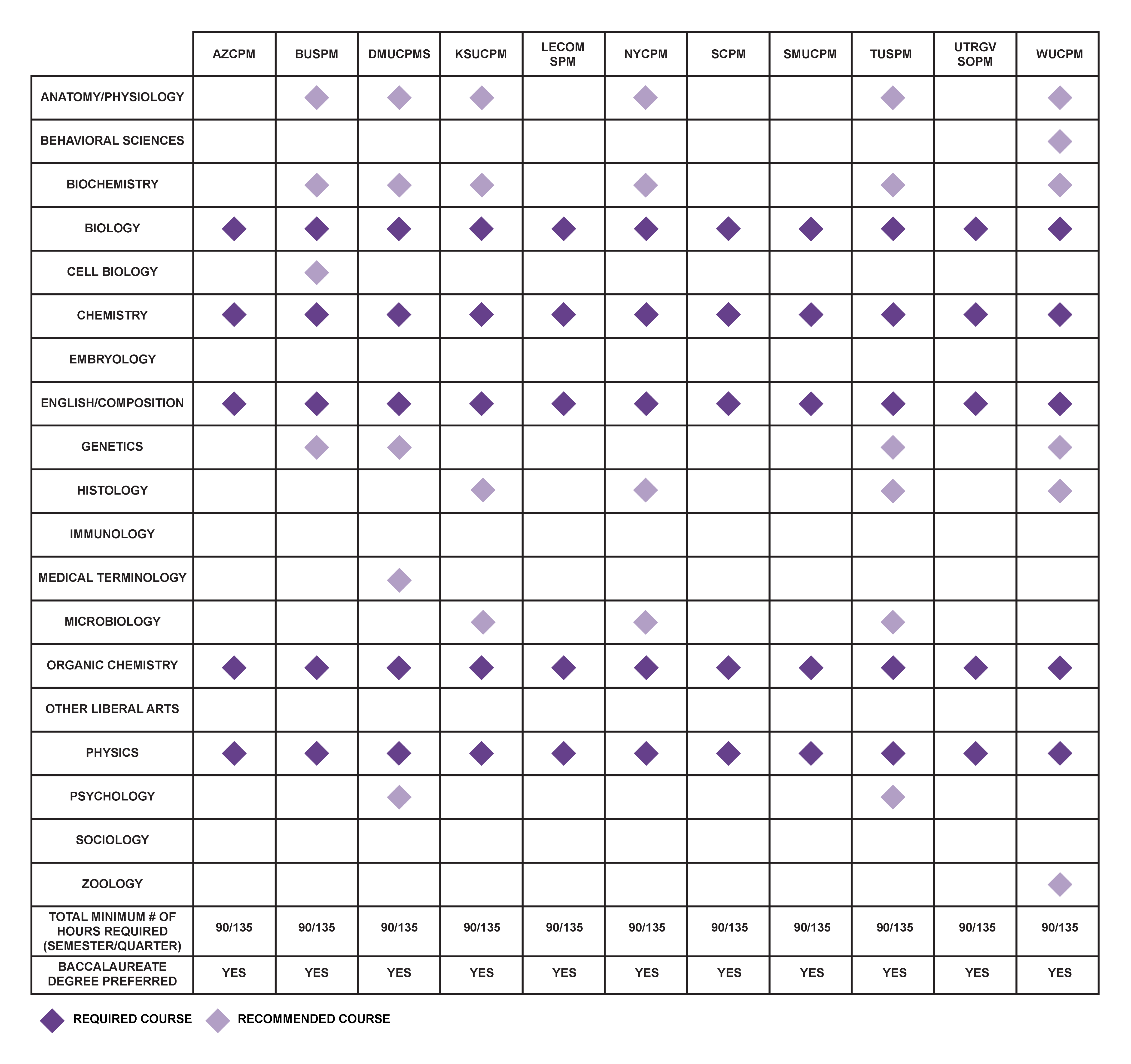
Before you apply to a podiatry program, you’ll need to complete certain prerequisite courses. These are essential subjects that lay the foundation for your future studies. Typically, they include biology, chemistry, and physics.

Many schools require you to have a solid grasp of these sciences. It’s also beneficial to take courses in anatomy or physiology. These will give you a head start in understanding the human body.

Are you wondering how to fit these courses into your schedule? Consider summer classes or online options to keep your workload manageable. Planning is key, so check the specific requirements of the schools you’re interested in.

Entrance Exams

Entrance exams are another hurdle on your path to podiatry school. Most programs require the Medical College Admission Test (MCAT). This exam tests your knowledge of scientific concepts and critical thinking skills.

Preparing for the MCAT can be daunting, but it’s achievable. Create a study schedule that allows you to cover all topics thoroughly. Use practice tests to identify areas where you need improvement.

Don’t underestimate the importance of test prep courses. These can provide invaluable insights and strategies for the exam. Plus, they often offer a community of fellow test-takers, adding support to your study process.

Application Process

The application process is your chance to shine. It’s where you showcase your academic achievements and personal qualities. Start by gathering your transcripts and letters of recommendation.

Craft a compelling personal statement that highlights your passion for podiatry. Share experiences that demonstrate your commitment to the field. What motivated you to pursue this career?

Be mindful of deadlines and requirements for each school. Organize your application materials early to avoid last-minute stress. Have you considered reaching out to current students or alumni for advice? They can offer valuable insights and tips.

Preparing for admission to a podiatry course is a journey in itself. With dedication and strategic planning, you’ll set the stage for a rewarding career in podiatry. Are you ready to take the next step?

Navigating The Curriculum

Embarking on a podiatry course is an exciting journey that opens doors to a fulfilling career in foot and ankle health. Navigating the curriculum can be a thrilling yet challenging experience, requiring a balance between theoretical knowledge and practical skills. Understanding the course structure is crucial to ensure you gain the most from your education. Let’s dive into the key components of the podiatry curriculum that will shape your path to becoming a skilled podiatrist.

Core Subjects

The foundation of any podiatry course lies in its core subjects. These subjects cover essential topics like anatomy, physiology, and pharmacology. Imagine learning about the intricate structures of the foot and how they relate to the rest of the body.

These subjects are not just about memorization; they foster critical thinking. You’ll engage in discussions and problem-solving activities that mimic real-life scenarios. This approach prepares you for the complexities of diagnosing and treating foot conditions.

Think about it: how does understanding the body’s mechanics affect your approach to podiatry? This question will drive your curiosity and deepen your learning.

Clinical Rotations

Clinical rotations are where theory meets practice. Picture yourself in a clinic, applying what you’ve learned in a real-world setting. These rotations provide hands-on experience under the guidance of experienced professionals.

You’ll encounter diverse cases, from common foot ailments to complex surgeries. Each rotation challenges you to adapt and grow, enhancing your confidence and competence. This practical exposure is invaluable for honing your skills.

Consider how interacting with patients can improve your communication skills. It’s not just about treating the condition, but also about understanding and empathizing with the person behind it.

Elective Courses

Elective courses offer a unique opportunity to tailor your education to your interests. Whether you’re passionate about sports medicine or diabetic foot care, electives allow you to delve deeper into specialized areas.

These courses provide flexibility and enable you to expand your expertise beyond the core curriculum. They can also open doors to niche career paths within podiatry.

Reflect on your interests: What areas of podiatry excite you the most? Choosing the right electives can shape your future career and set you apart in the field.

As you navigate the podiatry curriculum, remember that each component plays a vital role in your development. Embrace the challenges and opportunities that come your way, and you’ll emerge as a well-rounded, knowledgeable podiatrist ready to make a difference in your patients’ lives.

Gaining Practical Experience

Embarking on a journey to become a podiatrist is both exciting and challenging. Gaining practical experience is crucial to mastering the skills needed for a successful career in podiatry. This hands-on learning complements theoretical knowledge and prepares you for real-world scenarios. But how do you get this invaluable experience? Let’s dive into some practical ways to enhance your podiatry training.

Internships And Externships

Internships and externships offer you a chance to work closely with experienced podiatrists. You observe and participate in clinical practice, learning directly from the experts. Whether it’s a summer internship at a local clinic or an externship during your course, these opportunities are golden. They not only enhance your clinical skills but also boost your confidence in a professional setting.

Consider reaching out to hospitals or clinics that specialize in podiatry. They often have openings for students eager to learn. Don’t hesitate to ask about the tasks you will be involved in. Knowing what to expect helps you prepare better and make the most of your experience.

Research Opportunities

Participating in research projects can significantly enrich your understanding of podiatry. It allows you to delve into specific areas and contribute to advancements in the field. Look for research programs at your university or online platforms that offer collaborative projects.

By engaging in research, you develop analytical skills and deepen your knowledge. You might discover new techniques or therapies that could revolutionize patient care. Imagine the impact you could make by being part of groundbreaking discoveries in foot health!

Networking With Professionals

Building a network of professional contacts can open doors to numerous opportunities. Attend podiatry conferences, seminars, and workshops. Engage in discussions and don’t shy away from asking questions. You’ll be surprised at how approachable and willing to help seasoned professionals can be.

Networking isn’t just about getting your foot in the door; it’s about learning from others’ experiences. You might hear a story from a podiatrist that changes your perspective or learn a tip that saves you time. Have you ever thought about how many doors a simple conversation can open?

In your quest to gain practical experience, remember that every step you take brings you closer to becoming a proficient podiatrist. Dive into these opportunities with enthusiasm and curiosity. The skills and insights you gain will be invaluable in your career journey.

Licensing And Certification


Licensing and certification are crucial steps in becoming a podiatrist. They ensure that professionals meet essential standards. This process guarantees quality care for patients. Becoming licensed involves several stages. Understanding each stage helps you navigate your career path smoothly.

Exam Requirements

To earn your podiatry license, you must pass the national board exam. This exam tests your knowledge and skills. It covers anatomy, medical procedures, and patient care. Proper preparation is key. Many study guides and courses can help you succeed.

State Licensing Procedures

Each state has its own licensing rules. You must check specific requirements for your location. Most states require passing both national and state exams. Some states may ask for extra training or experience. Always verify with your local board.

Continuing Education

Once licensed, continuing education is essential. It keeps you updated on new treatments and technologies. Many states require ongoing education for license renewal. Workshops, seminars, and online courses are great options. They help maintain your skills and knowledge.

How to Become a Podiatry Course: Step-by-Step Guide

Building A Career In Podiatry


Starting a career in podiatry is a rewarding journey. This field offers a chance to improve people’s lives. Podiatrists specialize in foot and ankle care. Their work is essential for overall health. With the right steps, you can thrive in this profession.

Job Search Strategies

Begin by researching potential employers. Hospitals, clinics, and private practices hire podiatrists. Networking is crucial. Attend professional events and join online forums. Connect with mentors in the field. Craft a strong resume. Highlight relevant skills and experiences. Tailor each application to the specific job.

Specialization Options

Podiatry offers various specialization paths. Consider sports medicine for athletic foot care. Explore diabetic foot care for managing chronic conditions. Surgery specialization involves complex procedures. Choose a path that aligns with your interests. Specializing can enhance your career opportunities.

Professional Development

Continual learning is vital in podiatry. Attend workshops and conferences regularly. Stay updated with the latest research and techniques. Join professional associations for networking and resources. Consider further certifications. They can boost your credibility and expertise. Dedication to growth can lead to success in podiatry.

How to Become a Podiatry Course: Step-by-Step Guide

Frequently Asked Questions

What Is A Podiatry Course?

A podiatry course provides education on foot and ankle care. It covers anatomy, pathology, and treatment techniques. Students learn through lectures, labs, and clinical practice. The course prepares individuals for a career in podiatric medicine.

How Long Does Podiatry Training Take?

Podiatry training typically takes four years. This includes classroom learning and clinical experience. Afterward, graduates may complete a residency program. This additional training lasts two to three years.

What Qualifications Are Needed For A Podiatry Course?

To enroll in a podiatry course, you need a bachelor’s degree. Prerequisite courses in biology, chemistry, and physics are essential. Some programs require healthcare experience. Check specific program requirements for details.

Are Online Podiatry Courses Available?

Online podiatry courses are rare due to hands-on training needs. Some programs offer online components. These may include theoretical coursework. However, clinical practice must be completed in person.

Conclusion

Pursuing a podiatry course can be a rewarding journey. You gain knowledge about foot health and patient care. Start by researching accredited programs that fit your needs. Consider factors like cost, location, and course length. Contact schools to gather more information.

Prepare well for entrance exams if required. Dedication and hard work are key in this field. A career in podiatry offers many opportunities. You can help people live healthier lives. Remember, every step you take brings you closer to your goal.

Embrace the learning process and enjoy your path to becoming a podiatrist.

Accounting and Finance

How to Become a Award in Support Work: Ultimate Guide

Are you passionate about making a difference in the lives of young people? Do you dream of creating a supportive environment where students can thrive?

If so, learning how to earn an award in support work within schools and colleges could be your next exciting step. In this guide, you’ll discover the rewarding path to becoming an exceptional support worker who stands out in the education sector.

You’ll uncover practical tips, valuable insights, and the secrets to truly impacting the lives of students. Ready to transform your career and make a lasting difference? Keep reading to unlock the opportunities waiting for you in the world of educational support work.

Essential Skills For Support Work

Support work in schools and colleges is vital. It helps students thrive. A good support worker needs special skills. These skills make a big difference. They help you connect with students. They improve your ability to assist. Let’s explore these essential skills.

Communication Techniques

Effective communication is key. It builds trust. Use clear words. Listen actively. This shows you care. Ask open-ended questions. Encourage students to share. Be patient. Avoid jargon. Simple language works best. Adapt to each student’s needs. This makes communication smoother.

Empathy And Compassion

Empathy is understanding others’ feelings. It’s stepping into their shoes. Compassion is about caring. Together, they make a strong team. These traits help in support work. They create a safe space for students. Students feel valued. This boosts their confidence. Practice empathy daily. It strengthens connections.

Problem-solving Abilities

Challenges arise in school settings. Problem-solving skills are crucial. Identify the issue first. Break it down. Think of possible solutions. Work with students to find answers. Encourage their input. Be creative. Stay calm under pressure. This approach builds resilience. It empowers students to handle issues.

Educational Pathways

Becoming an award-winning support worker in schools and colleges requires dedication. Educational pathways guide you through the journey to achieve this goal. These pathways help you gain the skills and knowledge needed for the role. They also provide a clear roadmap for success. This blog post explores the steps to becoming a recognized support worker. From gaining relevant qualifications to understanding certification requirements, we cover it all.

Relevant Qualifications

To begin, focus on obtaining the right qualifications. A high school diploma is essential. Many roles require additional education or training. Consider a diploma in childcare or education. Such qualifications show your commitment to the field. They also equip you with the necessary skills. Understanding child development is crucial. Courses in psychology or sociology can be beneficial too.

Training Programs

Training programs offer hands-on experience. They prepare you for real-world situations in schools. Look for programs that include internships. Practical experience is invaluable. It helps you apply what you’ve learned. Training also builds confidence. Check local colleges or online platforms for available courses. Many offer flexible schedules to fit your needs.

Certification Requirements

Certifications enhance your professional credibility. They demonstrate your expertise and dedication. Different regions have different requirements. Research what applies to your area. Common certifications might include First Aid or Special Needs Support. These certifications show you can handle emergencies. They also prove you can support diverse student needs.

Career Opportunities

If you’re passionate about making a difference in educational settings, support work in schools and colleges offers a wide array of career opportunities. Whether you’re looking to assist students with special needs, or help educators streamline their processes, there’s a role for you. Understanding the various job roles and advancement possibilities can help you carve out a fulfilling career path.

Job Roles In Support Work

Support work in schools and colleges is diverse. You might find yourself as a teaching assistant, working directly with students to enhance their learning experiences. Alternatively, you could become a school counselor, guiding students through academic and personal challenges. Each role requires specific skills, but all share a common goal: supporting student success.

Consider the role of a library assistant. Not only do you help students access information, but you also foster a love for reading. Similarly, a career as an IT support technician involves ensuring that technology runs smoothly, making digital learning accessible. What role appeals to you most? Your decision can shape your career in surprising ways.

Advancement Possibilities

Career growth in support work is achievable and rewarding. Starting as a teaching assistant can lead to positions like lead educator or even school administrator. It’s all about gaining experience and demonstrating your ability to handle more responsibilities. Remember, each step you take opens new doors.

Professional development courses can boost your advancement prospects. These can range from workshops on behavioral management to certifications in educational technology. What skills do you want to add to your toolkit? Investing in your growth can set you apart in competitive environments.

Networking Strategies

Building connections is crucial in any career, and support work is no exception. Attend industry conferences and seminars to meet professionals who share your interests. You never know when a casual conversation might lead to your next opportunity.

Online platforms like LinkedIn offer a space to join groups focused on educational support. Engaging in discussions can expand your network and provide insights into industry trends. Have you considered reaching out to someone whose career path you admire? Networking can be your springboard to success.

By exploring these career opportunities, you can identify the paths that align with your passions and strengths. The educational field is dynamic, and your role in it can be just as impactful.

How to Become a Award in Support Work: Ultimate Guide

Navigating Challenges

Becoming a recognized award winner in support work within schools and colleges requires dedication and adaptability. Embrace continuous learning and develop strong communication skills to effectively address diverse challenges in educational settings. Cultivating relationships with students and staff also enhances the impact of your support work.

Navigating challenges in support work at schools and colleges demands patience. It requires a deep understanding of unique situations. Every day presents new hurdles. These challenges can be overwhelming. They test your skills and emotional strength. But facing them can lead to growth. Here are some strategies to help you manage these obstacles effectively.

Handling Difficult Situations

Difficult situations often arise unexpectedly. Being prepared helps you respond calmly. Listen actively to those involved. It helps to understand their needs better. Keep communication open and honest. It builds trust and eases tension. Always remain patient and empathetic. These qualities are essential in resolving conflicts.

Maintaining Emotional Wellbeing

Emotional wellbeing is crucial in support work. Stress can affect your performance. Regular self-care routines can help manage stress. Take breaks to recharge. Focus on activities that relax your mind. Sharing experiences with colleagues can offer support. Don’t hesitate to seek professional help if needed. Prioritizing your mental health improves your effectiveness.

Building Resilience

Resilience is key to thriving in challenging environments. It helps you bounce back from setbacks. Learn from each experience. Reflect on what worked well and what didn’t. Practice positive thinking. It strengthens your ability to adapt. Setting realistic goals aids in personal growth. Resilience empowers you to face challenges confidently.

Recognition And Awards

Recognition and awards in support work within schools and colleges can be a game-changer. They not only spotlight your hard work but also motivate others to follow your lead. Imagine the joy of being acknowledged for your dedication in shaping young minds. It’s more than just a trophy; it’s a testament to your impact.

Types Of Awards

There are various awards you might aim for in educational support work. Some recognize individual excellence, while others honor team achievements. Awards may focus on innovation in teaching methods or outstanding contributions to student welfare. Consider what aligns with your strengths and passions.

Criteria For Award Selection

Understanding the criteria for award selection can set you on the right path. Awards typically evaluate the quality of interaction with students, the innovative approaches you apply, and your ability to foster an inclusive environment. Reflect on how your daily actions align with these criteria.

Nomination Process

The nomination process is your gateway to recognition. It often involves submitting a detailed application or being recommended by colleagues. Gather evidence of your impact through testimonials and documented achievements. Ask yourself: who can vouch for your dedication and influence?

Engaging in support work is more than a job; it’s a commitment to nurturing growth. Awards are not just about winning; they’re about celebrating the journey and inspiring others. Are you ready to shine a light on your contributions?

Future Trends In Support Work

Future trends in support work highlight the importance of specialized training for schools and colleges. Earning an award in support work involves gaining relevant skills, engaging in continuous learning, and understanding student needs. These steps ensure effective support in educational environments.

In the dynamic world of education, support work in schools and colleges is evolving. Future trends are shaping how support roles are defined and executed. These changes promise to enhance the educational experience for students and staff alike. Let’s explore some key trends that are emerging in this field.

Technology Integration

Technology is becoming a vital part of support work. Tools like tablets and educational apps help in personalized learning. They offer tailored support to meet individual student needs. Virtual classrooms also expand access to education. They provide flexible learning options for students. Support workers need to be tech-savvy. They must guide both students and teachers in using these tools effectively.

Evolving Job Roles

Support roles in education are changing. They now include broader responsibilities. Workers are expected to be more versatile. They assist in administrative tasks and student counseling. This shift requires continuous learning and adaptation. Workers must be prepared to handle diverse challenges. They should foster a supportive environment for all students.

Increasing Demand

The demand for support staff in schools and colleges is rising. More students require individualized attention and guidance. This trend is driven by diverse learning needs. Schools recognize the importance of support workers. They play a crucial role in student success. As a result, opportunities in this field are expanding. Workers with the right skills will find rewarding careers.

Frequently Asked Questions

What Qualifications Are Needed For Support Work In Schools?

To work in support roles in schools, typically a high school diploma is required. Additional certifications, such as a teaching assistant qualification, are beneficial. Some positions may require specialized training or experience in child development. Ensure you check specific job descriptions for exact requirements.

How Can I Gain Experience In School Support Work?

Volunteering is a great way to gain experience in school support roles. Many schools welcome volunteers to assist with various tasks. Additionally, internships or part-time roles can provide hands-on experience. Networking with educators and attending workshops can also help you build relevant skills.

Is A Degree Necessary For Support Work In Colleges?

A degree is not always necessary for support roles in colleges. However, having a relevant degree can enhance your application. It may also be required for specific positions, like academic advising. Always review the job description for precise educational requirements before applying.

What Skills Are Essential For Support Work In Education?

Key skills for educational support work include excellent communication, patience, and adaptability. Problem-solving and organizational skills are also crucial. Understanding educational technology and tools can be beneficial. Being empathetic and having a passion for helping students succeed is essential for success in this field.

Conclusion

Becoming a support work award winner is achievable with dedication. Focus on developing strong skills and building experience. Engage with school communities and understand student needs. Learn continuously and stay updated with educational trends. Build relationships with colleagues and mentors for guidance.

Always aim for personal growth and betterment. Recognize the value you bring to students’ lives. Celebrate small successes along the way. Keep your goals clear and stay motivated. This journey requires patience and effort. Your commitment can make a positive impact.

Stay inspired and continue your pursuit in support work.

Beauty and Fitness

How to Become a Gym Instructor: Step-by-Step Guide

Have you ever found yourself at the gym, watching instructors lead classes with energy and enthusiasm, and thought, “I could do that”? Maybe you’re passionate about fitness and want to turn that passion into a rewarding career.

Becoming a gym instructor is not just about perfecting your squats or knowing the latest workout trends. It’s about inspiring others, sharing your knowledge, and motivating people to achieve their fitness goals. In this guide, you’ll discover the steps you need to take to become a successful gym instructor, from gaining the right qualifications to building a loyal client base.

If you’re ready to transform your love for fitness into a fulfilling job that makes a real difference in people’s lives, keep reading to find out how you can get started on this exciting path.

How to Become a Gym Instructor: Step-by-Step Guide

Skills And Qualities


Becoming a gym instructor requires more than lifting weights. It’s about guiding others to better health. Essential skills and qualities set successful instructors apart. They must inspire, teach, and motivate clients effectively.

Communication Skills

Clear communication is vital in the gym environment. Instructors must explain exercises simply. They need to give feedback that clients understand. Good listening is equally important. Instructors should pay attention to clients’ needs and concerns.

Leadership Qualities

Instructors lead by example. They should inspire confidence and motivate others. A strong presence in the gym encourages clients to push harder. Good leaders can handle group dynamics well. They create a positive and supportive atmosphere.

Physical Fitness

Physical fitness is at the core of being an instructor. They must maintain their own fitness levels. This ensures they can demonstrate exercises properly. A fit instructor inspires clients to achieve their own goals. They set a standard for health and wellness.

Educational Requirements


Becoming a gym instructor involves several steps. Education is a key part of this journey. You need a strong foundation to guide others in fitness. Let’s explore the educational paths required.

High School Diploma

A high school diploma is the first step. It opens doors to further education. Basic subjects like biology and physical education are helpful. They provide a foundation for understanding body mechanics and fitness.

Relevant Certifications

Certifications in fitness are crucial. They validate your skills and knowledge. Many organizations offer certifications. The National Academy of Sports Medicine (NASM) and American Council on Exercise (ACE) are popular choices. These certifications cover anatomy, nutrition, and exercise techniques.

Certifications require passing an exam. Study materials are usually provided. Some require continuing education to maintain. This ensures you stay updated on new fitness trends and techniques.

Certification Programs


Becoming a gym instructor requires more than passion for fitness. Certification programs provide the knowledge and skills needed. These programs ensure instructors can guide clients safely and effectively. Choosing the right certification can open doors to many opportunities.

Choosing The Right Program

Think about your career goals. Do you want to work with specific clients? Some programs focus on general fitness. Others specialize in areas like strength training or yoga. Consider the program’s reputation. Research feedback from past students. Cost is also important. Look for programs that offer value for money. Flexible study options can help too. Online courses are great for busy schedules. Check the course content carefully. Ensure it covers the topics you need.

Popular Certification Bodies

Many organizations offer gym instructor certifications. The American Council on Exercise (ACE) is well-known. They provide comprehensive courses. Another option is the National Academy of Sports Medicine (NASM). NASM focuses on evidence-based training. The International Sports Sciences Association (ISSA) is widely recognized. They offer certifications in various fitness fields. The National Strength and Conditioning Association (NSCA) is ideal for strength coaches. Each body has unique strengths. Choose one that matches your career goals.

Gaining Experience

Gaining experience is crucial for aspiring gym instructors. Practical knowledge enhances skills and builds confidence. Experience in the field prepares you for real-world challenges. It also helps in understanding client needs better.

Internships And Apprenticeships

Internships provide hands-on training in real gym environments. They offer a chance to learn from experienced trainers. Working closely with professionals gives insights into effective teaching methods. Apprenticeships often include mentorship, guiding you step by step. They help in mastering fitness techniques and understanding gym operations.

Volunteering Opportunities

Volunteering allows you to gain experience without formal commitments. Many gyms welcome volunteers for various roles. This helps in learning different aspects of gym management. You can assist in classes or help with gym maintenance. Volunteering also enhances communication skills by interacting with gym members.

Building A Professional Network

Building a strong network is key for aspiring gym instructors. Attend fitness events and join online forums. Connect with experienced trainers and industry leaders to gain insights and opportunities.

Building a professional network is vital in becoming a successful gym instructor. A strong network opens doors to new opportunities and valuable insights. It helps you learn about industry trends and best practices. Building this network takes time and effort, but it is worth it. Here are some effective ways to connect with others in the fitness world.

Connecting With Industry Professionals

Start by attending fitness events and conferences. These gatherings are perfect for meeting industry leaders and enthusiasts. Introduce yourself and engage in meaningful conversations. Ask questions and share your experiences. People remember genuine and enthusiastic interactions. Social media platforms like LinkedIn are also useful. Create a professional profile that highlights your skills and achievements. Connect with trainers, gym owners, and other fitness professionals. Engage with their posts by liking and commenting. This helps you stay on their radar.

Joining Fitness Communities

Local fitness communities can be a goldmine for networking. Join local fitness groups or clubs. Participate in classes and group activities. These settings provide a relaxed atmosphere to meet people with similar interests. Online fitness forums and groups are another great resource. Platforms like Facebook have dedicated groups for fitness professionals. Join these groups to share tips and experiences. Engage in discussions and offer support to others. This builds relationships and establishes your presence in the community.

Job Searching Tips

Embarking on a career as a gym instructor is exciting, but finding the right position can be challenging. You want to stand out in a sea of applicants and demonstrate your unique skills and passion for fitness. How can you ensure your application catches the eye of gym managers? Let’s dive into practical tips to help you in your job search journey.

Crafting A Resume

Your resume is your first impression. Tailor it to highlight your strengths as a gym instructor. Include certifications, such as CPR or personal training, that showcase your qualifications.

Don’t just list your experiences; describe how they shaped you. Mention specific achievements, like helping clients achieve their goals or organizing successful fitness events.

Ask yourself: What makes you stand out? Include a brief section on your personal fitness philosophy to give employers a glimpse of who you are beyond your qualifications.

Preparing For Interviews

Interviews are your chance to shine. Research the gym you’re applying to and understand their culture and clientele. This shows your genuine interest in becoming part of their team.

Practice answering questions confidently and concisely. Think about how your past experiences can benefit the gym. Highlight your communication skills and ability to motivate clients.

Imagine you’re interviewing with a gym that values community engagement. How would you contribute? Share specific ideas, like organizing community fitness challenges or workshops.

Career Advancement

Career advancement is essential for a gym instructor’s growth. It opens doors to new opportunities. Staying updated with trends helps you stay competitive. It also boosts your confidence and credibility. By advancing your career, you can take on leadership roles. This can lead to higher earnings and job satisfaction.

Continuing Education

Continuing education is vital for a gym instructor. It keeps you current with industry standards. Many organizations offer workshops and courses. These can help enhance your skills and knowledge. Regularly attending seminars can broaden your understanding. It also provides networking opportunities with other professionals.

Pursuing certifications can add value to your resume. Certifications show your commitment to your profession. They can also increase your marketability in the job market. Stay curious and eager to learn. This attitude will serve you well in your career.

Specialization Opportunities

Specialization opportunities allow you to focus on a niche. This can make you an expert in a specific area. You can specialize in yoga, Pilates, or strength training. Each area has unique techniques and benefits. Specialization can attract more clients seeking expertise.

It often leads to higher demand and better pay. Clients are willing to pay more for specialized knowledge. Choose a specialization that aligns with your passion. This ensures long-term satisfaction and career success.

How to Become a Gym Instructor: Step-by-Step Guide

Frequently Asked Questions

What Qualifications Do I Need To Be A Gym Instructor?

To become a gym instructor, you typically need a relevant certification. Look for accredited programs like NASM, ACE, or ISSA. A high school diploma is often required, and CPR certification is beneficial. Some employers may require prior experience or specialized training in specific fitness areas.

How Long Does Gym Instructor Training Take?

Gym instructor training duration varies, but most certification programs take 2-6 months. It depends on the course intensity and your study pace. Some intensive programs offer accelerated options. Always ensure the program is accredited and aligns with your career goals.

How Much Do Gym Instructors Earn Annually?

Gym instructors’ salaries vary based on location, experience, and specialization. On average, they earn $30,000 to $50,000 annually. Those with specialized skills or who work in high-demand areas may earn more. Additional income can come from personal training sessions or specialized classes.

What Are The Main Duties Of A Gym Instructor?

Gym instructors guide clients in exercise routines, ensuring safety and proper technique. They create personalized workout plans and monitor progress. Instructors also maintain gym equipment and may lead group classes. Their role involves motivating clients and providing nutritional and lifestyle advice.

Conclusion

Becoming a gym instructor is a rewarding journey. Start with a clear goal. Gain certifications to boost your credibility. Build strong communication skills for better client interaction. Keep learning to stay updated with fitness trends. Practice patience and empathy with clients.

These skills will help you succeed. Enjoy the process and celebrate small victories. Remember, passion for fitness drives success. You can inspire others to lead healthier lives. Your journey as a gym instructor can change lives. Stay dedicated, and embrace each opportunity.

Professional Development

How to Become a Forensic Science Expert: A Step-by-Step Guide

Imagine stepping into a world where science meets the thrill of solving mysteries. That’s the realm of forensic science, a field that combines meticulous investigation with cutting-edge technology to uncover the truth.

If you’ve ever been captivated by crime dramas or dreamt of playing a crucial role in solving real-life cases, you’re in the right place. This guide will walk you through the steps to turn that fascination into a fulfilling career.

You’ll learn what it takes to become a forensic scientist, the skills you need, and the educational pathways available. Ready to unlock the secrets of evidence and make a difference in the world? Let’s dive in and explore how you can start your journey in forensic science.

Choosing The Right Educational Path

Choosing the right educational path is crucial if you want to pursue a career in forensic science. The journey can be as thrilling as the career itself, with numerous opportunities to tailor your education to fit your aspirations. But how do you navigate this complex landscape to ensure you’re heading in the right direction?

Degree Options

Start by considering the degree options available to you. A bachelor’s degree in forensic science is a strong foundation, offering courses that cover essential topics such as crime scene investigation and laboratory analysis. If you prefer a more generalized approach, degrees in biology, chemistry, or criminal justice can also pave the way.

Think about what excites you. Do you enjoy the intricacies of chemical reactions, or are you drawn to the legal aspects of crime-solving? This decision will impact your entire career. Reflect on your interests and strengths to choose a degree that aligns with your passion.

Specialized Courses

Once you’ve decided on a degree, explore specialized courses that can enhance your skills. Courses in toxicology, digital forensics, or DNA analysis can offer deeper insights into specific areas. These courses help you stand out and become an expert in niche fields.

Consider adding hands-on training to your curriculum. Participating in lab work or internships can provide practical experience that textbooks can’t. Imagine the thrill of applying what you’ve learned in real-world scenarios—it’s a vital step toward becoming a skilled forensic scientist.

Have you ever thought about where you want to specialize? The options are vast, and your choices can lead to exciting career paths. By carefully selecting your courses, you can tailor your expertise to fit the evolving demands of forensic science.

How to Become a Forensic Science Expert: A Step-by-Step Guide

Gaining Practical Experience

To become a forensic scientist, gain practical experience through internships in crime labs or law enforcement agencies. Hands-on training helps understand techniques like DNA analysis and fingerprinting. Volunteering at forensic departments also enhances skills and knowledge.

Gaining practical experience is a crucial step in your journey to becoming a forensic scientist. It’s one thing to learn theories in a classroom, but applying them in real-world scenarios is what truly sharpens your skills. This hands-on experience not only boosts your confidence but also makes you a more attractive candidate to future employers.

Internships

Internships offer a golden opportunity to immerse yourself in the world of forensic science. Many crime labs and law enforcement agencies offer internships where you can observe and assist professionals. This exposure to real cases provides insights into daily operations, helping you understand the nuances of forensic work. Seek internships that align with your interests, whether it’s DNA analysis, toxicology, or digital forensics. Speak to your professors or career advisors about available opportunities. Don’t shy away from asking questions during your internship. Engaging with experts can provide you with invaluable knowledge and networking opportunities that could open doors in your career.

Volunteer Opportunities

Volunteering can be an excellent way to gain experience if internships are hard to come by. Look for volunteer roles in local law enforcement or community organizations that deal with forensic-related activities. Participating in community outreach programs can also enhance your understanding of forensic science’s role in society. Such experiences might involve educating the public about crime scene preservation or assisting in mock crime scene events. Consider joining forensic science clubs or societies. They often organize events and workshops that offer practical experience and a chance to meet like-minded individuals who share your passion. Remember, every bit of experience counts. Whether you’re interning, volunteering, or participating in clubs, each experience contributes to your growth as a forensic scientist. So, what’s your next step towards gaining practical experience in forensic science?

Developing Essential Skills

Becoming a forensic scientist is more than just understanding science and law. It’s about honing essential skills that allow you to solve complex puzzles. These skills are crucial as they enable you to analyze evidence and draw conclusions that impact real lives. Let’s dive into two key skills you need to develop: analytical skills and attention to detail.

Analytical Skills

Analytical skills are the backbone of forensic science. They help you break down complex information and understand its components. Imagine you’re faced with a crime scene filled with seemingly unrelated pieces of evidence. Your analytical skills allow you to identify patterns and connect the dots. Start by practicing critical thinking exercises. These can be as simple as solving puzzles or analyzing news articles for underlying stories.

Consider taking courses in statistics or data analysis. These subjects teach you how to interpret data effectively. If numbers aren’t your forte, try engaging in group discussions that challenge your perspectives. Asking questions like “Why did this happen?” or “What are the possible outcomes?” can sharpen your analytical thinking.

Attention To Detail

Attention to detail is the difference between a solved case and a cold one. Missing a tiny clue can lead to incomplete conclusions. Cultivate this skill by focusing on the minutiae in everyday tasks. Whether it’s proofreading a document or organizing your workspace, the small things matter.

Train yourself to observe your surroundings meticulously. Practice exercises that require close observation, like identifying discrepancies in photos or spotting differences in patterns. As you develop this skill, you’ll find it becomes second nature to notice details others might overlook.

Think about it: how would you feel if you could spot the crucial piece of evidence that everyone else missed? Developing attention to detail not only boosts your forensic capabilities but also enhances your overall observational skills. Remember, the devil is in the details, and so is the solution.

Certifications And Licenses

Becoming a forensic scientist involves more than just academic qualifications. Certifications and licenses play a crucial role in building credibility. They demonstrate your expertise and commitment to the field. Understanding these requirements is essential to advance your career in forensic science.

Professional Certifications

Professional certifications validate your skills and knowledge in forensic science. These credentials are offered by recognized bodies. The American Board of Criminalistics offers certifications for specialized fields. Certifications show employers you meet industry standards. They can also lead to better job opportunities. Keep your certifications updated to stay competitive.

State Licensing Requirements

State licensing requirements vary across different regions. Some states require forensic scientists to hold specific licenses. These licenses ensure that you comply with local regulations. Check with your state’s professional boards for exact requirements. Licensing may involve passing exams or meeting educational criteria. Staying informed about these requirements is vital for your career.

Building A Professional Network

Connecting with experienced forensic scientists offers valuable insights into the field. Attend conferences and workshops to meet professionals. Engage on online platforms to share knowledge and build relationships.

Building a professional network is essential for anyone looking to succeed in forensic science. It opens doors to opportunities, collaborations, and insights that you might not find on your own. Whether you’re just starting out or looking to advance your career, connecting with others can make all the difference.

Joining Associations

Joining professional associations is a great way to connect with experts in the field. Look for organizations like the American Academy of Forensic Sciences or the International Association for Identification. These groups often provide resources, job listings, and events that can help you grow your career. Membership can also offer you access to exclusive forums and discussion groups. This is where you can ask questions, share experiences, and learn from seasoned professionals. Consider it a backstage pass to the world of forensic science.

Attending Conferences

Conferences are more than just lectures; they are a goldmine for networking. Attending events like the annual Forensic Science Conference can help you meet industry leaders and peers face-to-face. You never know when a casual conversation might lead to your next job offer or research collaboration. While you’re there, don’t just stick to the sessions. Spend time in the networking lounges and exhibit halls. You might find yourself discussing the latest forensic technology over coffee with someone who shares your passion. What are your strategies for building a professional network in forensic science? How have these connections helped you in your career? Share your thoughts in the comments below!

How to Become a Forensic Science Expert: A Step-by-Step Guide

Staying Updated With Industry Trends

To thrive in the ever-evolving field of forensic science, staying updated with industry trends is crucial. The landscape of forensic science is constantly shifting with new technologies, research findings, and methodologies. Being proactive in learning and adapting can make a significant difference in your career growth and effectiveness in the field.

Continuing Education

Continuing education is a key strategy for staying on top of industry trends. Many professional organizations offer workshops, seminars, and online courses tailored for forensic scientists. Enrolling in these programs can help you acquire new skills and stay informed about advancements in the field.

Additionally, attending conferences can be incredibly beneficial. Conferences not only offer educational sessions but also provide networking opportunities with experts who can share insights from their experiences. Have you considered how much you can learn from a casual conversation with a leading forensic expert?

Research Publications

Keeping up with research publications is another effective way to stay updated. Subscribing to forensic science journals can provide you with the latest research findings and trends. You can often access these publications online, making it convenient to integrate this habit into your routine.

Engaging with research papers can also inspire new ideas and methods in your work. Have you ever thought about how a small insight from a journal article could transform your approach to a case? Reading widely can ignite creativity and enhance your problem-solving skills.

Remember, staying updated is not just about passively consuming information. It’s about actively engaging with the material and thinking about how it applies to your work. Are you ready to take the next step in your forensic science career by staying ahead of the curve?

Advancing Your Career

Advancing your career in forensic science offers unique opportunities. Whether you are a fresh graduate or a seasoned professional, expanding your skills can lead to exciting roles. Your journey in this field can be dynamic and rewarding. Understanding the pathways to growth is essential for success.

Career Opportunities

Forensic science offers diverse career paths. You can work in crime labs, police departments, or federal agencies. Each setting provides unique experiences and challenges. Specializations include DNA analysis, toxicology, and digital forensics. These fields are constantly evolving. Staying updated with the latest techniques can boost your career.

Education is key in this field. Advanced degrees open doors to specialized roles. Consider pursuing a master’s or Ph.D. in forensic science. Certifications also enhance your resume. They demonstrate expertise and commitment. Employers value candidates with recognized credentials.

Leadership Roles

Leadership roles in forensic science are attainable. Experience and knowledge pave the way. Aim for positions like lab manager or department head. These roles involve overseeing operations and teams. Strong leadership skills are crucial. Communication, problem-solving, and decision-making are important traits.

Mentorship can help you grow. Learn from established leaders in your field. Networking is equally vital. Attend conferences and workshops. Engage with peers and experts. Building relationships can lead to career advancements. Leadership roles require dedication and continuous learning.

How to Become a Forensic Science Expert: A Step-by-Step Guide

Frequently Asked Questions

What Qualifications Are Needed For Forensic Science?

To become a forensic scientist, you typically need a bachelor’s degree in forensic science or a related field. Courses in biology, chemistry, and criminal justice are essential. Some positions may require a master’s degree or specific certifications. Hands-on experience through internships or lab work is highly beneficial for career advancement.

How Long Does It Take To Become A Forensic Scientist?

Becoming a forensic scientist usually takes around four to six years. This includes obtaining a bachelor’s degree, which typically takes four years. Additional training or a master’s degree may add one to two years. Gaining practical experience through internships or entry-level positions can also affect the timeline.

What Skills Are Essential For Forensic Scientists?

Key skills for forensic scientists include analytical thinking, attention to detail, and strong problem-solving abilities. Effective communication and teamwork are crucial, as forensic scientists often collaborate with law enforcement. Technical skills in laboratory equipment and software are also important for analyzing evidence accurately.

What Is The Role Of Forensic Scientists In Investigations?

Forensic scientists analyze physical evidence from crime scenes to assist in criminal investigations. They use scientific methods to identify substances, such as drugs or explosives, and match DNA samples. Their findings help law enforcement solve cases and support legal proceedings by providing expert testimony in court.

Conclusion

Embarking on a forensic science career is both exciting and rewarding. It requires dedication and a passion for solving mysteries. Start with the right education and gain practical experience. Each step brings you closer to becoming a forensic expert. Remember, patience and perseverance are key.

Keep learning and stay updated with new technologies and techniques. This field offers endless opportunities for those who are curious and committed. Follow your passion, and you can make a real difference. Consider the impact your work can have on justice and society.

Embrace the journey and make every moment count.

Teaching and Training

How to Become a Pgce Further Education: Expert Guide

Are you passionate about teaching and looking to make a real impact in the world of further education? If the thought of inspiring the next generation of learners excites you, then becoming a PGCE (Postgraduate Certificate in Education) in Further Education might be your perfect fit.

This guide will unravel the steps you need to take to enter this rewarding field. Imagine walking into a classroom where eager minds are ready to absorb the knowledge you have to offer. Picture yourself as the catalyst for their future success, guiding them through complex concepts and watching their eyes light up with understanding.

The path to becoming a PGCE in Further Education is not just a career choice; it’s a chance to transform lives, including your own. Stay with us as we break down the entire process into manageable steps, offering insights and tips that can make your journey smoother and more fulfilling. Whether you’re just beginning to explore this career path or are ready to take the plunge, this article will provide you with everything you need to know to turn your teaching aspirations into reality.

How to Become a Pgce Further Education: Expert Guide

Choosing The Right Pgce Program

Finding the right PGCE program is crucial for teaching in further education. Consider course content and teaching methods. Research accreditation and support services to ensure a suitable fit for your career goals.

Choosing the right PGCE program is a crucial step in your journey to becoming a qualified educator in further education. The right program can shape your teaching philosophy, impact your career opportunities, and influence your overall satisfaction in the field. How do you ensure you make the best choice?

Factors To Consider

When selecting a PGCE program, think about the location. Are you willing to relocate for a year or more? Consider the program’s format—does it offer part-time options if you’re working? Look at the course content and make sure it aligns with your teaching interests. You might find some programs focus heavily on theoretical aspects, while others emphasize practical teaching experience.

Specializations Available

Different PGCE programs offer varied specializations. Are you interested in teaching humanities, sciences, or vocational subjects? Some programs might offer unique paths like digital education or adult literacy. Choose a specialization that not only interests you but also matches the demand in the job market. This can open doors to specific teaching roles that are often in high demand.

Accreditation Importance

Accreditation is a key factor that cannot be overlooked. Is the program recognized by reputable educational bodies? A PGCE program with proper accreditation ensures your qualification is respected and recognized. It can affect your employability and the trust employers place in your credentials. Make sure the program you choose is accredited to avoid any future setbacks in your teaching career. Selecting the right PGCE program requires careful thought and research. Are you prepared to make a decision that will impact your teaching journey? Take the time to evaluate your options thoroughly, and you’ll find a program that aligns perfectly with your goals.

Application Process

Begin the journey to becoming a PGCE Further Education by researching eligibility criteria and required qualifications. Submit an application through the university’s online portal, including transcripts and references. Prepare for interviews that assess your passion and commitment to teaching.

Embarking on the journey to become a PGCE Further Education candidate is an exciting step towards a rewarding teaching career. The application process is your first gateway to this path. It’s more than just filling out forms; it’s about showcasing your dedication and potential to shape future minds. Understanding the steps involved, and preparing thoroughly, can make the difference between a smooth process and a stressful one.

Eligibility Criteria

Before you start your application, ensure you meet the basic eligibility requirements. You need a bachelor’s degree or equivalent in the subject you wish to teach. Some programs may require you to have relevant work experience, especially if your degree isn’t directly related to your chosen teaching field. Check the specific requirements of the institutions you’re interested in. Some might have additional prerequisites. This will save you time and help you focus on applications where you meet all the criteria.

Required Documents

Gather your documents early to avoid last-minute stress. You will need your academic transcripts, a personal statement, and references. Your personal statement is crucial; it’s your chance to tell your story. Make sure your references are from people who know your capabilities well, like a former professor or employer. They should be able to vouch for your skills and potential as a teacher.

Tips For A Successful Application

Crafting a standout application involves more than just ticking boxes. Highlight your passion for teaching and any relevant experience you have. Tailor your personal statement to reflect why you are a perfect fit for PGCE Further Education. Consider visiting the campus or attending open days. This can give you insights that might set your application apart. Engage with current students or faculty to understand the program better, and mention these insights in your application. Have you thought about what makes you unique? Use this to your advantage. Whether it’s a special project you led or a unique experience that shaped your teaching philosophy, let it shine through. Approach this process with confidence and clarity. Remember, the application is just the beginning of a transformative journey in education.

Understanding The Curriculum

Embarking on the journey to become a PGCE Further Education teacher is both exciting and challenging. Understanding the curriculum is crucial to your success, as it lays the foundation for your teaching skills. You need to familiarize yourself with the core modules, elective options, and practical teaching experiences that will shape your educational path. Let’s dive into the specifics of what you can expect.

Core Modules

The core modules are the backbone of your PGCE program. They cover essential teaching skills and educational theories that you will rely on throughout your career. Expect to explore topics like lesson planning, classroom management, and assessment techniques. These modules will equip you with practical tools to engage your students effectively.

Consider how you can apply these skills in real-world scenarios. When I learned about differentiated instruction, it transformed my approach to diverse classrooms. How will these core skills impact your teaching style?

Elective Options

Elective options offer you the chance to tailor your PGCE experience to your interests. You can choose modules that focus on specific subjects or educational technologies. If you’re passionate about digital learning, for example, electives in educational technology can deepen your understanding.

Think of electives as a way to stand out and specialize. Your unique choices can shape your future teaching identity. What subjects or skills are you eager to explore further?

Practical Teaching Experience

Practical teaching experience is where theory meets practice. You’ll step into the classroom, apply what you’ve learned, and refine your approach. This hands-on experience is invaluable and can be both daunting and exhilarating.

During my teaching practicum, I discovered the importance of adaptability. No two classes are the same, and real-world teaching requires quick thinking. Are you ready to embrace the unpredictability of the classroom?

Understanding the curriculum is your first step toward becoming an effective PGCE Further Education teacher. Dive into the modules, explore electives, and embrace practical experiences to shape your teaching journey.

Developing Teaching Skills

Developing teaching skills is crucial for aspiring educators in further education. Effective teaching requires a blend of creativity, patience, and strategy. Mastering these skills ensures meaningful student engagement and learning. PGCE candidates need to focus on three key areas: classroom management, lesson planning, and assessment methods. Each area contributes significantly to the overall teaching experience. Let’s explore these essential components of teaching skills in further education.

Classroom Management Techniques

Managing a classroom involves setting clear rules and expectations. Establishing a respectful environment encourages students to participate actively. Use positive reinforcement to motivate students. Organize the classroom layout to facilitate interaction and focus. Address disruptions calmly, maintaining authority without aggression. Regularly assess your management strategies for effectiveness. Adapt them based on student behavior and feedback.

Lesson Planning Strategies

Effective lesson planning begins with clear objectives. Define what students should learn by the end of the lesson. Use a variety of teaching materials to cater to different learning styles. Include activities that promote critical thinking and problem-solving. Allocate time for discussions and questions. Prepare backup activities in case of unforeseen interruptions. Review previous lessons to connect new topics with existing knowledge.

Assessment Methods

Assessments measure student understanding and progress. Use a mix of formative and summative assessments to gauge learning. Formative assessments provide ongoing feedback during the learning process. Summative assessments evaluate knowledge at the end of a unit. Include quizzes, assignments, and projects to diversify assessment formats. Encourage self-assessment to promote reflection and independent learning. Regularly review assessment outcomes to identify areas for improvement.

Career Opportunities In Further Education

Exploring career opportunities in further education starts with a PGCE qualification. This teaching certification opens doors to instruct adult learners. Aspiring educators can specialize in various subjects, enhancing their skills and knowledge to thrive in dynamic learning environments.

Embarking on a career in further education opens up a world of opportunities that go beyond the traditional classroom. With a PGCE in Further Education, you can shape the future of adult learners, helping them acquire new skills and knowledge to advance their careers. But what does the job market look like, and who might employ you? Let’s explore the exciting career prospects in further education.

Job Market Overview

The job market for further education is dynamic and ever-changing. As industries evolve, the demand for skilled educators in vocational and adult learning continues to rise. From technical skills to soft skills, the variety of subjects you can teach is vast. Have you ever thought about teaching digital marketing or advanced plumbing? There’s a niche for almost every interest. With the increasing focus on lifelong learning, your expertise as an educator can play a crucial role in shaping future professionals. Are you ready to be part of this transformative journey?

Potential Employers

The range of potential employers in further education is diverse. Community colleges, vocational schools, and adult education centers are just the beginning. Private training companies and corporate training departments also seek skilled educators to enhance their workforce. Could you see yourself delivering impactful training in a corporate setting? Some educators find rewarding careers in non-profit organizations, helping underserved communities access education and skill development. Where do you see your passion making the most impact?

Advancement Prospects

Advancement in further education isn’t limited to moving up the ladder. You can diversify your skills, exploring roles such as curriculum development or educational consultancy. Many educators transition into administrative roles, shaping educational policies and programs. Have you considered how your leadership skills could redefine adult education? With experience, you might even branch out into research and development, discovering new methodologies to enhance learning. How would you like to contribute to the future of education? Further education provides a platform to expand your career horizons, offering opportunities to grow, lead, and innovate. So, where will your journey take you next?

Continuous Professional Development

Continuous Professional Development (CPD) is a key component for anyone pursuing a PGCE in Further Education. In the dynamic world of education, staying updated with new teaching methodologies and educational technologies is crucial. CPD not only enhances your skills but also boosts your confidence and effectiveness as an educator.

Importance Of Lifelong Learning

Why is lifelong learning important for educators? It keeps you adaptable and resilient. The education landscape is ever-evolving, and continuous learning ensures you remain relevant. Imagine standing in front of a class, equipped with the latest teaching strategies—your students will thrive under your guidance. Are you ready to embrace a mindset that never stops growing?

Training Courses And Workshops

Training courses and workshops are practical ways to enhance your skills. They offer hands-on experiences and real-world scenarios that prepare you for classroom challenges. Consider enrolling in courses focusing on digital tools for education or specialized teaching techniques. These opportunities can provide you with unique insights that textbooks might overlook.

Networking And Mentorship

Networking and mentorship play a vital role in your professional development. Connecting with fellow educators opens doors to shared resources and collaborative learning. Have you thought about reaching out to a seasoned mentor? Their experiences can guide you through complex teaching situations and inspire your growth. Building a supportive network is an investment that pays off in your teaching career.

Embracing Continuous Professional Development equips you with the skills needed to navigate the challenges and opportunities within Further Education. Through lifelong learning, engaging courses, and strong networks, you carve a path to becoming an exceptional educator. Are you ready to take the first step?

Frequently Asked Questions

What Is A Pgce In Further Education?

A PGCE in Further Education is a postgraduate certificate for teaching in colleges and adult education. It equips educators with the skills to teach subjects to learners aged 16 and above. This qualification is essential for those aiming to teach in further education institutions in the UK.

How Long Does A Pgce Course Take?

A full-time PGCE course typically takes one academic year to complete. Part-time options are available and usually take two years. The course combines academic study with practical teaching experience, ensuring a comprehensive understanding of educational practices.

What Are The Entry Requirements For A Pgce?

Entry requirements include a relevant degree and GCSEs in English and Maths. Some courses may require experience in further education settings. It’s essential to check specific university requirements as they can vary.

Can I Teach Without A Pgce?

Yes, you can teach in further education without a PGCE, but it enhances your skills and job prospects. Many institutions prefer qualified candidates, and a PGCE provides structured training and teaching experience.

Conclusion

Becoming a PGCE in Further Education is an exciting journey. Start by understanding the requirements and enrolling in a suitable program. Stay committed and focused throughout your studies. Connect with peers and educators to gain insights. Practical experience is crucial, so embrace every teaching opportunity.

Keep learning and adapting to new teaching methods. This path opens many doors in education. Your dedication will help you succeed. Remember, teaching is about passion and making a difference. With these steps, you can reach your goal. Enjoy the rewarding journey of becoming a PGCE in Further Education.

Professional Development

How to Become a Public Speaking Pro: Master Your Stage Skills

Are you tired of feeling your heart race and your palms sweat at the thought of speaking in front of an audience? Imagine transforming that fear into confidence, and those nerves into excitement.

Public speaking is a skill that can open doors to new opportunities, boost your career, and help you connect with others on a deeper level. The best part? Anyone can master it with the right approach and mindset. In this guide, you’ll discover the secrets to becoming a compelling public speaker.

You’ll learn how to captivate any audience, deliver your message with clarity, and leave a lasting impression. Ready to unlock the power of your voice and make an impact? Let’s dive in and turn your public speaking dreams into reality.

How to Become a Public Speaking Pro: Master Your Stage Skills

Crafting Your Message

Crafting your message is crucial in public speaking. A well-crafted message captivates your audience. It ensures your key points resonate and are remembered. This process involves careful thought and organization. Let’s delve into how to craft an impactful message.

Identifying Key Points

Begin with your main topic. What do you want to communicate? Identify three to five key points. These should support your main idea. Make each point clear and concise. This helps the audience follow your message easily.

Focus on simplicity. Avoid technical jargon. Use words your audience understands. This keeps them engaged and ensures clarity.

Structuring Your Speech

Structure your speech like a story. Start with an engaging introduction. Grab attention quickly. Introduce your main idea early. The body should contain your key points. Present them logically and sequentially. This aids comprehension.

Conclude with a strong closing. Reinforce your main idea. Leave your audience with a lasting impression. Use a memorable statement or call to action.

Practice makes perfect. Rehearse your speech multiple times. This boosts confidence and ensures smooth delivery.

Overcoming Stage Fright

Stage fright is a common hurdle for anyone stepping onto a podium. The fear of speaking in public can be intimidating, but it’s not insurmountable. With the right techniques, you can transform nervous energy into confident delivery.

Embracing Nervousness

Nervousness is a natural response to stepping into the spotlight. Instead of fighting it, acknowledge it. Everyone, even seasoned speakers, experience it. The key is to understand that nervousness doesn’t mean you’re unprepared or incapable.

Use this energy to fuel your performance. Channel it into enthusiasm and passion for your topic. Let your audience see your excitement and they’ll connect with you. Remember, it’s okay to be nervous—it shows that you care.

Techniques For Relaxation

Relaxation begins with breathing. Slow, deep breaths can calm your racing heart and steady your voice. Try inhaling deeply through your nose, holding for a moment, and exhaling slowly through your mouth.

Visualization is another effective technique. Picture yourself succeeding on stage. Imagine the audience responding positively. This mental rehearsal can build your confidence and ease your nerves.

Practice is powerful. The more you rehearse, the more comfortable you’ll feel. Consider practicing in front of friends or recording yourself. It’s a great way to spot areas for improvement and get used to the sound of your voice.

What steps will you take to transform your stage fright into stage might? It’s time to embrace your nervousness and step into the spotlight with confidence.

Engaging Your Audience

Engaging your audience is the cornerstone of effective public speaking. It’s not enough to stand on stage and deliver information; you need to connect with your listeners on a deeper level. Think about what makes you lean forward in your seat during a talk. It’s usually the speaker’s ability to make you feel like part of the conversation. To achieve this, you need to master the art of building rapport and using humor effectively.

Building Rapport

Building rapport with your audience starts before you even step on stage. Research your audience to understand their interests, concerns, and expectations. Tailor your message to resonate with them. Picture yourself speaking to friends rather than strangers. This mindset helps you relax and appear more approachable.

Once on stage, eye contact is your best friend. It shows you care about your audience’s reactions. Tell a personal story that relates to your topic. Share a moment when you faced a challenge similar to theirs. It makes you relatable and opens a channel for empathy. Ask questions to encourage interaction and make your audience feel involved.

Using Humor Effectively

Humor can be a powerful tool if used wisely. It’s not about making your audience laugh at every turn. It’s about lightening the mood and making your presentation memorable. Share a funny anecdote that ties into your message. It relaxes the atmosphere and keeps people attentive.

Be cautious with jokes. What’s funny to one person might be offensive to another. Keep your humor inclusive and relevant to your topic. Use self-deprecating humor sparingly. It shows humility and makes you more relatable. Remember, your aim is to engage, not to distract. A well-timed humorous comment can reinvigorate your audience’s attention.

Have you ever sat through a talk where the speaker made you feel like you were the only person in the room? That’s the power of engagement. Keep these strategies in mind, and watch your audience’s interest soar. How will you captivate your next audience?

How to Become a Public Speaking Pro: Master Your Stage Skills

Enhancing Vocal Delivery

Enhancing vocal delivery is crucial for impactful public speaking. Your voice carries your message. It influences how your audience perceives your content. A strong vocal delivery can captivate listeners and emphasize key points. Improving tone, pitch, and the strategic use of pauses can make a significant difference. Let’s explore how to refine these vocal elements.

Mastering Tone And Pitch

Your tone sets the mood of your speech. A warm tone can engage your audience. A neutral tone may convey facts or information. Pitch adds variation to your delivery. It helps maintain interest and emphasizes important points. Practice altering your pitch during different parts of your speech. This makes your message more dynamic and engaging.

Focus on your emotions when adjusting tone and pitch. Share excitement with a higher pitch. Convey seriousness with a lower tone. Record your practice sessions. Listen to the playback. Identify areas to improve. Experiment with different tones and pitches. Find what resonates best with your audience.

Utilizing Pauses

Pauses give your audience time to absorb information. They create suspense and emphasize key points. A well-timed pause can strengthen your message. Plan your pauses during speech preparation. Avoid rushing through your presentation. Slow down and insert pauses naturally.

Practice using pauses in various parts of your speech. Let them highlight critical ideas. Pauses can also help control nervousness. They provide moments to breathe and refocus. Listen to experienced speakers. Observe how they use pauses effectively. Mimic their techniques to enhance your own delivery.

Utilizing Body Language

Effective body language enhances public speaking skills. Confidence shines through a strong posture. Gestures emphasize key points and engage your audience. Eye contact builds connection and trust. Practice these elements to captivate listeners and convey messages clearly.

Mastering public speaking involves more than just choosing the right words. Your body language plays a crucial role in how your message is received. It can either enhance your speech or distract from it. Knowing how to effectively use body language can elevate your presentation skills and help you connect with your audience on a deeper level.

Confident Posture

Standing tall with your shoulders back exudes confidence. It tells your audience you are sure of yourself and what you have to say. When I first started public speaking, I noticed that maintaining a strong posture helped calm my nerves. Consider this: would you trust a speaker who slouches and fidgets? A confident posture not only improves your credibility but also boosts your own confidence. Take a deep breath, stand firm, and let your body language speak volumes before you even utter a word.

Purposeful Gestures

Gestures can be powerful tools in storytelling. They emphasize key points and help illustrate your message. Have you ever noticed how a well-timed hand movement can draw you into a speaker’s narrative? But be mindful. Random flailing can be distracting. Your gestures should be deliberate and meaningful. Practice using gestures in front of a mirror to ensure they align with your message. Think about your audience. Are your gestures helping them understand better? Or are they left wondering what you’re trying to convey? Use your hands to guide them through your speech, making your delivery more engaging and memorable.

Managing Stage Dynamics

Confidence grows with practice. Observe audience reactions and adjust your tone. Use clear body language to engage listeners effectively.

Managing stage dynamics is crucial for effective public speaking. It involves understanding how to use the space and equipment available to enhance your delivery. Mastering these elements can transform your presentation from good to unforgettable.

Navigating Space

The stage is your canvas. Use it to paint a picture that complements your message. Move deliberately to engage different sections of the audience. Consider standing still when making a key point. This can emphasize the importance of your words. Walking around casually can make your presentation feel more conversational. Experiment with positioning to see what feels natural. Practicing in the actual space beforehand can be helpful. This allows you to identify potential obstacles and plan your movements.

Handling Equipment

Equipment can be your best friend or your worst enemy on stage. Familiarize yourself with the microphone, projector, and any other tech you’ll be using. Test everything in advance. A quick sound check can prevent major mishaps. Adjust the microphone to the right height to avoid hunching or stretching during your talk. Think about how you’ll transition between slides if using a presentation. Will you use a clicker, or will someone else handle it? Knowing these details can help you maintain a smooth flow. Have you ever had a mic cut out mid-sentence? It’s a speaker’s nightmare, but being prepared with a backup plan can save the day.

Handling Audience Interaction

Handling audience interaction is a crucial skill for public speakers. Engaging with your audience can transform your presentation from a monologue into a dynamic conversation. It can also build rapport and keep your audience attentive. However, it requires skill to respond effectively to questions and manage any disruptions. Let’s dive into how you can master these essential aspects.

Responding To Questions

Questions from your audience can be a great opportunity to clarify your points and engage deeper. Listen carefully to each question. It shows respect and helps you understand the context. Respond concisely and directly.

Avoid long-winded answers that might confuse your audience. If you don’t know the answer, admit it honestly. Suggest resources or offer to follow up. This builds trust and shows you value their inquiry.

Consider your tone and body language. Smile and maintain eye contact. This can make your response more personal and approachable. Have you ever asked a question and felt ignored? Avoid that pitfall by acknowledging every question with enthusiasm.

Dealing With Disruptions

Disruptions can range from a ringing phone to a loud side conversation. Stay calm and composed. It’s essential to address the disruption without losing your audience’s focus. Pause if necessary, then proceed confidently.

Engage the disruptor politely. You might say, “I’ll address that in a moment,” or “Could you please hold that thought?” This shows respect and keeps your presentation on track. Have you ever been interrupted and felt flustered? Practice will make it easier to handle these moments smoothly.

Set clear ground rules at the beginning of your talk. Encourage questions at specific intervals to minimize interruptions. This helps maintain a structured flow and sets expectations. What strategies have you tried to keep disruptions at bay?

Mastering audience interaction can elevate your public speaking skills. Use these practical tips to respond confidently and manage disruptions effectively. As you refine your approach, you’ll find your presentations become more engaging and impactful.

Continuous Improvement

Continuous improvement is crucial in public speaking. Every speaker can enhance their skills. It’s a journey of learning and refining. Constant growth leads to better presentations and audience engagement.

Seeking Feedback

Feedback is a powerful tool for improvement. Ask trusted peers for their thoughts. They can provide insights on your delivery. Notice their suggestions and work on them. Constructive criticism helps you understand your strengths and weaknesses. Use this information to shape your next speech.

Practicing Regularly

Practice makes perfect. Regular speaking hones your skills and builds confidence. Create a schedule to practice consistently. Focus on different aspects each time you rehearse. Try varying your tone, pace, and body language. The more you practice, the more natural you become. This habit leads to mastery over time.

Frequently Asked Questions

How Can I Improve My Public Speaking Skills?

Improving public speaking skills involves practice and preparation. Start by understanding your audience and crafting clear messages. Practice regularly in front of a mirror or with friends. Record yourself to identify areas for improvement. Joining a public speaking group, like Toastmasters, can provide valuable feedback and experience.

What Are Common Public Speaking Fears?

Common fears include forgetting your speech, audience judgment, and stage fright. These fears are normal but can be managed. Prepare thoroughly and practice relaxation techniques, like deep breathing. Visualize success to build confidence. Engaging with your audience can also help distract from nervousness and make the experience more enjoyable.

Why Is Public Speaking Important?

Public speaking is crucial for personal and professional growth. It enhances communication skills and boosts confidence. Public speaking also helps in networking by allowing you to share ideas effectively. It builds leadership qualities and enables you to inspire and influence others, making it an essential skill in many careers.

How Do I Structure A Public Speech?

A well-structured speech has an introduction, body, and conclusion. Start with a strong opening to grab attention. Organize the body into clear, logical points. Use transitions to connect ideas smoothly. Conclude with a memorable ending that reinforces your message. Practice makes perfect, so rehearse your structure multiple times.

Conclusion

Becoming a public speaker takes time and practice. Start small and build confidence. Practice speaking in front of friends or family. Use clear language and make eye contact. Focus on your message and keep it simple. Record yourself to spot areas for improvement.

Learn from feedback and keep refining your skills. Embrace your unique style and voice. Remember, everyone can improve with effort. Don’t be afraid to make mistakes. They are part of the learning process. Keep practicing, stay patient, and watch your skills grow.

Public speaking can be your strength with dedication.

Business and Marketing

How to Become a Business Development Pro: Expert Tips

Are you eager to unlock new growth opportunities for your company and advance your career? Becoming an expert in business development might just be the perfect path for you.

Imagine a role where you are the driving force behind your company’s expansion, crafting strategies that generate new revenue streams and forge lasting partnerships. It’s a position that not only challenges your strategic thinking but also allows your creativity to shine.

In this guide, you’ll discover the key steps to transition into a business development role, equipping you with the skills and insights needed to thrive. Stay with us as we unravel the secrets to becoming a successful business development professional, and prepare to transform your career potential like never before.

Skills For Success

Success in business development requires a unique set of skills. These skills help professionals drive growth and build meaningful partnerships. Let’s explore the key skills for success in this field.

Communication Mastery

Clear communication is essential in business development. It helps convey ideas and negotiate deals. Professionals must listen actively. They also need to express their thoughts clearly. This helps avoid misunderstandings. Effective communication builds trust with clients and colleagues. It also enhances teamwork and collaboration.

Analytical Thinking

Business developers must assess market trends and data. Analytical thinking helps identify opportunities and risks. This skill allows professionals to make informed decisions. They evaluate strategies and predict outcomes. Strong analytical skills also aid in problem-solving. They allow a clear understanding of complex situations.

Relationship Building

Building strong relationships is crucial in business development. This skill helps create long-term partnerships. Trust and mutual respect form the foundation. Professionals must connect with others on a personal level. They should understand clients’ needs and goals. Strong relationships lead to repeat business and referrals.

How to Become a Business Development Pro: Expert Tips

Networking Strategies

Networking is crucial for a career in business development. It opens doors to new opportunities. Good networking builds professional relationships. It enhances your reputation in the industry. This section explores effective networking strategies.

Building Connections

Attend industry events. Face-to-face meetings help create real bonds. Carry business cards. Introduce yourself with confidence. Ask open-ended questions. Listen actively to others. Follow up with an email. Show genuine interest in their work.

Leveraging Social Media

Social media is a powerful networking tool. Use LinkedIn for professional connections. Share industry-related content regularly. Join relevant discussions. Comment on posts thoughtfully. Twitter can also help you engage with industry leaders. Be professional and concise in your interactions.

Joining Industry Groups

Industry groups offer valuable networking opportunities. Join local business associations. Participate in group activities. Attend seminars and workshops. Engage with members actively. Contribute ideas and solutions. These groups can provide mentorship and guidance.

Market Analysis Techniques

Market analysis is crucial for business development. It helps identify opportunities, understand competitors, and gain customer insights. Thorough analysis provides a clear roadmap for growth. It guides strategic decisions and enhances performance. Let’s explore effective techniques to refine your market analysis skills.

Identifying Opportunities

Spotting opportunities requires keen observation. Start with analyzing market trends. Look for emerging demands in the industry. Study economic changes and technological advancements. These factors often signal new business opportunities. Also, monitor social changes. Shifts in consumer behavior can reveal untapped markets. Networking is another valuable method. Engage with industry leaders and experts. Their insights can highlight potential growth areas.

Understanding Competitors

Competitor analysis is essential for strategic positioning. Begin by identifying key competitors. Research their strengths and weaknesses. Examine their product offerings and pricing strategies. Analyze their marketing efforts. This helps understand what attracts their customers. Study their customer reviews. It reveals their market reputation. Also, keep track of their innovations. Knowing competitors’ moves allows for better strategic planning.

Customer Insights

Understanding customers is vital for business success. Conduct surveys to gather feedback. Learn about their preferences and needs. Use social media platforms for engagement. They offer real-time insights into customer behavior. Analyze customer data thoroughly. It helps in tailoring products to meet demands. Observe purchasing patterns. They reveal valuable insights into consumer trends. Customer insights drive personalized strategies and enhance satisfaction.

Sales Techniques

Understanding customer needs is key in business development. Building relationships and listening actively can drive sales success. Tailor strategies to fit client goals and maintain a strong connection for future opportunities.

Sales techniques play a vital role in business development. They are essential for building relationships and driving growth. Understanding these techniques can boost your career in business development. Let’s explore some key strategies to succeed in sales.

Pitching Effectively

An effective pitch grabs attention quickly. Start with a strong opening line. Highlight the benefits of your product or service. Use clear language and avoid jargon. Keep your pitch concise. Make it relatable to your audience. Ask questions to engage them. Listen actively to their responses. Adjust your pitch based on their feedback. Practice regularly to improve your delivery.

Negotiation Tactics

Successful negotiation requires preparation. Know your product inside out. Understand your client’s needs and priorities. Set clear objectives for the negotiation. Keep an open mind and be flexible. Use persuasive communication. Offer solutions that benefit both parties. Stay calm and patient during discussions. Be ready to walk away if necessary. Build trust with honesty and transparency.

Closing Deals

Closing deals is the final step in sales. Summarize the benefits of your offer clearly. Address any remaining concerns or objections. Use urgency to encourage decision-making. Ask for the commitment confidently. Provide assurance and support post-sale. Celebrate the deal with the client. Maintain the relationship for future opportunities. Follow up to ensure satisfaction and loyalty.

Utilizing Technology

In today’s digital age, technology plays a crucial role in business development. It helps streamline processes, improve efficiency, and enhance decision-making. To succeed in business development, embracing technology is essential. Let’s delve into some key technological tools.

Crm Tools

Customer Relationship Management (CRM) tools help manage interactions with clients. They store customer information and track communication history. CRMs improve client relationships by providing valuable insights. This technology helps businesses personalize their approach. It ensures each client feels valued and understood. Popular CRM tools include Salesforce, HubSpot, and Zoho.

Data Analytics

Data analytics allows businesses to make informed decisions. It helps identify trends and patterns in customer behavior. By analyzing data, businesses can predict future outcomes. This information is vital for strategic planning. Tools like Google Analytics and Tableau assist in data interpretation. They transform raw data into actionable insights.

Automation Solutions

Automation solutions save time and reduce human error. They handle repetitive tasks, allowing focus on strategic activities. Email marketing and social media scheduling are examples. Automation tools enhance productivity and efficiency. Popular options include Mailchimp, Buffer, and Hootsuite. These tools ensure consistent engagement with clients.

How to Become a Business Development Pro: Expert Tips

Continuous Learning

Becoming a business development expert requires continuous learning and adapting to market changes. Stay updated on industry trends. Build strong communication and negotiation skills. Seek mentorship and real-world experience to grow your expertise.

Continuous learning is a cornerstone of success in business development. To stay ahead, you must remain open to new ideas, skills, and industry trends. It’s not just about keeping up; it’s about staying ahead.

Staying Updated

In the fast-paced world of business development, being informed is crucial. Subscribe to industry newsletters, read relevant blogs, and follow thought leaders on social media. This daily habit can give you insights into emerging trends and strategies, ensuring you remain competitive. Imagine starting your day with a cup of coffee and a quick scroll through your favorite industry news sources. This simple routine can be your gateway to new opportunities and innovative approaches. Ask yourself: Are you setting aside time each day to learn something new about your industry?

Attending Workshops

Workshops offer hands-on learning experiences that are hard to replicate online. They are perfect for deep diving into specific topics and gaining practical skills. I once attended a workshop on negotiation skills, and the role-playing exercises were eye-opening. They not only improved my negotiation techniques but also boosted my confidence. Look for workshops that address your current challenges or areas where you want to grow.

Seeking Mentorship

Mentorship can accelerate your learning curve by providing guidance from someone who’s been there before. A mentor can offer valuable insights, share their experiences, and help you navigate complex situations. When I started in business development, my mentor’s advice was invaluable. They taught me how to build strong relationships and close deals effectively. Identify someone in your network whose expertise you admire and reach out for guidance. What lessons could you learn from someone who has already achieved what you’re aiming for? Continuous learning is not just a task but an investment in your future. By staying updated, attending workshops, and seeking mentorship, you can enhance your skills and advance your career in business development.

How to Become a Business Development Pro: Expert Tips

Frequently Asked Questions

What Skills Are Essential For Business Development?

Essential skills include strong communication, strategic thinking, and relationship-building. You’ll also need sales acumen and market analysis skills. Understanding customer needs and having problem-solving abilities are crucial. Additionally, being adaptable to changing business environments enhances your effectiveness in this role.

How Can I Start A Career In Business Development?

Begin by obtaining a relevant degree in business or sales. Gain experience through entry-level roles in sales or marketing. Networking and learning from experienced professionals can also help. Consider taking courses in business development to enhance your skills and increase your marketability.

What Are The Key Responsibilities In Business Development?

Key responsibilities include identifying growth opportunities and building relationships with potential clients. Developing strategies to expand the business and increase revenue is crucial. You’ll also negotiate deals and collaborate with other departments to ensure successful project implementation. Analyzing market trends and customer feedback is essential for informed decision-making.

How Does Business Development Differ From Sales?

Business development focuses on long-term growth and strategic partnerships. It involves identifying new market opportunities and building relationships. Sales, on the other hand, is more about closing deals and meeting short-term revenue goals. While both roles aim to drive business growth, they operate at different stages of the process.

Conclusion

Becoming a business development professional takes dedication and learning. Start with understanding your market. Build strong relationships with clients and colleagues. Stay updated with industry trends to remain competitive. Practice effective communication and negotiation skills regularly. Networking is key, so connect with professionals in your field.

Keep honing your skills and embrace new challenges. Remember, persistence and patience lead to success. With these steps, you can grow in your business development journey. Stay committed and watch your career flourish.

Personal Development

How to Become a Medical Terminology Expert: Step-by-Step Guide

Imagine being in a hospital and hearing doctors and nurses speak a language that sounds almost foreign. That’s medical terminology.

It’s like a secret code that helps healthcare professionals communicate with precision and efficiency. But what if you could crack that code? What if you could understand and even speak this language fluently? Becoming proficient in medical terminology can open doors to exciting career opportunities and make you an invaluable asset in the medical field.

You might wonder, “Is it complicated? ” Or “Where do I even start? ” Don’t worry. This guide is designed just for you. It will simplify the process, breaking down complex terms into easy-to-grasp concepts. By the end, you’ll not only understand medical terminology but also feel confident in your newfound skills. Dive in and discover how this knowledge can enhance your career and make you a standout candidate in the healthcare industry. Keep reading, because unlocking this secret language might just be the key to your future success.

Benefits Of Medical Terminology Expertise

Understanding medical terminology can greatly benefit your career and communication skills. This expertise opens doors to various opportunities in the healthcare industry. You will find it easier to communicate complex information clearly and effectively. Let’s explore some key benefits of mastering medical terminology.

Career Opportunities

Expertise in medical terminology can enhance your job prospects. Many healthcare roles require understanding of medical terms. Jobs in coding, billing, and transcription benefit from this knowledge. You can work in hospitals, clinics, or insurance companies. Some positions offer remote work options. This flexibility can improve your work-life balance.

Enhanced Communication

Medical terminology expertise improves your communication with healthcare professionals. You will understand doctors and nurses better. This understanding reduces errors and misunderstandings. Patients will trust you more if you explain things clearly. Effective communication is key in healthcare settings. It ensures patient safety and satisfaction.

Understanding The Basics

Understanding the basics of medical terminology is crucial for healthcare careers. This knowledge forms the foundation of effective communication in medical settings. Medical terms might seem complex, but they are often built from common word parts. Learning these basics can simplify the process of understanding and using medical terminology.

Common Prefixes And Suffixes

Prefixes and suffixes are key components in medical terms. Prefixes appear at the beginning of a word. They often describe location, time, or number. For example, “hyper-” means excessive or above. “Hypo-” means below or deficient. Suffixes come at the end of a word. They usually indicate a procedure, condition, or disease. “-itis” means inflammation, while “-ectomy” refers to removal or excision. Grasping these elements can help you decode complex terms.

Root Words In Medicine

Root words are the core part of medical terms. They provide the main meaning of the word. Many root words come from Latin or Greek. “Cardi” refers to the heart. “Neuro” relates to the nerves. Recognizing root words allows you to understand the central concept of a term. This understanding aids in identifying related medical conditions and procedures.

Educational Pathways

Embarking on a journey to understand medical terminology involves specific educational pathways. These pathways are structured to equip you with the knowledge required in healthcare settings. Learning medical terms is crucial for those pursuing medical coding, transcription, or healthcare administration. This guide will explore the courses and certifications needed and how to choose the right program for you.

Relevant Courses And Certifications

A variety of courses can help you grasp medical terminology. Many community colleges offer introductory classes focused on healthcare vocabulary. These courses often cover anatomy, physiology, and the language used in medical documentation. Certification programs are available online or in-person. They provide a structured learning experience and assess your knowledge through exams.

Certifications can enhance your credibility. They demonstrate your expertise in medical terminology. Look for programs that offer recognized certifications. These credentials can boost your resume when applying for jobs in healthcare.

Choosing The Right Program

Picking the right program is vital for your success. Consider your learning style and schedule. Online courses offer flexibility for those with busy lives. In-person classes provide direct interaction with instructors. Evaluate the curriculum to ensure it covers essential topics. Research the reputation of the institution offering the course.

Check reviews and testimonials from past students. Ensure the program aligns with your career goals. Some courses may focus on specific areas like medical coding or transcription. Select a program that matches your interests and future plans. This will make the learning experience more rewarding.

How to Become a Medical Terminology Expert: Step-by-Step Guide

Effective Study Techniques

Mastering medical terminology requires effective study techniques. These techniques help in remembering complex terms easily. They can simplify learning and ensure better retention. Let’s explore some proven methods to enhance your study routine.

Flashcards And Mnemonics

Flashcards are a great tool for memorization. Write terms on one side and definitions on the other. This helps in quick revision and self-testing. Mnemonics make learning fun and memorable. Create a catchy phrase or acronym for complex terms. This technique aids in recalling information effortlessly.

Regular Practice And Repetition

Consistency is key in learning medical terminology. Practice regularly to reinforce your knowledge. Repetition solidifies memory and understanding. Schedule daily or weekly study sessions. This keeps information fresh and accessible. Repetition helps in mastering terms over time.

Utilizing Technology

Technology has transformed how we learn, and mastering medical terminology is no exception. As a medical professional or student, you have access to a range of tech tools that can simplify your learning process. By integrating technology into your study routine, you can enhance your understanding and retention of complex medical terms.

Apps And Online Resources

Imagine having a medical dictionary in your pocket. Apps like MedTerm and Quizlet allow you to look up terms instantly and quiz yourself anytime. Many of these apps offer audio pronunciations, which can be a lifesaver when you’re struggling with tricky words.

Online platforms such as Coursera and Khan Academy offer free courses on medical terminology. These resources are structured to fit around your busy schedule, allowing you to learn at your own pace. Have you considered how these tools could fit into your daily routine?

Interactive Learning Tools

Interactive tools make learning dynamic and engaging. Websites like Anki offer flashcard systems that use spaced repetition to help you remember terms more effectively. This method leverages the power of technology to reinforce your memory just when you’re about to forget a term.

Virtual reality (VR) is another exciting tool in medical education. Imagine practicing medical scenarios in a 3D environment where you can apply your terminology skills in real-time. This hands-on approach can boost your confidence and make learning feel less daunting.

Have you tried using interactive quizzes and games to test your knowledge? These tools can turn learning into a fun and competitive activity, helping you stay motivated and engaged. By using technology creatively, you can transform your study sessions into a more rewarding experience.

How to Become a Medical Terminology Expert: Step-by-Step Guide

Practical Application


Understanding medical terminology is crucial for anyone in healthcare. It’s not just about memorizing words. It’s about applying them in real situations. This skill helps communicate clearly and efficiently.

Working In Healthcare Settings

Healthcare professionals use medical terms daily. Nurses, doctors, and technicians rely on these words. They describe conditions, treatments, and diagnoses. Clear communication prevents mistakes. It ensures patient safety and proper care.

Medical terminology bridges language gaps in diverse teams. It helps in understanding patient records. It aids in discussions about care plans. All team members stay informed. Collaboration becomes easier and more efficient.

Real-world Scenarios

Picture this: a nurse needs to report a patient’s condition. Using precise medical terms, she conveys urgency to the doctor. The doctor understands immediately. They act swiftly, saving time and possibly a life.

Another scenario involves pharmacists. They interpret prescriptions accurately. Correct terminology ensures patients get the right medicine. It avoids dangerous mix-ups. Patients receive safe and effective treatment.

Medical terminology also plays a role in education. Students learn these terms in classrooms. They practice in labs. This prepares them for real-life medical situations. They gain confidence and competence.

Continuous Learning

Continuous Learning:Embracing continuous learning is essential in medical terminology. The medical field evolves rapidly. New terms and discoveries emerge often. For a medical terminology expert, staying updated is crucial. This not only enhances knowledge but also boosts credibility. Continuous learning ensures accuracy and relevance in your work.

Staying Updated With Medical Advances

The medical field never stands still. New technologies and treatments appear frequently. Stay informed through medical journals and online resources. Subscribe to reputable medical websites. Engage with webinars and online courses. These resources provide the latest information. Staying updated helps you understand new terminology.

Joining Professional Associations

Professional associations offer valuable insights. They connect you with industry leaders. Joining them enhances your learning experience. Associations provide access to conferences and seminars. These events offer opportunities to learn from experts. Membership often includes educational materials and resources. This helps you stay informed and grow your expertise.

How to Become a Medical Terminology Expert: Step-by-Step Guide

Networking And Collaboration

Networking and collaboration are essential in mastering medical terminology. Building connections with professionals enhances your learning experience. Engaging with others helps you stay updated on industry trends. Let’s explore effective ways to network and collaborate in this field.

Connecting With Other Experts

Join online forums to connect with medical terminology experts. Engage in discussions and ask questions. Share your insights and learn from others. Social media platforms can also be useful for networking. Follow industry leaders and participate in conversations. Attend local meetups or professional groups. Face-to-face interactions can strengthen your network.

Participating In Workshops And Seminars

Workshops and seminars offer valuable learning opportunities. Experts share their knowledge and experiences. You can ask questions and gain deeper insights. These events help you stay informed on the latest terminology. Participate actively to make the most of these sessions. Take notes and review them later. Networking at these events can lead to new collaborations.

Frequently Asked Questions

What Is Medical Terminology?

Medical terminology is the language used by healthcare professionals to describe the human body, its functions, and medical procedures. It involves understanding prefixes, suffixes, and root words. Mastery of medical terminology is essential for accurate communication in healthcare settings, ensuring clarity and precision in patient care and documentation.

Why Is Medical Terminology Important?

Medical terminology is crucial for accurate and efficient communication among healthcare professionals. It reduces the risk of errors in patient care and documentation. By using standardized terms, healthcare providers can convey precise information, ensuring that patients receive proper diagnosis and treatment, ultimately enhancing patient safety and care quality.

How Can I Learn Medical Terminology?

You can learn medical terminology through online courses, textbooks, and flashcards. Enrolling in a medical terminology course at a local college or online platform provides structured learning. Regular practice with flashcards and engaging with medical professionals can enhance retention and understanding, making the learning process more effective.

What Careers Require Medical Terminology Knowledge?

Careers in healthcare, such as medical coding, nursing, and medical transcription, require knowledge of medical terminology. Professionals in these fields rely on precise terminology for documenting patient information, processing insurance claims, and communicating with colleagues. Understanding medical terms is essential for efficiency and accuracy in these roles.

Conclusion

Becoming skilled in medical terminology requires time and practice. Start by learning basic terms. Then, gradually add more complex words to your vocabulary. Use flashcards or apps to help memorize terms. Practice speaking and writing these words daily. Consistency is key.

Join study groups or online forums for support. Ask questions when you’re unsure. Seek resources like textbooks or online courses for deeper understanding. Remember, patience and dedication pay off in the long run. With effort, you will become proficient. Keep going and stay motivated on your journey to mastering medical terminology.